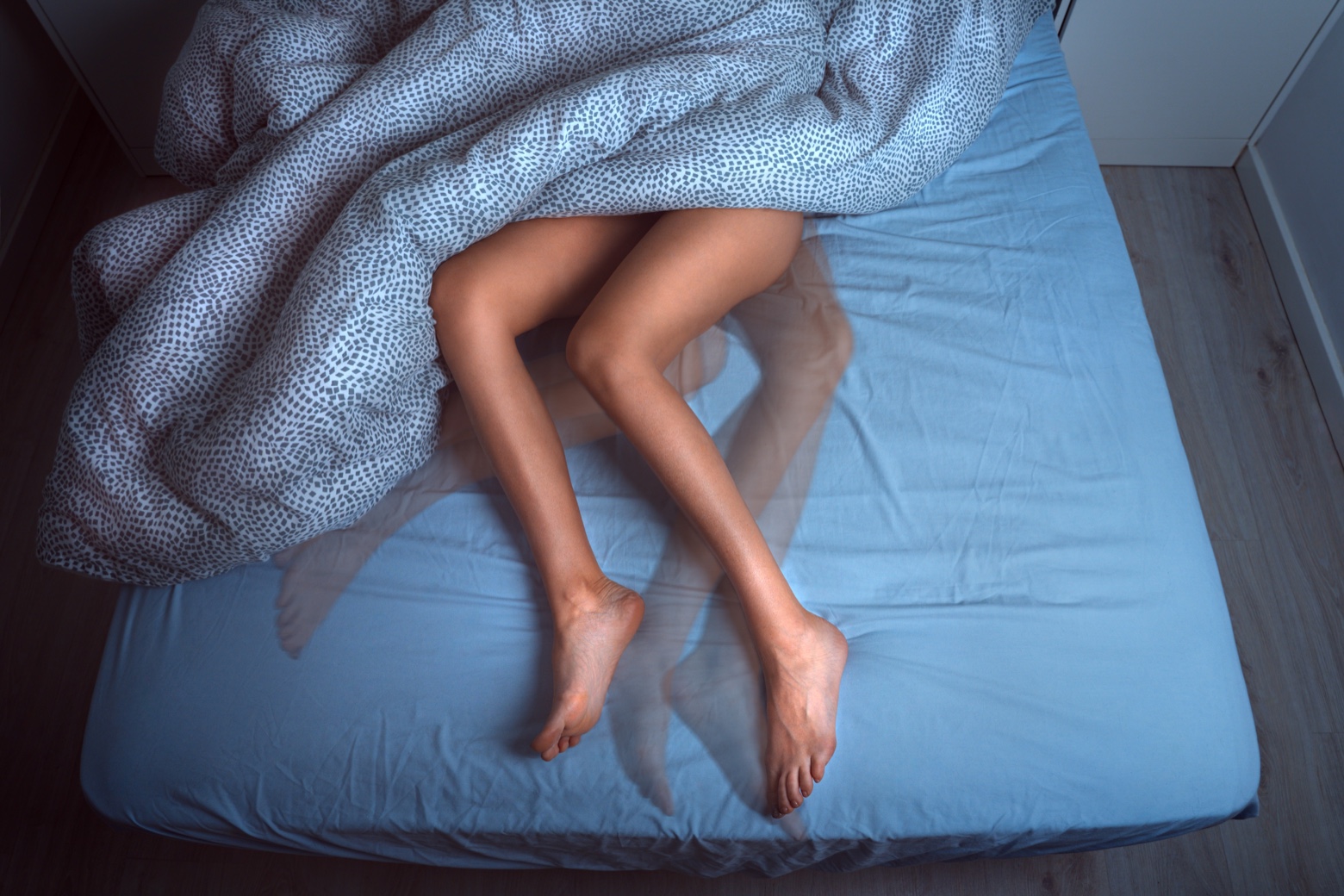
Sleep disorders represent a group of conditions that interfere with the ability to sleep well on a regular basis. They range from insomnia to abnormal behaviors during sleep. Poor sleep affects physical and mental health, daily performance, and quality of life. It can cause daytime sleepiness, difficulty concentrating, irritability, and memory problems. In the long term, it increases the risk of chronic diseases such as hypertension, diabetes, and heart disease.
Symptoms of sleep disorders
Identifying the symptoms is the first step in addressing a sleep disorder. Symptoms vary depending on the type of disorder, but some common ones are:
Difficulty falling asleep or staying asleep.
Waking up too early.
Excessive daytime sleepiness.
Loud snoring.
Pauses in breathing during sleep.
Involuntary leg movements.
Unusual behaviors while sleeping (talking, walking, eating while asleep).
Classification of sleep disorders
Understanding the different types of sleep disorders is essential for an accurate diagnosis. Sleep disorders are classified as follows:
Insomnia: it is characterized by persistent difficulty falling asleep, staying asleep, or both, despite having the opportunity to do so. Acute insomnia is short-lived and often related to a specific stressful event. Chronic insomnia, on the other hand, lasts for three months or more and may be associated with underlying medical or psychiatric problems. It can manifest as difficulty initiating sleep, frequent awakenings during the night, or waking up too early and being unable to fall back asleep.
Sleep apnea: this disorder is defined by repeated pauses in breathing during sleep. Obstructive sleep apnea (OSA), the most common form, occurs when the upper airways become partially or completely blocked. Central sleep apnea is less common and occurs when the brain does not send the appropriate signals to the muscles that control breathing. Loud snoring, excessive daytime sleepiness, and morning headaches are common signs of sleep apnea.
Restless legs syndrome (RLS): it is characterized by an irresistible urge to move the legs, often accompanied by uncomfortable sensations such as tingling, burning, or pain. These sensations usually worsen at night or during periods of inactivity. Movement provides temporary relief, but RLS can significantly interfere with sleep.
Narcolepsy: it is a chronic neurological disorder that affects the brain’s ability to regulate sleep-wake cycles. It is characterized by excessive daytime sleepiness, even after a full night’s sleep. Other symptoms may include cataplexy (sudden loss of muscle tone), sleep paralysis (inability to move or speak while falling asleep or waking up), and hypnagogic hallucinations (vivid hallucinations while falling asleep).
Circadian rhythm disorders: these disorders occur due to a mismatch between the body’s internal clock and the light-dark cycle of the environment. Delayed sleep phase syndrome (DSPS) is characterized by difficulty falling asleep and waking up at conventional times, while advanced sleep phase syndrome (ASPS) involves falling asleep and waking up much earlier than desired.
Parasomnias: parasomnias are unusual behaviors or experiences that occur during sleep. Some examples include sleepwalking, night terrors (episodes of intense fear during sleep), nightmares, REM sleep behavior disorder (violent physical movements during REM sleep), and bruxism (teeth grinding).
Causes of sleep disorders
The causes of sleep disorders are varied and complex. The causes can be diverse and sometimes unknown. These can include genetic factors, illnesses, medications, stress, anxiety, depression, and poor sleep habits.
Identifying risk factors is crucial for prevention and appropriate treatment. Several factors can influence the likelihood of developing a sleep disorder. The risk factors are:
Old age.
Sex (some disorders are more common in men).
Family history.
Obesity.
Smoking.
Consuming alcohol or caffeine before bed.
Complications of sleep disorders
The consequences of not treating a sleep disorder can be serious. If left untreated, sleep disorders can cause:
Daytime sleepiness, affecting work and increasing the risk of accidents.
Higher risk of chronic diseases (hypertension, diabetes, heart disease).
Mental health problems (depression, anxiety).
Decreased quality of life.
Diagnosis of sleep disorders
Diagnosing a sleep disorder requires a thorough evaluation by a specialist. This professional will review the patient’s medical history, symptoms, and sleep habits. In addition, various tests can be performed to confirm the diagnosis:
Polysomnography (PSG): it is the most comprehensive study. It records brain activity, breathing, heart rate, eye movements, and muscle activity during sleep. It is performed in a sleep unit, where the patient sleeps while these variables are monitored. PSG helps identify disorders such as sleep apnea, restless legs syndrome, and parasomnias. At HM Hospitales, we have sleep units equipped with advanced technology to perform polysomnographies.
Multiple Sleep Latency Test (MSLT): it measures how quickly the patient falls asleep during the day and whether they enter REM sleep quickly. The test consists of several scheduled naps throughout the day, during which the time it takes the patient to fall asleep, and the sleep stages they reach are monitored.
Actigraphy: a wrist device that records activity and rest over several days. It helps identify circadian rhythm disorders. The patient wears the actigraph during their daily routine, and the device provides information about sleep-wake patterns.
Imaging studies: in some cases, magnetic resonance imaging (MRI) or computed tomography (CT) scans are used to rule out other conditions. Although they are not routine tests for sleep disorders, they may be necessary if an underlying cause is suspected that requires visualization of the brain or other structures.
Assessment of symptoms and medical history: the doctor will ask about the symptoms, their duration, frequency, and any triggering factors. Questionnaires and sleep scales can also be used to obtain a more comprehensive assessment of symptoms and their impact on daily life.
Sleep diary: the patient may be asked to keep a sleep diary for a period of time to record their sleep patterns, including bedtimes and wake-up times, sleep duration, sleep quality, and any sleep-related symptoms.
Sleep hygiene assessment: the doctor will review the patient’s sleep habits, such as bedtime routine, sleep environment, and consumption of caffeine, alcohol, and nicotine. Identifying poor sleep habits can help implement lifestyle changes to improve sleep.
An accurate diagnosis of sleep disorder is essential for effective treatment. At HM Hospitales we have Sleep Units specializing in the diagnosis and treatment of sleep disorders, using advanced technology and a team of experts for a comprehensive evaluation. luación completa.
Treatments of sleep disorders
The treatment of sleep disorders is chosen according to the severity of symptoms and underlying cause. A healthcare professional will help you determine the best approach for your specific situation. Options include:
Lifestyle changes and sleep hygiene: improving sleep habits is essential. This includes maintaining a regular sleep-wake schedule, creating a sleep-friendly environment (dark, quiet, and cool), avoiding caffeine and alcohol before bed, and engaging in regular physical activity.
Cognitive behavioral therapy for insomnia (CBT-I): This therapy helps to identify and modify thoughts and behaviors that contribute to insomnia. CBT-I may include techniques such as sleep restriction, stimulus control, relaxation therapy, and cognitive restructuring.
Medications: medications to help you sleep, such as non-benzodiazepine hypnotics or sedating antidepressants, may be prescribed. These medications should be used under medical supervision due to possible side effects and the risk of dependence. At HM Hospitales, our specialists carefully assess the need for medication and prescribe it responsibly.
Continuous positive airway pressure (CPAP) devices: for sleep apnea, CPAP is the most common treatment. It consists of a mask worn over the nose and/or mouth that is connected to a machine delivering continuous positive air pressure, keeping the airways open during sleep.
Bright light therapy: for circadian rhythm disorders, bright light therapy can help regulate the biological clock. It consists of exposing oneself to bright light during specific periods of the day, usually in the morning.
Melatonin: melatonin is a hormone that regulates the sleep-wake cycle. Melatonin supplements may be helpful for some sleep disorders, especially circadian rhythm disorders.
Surgery: in some cases of obstructive sleep apnea, surgery may be recommended to correct anatomical obstructions in the airways. Surgery may include uvulopalatopharyngoplasty (UPPP), adenotonsillectomy (in children), or maxillomandibular surgery.
Other treatments: there are other treatments for specific disorders, such as restless legs syndrome. These may include dopaminergic medications, dopamine receptor agonists, and other drugs.
A multidisciplinary approach is common, involving neurologists, psychiatrists, pulmonologists, and psychologists. At HM Hospitales, our multidisciplinary teams provide comprehensive care for sleep disorders.
Remember that this article is for informational purposes only and does not replace professional medical advice. If you suspect that you have a sleep disorder, consult a specialist to obtain an accurate diagnosis and an appropriate treatment plan tailored to your needs.
Our doctors
Contact and make an appointment with the professionals in this area