Alzheimer’s disease is a neurodegenerative condition that affects millions of people worldwide. In Spain, it is estimated that over 800,000 people live with this disease, and this figure is expected to rise in the coming years due to an ageing population.
Early detection of Alzheimer’s is essential to provide patients with the best possible care and treatment. In this article, we explain which tests are key for the early diagnosis of this disease and why they are so important.
What Are the Early Symptoms of Alzheimer’s Disease?
Before discussing diagnostic tests, it’s essential to recognise the early symptoms of Alzheimer’s disease:
- Memory loss that disrupts daily life.
- Difficulty planning or solving problems.
- Struggles with completing familiar tasks at home, work, or social situations.
- Confusion with time or place.
- Trouble understanding visual images and spatial relationships.
- Problems with words when speaking or writing.
- Misplacing objects and being unable to retrace steps.
- Withdrawal from work or social activities.
- Changes in mood or personality.
It’s important to note that these symptoms must be persistent, not just occasional. While everyone forgets things or feels confused from time to time, in Alzheimer’s disease, these symptoms consistently interfere with daily life.
If you or a loved one are experiencing any of these symptoms, it’s essential to consult a doctor as soon as possible.
Diagnostic Tests for Alzheimer’s Disease
Diagnosing Alzheimer’s involves a series of assessments, as there is no single test that can definitively confirm the disease. Below are the most common tests for early detection:
- Medical History
The first step in diagnosing Alzheimer’s is a comprehensive clinical evaluation. During this consultation, the doctor conducts a detailed interview to understand the patient’s symptoms, family history, and lifestyle. This information is crucial to establish a baseline and rule out other potential causes of the symptoms.
During this assessment, the doctor may ask questions such as:
- When did the symptoms begin?
- Have they worsened over time?
- Is there a family history of dementia or Alzheimer’s?
- Are you taking any medications that could affect memory?
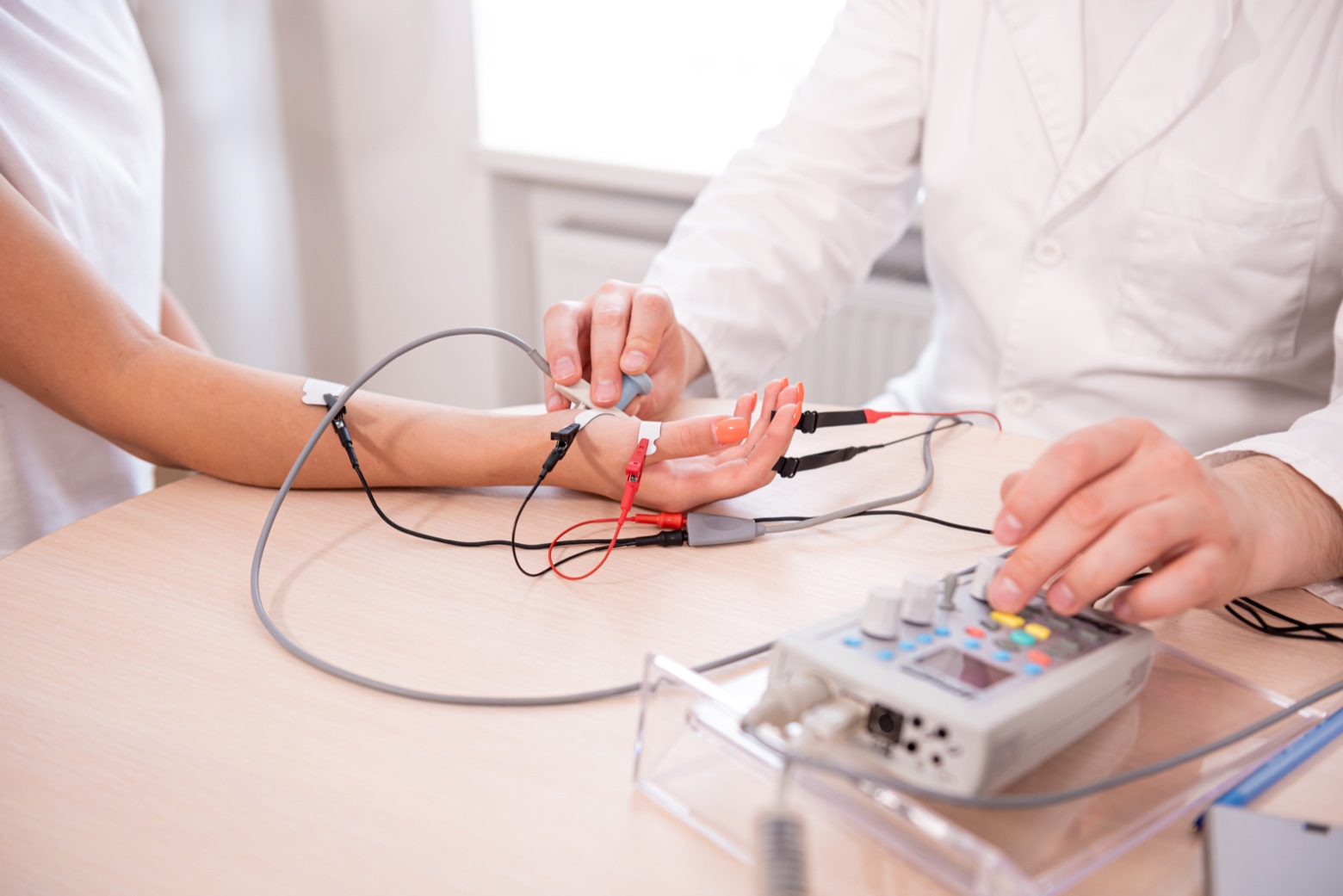
- Physical and Neurological Examination
A complete physical exam, including neurological tests, is essential to rule out other conditions that could be causing the symptoms. During this exam, the doctor will assess:
- Reflexes.
- Coordination and balance.
- Muscle strength.
- Sensory responses.
- Vision and hearing.
Blood pressure, temperature, and other relevant parameters may also be checked to rule out other conditions affecting cognitive function.
- Cognitive Tests
Cognitive tests are fundamental for early detection. These assessments measure different aspects of mental function, such as:
- Memory.
- Attention.
- Language.
- Reasoning.
- Visuospatial skills.
Some of the most common cognitive tests include:
- Mini-Mental State Examination (MMSE): Evaluates orientation, attention, calculation, recall, and language.
- Montreal Cognitive Assessment (MoCA): Detects mild cognitive impairment and is more sensitive than the MMSE.
- Mini-Cog: Quickly assesses memory and executive function.
- Clock Drawing Test: Evaluates executive function and visuospatial skills by asking the patient to draw a clock showing a specific time.
These tests can identify subtle cognitive changes that may signal early-stage Alzheimer’s. However, they are not diagnostic independently but form part of a broader evaluation.
- Blood Tests
While there is no specific blood test for Alzheimer’s, blood work can help rule out other causes of cognitive decline, such as:
- Vitamin deficiencies (especially B12).
- Thyroid issues.
- Infections.
- Anaemia.
- Liver or kidney problems.
New blood tests are being developed to detect Alzheimer ’s-specific biomarkers (e.g., beta-amyloid and tau proteins), which could revolutionise early detection.
- Neuroimaging Tests
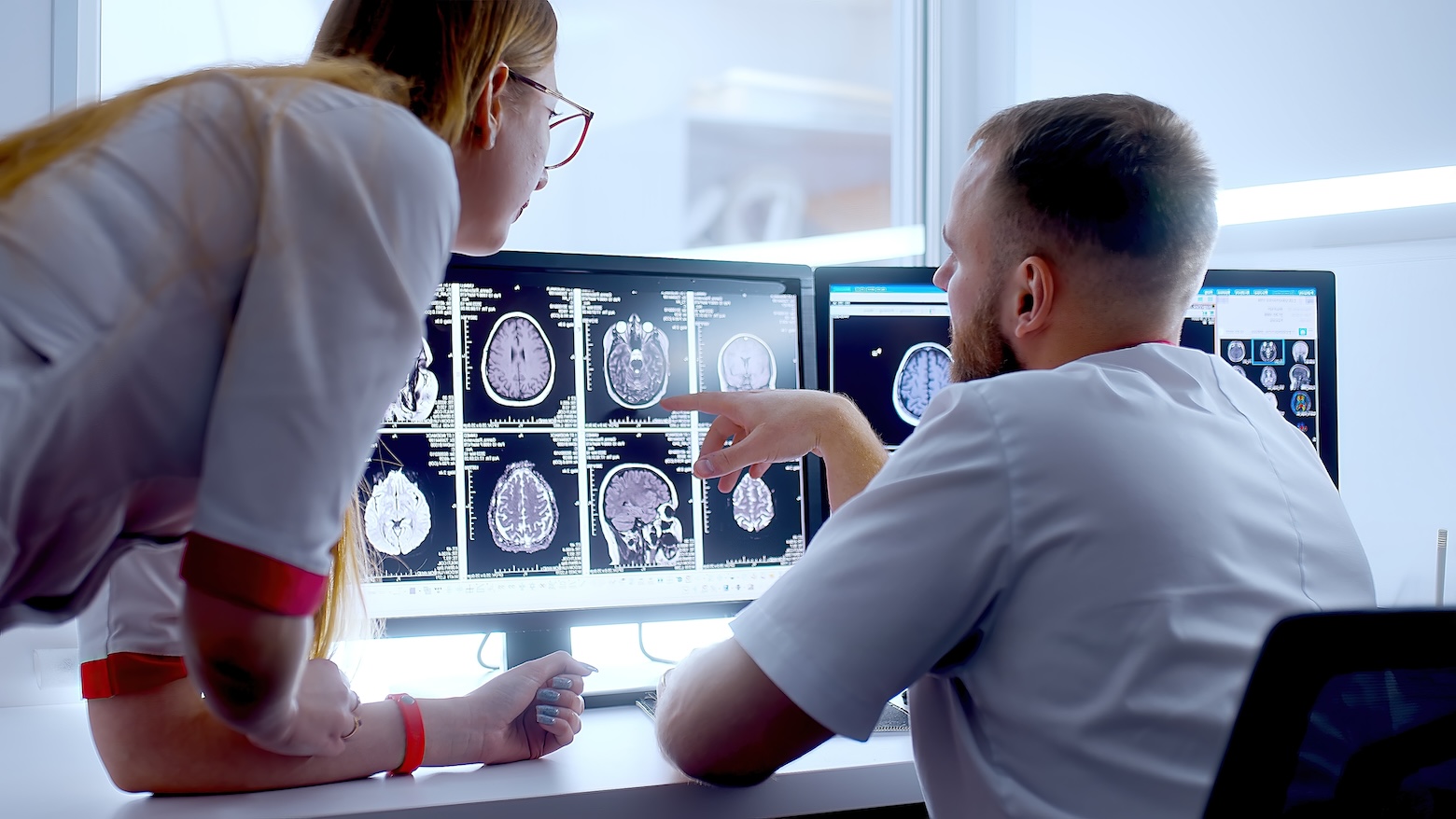
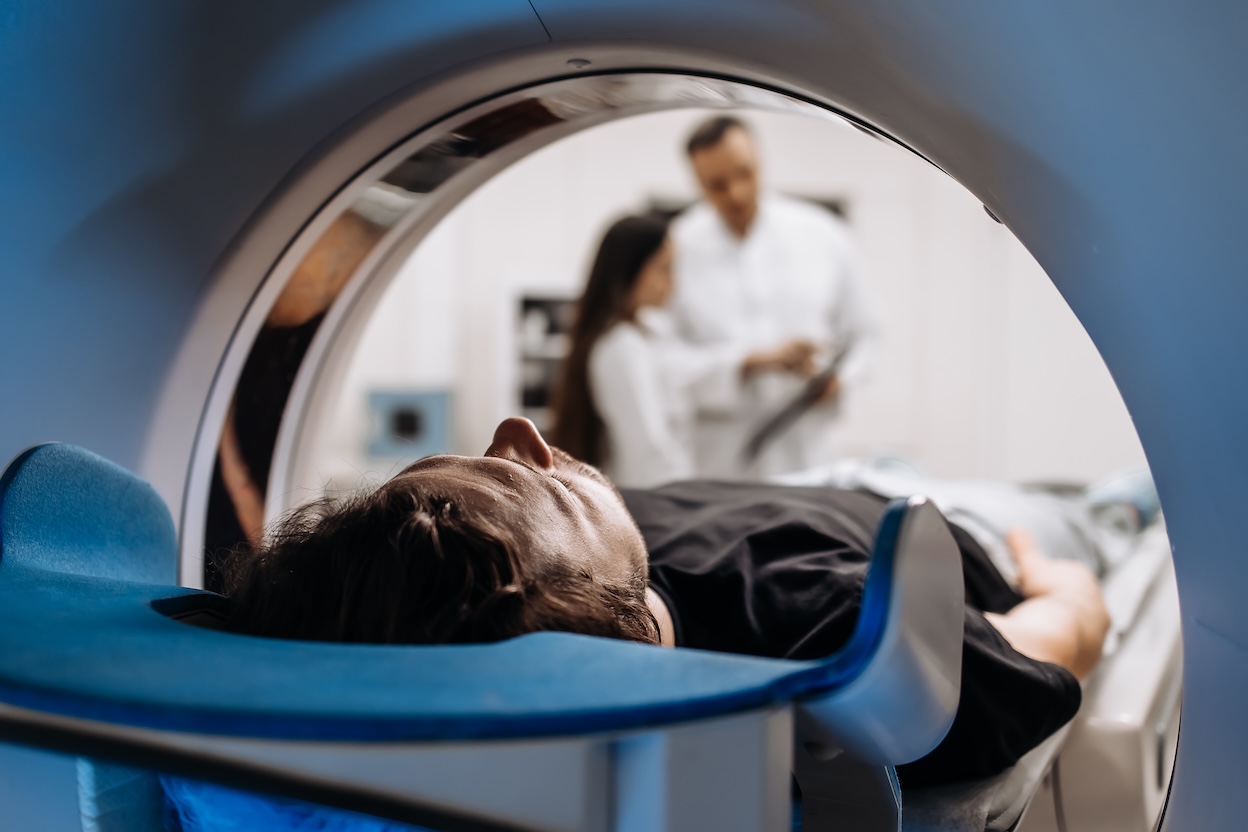
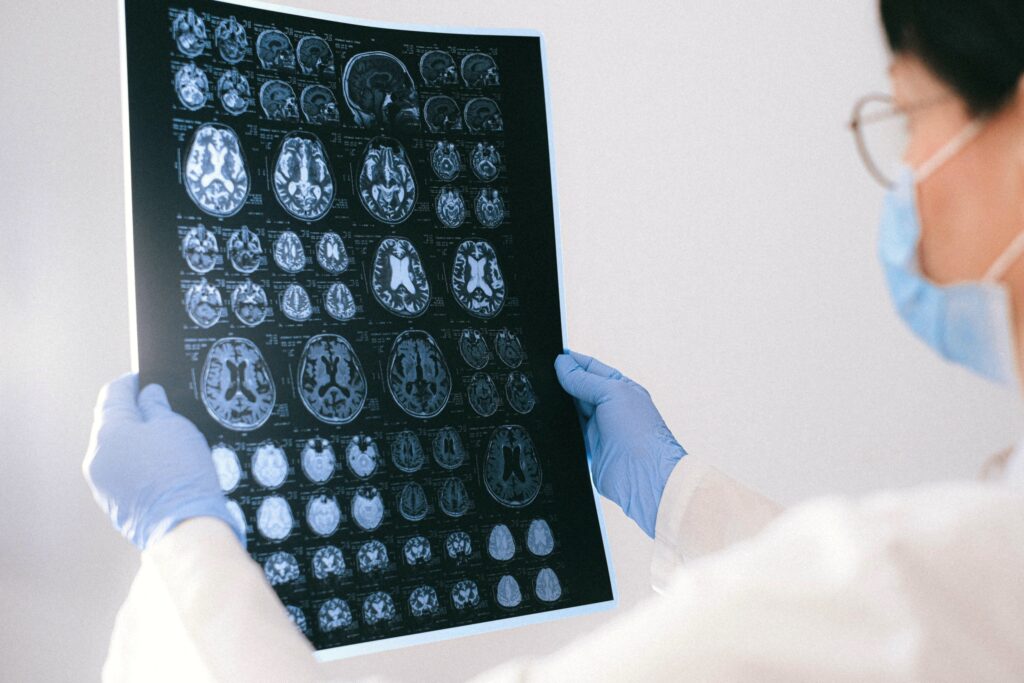
Neuroimaging techniques allow doctors to visualise brain structure and function. Common tests include:
- Magnetic Resonance Imaging (MRI): Provides detailed brain images showing volume loss or atrophy in areas like the hippocampus and cerebral cortex.
- Computed Tomography (CT): Helps rule out other causes (e.g., tumours or strokes).
- Positron Emission Tomography (PET): Visualises brain activity and can detect amyloid or tau buildup. Types include:
- FDG-PET: Measures glucose metabolism (indicating areas of reduced brain activity).
- Amyloid PET: Detects amyloid plaques.
- Tau PET: Identifies tau protein tangles linked to neuronal degeneration.
- Lumbar Puncture
In some cases, a lumbar puncture (spinal tap) may be recommended to analyse cerebrospinal fluid for Alzheimer’s biomarkers (beta-amyloid and tau). Though invasive, it provides valuable diagnostic information, especially in complex cases.
Are There New Technologies for Early Detection?

Research is advancing rapidly, with innovations such as:
- Blood tests: Emerging tests to detect Alzheimer’s-specific proteins.
- Artificial Intelligence (AI): Algorithms analysing brain scans for subtle early changes.
- Speech/language analysis: Detecting early verbal fluency or grammar declines.
- Olfactory tests: Assessing smell loss as an early indicator.
- Saliva/urine biomarkers: Potential non-invasive detection methods.
- Genetic testing: Identifying higher-risk individuals (though not diagnostic).
When Should You Consider Alzheimer’s Testing?
Speak to your doctor if you:
- Notice persistent memory/cognitive changes.
- Struggle with daily tasks due to memory issues.
- Have family/friends express concern.
- Have a family history of Alzheimer’s.
- Experience mood/personality shifts.
- Feel disoriented in familiar places or during conversations.
Occasional forgetfulness is normal, especially with age. However, seek medical advice if symptoms disrupt daily life.
Why Is Early Detection Important?
While there’s no cure, early diagnosis allows:
- Early treatment to slow progression.
- Informed decision-making while the patient can participate.
- Access to clinical trials for new treatments.
- Support services for patients and carers.
- Improved quality of life through tailored care.
- Reduced anxiety via clarity about symptoms.
- Education for families on managing the disease.
At HM Hospitals, our multidisciplinary team (neurologists, neuropsychologists, and imaging specialists) uses cutting-edge technology for early Alzheimer’s detection. We provide precise diagnoses and personalised treatment plans.
Contact our specialists if you or a loved one are concerned about memory or cognitive changes. We’re here to support you every step of the way.
Knowledge is power. The sooner Alzheimer’s is detected, the more options you’ll have to manage it and maintain the best possible quality of life. Early detection benefits the patient and helps families and carers prepare for the challenges ahead.
Remember: This article is for informational purposes only and does not replace medical advice. Consult a healthcare professional with any concerns.