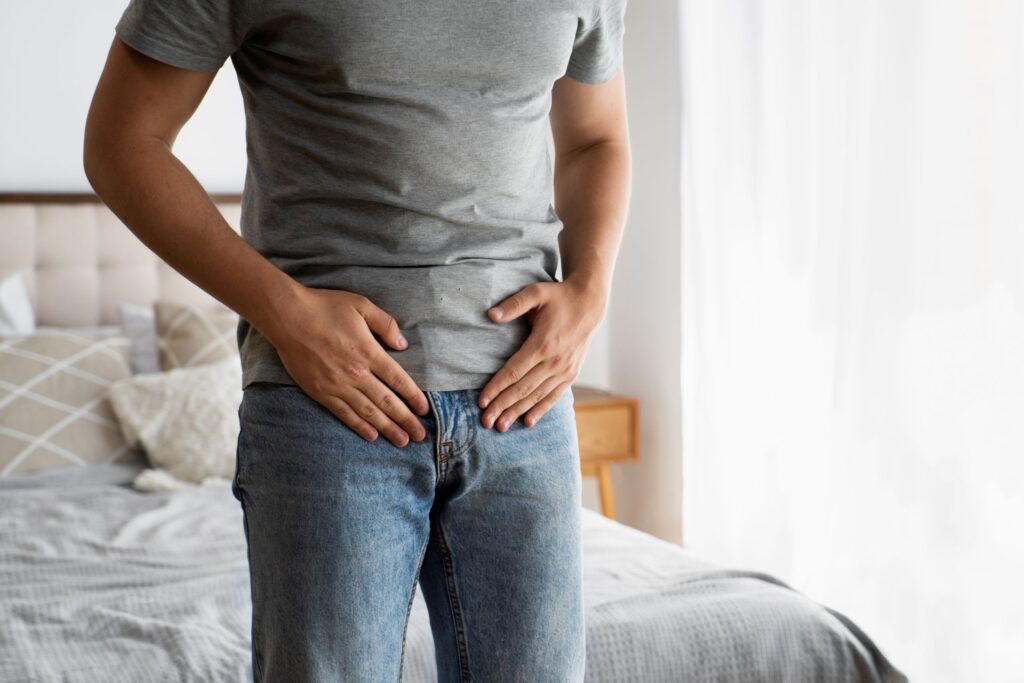
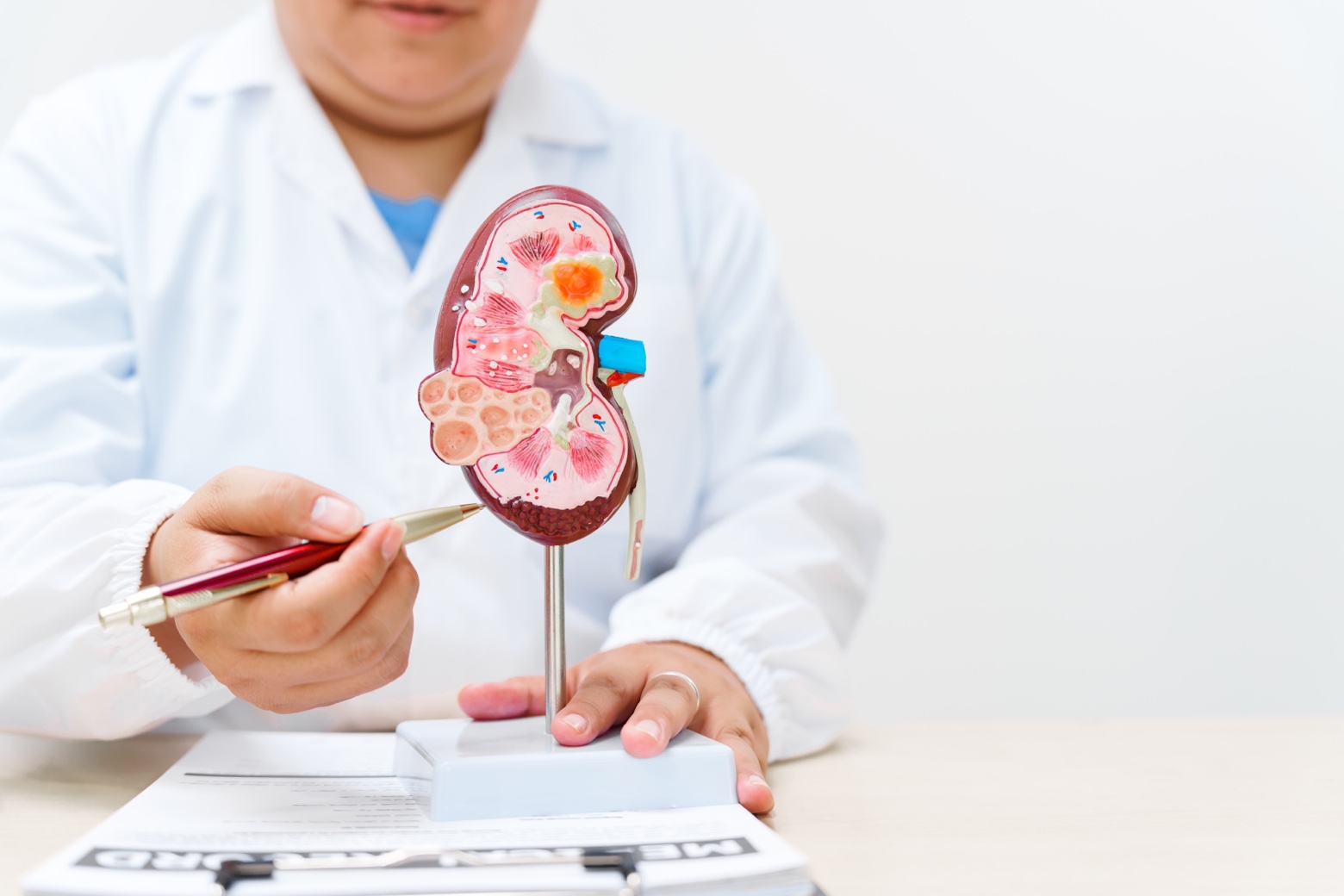
Prostatitis is the inflammation of the prostate gland. The prostate is a small, walnut-sized gland located below the bladder in men. This gland produces a fluid that nourishes and protects sperm. Prostatitis can cause pain or discomfort between the scrotum and anus, pain when urinating and ejaculating, and difficulty emptying the bladder. Its impact on patients’ health manifests as urinary problems, pain, and general discomfort, significantly affecting their quality of life. It affects men of all ages, although it is more common in men under 50 years of age.
Symptoms of prostatitis
The symptoms of prostatitis can vary significantly from person to person. Some men experience mild discomfort, while others experience severe pain and urinary problems. The most common symptoms include:
Pain or burning sensation when urinating.
Pain in the lower back, abdomen, groin, perineum (area between the scrotum and anus), or genitals.
Difficulty initiating or stopping urination.
Urgent need to urinate.
Pain during or after ejaculation.
Fever and chills (in acute bacterial prostatitis).
Classification of prostatitis
Prostatitis is divided into different categories according to its cause and duration. These classifications help guide diagnosis and treatment. The four main types of prostatitis are:
Acute bacterial prostatitis: sudden and severe infection that causes fever, chills, and intense pain.
Chronic bacterial prostatitis: recurrent bacterial infection that causes urinary symptoms and persistent pain.
Chronic pelvic pain syndrome/chronic prostatitis (CPPS/CP): it is the most common type, characterized by chronic pelvic pain without evidence of infection.
Asymptomatic inflammatory prostatitis: it is detected during tests for other conditions and does not cause noticeable symptoms.
Causes of prostatitis
Prostatitis can have different causes, and determining the underlying cause is essential for effective treatment. Among the most common etiologies are bacterial infections, which are responsible for acute and chronic bacterial prostatitis. In addition, in cases of chronic prostatitis/chronic pelvic pain syndrome, the causes are not fully understood, although it is believed that they could be related to factors such as stress, muscle spasms, or abnormalities of the nervous system.
There are several factors that can increase the likelihood of developing prostatitis. Knowing these factors can help take preventive measures. These include:
Urinary tract infections
Pelvic injury
Weakened immune system
Dehydration
Frequent sexual activity or prolonged abstinence
Complications of prostatitis
It is important to treat prostatitis properly to avoid possible complications that can affect long-term health. While prostatitis often resolves without problems, in some cases it can lead to the following complications:
Prostatic abscess (accumulation of pus in the prostate): it is a serious complication that requires immediate medical treatment, usually with intravenous antibiotics and sometimes drainage of the abscess.
Sepsis (generalized infection): in rare cases, the prostate infection can spread to the bloodstream, causing a potentially life-threatening generalized infection.
Erectile dysfunction: prostatitis can affect the nerves and blood vessels involved in erection, which can lead to difficulty achieving or maintaining an erection.
Infertility: inflammation of the prostate can affect semen quality and make conception difficult.
It is essential to seek medical attention if you suspect you have prostatitis in order to obtain an accurate diagnosis and prevent possible complications. iones.
Diagnosis of prostatitis
Accurate diagnosis of prostatitis requires a series of medical tests and evaluations to determine the type and severity of the condition. The diagnostic process generally includes:
Medical history: the doctor will ask you about your symptoms, including when they started, their intensity, and any factors that make them worse or better. They will also review your medical history and any risk factors for prostatitis.
Physical examination: the doctor will perform a rectal exam to assess the size, consistency and sensitivity of the prostate. This helps detect abnormalities such as inflammation or enlargement.
Urinalysis: a urine sample is analyzed to detect signs of infection, such as the presence of bacteria or white blood cells. A urine culture can also be performed to identify the specific type of bacteria causing the infection.
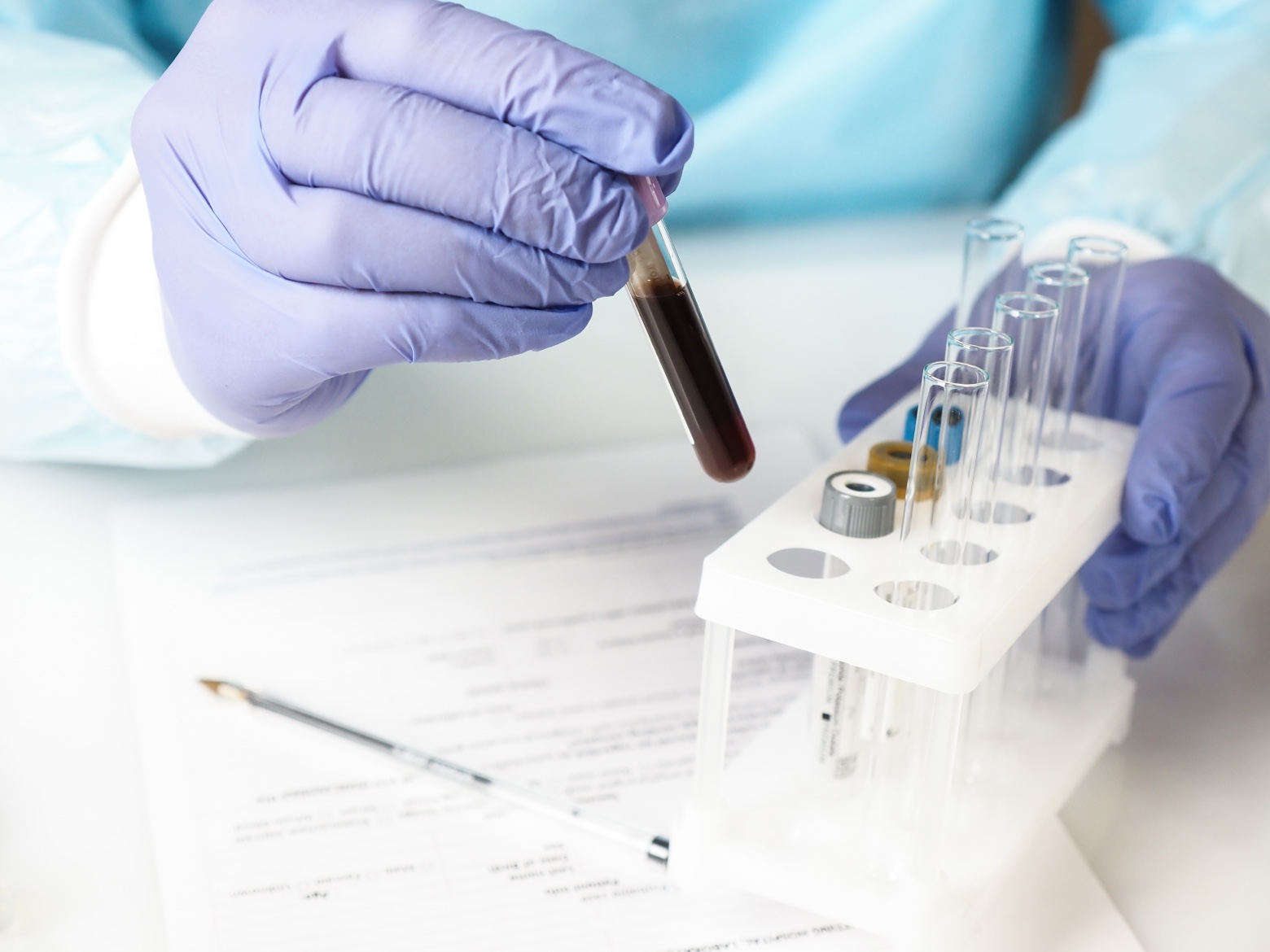
Blood tests: blood tests can help rule out other conditions and assess the patient’s overall health. In some cases, specific tests can be performed to detect markers of inflammation.
Semen culture/Stamey test: a semen sample is cultured with the aim of identifying the potential bacteria causing the condition.
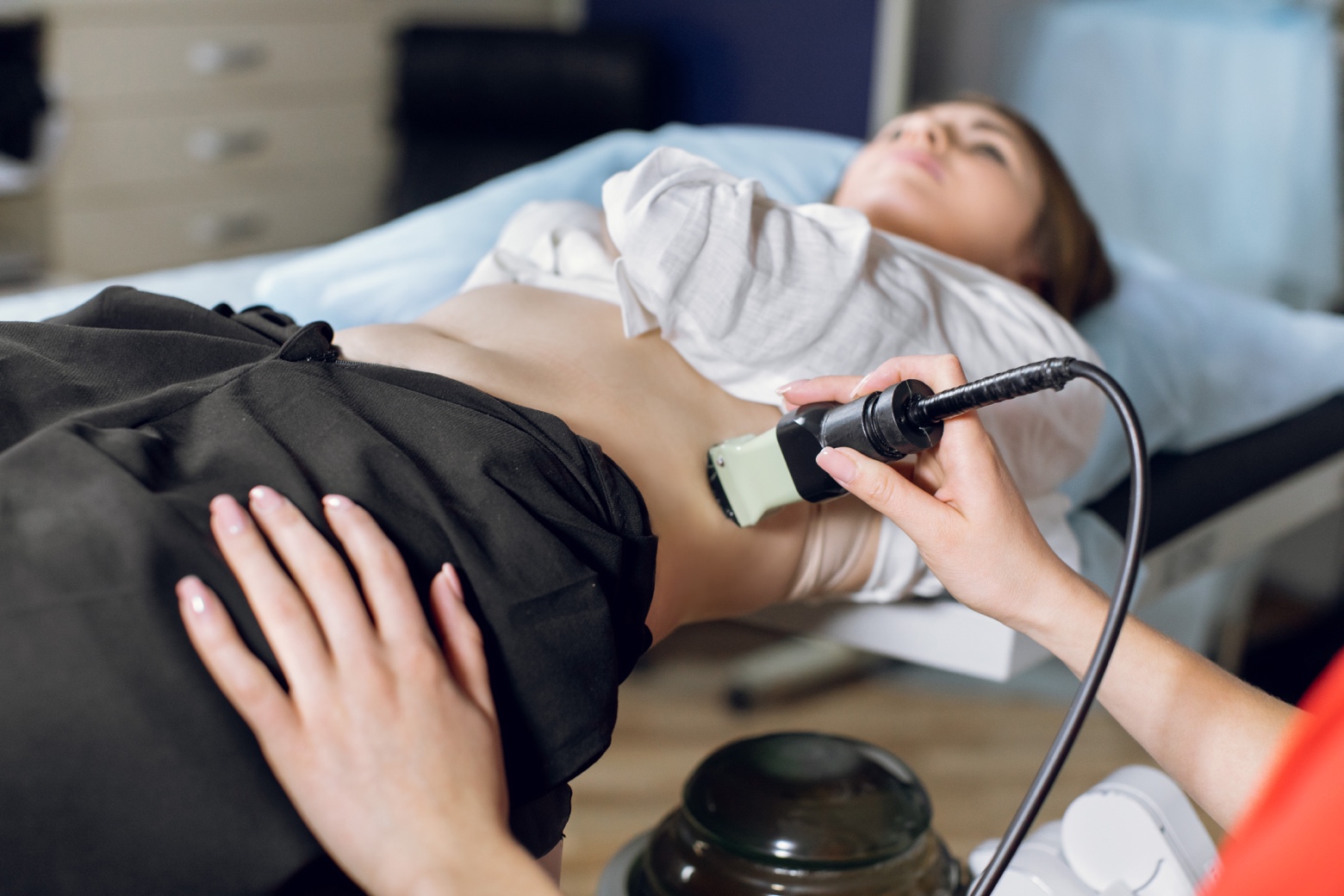
Ultrasound: a transrectal or abdominal ultrasound can provide images of the prostate and surrounding structures, allowing visualization of abnormalities such as abscesses or enlargement.
Prostate biopsy: in some cases, especially if prostate cancer is suspected, a biopsy may be performed to obtain a prostatic tissue sample and examine it under a microscope.
Urodynamic studies: these tests assess bladder and urethral function by measuring urinary flow rate, bladder pressure, and the amount of residual urine after urination.
At HM Hospitales, we have specialized units in Urology, which address the diagnosis and treatment of conditions of the male reproductive system, including prostatitis.o de afecciones del aparato reproductor masculino, incluyendo la prostatitis.
Treatments for prostatitis
There are various treatment options for prostatitis, which are tailored to the specific type and the individual needs of the patient. The goal of treatment is to relieve symptoms, eliminate infection (if there is the presence of one) and prevent complications. Among the different treatment options are:
Pelvic floor physiotherapy: It includes exercises to strengthen and relax the pelvic floor muscles, which can help relieve pain and muscle spasms.
Lifestyle changes: adopting certain lifestyle changes, such as drinking plenty of water, avoiding alcohol and caffeine, and doing relaxation exercises, can help improve symptoms.
Medications: the pharmacological treatment of prostatitis includes several options depending on the cause and the patient’s symptoms. In cases of bacterial prostatitis, antibiotics are essential to eliminate the infection, and the duration of treatment may vary depending on the type of bacteria and the severity of the clinical condition. To relieve pain and inflammation, over-the-counter pain relievers such as paracetamol or ibuprofen can be used, although in some specific cases the doctor may prescribe stronger painkillers. In addition, alpha-blockers are another therapeutic option that helps relax the muscles of the prostate and bladder, improving urinary flow and reducing symptoms associated with the urinary system. There are also plant extracts such as Serenoa Repens which, due to their anti-inflammatory activity, can improve and relieve symptoms. The same applies to natural suppositories such as Qprost.
Surgery: in rare cases, such as in the presence of a prostatic abscess or severe urinary obstruction, surgery may be necessary.
A multidisciplinary approach involving urologists, pain specialists, and physical therapists can be beneficial for the management of complex cases.
Remember that this article is for informational purposes only and does not replace professional medical advice. If you suspect you have prostatitis, consult a specialist to obtain an accurate diagnosis and an appropriate treatment plan tailored to your needs.
Our doctors
Contact and make an appointment with the professionals in this area