Have you been recommended a prostate-specific antigen (PSA) test? It’s normal to have questions about this screening. The PSA test is a blood test that measures the level of PSA in your blood.
PSA is a protein produced by the prostate gland; a small gland located below the bladder in men. This article explains the test’s purpose, how it’s performed, and how to interpret the results.
What Is the PSA Test and Why Is It Done?
The PSA test measures the amount of PSA in your blood. An elevated PSA level may indicate a prostate issue, such as:
- Prostatitis (inflammation of the prostate)
- Benign prostatic hyperplasia (BPH) (non-cancerous prostate enlargement)
- Prostate cancer
However, a high PSA level does not necessarily mean cancer. Many other conditions can raise PSA levels.
The PSA test is primarily used for prostate cancer screening and to monitor progression in men already diagnosed with the disease. While the test has limitations, it remains a valuable tool for early detection, improving treatment success rates.
How Is the PSA Test Performed?
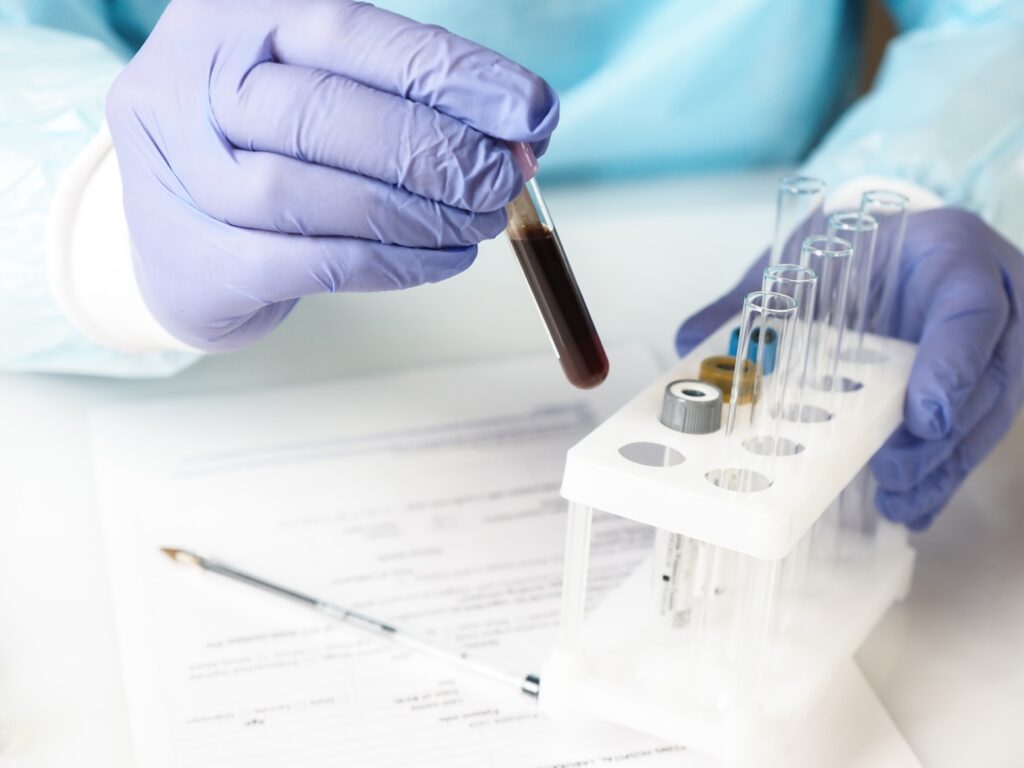
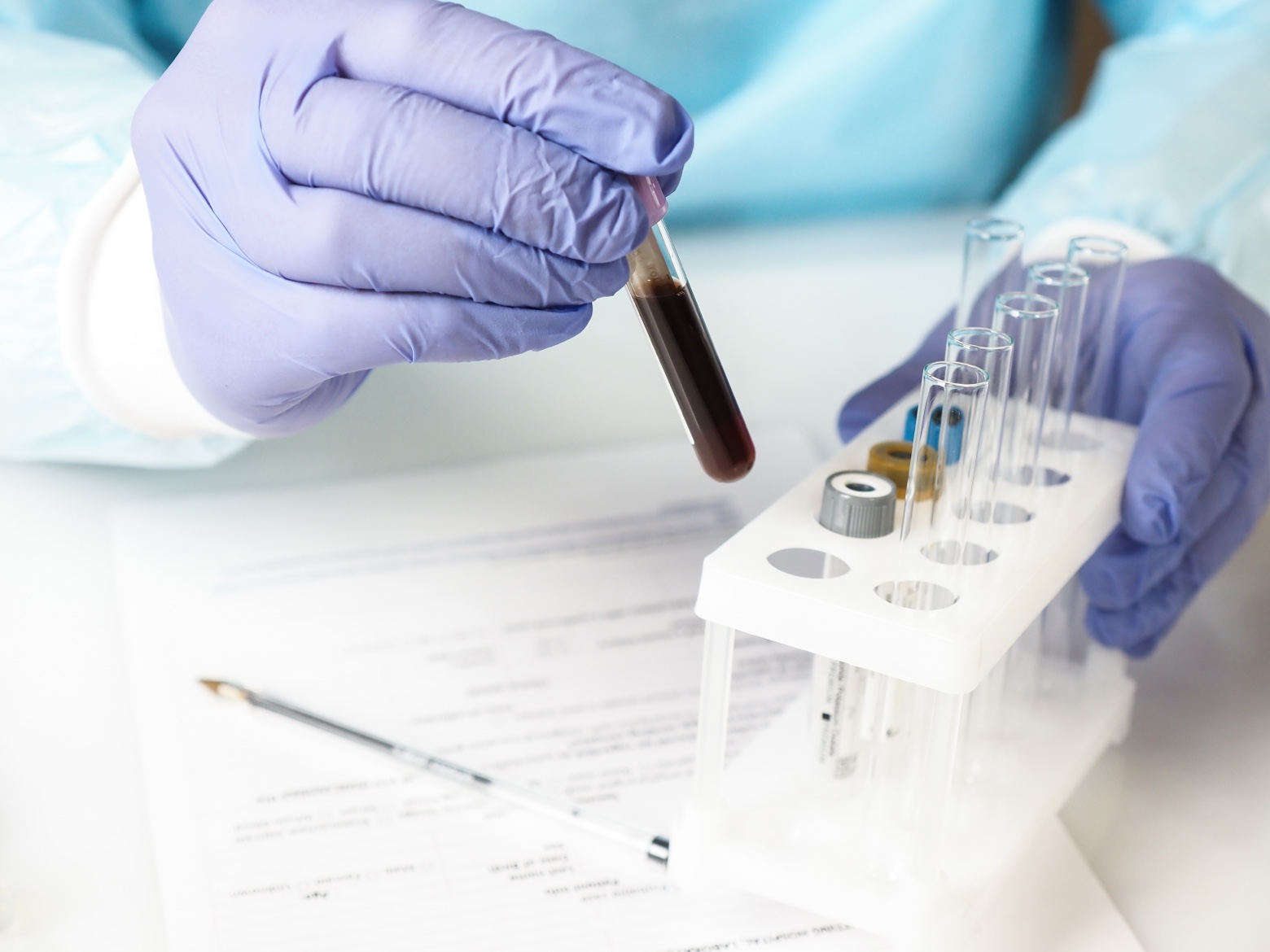
The PSA test is a simple blood test. Before the test, your doctor may advise you to avoid certain activities (e.g., vigorous exercise or sexual activity) for 24–48 hours, as these can temporarily raise PSA levels.
During the test:
- A healthcare professional takes a small blood sample.
- The sample is sent to a lab for analysis.
- Results are typically available within a few days.
Tip: Stay well-hydrated before the blood draw to make the process easier.

What Do PSA Test Results Mean?
PSA results are measured in nanograms per millilitre (ng/mL). There’s no single “normal” value—interpretation depends on factors like age, prostate size, and medical history.
PSA Levels and Interpretation:
- <4 ng/mL: Generally considered normal but does not rule out cancer (some men with prostate cancer have “normal” PSA levels—a false negative).
- 4–10 ng/mL: A **”grey zone”**—may suggest BPH or prostatitis, but cancer risk increases slightly. Further tests may be needed.
- >10 ng/mL: Higher likelihood of prostate cancer, but not definitive (BPH or infection can also cause high PSA).
Other factors doctors consider:
- PSA velocity (how quickly PSA rises over time).
- PSA density (PSA level relative to prostate size).
What If My PSA Level Is High?
Don’t panic—elevated PSA doesn’t always mean cancer. Your doctor may recommend:
- Digital rectal exam (DRE): The doctor checks for lumps or hardness in the prostate.
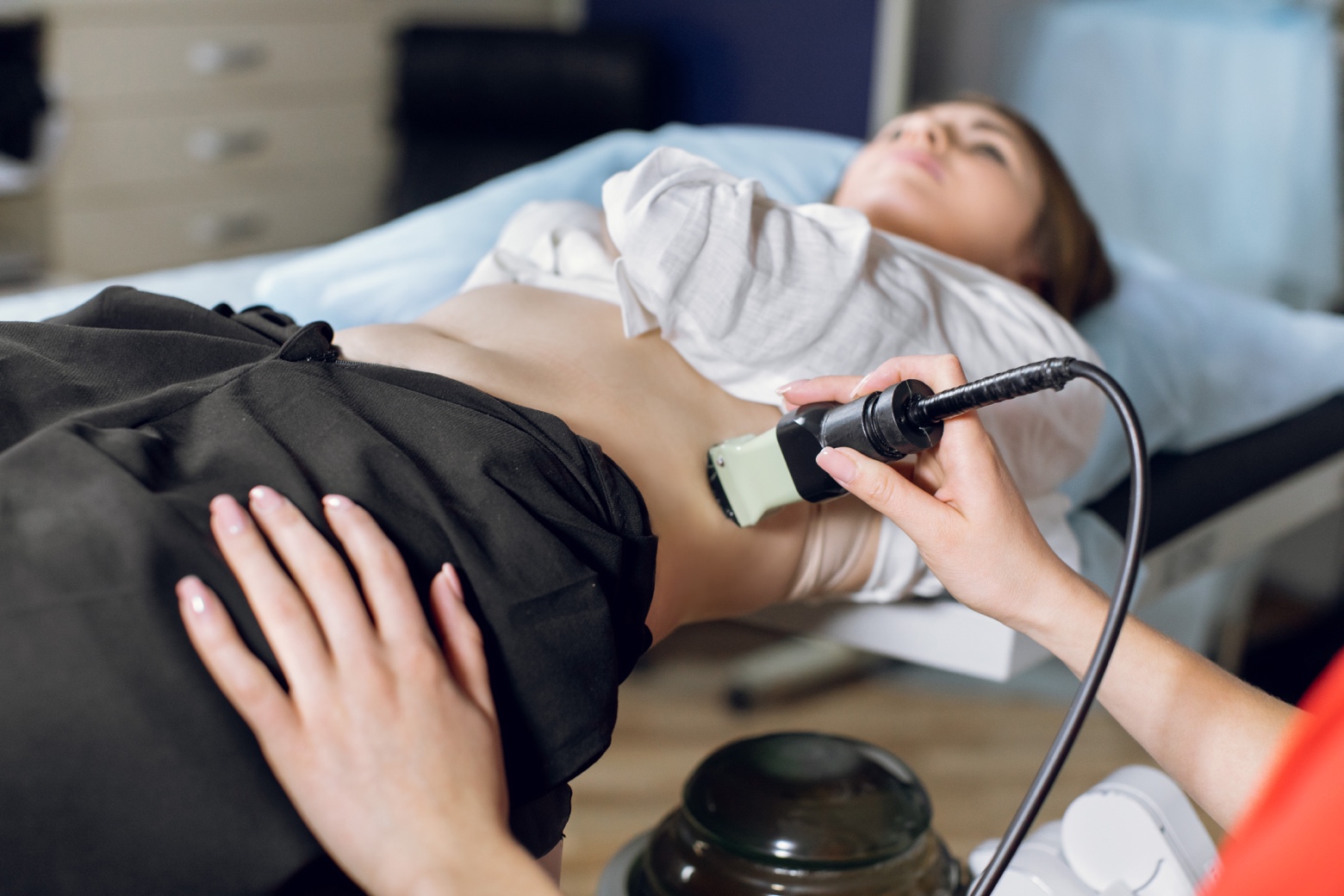
- Transrectal ultrasound: A probe creates images of the prostate.
- Prostate biopsy: Tissue samples are examined for cancer cells.
- Multiparametric MRI (mpMRI): Advanced imaging to detect suspicious areas.

Limitations of the PSA Test
- False positives: High PSA without cancer → unnecessary anxiety or procedures.
- False negatives: Normal PSA but cancer present.
- Doesn’t distinguish between aggressive and slow-growing cancers.
What Else Affects PSA Levels?
- Age: PSA tends to rise with age.
- Race: Black men often have higher baseline PSA levels.
- Medications (e.g., diuretics, NSAIDs).
- Recent sexual activity, UTIs, or medical procedures (e.g., DRE, biopsy).
Always inform your doctor about medications or recent health changes.
When Should I Get a PSA Test?
Discuss screening with your doctor if you’re: 50+ years old (or 40–45+ if high-risk, e.g., family history of prostate cancer).
Note: Screening decisions should be personalised based on your risk factors.
Though it’s not perfect, the PSA test is a key tool for early prostate cancer detection. If you have any concerns, speak to your doctor. At HM Hospitals, our team of urology specialists provides expert diagnosis and treatment for prostate conditions. Contact us to book a consultation.
Remember: This article is for informational purposes only and does not replace medical advice. Always consult a healthcare professional.