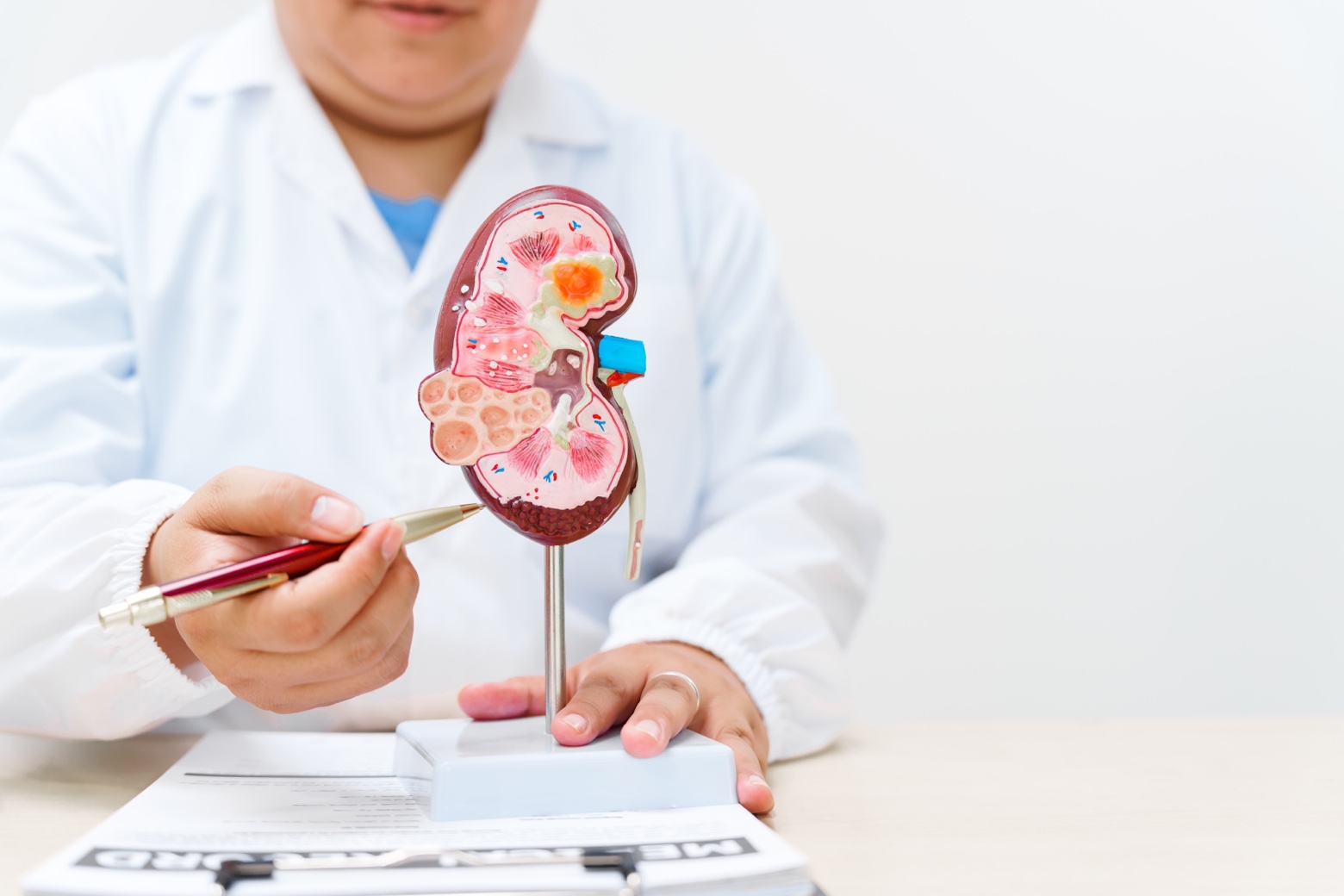
Kidney stones, commonly known as renal calculi, are a health problem that affects thousands of people in Spain every year. These solid formations can cause intense pain and other uncomfortable symptoms.
In this article, we explain how to recognise the symptoms of kidney stones, including the characteristic sharp pain in the lower back and what to do if you suspect you might have kidney stones.
What are kidney stones?
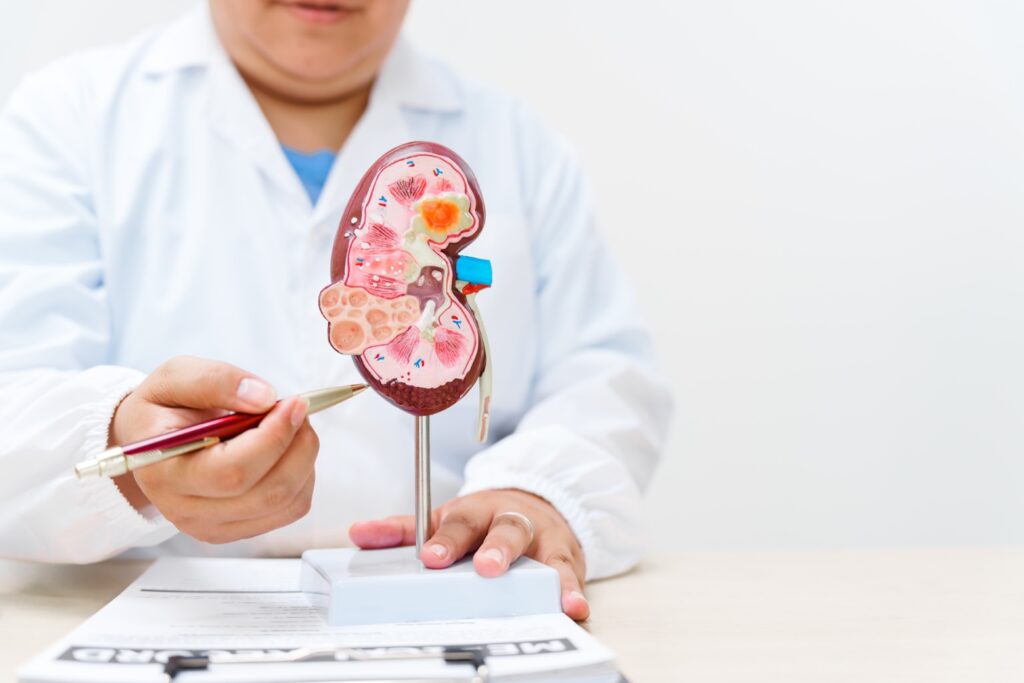
Kidney stones are hard deposits of minerals and salts inside the kidneys. They can vary in size, from tiny grains of sand to larger stones. These stones can be smooth or irregular and are usually yellow or brown.
What are the symptoms of kidney stones?
The symptoms of kidney stones depend on their size and location. When the stones are small, they may pass through the urinary system without causing any symptoms. However, larger stones can cause various symptoms, including:
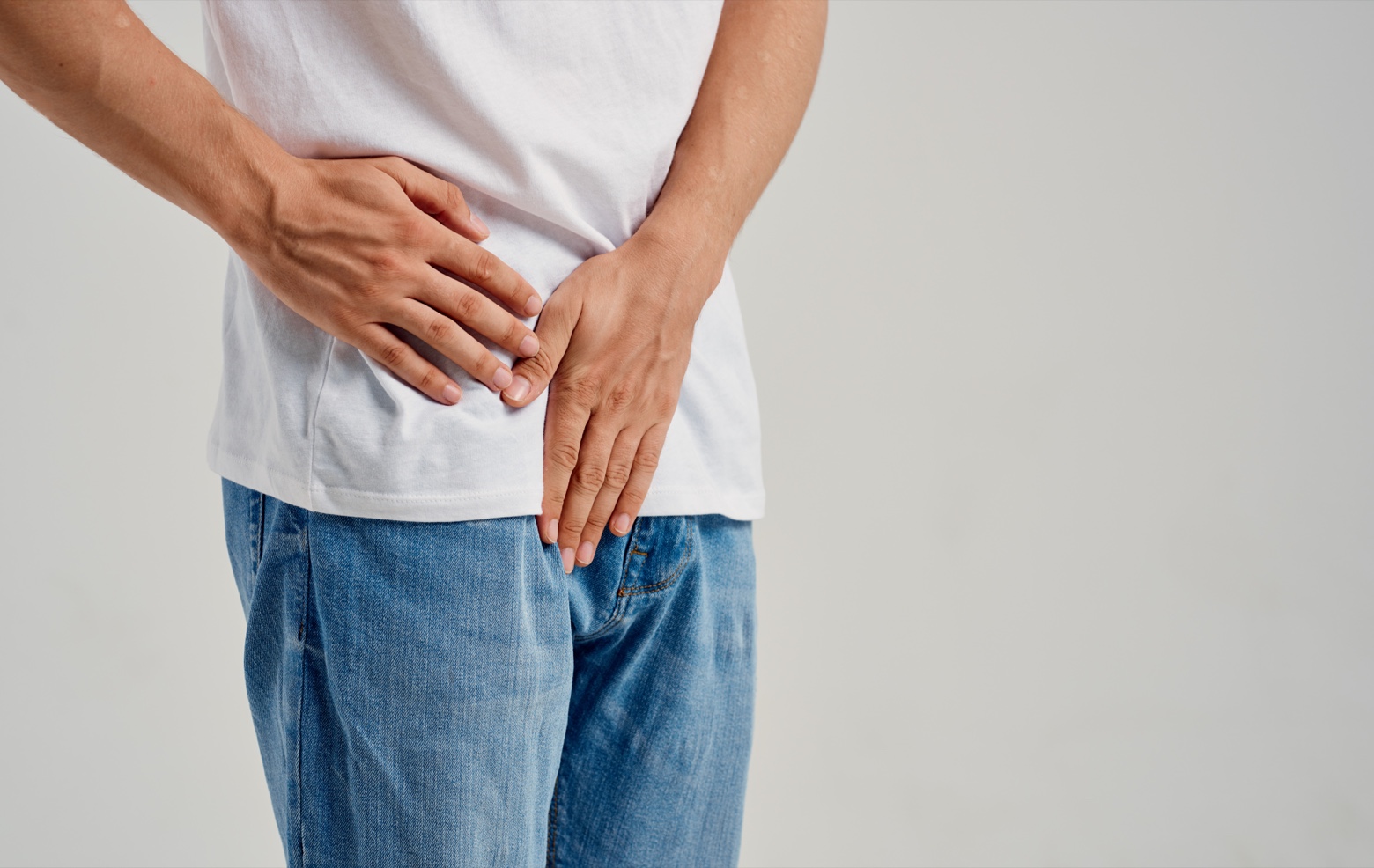
- Sharp pain in the lower back is the most characteristic symptom of kidney stones. The pain, usually very intense and sudden, is described as a stabbing or cramping pain felt on one side of the lower back, just below the ribs.
- Radiating pain: The pain can spread to the lower abdomen and groin as the stones move.
- Pain when urinating: When the stone reaches the urethra, it can cause a burning sensation or pain during urination.
- Changes in urine: The urine may turn pink, red, or brown due to the presence of blood, and it may become cloudy or have an unpleasant odour.
- Frequent urination: You may need to urinate more often than usual.
- Nausea and vomiting: These symptoms often accompany the intense pain caused by kidney stones.
- Fever and chills: If there is an infection alongside the stones, symptoms such as fever and chills may appear.
It is important to note that the symptoms of kidney stones are similar in men and women, although some people may experience symptoms differently.
What are the symptoms of kidney stones in women?
Typically, kidney stones cause similar symptoms in men and women. However, women may experience additional symptoms or be confused by other possible causes. Below are the symptoms of kidney stones in women and how to distinguish them:
- Pain in the lower back or side may be confused with menstrual pain.
- Abdominal pain that may be mistaken for gynaecological issues.
- Nausea and vomiting may be more intense due to hormonal changes.
- Recurrent urinary tract infections are more common in women and may be related to kidney stones.
Grit in the kidneys in women: symptoms and signs to watch for
Kidney grit refers to tiny crystals or stones that form in the kidneys and can pass through the urinary system. Although these symptoms are usually milder than those caused by larger stones, they may include:
- Mild discomfort or a feeling of pressure in the lower back or side.
- Cloudy urine or visible sediment.
- A burning sensation when urinating.
- Frequent need to urinate.
- Small amounts of blood in the urine are known as microscopic hematuria.
When should you seek medical attention if you notice any of these symptoms?

If you experience any of the following symptoms, you should seek immediate medical attention:
- Severe pain that is not relieved by over-the-counter painkillers.
- Pain accompanied by nausea and vomiting.
- Pain with fever and chills.
- Blood in the urine.
- Difficulty urinating.
These symptoms may indicate an obstruction or infection, which requires medical treatment. If you notice any of these symptoms, do not hesitate to consult your doctor to rule out possible related issues.
How are kidney stones diagnosed?
The diagnosis of kidney stones usually requires several tests to confirm the presence of stones in the kidneys. Among the most common are:
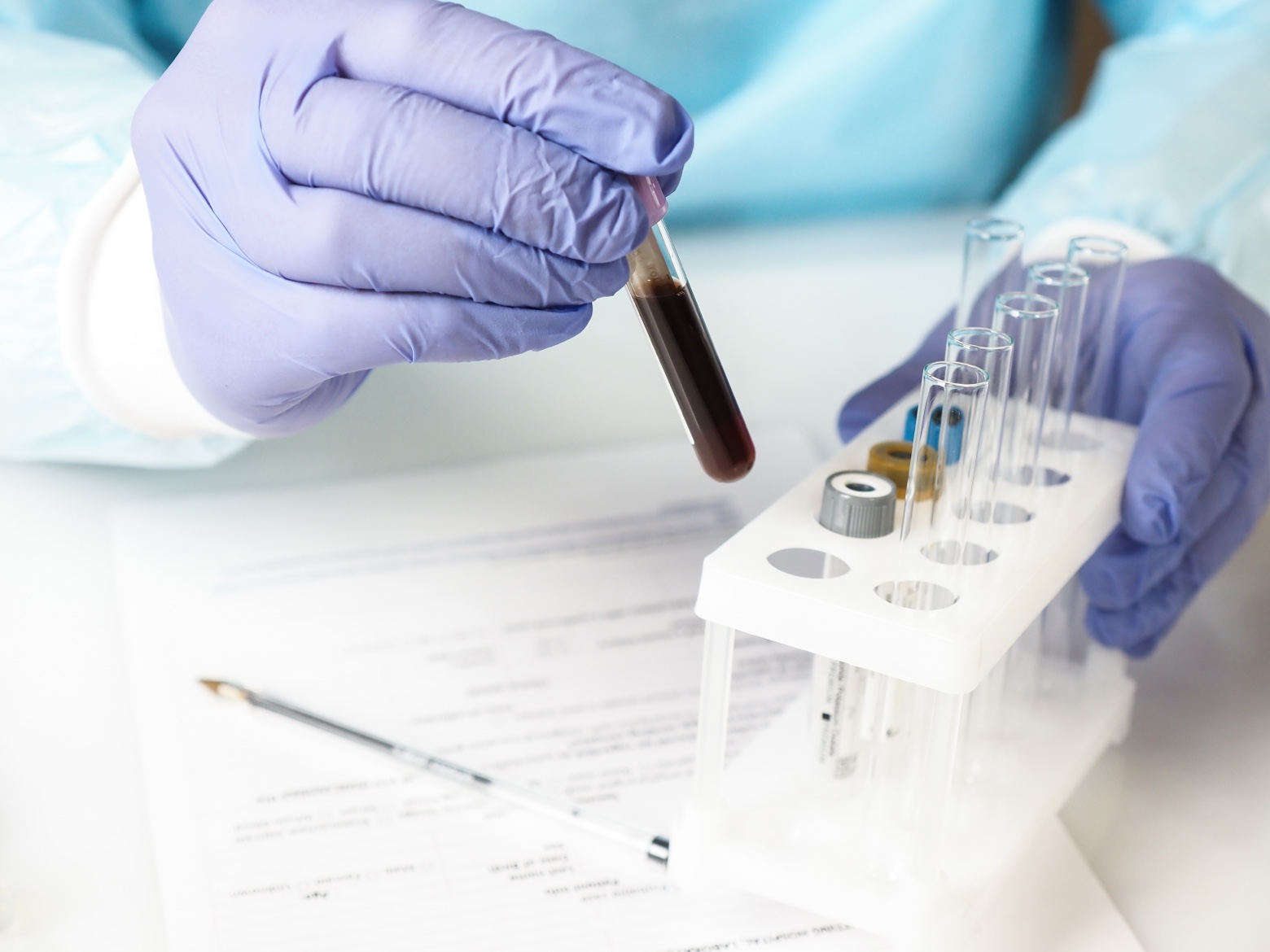
- Urine test: This test is performed to detect the presence of blood in the urine, signs of infection, or crystals.
- Blood test: Measures calcium and uric acid levels, which may indicate stone formation.
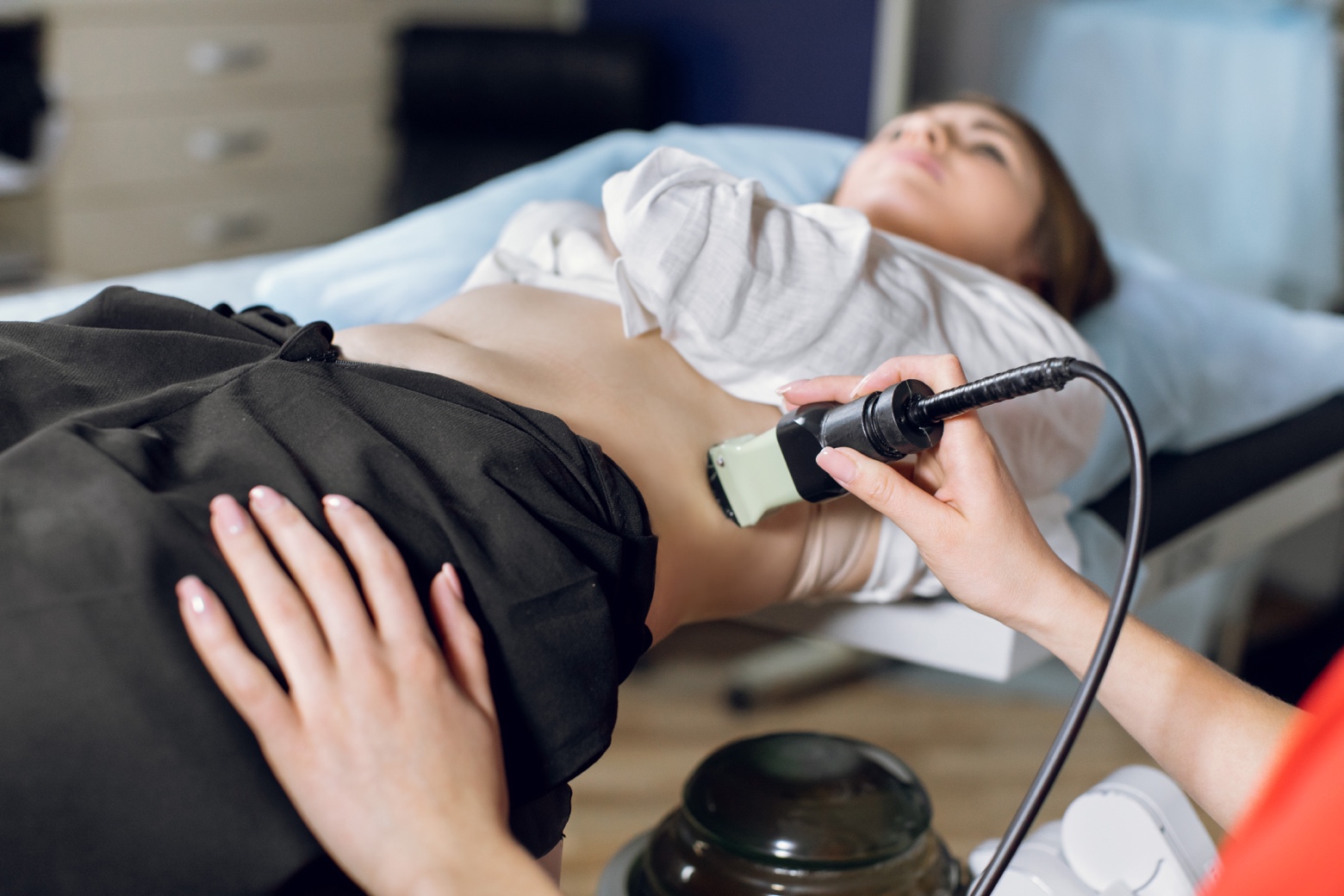
- Imaging tests: Include X-rays, CT scans, and ultrasounds. These help visualise the stones and determine their size and location.
What is the treatment for kidney stones?
The treatment for kidney stones depends on the size and location of the stone and the severity of the symptoms. The most common treatment options are:
- Watchful waiting: For small stones, the doctor may recommend drinking plenty of water and waiting for the stone to pass naturally.
- Medications: Used to relieve pain and relax the muscles of the ureters, facilitating the passage of the stone.
- Extracorporeal shock wave lithotripsy (ESWL): A non-invasive procedure that uses shock waves to break the stones into smaller fragments that can be passed in the urine.
- Ureteroscopy: A minimally invasive procedure in which a thin tube (ureteroscope) is inserted into the ureters to remove or break up the stones with a laser.
- Percutaneous nephrolithotomy: A procedure recommended for larger stones. It involves a small incision in the back to access the kidney and remove the stone directly.
How to prevent kidney stones?
Kidney stones are a common health problem that can cause significant pain and affect your well-being. Although it is not always possible to prevent them, there are simple measures you can take to reduce the risk of developing them. Prevention is key to avoiding their formation. Some preventive measures include:
- Drinking enough water (at least 2 litres per day).
- Limiting salt and animal protein intake.
- Maintaining a healthy weight.
- Restrict consumption of oxalate-rich foods such as spinach, rhubarb, and beetroot.
- Ensuring you get enough calcium through foods like dairy products. Avoid supplements unless recommended by your doctor.
Why is it important to recognise the symptoms of kidney stones?
Kidney stones can cause severe pain and even complications if not treated in time. Recognising symptoms, such as sharp pain in the lower back or abdomen, will help you seek medical attention promptly.
At HM Hospitals, our team of specialised urologists and nephrologists has years of experience diagnosing and treating kidney stones. We use the most advanced techniques to provide effective treatment and minimise discomfort with a personalised approach.
If you experience symptoms indicative of kidney stones, do not hesitate to contact us. We are here to provide the best care and help you regain your health and well-being.
Your kidney health is essential for your overall well-being. Remember to stay well-hydrated, follow a balanced diet, and pay attention to your body’s signals. With the proper care, you can prevent the formation of kidney stones and maintain healthy kidneys in the long term.
Remember, this article is for informational purposes only and does not replace medical consultation. If you have any questions, consult a healthcare professional.