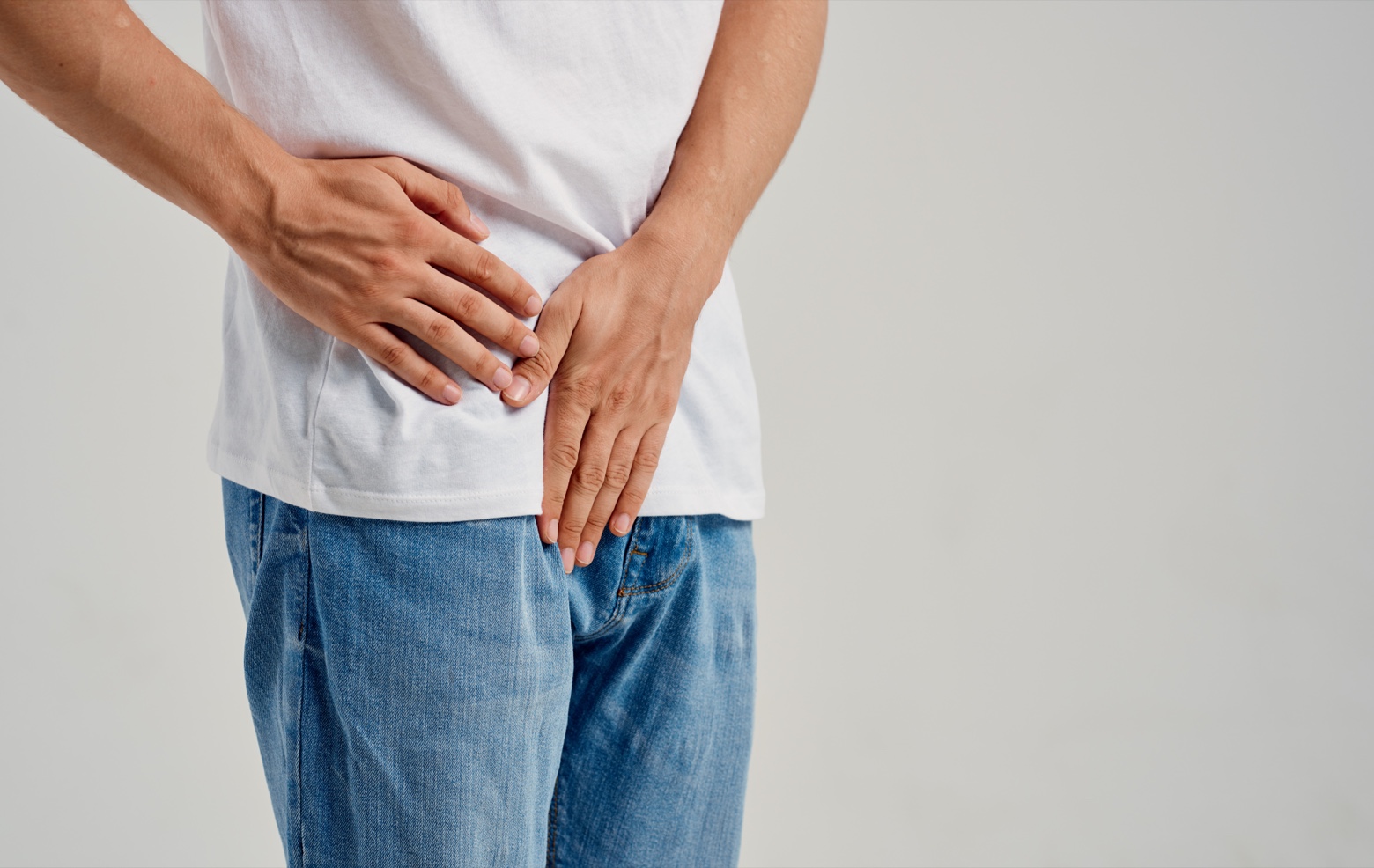
Chronic non-bacterial prostatitis/chronic pelvic pain syndrome (CP/CPPS) is a common urological condition with complex and multifactorial development and perpetuation mechanisms.
Although progress has been made in understanding the infectious and non-infectious causes of this condition, psychosocial factors such as anxiety and emotional disorders appear to play a significant role in exacerbating symptoms. This article provides a detailed overview of chronic non-bacterial prostatitis/chronic pelvic pain syndrome, describing its symptoms, the potential psychological influences on its development, and evidence-based therapeutic approaches.
What is chronic non-bacterial prostatitis?
Chronic non-bacterial prostatitis (CNBP) is characterised by chronic pelvic pain and urinary symptoms without an identifiable bacterial cause in urine or semen tests. Unlike bacterial prostatitis, where the cause is an infection, CNBP is not associated with pathogens, but its symptoms can mimic a prostate infection, making diagnosis more complex. Research suggests that psychosocial factors, such as emotional stress and dysfunctions in the neuroendocrine response, may contribute to the development and chronicity of this condition. It is more common in young and middle-aged men.
What are the symptoms of chronic non-bacterial prostatitis?
CNBP presents a variety of symptoms that can complicate its diagnosis, as they are often confused with other conditions. Additionally, each patient may experience different symptoms; some may have mild and occasional discomfort, while others may suffer from persistent pain that affects their quality of life. It is important to note that, despite being called “prostatitis,” prostate inflammation is not always detectable. This term encompasses a set of symptoms related to the prostate and pelvic area. The most common symptoms include:
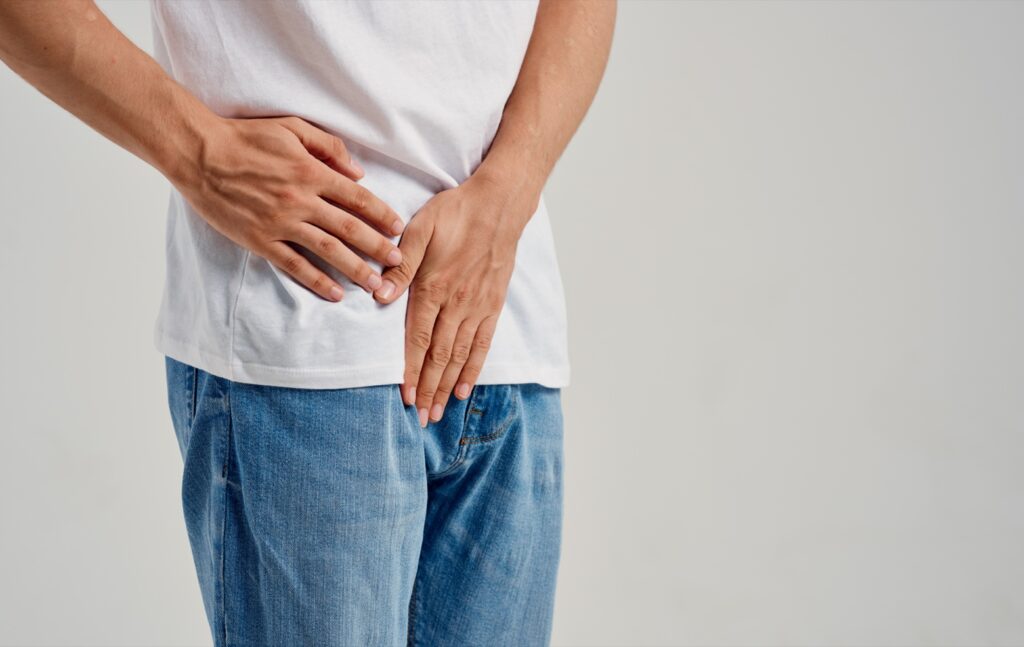
- Chronic pelvic pain: Pain in the pelvic region or lower back is one of the most characteristic signs. The pain may be continuous or intermittent and tends to intensify during periods of anxiety or emotional stress.
- Urinary discomfort and symptoms: These include burning, frequent and urgent need to urinate, weak or interrupted urine flow, and a sensation of not fully emptying the bladder.
- Sexual dysfunction: In some cases, men may experience genital pain, erectile dysfunction, or discomfort during sexual activity.
How do psychological factors influence chronic non-bacterial prostatitis?
Although the exact relationship between psychological factors and chronic non-bacterial prostatitis/chronic pelvic pain syndrome is not fully understood, various theories suggest that stress and anxiety play a crucial role in exacerbating symptoms. The stress response, both physical and emotional, has a significant impact on the body, particularly on the muscles and nervous system, and this effect is believed to contribute directly to the onset or worsening of symptoms in these patients.
One of the most studied mechanisms is pelvic floor muscle tension. During acute or chronic stress episodes, the body responds by activating a series of physiological mechanisms that cause involuntary contraction of the pelvic floor muscles, which play a key role in supporting the bladder, prostate, and rectum. This prolonged muscle contraction can lead to local irritation of the prostate and surrounding nerves, which, in turn, contributes to chronic pelvic pain. Additionally, this muscle tension can alter the normal function of the pelvic floor, increasing pressure on the prostate and nerves, thereby amplifying symptoms such as pain and discomfort during urination or sexual activity.
On the other hand, the hormonal imbalance caused by chronic stress is another relevant factor. Prolonged stress triggers the constant release of cortisol and adrenaline, two hormones that play an essential role in the body’s response to emergencies. However, when these hormones are released persistently, they can adversely affect the body. Cortisol, the stress hormone, can suppress the immune system, making it harder for the body to fight infections or inflammation. Furthermore, prolonged increases in cortisol negatively affect hormonal homeostasis, which could exacerbate inflammation in the pelvic area and contribute to chronic prostate pain.
Additionally, the presence of psychological disorders such as anxiety and depression can alter the way the body perceives pain. Patients with high levels of anxiety or depression may experience an amplification of pain perception due to changes in central pain modulation, a process by which the brain interprets and responds to pain signals. In these cases, the central nervous system becomes more sensitive to painful stimuli, making the pain associated with chronic non-bacterial prostatitis/chronic pelvic pain syndrome more intense and challenging to manage. This phenomenon contributes to the chronic discomfort experienced by patients and the difficulty in finding relief through conventional treatments.
Therefore, the interaction between these psychological and physiological factors creates a vicious cycle in which stress, muscle tension, hormonal imbalance, and altered pain perception reinforce each other, worsening the symptoms of chronic non-bacterial prostatitis/chronic pelvic pain syndrome. This complex relationship highlights the importance of a therapeutic approach that considers the physical aspects of the disease and the psychological and emotional factors that may be influencing the perpetuation of symptoms.
How is chronic non-bacterial prostatitis diagnosed?
Diagnosing chronic prostatitis can be challenging, as its symptoms are often similar to other prostatitis, such as bacterial prostatitis. There is no specific or conclusive test for its diagnosis. Therefore, the doctor will typically follow a process of elimination to differentiate this condition from other possible causes with similar symptoms.
- Medical history and physical examination: The first step in diagnosis is usually a complete physical examination. The specialist will ask about your symptoms, their duration, intensity, and any other health issues you may have.
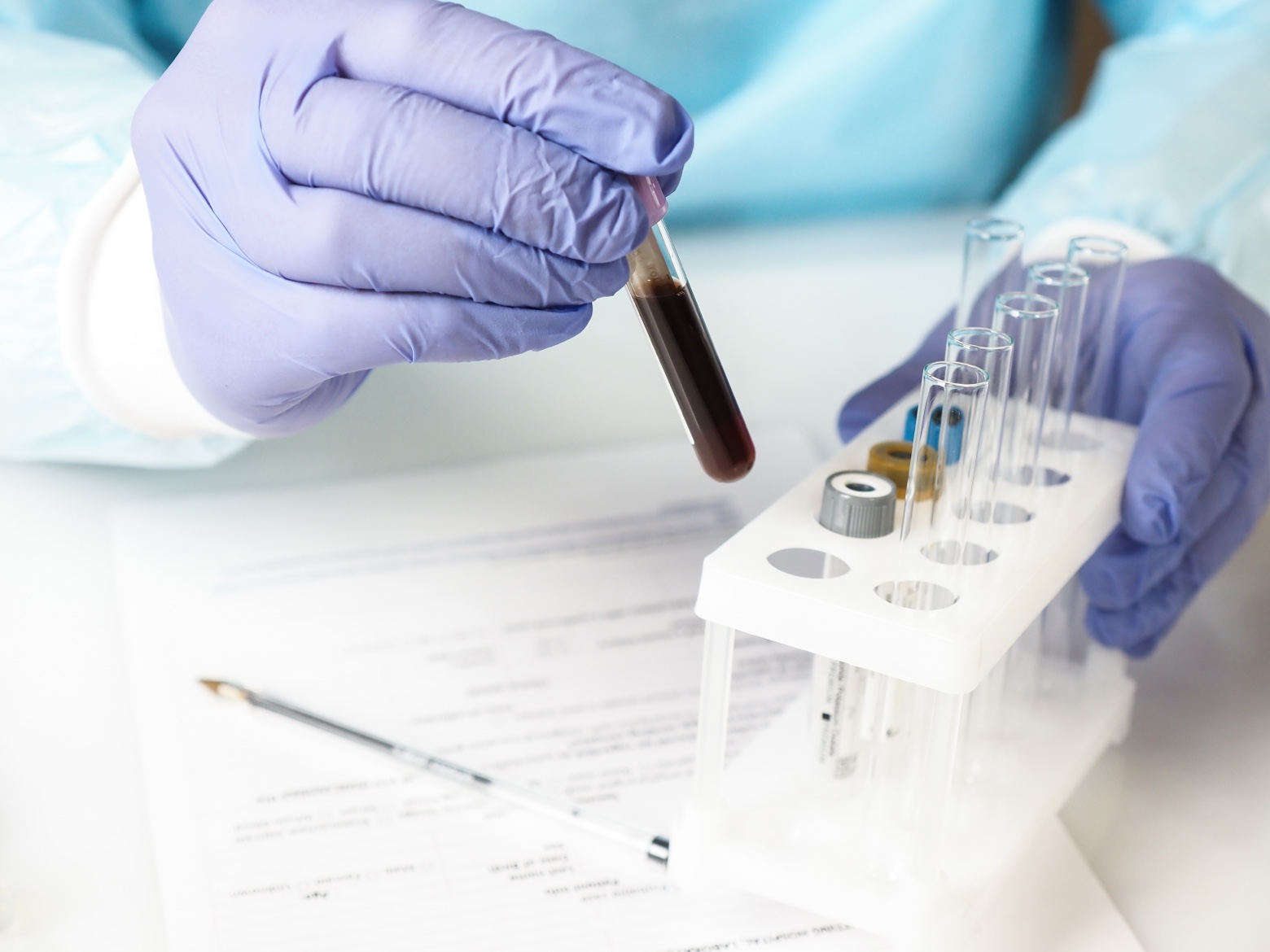
- Laboratory tests are essential to rule out a bacterial infection, which requires different treatment. Therefore, you may be asked to provide blood, urine, and, in some cases, semen samples to test for bacteria or other signs of infection.
- Psychoemotional evaluation: Due to the influence of stress and anxiety on prostatitis, some professionals recommend a psychological evaluation. This may involve consulting a psychologist or psychiatrist to explore potential psychological factors contributing to your symptoms. The emotional assessment can help identify thought patterns or behaviours contributing to stress and develop effective strategies to manage it.
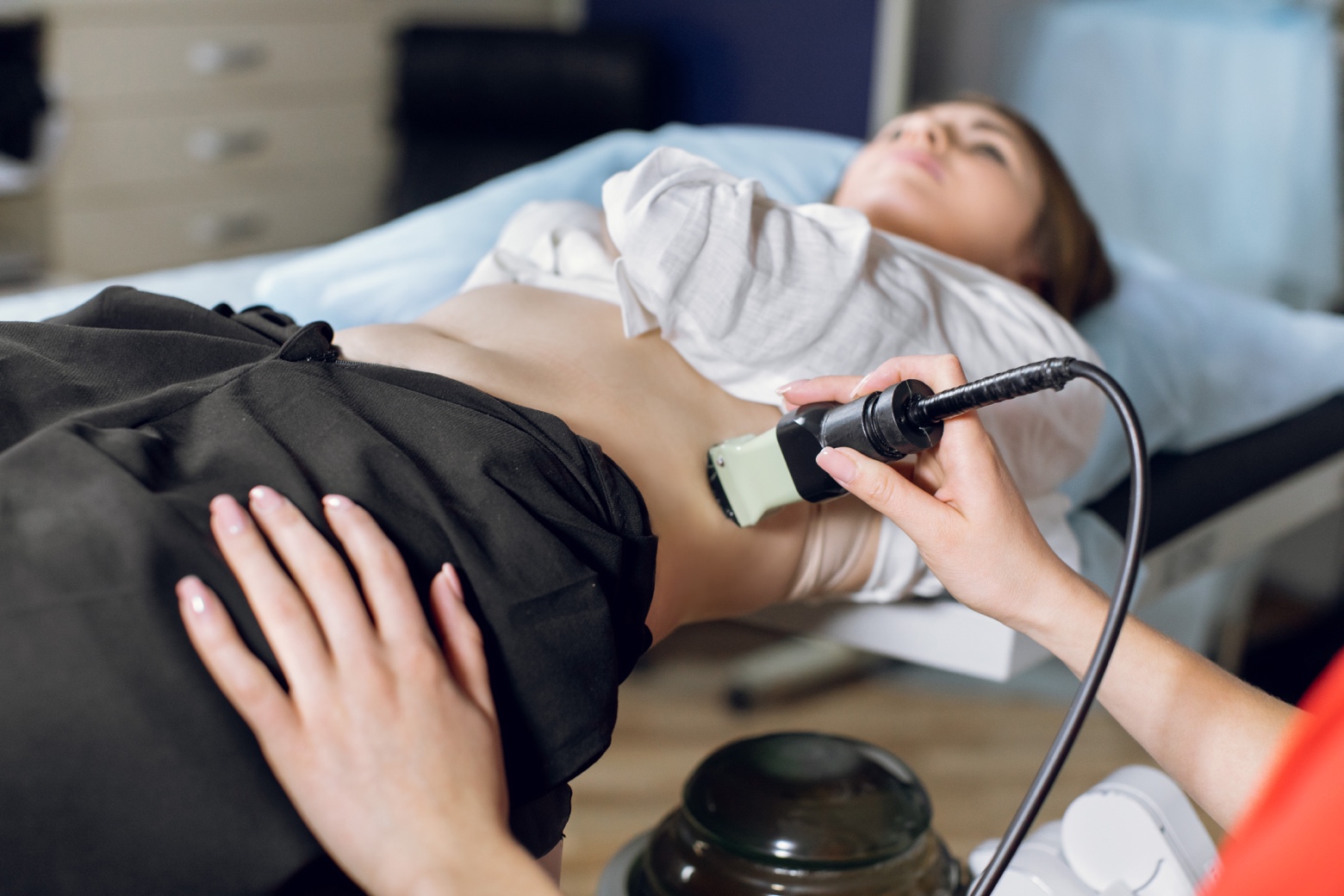
In addition to these steps, the medical team may request other tests to rule out other conditions. Some of these tests include a prostate ultrasound, cystoscopy (to examine the inside of the bladder), or a pelvic MRI. Chronic non-bacterial prostatitis is diagnosed based on a combination of symptoms, physical examination findings, laboratory test results, and the exclusion of other possible causes.
Treatments for chronic non-bacterial prostatitis
Chronic non-bacterial prostatitis can be frustrating and affect physical and psychological well-being, but effective treatments are available to alleviate symptoms and improve your quality of life. The treatment of chronic non-bacterial prostatitis/chronic pelvic pain syndrome is typically multimodal, combining physical, psychological, and pharmacological strategies.
- Pharmacological treatment: Pharmacological treatment should be individualised based on the predominant symptoms. In cases of pelvic pain, non-steroidal anti-inflammatory drugs (NSAIDs) and analgesics help reduce inflammation and relieve pain. If there is tension in the pelvic floor muscles, muscle relaxants can help reduce muscle contraction and alleviate associated discomfort. In patients with significant anxiety or depression, neuromodulators such as tricyclic antidepressants (e.g., amitriptyline) or selective serotonin reuptake inhibitors (SSRIs) can improve both psychological symptoms and pain perception. In cases of urinary dysfunction, alpha-blockers such as tamsulosin or alfuzosin can improve urinary symptoms by reducing tension in the bladder and prostate muscles facilitating urination. To enhance sexual function, phosphodiesterase type 5 inhibitors (e.g., sildenafil) can be used to treat erectile dysfunction, improving the response to sexual stimulation.
- Lifestyle changes: Stress reduction is key to managing chronic non-bacterial prostatitis/chronic pelvic pain syndrome. Integrating relaxation techniques that promote muscle relaxation and emotional balance is recommended. Meditation, yoga, and deep breathing exercises help calm the mind and reduce the activation of the sympathetic nervous system. Regular physical exercise, such as walking or swimming, not only improves physical well-being but also promotes the release of endorphins, hormones that act as natural painkillers and improve mood. Additionally, maintaining a healthy sleep routine and practising stress management techniques, such as mindfulness, can contribute to the overall improvement of symptoms.
- Pelvic floor physiotherapy: Specialised pelvic floor physiotherapy is a fundamental therapeutic tool for treating this condition. Through techniques such as manual therapy, biofeedback, and specific exercises, the goal is to strengthen and relax the pelvic floor muscles, which in many cases may be tense due to chronic pain. A specialist in this field can teach exercises to improve pelvic mobility, reduce pressure on the prostate, and improve blood circulation, which contributes to the relief of pain and discomfort. Additionally, it is advisable to complement the treatment with physical therapies such as radiofrequency and shockwave therapy. Thermal radiofrequency acts on the pelvic soft tissues, promoting tissue regeneration and reducing inflammation, while shockwave therapy can alleviate muscle pain and improve blood circulation, promoting relaxation of the pelvic floor muscles.
Conclusion:
Effective management of chronic non-bacterial prostatitis/chronic pelvic pain syndrome requires a comprehensive approach that considers both physical and psychological factors. Consulting a urological specialist and evaluating emotional and psychological evaluation is essential to establish an appropriate and personalised treatment plan. This multidisciplinary approach can help reduce symptoms, improve quality of life, and restore the patient’s well-being.
If you experience these symptoms persistently, do not hesitate to consult a healthcare professional for an accurate diagnosis and a personalised treatment plan. At HM Hospitals, we are here to support you every step of the way towards better health.
Remember: This article is for informational purposes only and does not replace medical consultation. If you have any questions, consult a healthcare professional.