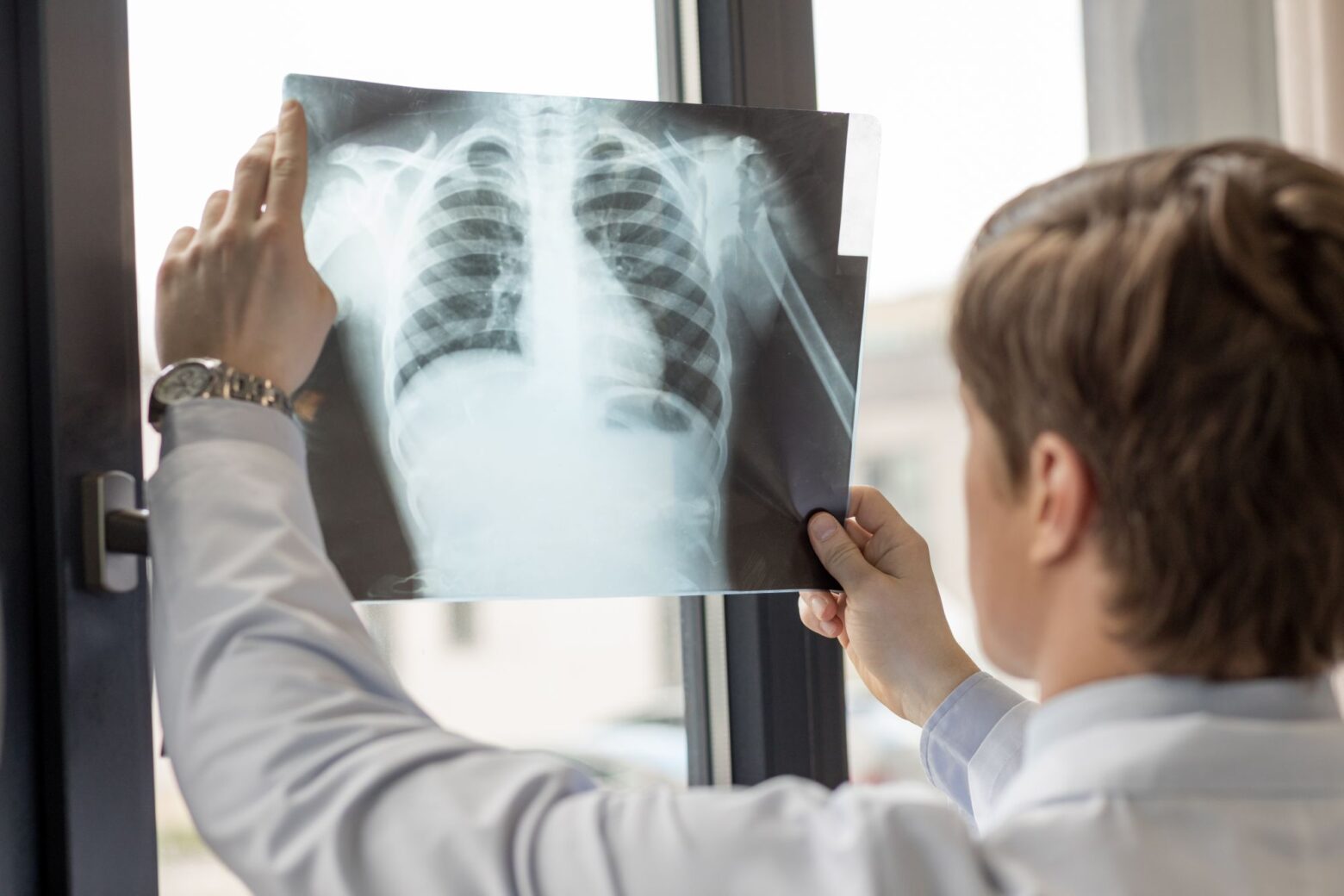
Paraneoplastic neurological syndrome (PNS) is a group of rare diseases that occur when the immune system, designed to fight cancer, mistakenly attacks parts of the nervous system. This erroneous attack can damage the brain, spinal cord, nerves, and muscles. Paraneoplastic neurological syndrome is not a direct result of cancer invading the nervous system, but an indirect response to the presence of the tumor in the body.
The impact of these syndromes on patients’ health can be significant, affecting neurological function, quality of life, and, in some cases, being life-threatening. It is important to highlight that early recognition and proper management of paraneoplastic neurological syndromes can improve patient outcomes and quality of life.
Symptoms of paraneoplastic neurological syndrome
The symptoms of paraneoplastic neurological syndrome are varied and depend on the region of the nervous system affected. Below are some of the most common symptoms experienced by patients:
Difficulty walking or maintaining balance.
Problems with muscle movement, including weakness, stiffness, or spasms.
Difficulty swallowing.
Vision problems.
Memory loss.
Seizures.
Changes in mood or behavior.
Trouble sleeping.
Dizziness and fatigue.
It is important to remember that these symptoms can also be caused by other medical conditions. If you experience any of these symptoms, it is essential to consult a doctor for an accurate diagnosis.
Classification of paraneoplastic neurological syndrome
The classification of PNS is essential to understanding the diversity of this condition and to guiding the diagnostic and therapeutic approach. PNS is classified according to the part of the nervous system that is affected, and the specific antibodies found in the blood or cerebrospinal fluid.
According to the part of the nervous system affected:
Paraneoplastic encephalomyelitis: it affects both the brain and the spinal cord, causing a wide range of neurological symptoms.
Paraneoplastic limbic encephalitis: it focuses on the brain’s limbic system, affecting memory, behavior, and emotions.
Paraneoplastic cerebellar degeneration: it damages the cerebellum, leading to problems with coordination, balance, and movement.
Paraneoplastic neuropathy: it affects the peripheral nerves, causing pain, numbness, and weakness.
Opsoclonus-myoclonus syndrome: it is characterized by rapid, involuntary eye movements (opsoclonus) and muscle spasms (myoclonus).
By type of associated antibody: some PNSs are associated with specific antibodies that attack nerve cells.
By type of associated cancer: certain types of cancer are more likely to cause certain PNSs.
Causes of paraneoplastic neurological syndrome
Understanding the underlying causes of paraneoplastic neurological syndrome is critical to addressing this condition effectively. PNS is caused by an abnormal immune response to cancer. Instead of attacking only cancer cells, the immune system also attacks healthy nerve cells. The reasons for this abnormal immune response are not fully understood, but it is thought that tumors express proteins similar to those found in the nervous system, leading the immune system to attack both.
Risk factors of paraneoplastic neurological syndrome
Identifying the risk factors associated with paraneoplastic neurological syndrome can help in understanding who is most susceptible to developing this condition. While anyone with cancer can develop PNS, certain factors can increase the risk:
Type of cancer: PNS is more common in people with small cell lung cancer, ovarian cancer, Hodgkin lymphoma, and some other types of cancer.
Sex: certain PNSs are more common in women than in men.
Genetics: some people may have a genetic predisposition to developing PNS.
Complications of paraneoplastic neurological syndrome
Complications arising from PNS can have a significant impact on the health and well-being of patients. PNS can cause a variety of complications, including:
Progressive neurological deterioration: depending on the region of the nervous system affected, patients may experience a gradual decline in motor, sensory, or cognitive functions. This can manifest as muscle weakness, difficulty coordinating movements, loss of sensation, memory problems, and speech difficulties.
Physical disability: involvement of the nervous system can lead to significant disability, limiting the patient’s ability to perform everyday activities such as walking, dressing, or eating. In some cases, the use of assistive devices or long-term care may be necessary.
Cognitive problems: PNSs can affect the ability to think clearly, remember information, and concentrate. This can make it difficult to work, study, and participate in social activities.
Emotional and behavioral disturbances: changes in the brain can cause mood disturbances, such as depression, anxiety, irritability, or personality changes. Behavioral problems may also arise, such as agitation, confusion, or hallucinations.
Epileptic seizures: some PNSs can increase the risk of seizures, which can be focal or generalized. Seizures can be controlled with medication, but they can significantly affect quality of life.
Autonomic dysfunction: damage to the autonomic nervous system can cause problems with regulating blood pressure, heart rate, sweating, bowel function, and bladder control. This can manifest as dizziness, constipation, diarrhea, incontinence, or difficulty urinating.
Chronic pain: paraneoplastic neuropathy can cause chronic and persistent pain, which can be difficult to treat and significantly affect quality of life.
It is important to seek medical advice if you suspect you have a paraneoplastic neurological syndrome. Early diagnosis and treatment can help to minimize complications and improve the prognosis.
Diagnosis of paraneoplastic neurological syndrome
The diagnosis of PNS is essential for starting the most appropriate course of treatment and improving the patient’s prognosis. Diagnosing PNS can be challenging, as the symptoms can be similar to those of other neurological conditions. The diagnostic process generally includes:
Neurological examination: the doctor will assess your neurological function, including your reflexes, muscle strength, coordination, sensation, and cognition.
Blood tests: blood tests can be performed to look for antibodies associated with paraneoplastic neurological syndromes.
Lumbar puncture: a sample of cerebrospinal fluid (CSF) is extracted for analysis. The CSF may show signs of inflammation or antibodies.
Electromyogram: study of peripheral nerves and muscles in some cases of PNS.
Electroencephalogram: study of brain electrical activity that is affected in PNS that present with encephalitis.
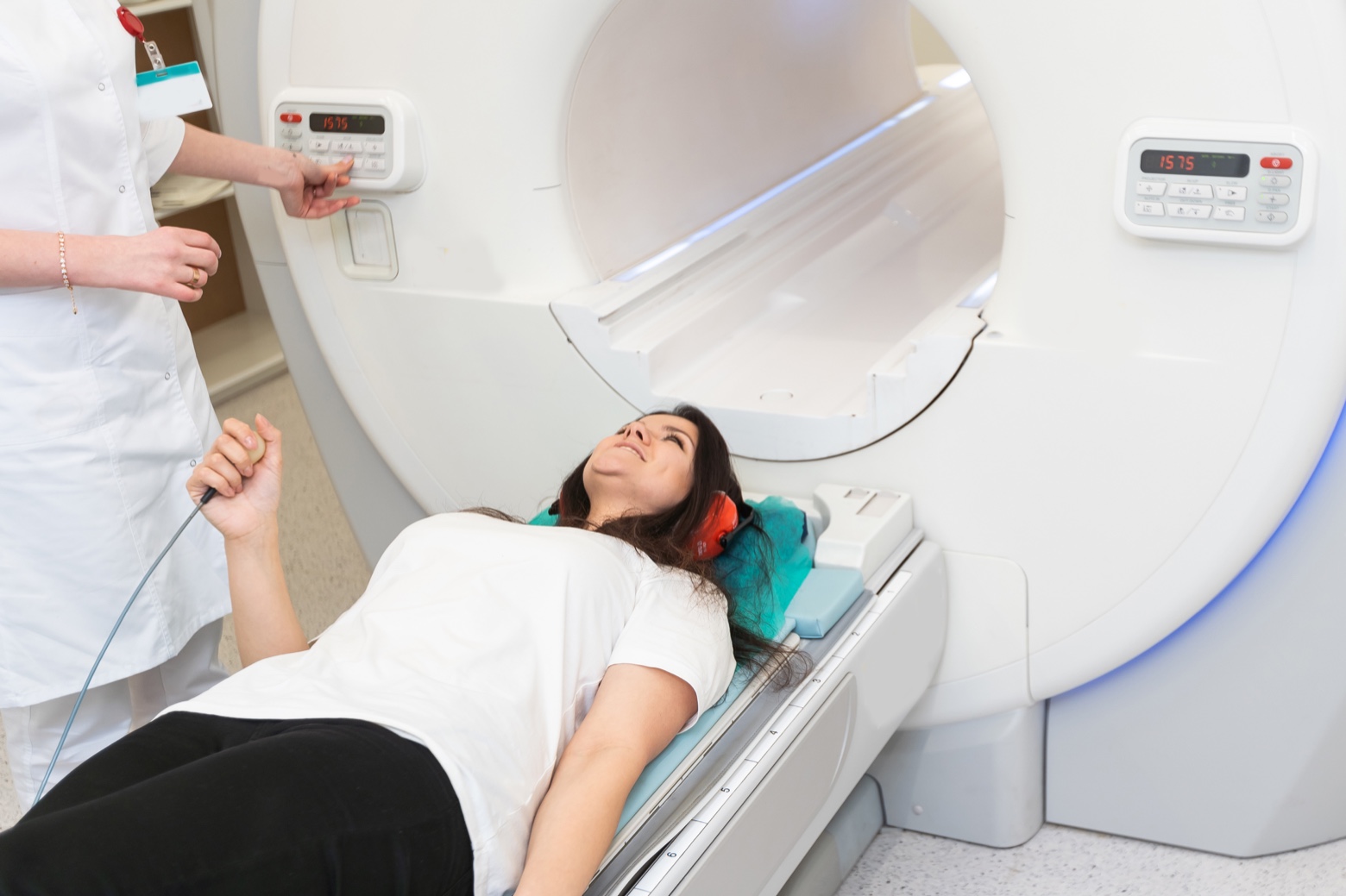
Magnetic Resonance Imaging (MRI): an MRI of the brain or spinal cord may show areas of inflammation or damage.
Positron Emission Tomography (PET): it can help identify the location of the cancer.
Treatment of paraneoplastic neurological syndrome
The therapeutic approach to paraneoplastic neurological syndrome is based on addressing both the underlying cancer and the immune response that triggers the disease. Treatment for PNS focuses on:
Cancer treatment: cancer treatment is essential for controlling the immune response that causes PNS. Treatment options may include surgery, chemotherapy, radiotherapy, or immunotherapy.
Suppression of the immune system: medications can be used to suppress the immune system and reduce the attack on nerve cells. These medications may include corticosteroids, intravenous immunoglobulins (IVIG), plasmapheresis, and other immunosuppressants.
Relief from symptoms: medications and therapies can be used to relieve PNS symptoms, such as pain, movement problems, and cognitive problems.
At HM Hospitales, a multidisciplinary team of healthcare professionals, including oncologists, neurologists, radiation therapists, and other specialists, works together to provide the best possible care for the patient.
Remember that this article is for informational purposes only and does not replace professional medical advice. If you suspect you have a paraneoplastic neurological syndrome, consult a specialist to obtain an accurate diagnosis and a treatment plan tailored to your needs. s.
Our doctors
Contact and make an appointment with the professionals in this area