Lung cancer, often silent in its early stages, can develop stealthily over the years, hiding its symptoms until the disease has significantly progressed.
However, our body sends us early signals that, if we learn to interpret, can make a difference. In this article, we teach you how to recognise those first warning signs so you can act in time. A persistent cough, for example, can be a wake-up call that we should not ignore. The earlier the disease is detected, the greater the chances of successful treatment.
What are the early symptoms of lung cancer?
Lung cancer is a disease in which malignant cells multiply uncontrollably in the tissues of the lung. In its early stages, lung cancer often does not present obvious symptoms. However, a series of warning signs may appear as the disease progresses. Identifying these early symptoms is crucial to seeing a doctor as soon as possible and obtaining an accurate diagnosis.
- Persistent cough: A cough is the body’s natural way of clearing the airways. However, a cough that persists for several weeks or worsens over time, primarily if unrelated to a cold, flu, or other respiratory illness, can be an early sign of lung cancer. Pay attention to:
- Coughing up blood or rust-coloured sputum: This symptom, though not always present, is a significant warning sign that requires immediate medical attention. The blood can range from small streaks to a more significant amount and may be bright red or darker.
- Chest pain when coughing or breathing: The pain can be sharp or dull and may worsen when taking deep breaths or coughing. This symptom may indicate that the tumour is irritating lung tissues or the pleura, the membranes that line the lungs and chest cavity.
- Shortness of breath (dyspnoea): A feeling of breathlessness, even at rest, or becoming out of breath after physical activities that were once easy, can be a sign to watch for. As the tumour grows, it can obstruct the airways or pressure the lungs, making breathing difficult.
- Persistent pain in the chest, back, or shoulders: Lung cancer can cause pain in these areas, especially if the tumour presses on nerves or nearby organs. This pain can be constant or intermittent and may worsen when taking deep breaths, coughing, or laughing. It is essential to differentiate this pain from common muscle pain, as it is usually more profound and persistent.
- Hoarseness or changes in voice: Persistent hoarseness or changes in voice, without an apparent cause like a cold or flu, can be a sign of lung cancer, especially in smokers. This may occur because the tumour can affect the recurrent laryngeal nerve, which controls the vocal cords, causing hoarseness or changes in voice tone.
- Chronic fatigue: Fatigue associated with lung cancer differs from normal tiredness felt after a long day. It is a deep and persistent fatigue that does not improve with rest and can interfere with daily activities.
- Unexplained weight loss: Losing weight without an apparent reason, especially if accompanied by other symptoms, can be a warning sign. Cancer cells can release substances that affect metabolism and appetite, leading to weight loss.
- Recurrent respiratory infections: People with lung cancer may be more prone to developing respiratory infections, such as bronchitis or pneumonia. This happens because cancer can weaken the immune system, making it harder to fight infections.
Risk factors for developing lung cancer

Lung cancer can affect anyone, but certain factors increase the risk of developing it. Knowing these factors is key to taking preventive measures and reducing the risk. These include:
- Smoking: Smoking is the leading risk factor for lung cancer, responsible for approximately 80% of cases. The longer and more heavily you smoke, the greater the risk.
- Second-hand smoke exposure: Inhaling smoke from other people’s tobacco also increases the risk of lung cancer, even in non-smokers.
- Exposure to carcinogens: Being in contact with carcinogenic substances, such as asbestos, radon, arsenic, and chromium, increases the risk of developing lung cancer. These substances may be present in specific work environments, so you must take protective measures if you work in high-risk industries.
- Family history of lung cancer: Having close relatives who have been diagnosed with lung cancer may increase your risk, possibly due to shared genetic and environmental factors.
While some risk factors, such as genetics, cannot be controlled, there are others you can act on. Making healthy choices and being informed about potential sources of risk can help protect your health.
What should you do if you notice early symptoms of lung cancer?
Experiencing some of the early symptoms of lung cancer does not necessarily mean you have the disease. However, taking these warning signs seriously and seeking medical attention as soon as possible is crucial. Ignoring symptoms complicates diagnosis and treatment.
- Stay calm: It is expected to feel concerned. However, remember that many of these symptoms can be caused by less severe conditions. The important thing is to seek medical attention and receive a proper evaluation.
- Consult your healthcare professional: They will be your first point of contact. Describe your symptoms in detail, including when they started, their frequency, and any other recent changes in your health. It is also essential to mention your medical history, such as whether you are a smoker or have been exposed to carcinogens.
- Prepare for the appointment: Before attending, write down your questions and concerns so you don’t forget any details during the consultation. Make a list of the medications you are taking, including vitamins and supplements, and if possible, ask a family member or friend to accompany you. Their support can be valuable for taking notes and providing reassurance.
Importance of medical consultation and diagnostic tests
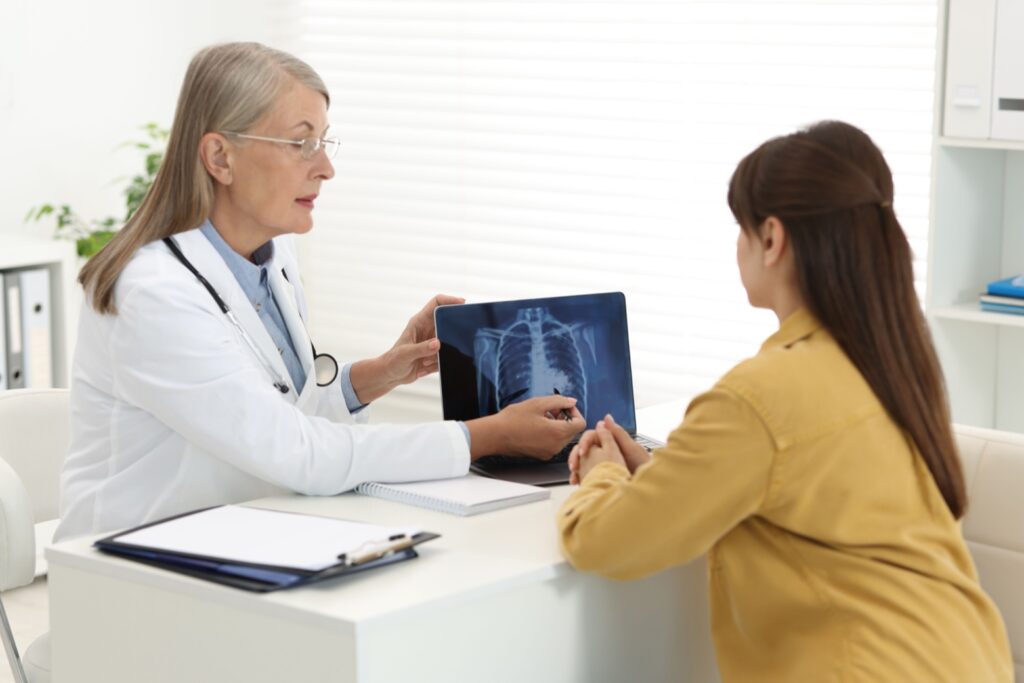
During the consultation, your GP will perform a physical examination and review your medical history and habits. Depending on your symptoms and history, they may refer you to a pulmonologist for a more detailed and accurate evaluation.
The pulmonologist may recommend additional tests to determine the cause of your symptoms, such as:
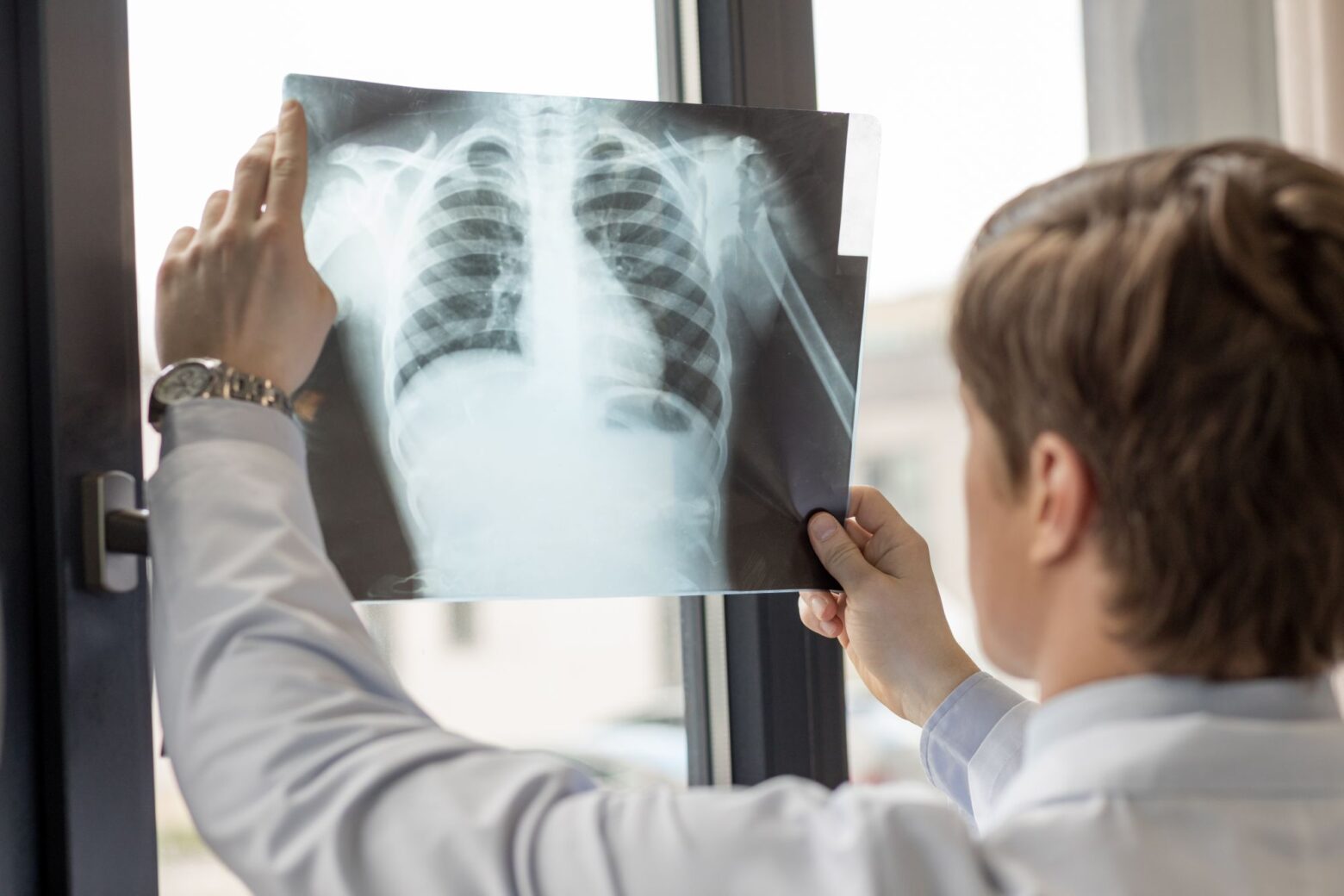
- Chest X-ray: Allows visualisation of possible tumours or nodules in the lungs.
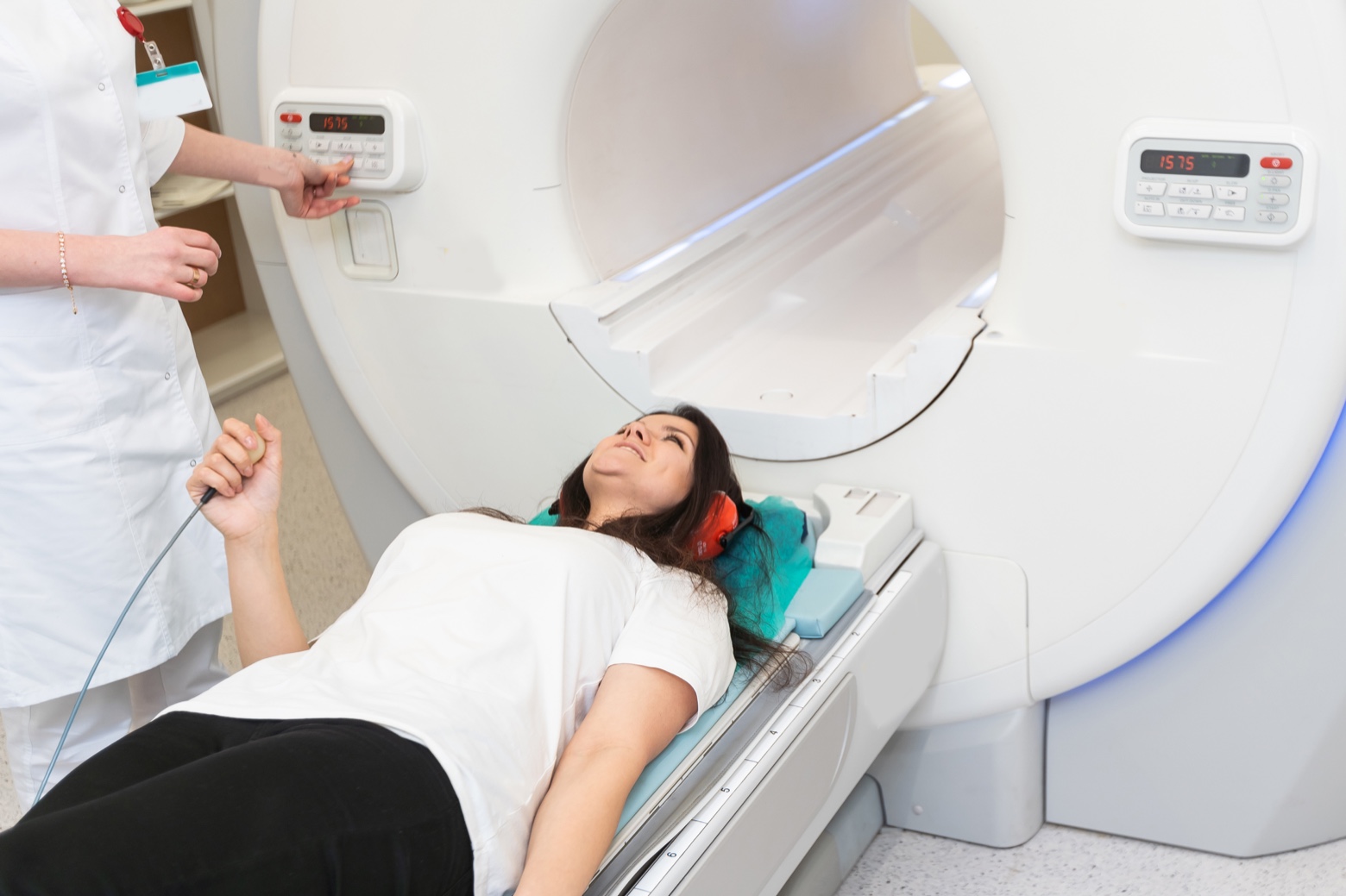
- Computed tomography (CT) scan: Provides more detailed images of the lungs, helping to determine the size, shape, and location of the tumour.
- Sputum cytology: Analyses a sample of sputum for cancer cells.
- Bronchoscopy: A procedure that allows the doctor to visualise the inside of the airways and obtain tissue samples for biopsy.
- Biopsy: This procedure involves removing a small sample of lung tissue to examine it under a microscope and confirm a cancer diagnosis.
Early detection is crucial to increasing the chances of successful treatment for lung cancer. A timely diagnosis can make a significant difference in a patient’s life. Remember that this article is for informational purposes only and does not replace consultation with a healthcare professional.
At HM Hospitals, we have a team of highly qualified specialists in pulmonology and oncology for the diagnosis and treatment of lung cancer. If you have any concerns or would like to request an appointment, we are here to help.
Remember, this article is educational and does not replace medical consultation. If you have any doubts, consult a healthcare professional.