In the field of oncology, early detection of cancer is crucial for successful treatment. Traditionally, tissue biopsies have been the standard method for diagnosing cancer.
However, a revolutionary technological advancement, liquid biopsy, is changing how this disease is diagnosed and treated. This article will explore what liquid biopsy is, how it is performed, what types of cancer it can help detect, and its advantages and limitations.
What is a liquid biopsy?
A liquid biopsy is a blood, urine, or other bodily fluid test that looks for traces of cancer in the blood. Unlike traditional tissue biopsies, which require an invasive tissue sample removal procedure, a liquid biopsy is minimally invasive. This test looks for small amounts of tumour genetic material, such as circulating tumour DNA (ctDNA), circulating tumour RNA, or circulating tumour cells (CTCs), which are released from tumours into the blood or other fluids. By analyzing these biomarkers, doctors can obtain valuable information, including the type of cancer, the tumour’s aggressiveness, and the treatment response.
How is a liquid biopsy performed?
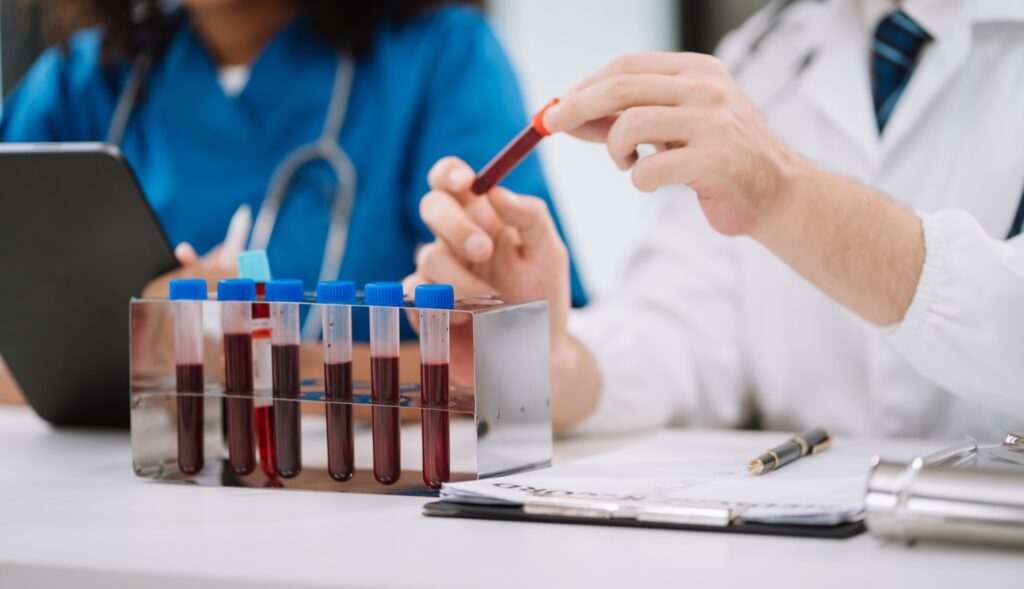
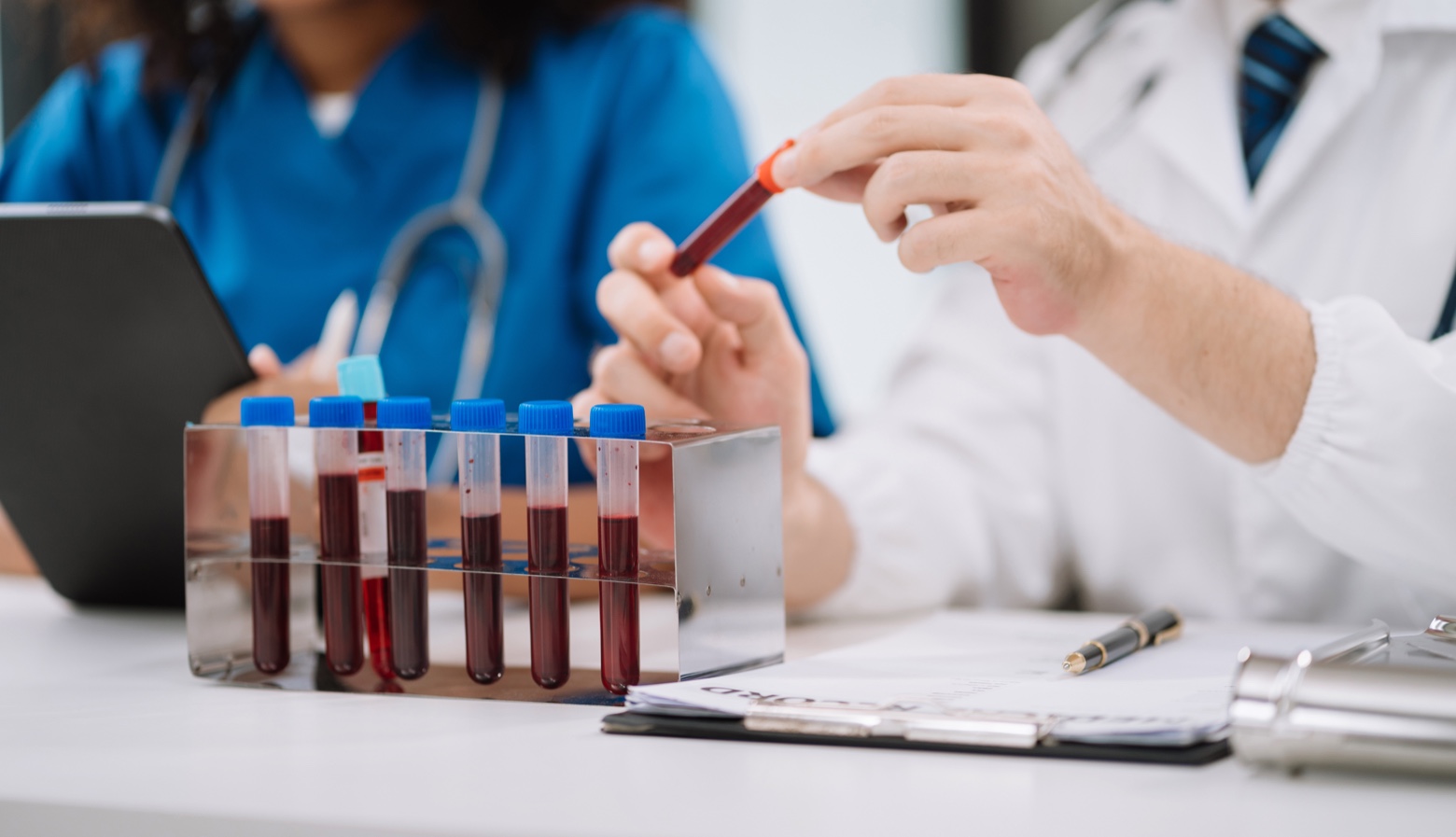
The procedure for performing a liquid biopsy is similar to any non-invasive test. A healthcare professional will draw a blood sample or perform the procedure to obtain the corresponding sample and send it to a specialized laboratory, where it is analyzed for tumour biomarkers. The liquid biopsy results are usually available within a couple of weeks.
What types of cancer can liquid biopsy help detect?

Liquid biopsy is becoming a fundamental tool for detecting and managing various types of cancer. Its ability to identify tumour biomarkers in the blood allows for earlier diagnosis, more precise monitoring of disease progression, and better selection of therapies.
- Colorectal cancer
Liquid biopsy is used in colorectal cancer to:
- Early detection of recurrences: After surgery, liquid biopsy can detect the reappearance of colorectal cancer earlier than other methods, allowing for early intervention.
- Monitoring treatment response: Liquid biopsy can help assess the effectiveness of chemotherapy and guide therapeutic decisions.
- Identification of predictive biomarkers: Liquid biopsy can help identify patients who will benefit from specific therapies.
- Lung cancer
Lung cancer is one of the leading causes of cancer death worldwide. Liquid biopsy has become a complementary tool for this type of cancer, especially for:
- Identification of actionable mutations: Liquid biopsy can detect specific mutations in genes such as EGFR, ALK, ROS1, and BRAF, which are therapeutic targets for targeted therapies. This allows oncologists to personalize treatment and select the most effective drugs for each patient.
- Monitoring treatment response: Liquid biopsy is currently under investigation to evaluate the patient’s response to therapy in real-time, detecting the emergence of drug resistance and allowing for treatment adjustments.
- Early detection of recurrences: Liquid biopsy could detect the reappearance of lung cancer earlier than conventional imaging tests, allowing for early intervention.
- Breast cancer
In breast cancer, liquid biopsy is used to:
- Identify actionable mutations: Liquid biopsy can detect specific mutations, such as ESR1, PI3KA, AKT, and PTEN.
- Assess recurrence risk: Liquid biopsy can help identify patients at higher risk of recurrence, allowing for closer monitoring. However, treatment decisions should not be based solely on the test results at this time.
- Detect metastases: Liquid biopsy can detect circulating tumour cells in the blood, which may predict a radiological relapse.
- Other detectable cancer types
Liquid biopsy is also under investigation to diagnose and monitor up to 70 different types of tumours, including pancreatic, prostate, thyroid, melanoma, bladder, stomach, liver, brain tumours, and many more.
It is important to note that liquid biopsy is a constantly evolving technology. As research advances, its applications are likely to expand to more types of cancer, and its accuracy and sensitivity are expected to improve further. This makes liquid biopsy a promising tool for the future of cancer diagnosis and treatment.
Advantages and limitations of liquid biopsy
Liquid biopsy offers several significant advantages over traditional tissue biopsies, including:
- Minimally invasive: Unlike tissue biopsies, which can be painful and carry risks, liquid biopsy is a simple and minimally invasive procedure.
- Early detection: Liquid biopsy can detect cancer at earlier stages when treatment is more effective.
- Disease monitoring: It allows for monitoring treatment response and detecting cancer recurrences earlier than conventional imaging techniques.
- Personalized information: It provides valuable information about the tumour’s genetic characteristics, enabling more personalized and targeted treatment.
- Accessibility: It is easier to perform and repeat than tissue biopsies, making monitoring the disease over time easier.
Although liquid biopsy is a promising tool, it still has some limitations:
- Not always able to detect cancer: In some cases, the amount of tumour genetic material in the blood may be too low to be detected by liquid biopsy.
- Does not entirely replace tissue biopsies: In many cases, a tissue biopsy is still needed to confirm the diagnosis and obtain additional information about the tumour.
- Availability: Although it is becoming more widely available, liquid biopsy is not yet performed at all medical centres.
Is liquid biopsy suitable for everyone?

Liquid biopsy is a promising cancer detection and management test, but it is not for everyone. It is beneficial for:
- Monitoring already diagnosed patients allows for evaluating treatment response, detecting recurrences, and tracking disease progression.
- High-risk individuals: It can aid in early detection in high-risk groups, such as smokers or people with a family history of cancer.
- Patients who cannot undergo invasive biopsies: It offers a less aggressive alternative when traditional biopsies are difficult or risky.
Although liquid biopsy is a valuable tool, it does not entirely replace tissue biopsies in all cases. The decision to perform it should be made in consultation with an oncologist based on each patient’s situation.
Consult with specialists
HM Hospitals is committed to innovation and excellence in cancer care. We offer liquid biopsy as a cancer diagnosis and monitoring tool, using cutting-edge technology and a team of highly qualified professionals. If you have any questions about liquid biopsy or are concerned about the possibility of having cancer, do not hesitate to contact us.
Remember: This article is for informational purposes only and does not replace medical consultation. If you have any questions, consult a healthcare professional.