The fight against cancer, a constant battle in the search for more effective and personalised treatments, has taken a significant leap forward with the advent of CAR-T therapy.
This innovative immunotherapy, which uses the patient’s immune cells to combat cancer cells, has revolutionised the treatment of certain types of leukaemia and lymphoma. In this article, we will explore what CAR-T therapy is, how it works, which types of cancer it is indicated for, its benefits, potential side effects, and what the future holds for this promising therapy.
What is CAR-T Therapy?
CAR-T therapy, or chimeric antigen receptor T-cell therapy, is an advanced form of immunotherapy that has transformed the treatment of certain types of cancer, particularly some leukaemias, lymphomas, and multiple myeloma. This groundbreaking therapy uses the patient’s immune system to identify and destroy cancer cells, offering new hope to those who have not responded to conventional treatments.
The process involves genetically modifying the patient’s T-cells, a type of white blood cell crucial to the immune response, so they can specifically recognise and attack cancer cells. The T-cells are extracted from the patient, modified in a laboratory to express a unique receptor called CAR (chimeric antigen receptor) on their surface, and then reinfused into the patient. This receptor allows the modified T-cells to detect and destroy cancer cells more effectively.
How Does CAR-T Therapy Work?
The CAR-T therapy process relies on the ability of the modified T-cells to recognise and attack cancer cells. Below, we explain how it works step by step:
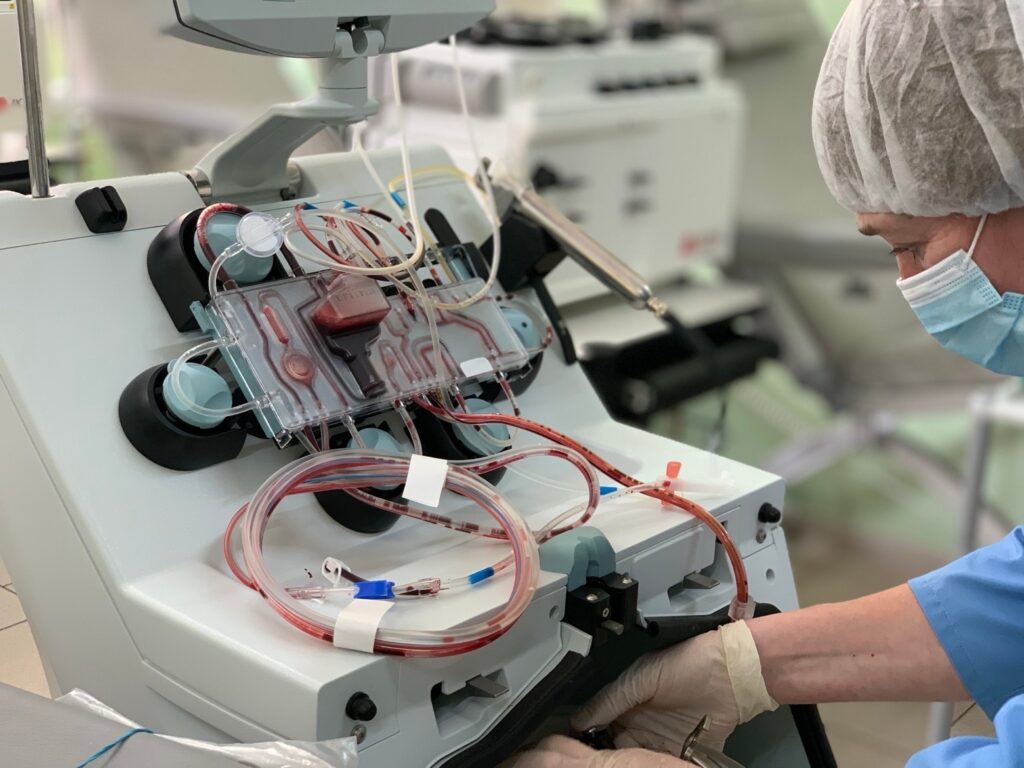
- T-Cell Collection: White blood cells (including T-cells) are extracted from the patient’s blood through a procedure called leukapheresis. T-cells are separated from other blood components during this process, which is similar to but more complex than a blood donation.
- Genetic Modification: The T-cells are genetically modified to express the CAR receptor on their surface in the laboratory. This receptor is designed to recognise a specific antigen present in cancer cells. For example, in the case of acute lymphoblastic leukaemia (ALL), the CAR receptor may target the CD19 antigen found on the surface of leukaemia cells.
- Cell Multiplication: The modified T-cells, called CAR-T cells, are cultured and multiplied in the laboratory to create many cells ready to fight cancer.
- Reinfusion into the Patient: Once enough CAR-T cells have been produced, they are reinfused into the patient via an intravenous line. Before reinfusion, the patient undergoes mild chemotherapy to prepare the immune system and enhance the effectiveness of the CAR-T cells.
- Recognition and Attack of Cancer Cells: Once inside the body, the CAR-T cells circulate through the bloodstream and seek out cancer cells expressing the specific antigen. Upon binding to these cells, the CAR-T cells trigger an immune response that destroys the cancer cells.
This personalised and targeted approach makes CAR-T therapy a promising option for patients with cancers resistant to other treatments. However, like any medical treatment, CAR-T therapy carries risks and side effects that a specialised medical team must carefully manage.
For Which Types of Cancer Is CAR-T Therapy Indicated?
Although revolutionary, CAR-T therapy is not a universal treatment for all types of cancer. Its application focuses on hematologic cancers affecting the blood, bone marrow, and lymphatic system. CAR-T therapy has proven most effective in treating:
- Leukaemia: Specifically, B-cell acute lymphoblastic leukaemia (ALL) in children and adults. It is also being investigated for other types of leukaemia, such as acute myeloid leukaemia (AML).
- Lymphoma: Primarily, diffuse large B-cell lymphoma (DLBCL) is an aggressive type of non-Hodgkin lymphoma. Its efficacy is also being studied in other lymphomas, such as mantle cells and follicular lymphoma.
- Multiple Myeloma: A type of cancer that affects plasma cells in the bone marrow. Already available in our country and awaiting further approvals in the coming months, CAR-T therapy is being used in clinical trials for refractory or relapsed multiple myeloma.
Benefits of CAR-T Therapy
CAR-T therapy has proven highly effective in treating these cancers, achieving complete remissions in patients who had not responded to other treatments. Some of the benefits of CAR-T therapy include:
- Personalised Treatment:CAR-T therapy is based on the patient’s T-cells, making it a highly personalised treatment. Unlike chemotherapy, which affects all cells in the body, both healthy and cancerous, CAR-T therapy specifically targets cancer cells, minimising damage to healthy tissues.
- High Specificity: The CAR receptor is designed to recognise a specific antigen present in cancer cells. This high specificity reduces the risk of harming healthy cells and increases treatment efficacy.
- Potential for Long-Lasting Remissions: CAR-T therapy has shown a remarkable ability to induce complete and long-lasting remissions in patients with hematologic cancers resistant to other treatments. In some cases, CAR-T therapy can even be curative.
- Alternative for Patients with No Other Options: CAR-T therapy offers new hope for patients who have exhausted all other treatment options. It has proven effective in patients who did not respond to chemotherapy, radiotherapy, or bone marrow transplants. However, due to the promising results of clinical trials, CAR-T therapy is increasingly being used in earlier lines of treatment. It is currently one of the main areas of research in haematology.
- Fewer Long-Term Side Effects: While CAR-T therapy can cause significant short-term side effects, such as cytokine release syndrome (CRS), it often has fewer long-term side effects compared to chemotherapy, which can cause cumulative damage to organs and tissues.

Potential Side Effects of CAR-T Therapy
While CAR-T therapy is a promising treatment, it can sometimes cause side effects, some of which can be serious. As a result, patients remain under medical observation for several weeks after receiving the therapy. Some of these potential side effects include:
- Cytokine Release Syndrome (CRS): A systemic inflammatory reaction is caused by multiplying CAR-T cells and stimulating the patient’s immune system. Symptoms may include high fever, chills, nausea, vomiting, difficulty breathing, and low blood pressure.
- Neurological Problems: CAR-T therapy can cause confusion, seizures, difficulty speaking, and other neurological issues.
- Other Serious Side Effects: Allergic reactions during reinfusion, abnormal levels of minerals in the blood, weakened immune system (increasing the risk of infections), and low blood cell counts (causing fatigue and bruising).
What is the Future of CAR-T Therapy?
CAR-T therapy is a rapidly evolving field. Research continues to explore new applications of this therapy for other types of cancer and strategies to improve its efficacy and reduce side effects. It is expected that CAR-T therapy will become a fundamental tool in the fight against cancer in the future.
Consult a Specialist
CAR-T therapy is an innovative immunotherapy that offers new hope to cancer patients resistant to other treatments. While it can cause side effects, its potential benefits are significant. If you have any questions about CAR-T therapy, consult your doctor or a specialist in oncology or haematology. At HM Hospitales, we are at the forefront of cancer treatment innovation and are committed to providing you with the best possible medical care.
Remember: This article is for informational purposes only and does not replace medical consultation. If you have any concerns, consult a healthcare professional.