Bone cancer, or osteosarcoma, though less common than other types of cancer, can affect people of any age. Detecting it early is crucial for effective treatment and a better prognosis.
While a healthcare professional must make a definitive diagnosis, knowing the signs, symptoms, and detection methods can help you seek medical attention promptly. This article will explain how bone cancer is detected, from the first symptoms to the most advanced diagnostic tests.
What is Bone Cancer?
Bone cancer is a type of cancer that originates in bone cells. There are different types of bone cancer, with osteosarcoma being the most common in children and adolescents. Metastases are tumours originating in another part of the body and spreading to other organs.
What Are the Main Symptoms of Bone Cancer?
In its early stages, bone cancer can be challenging to detect, as symptoms are often mild and can be mistaken for less severe conditions. However, paying attention to warning signs and seeking timely medical attention can significantly affect diagnosis and treatment.
The initial symptoms of bone cancer can vary depending on the type of cancer, the location of the tumour, and the stage of the disease. Below are some of the most common symptoms that may indicate a bone-related issue:
- Persistent Pain: Bone pain is the most frequent symptom of bone cancer. Unlike muscle pain, which is usually sharp and localized, bone pain related to cancer can be dull, deep, and persistent. It may worsen at night or with physical activity. Initially, the pain may be intermittent but can become constant over time.
- Tenderness and Swelling: The affected area may be tender to the touch and show swelling. You may notice a lump or palpable mass under the skin.
- Stiffness or Limited Mobility: Bone cancer can affect the joint’s mobility near the tumour, causing stiffness or limited movement.
- Bone Weakness and Fractures: Cancer can weaken the bone, increasing the risk of fractures. A fracture that occurs after minimal trauma or without apparent trauma is known as a pathological fracture and can be a sign of bone cancer.
- Other Symptoms: In some cases, bone cancer can cause other symptoms, such as fatigue, unexplained weight loss, fever, or anaemia. These symptoms are less specific and can be caused by other medical conditions.
How is Bone Cancer Detected?
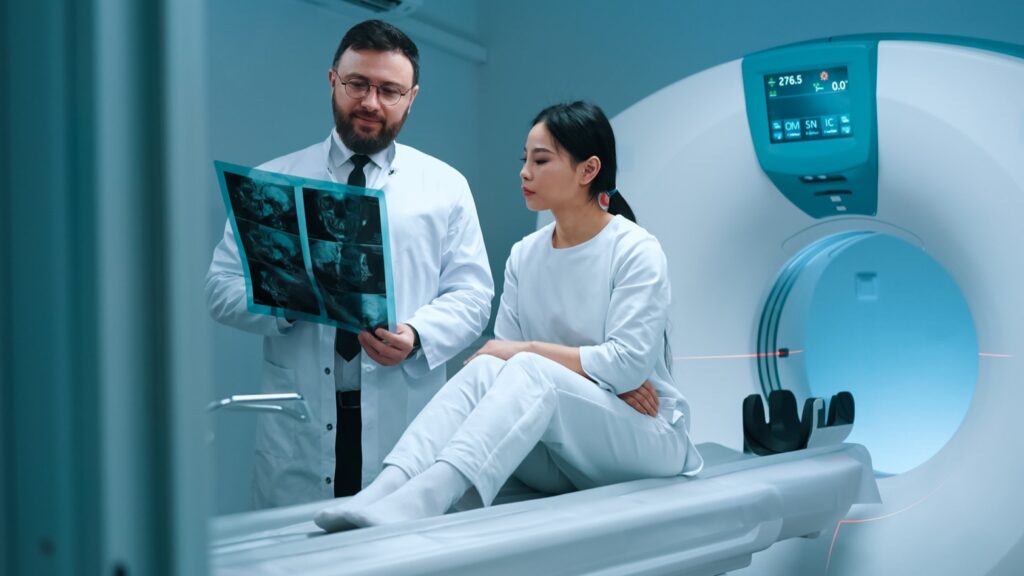
Detecting bone cancer often requires a combination of diagnostic methods, from an initial clinical evaluation to advanced imaging tests. The choice of tests depends on the patient’s symptoms, physical examination findings, and the doctor’s clinical suspicion. Below are the diagnostic tests for bone cancer:
- Physical Examination and Medical History
The initial evaluation of a possible case of bone cancer begins with a thorough physical examination and a detailed review of the patient’s medical history.
- Physical Examination: The doctor will carefully examine the affected area, looking for signs of swelling, tenderness, redness, warmth, limited movement, or palpable masses. They will also assess the mobility of nearby joints and muscle strength.
- Medical History: The doctor will ask about your symptoms, when they started, their intensity, whether anything alleviates or worsens them, and if you have had any recent trauma. They will also inquire about your personal and family medical history, including any history of cancer.
- Imaging Tests
Imaging tests are essential for visualizing bone tissue and detecting potential abnormalities. Below are the most common imaging tests used for detecting bone cancer:
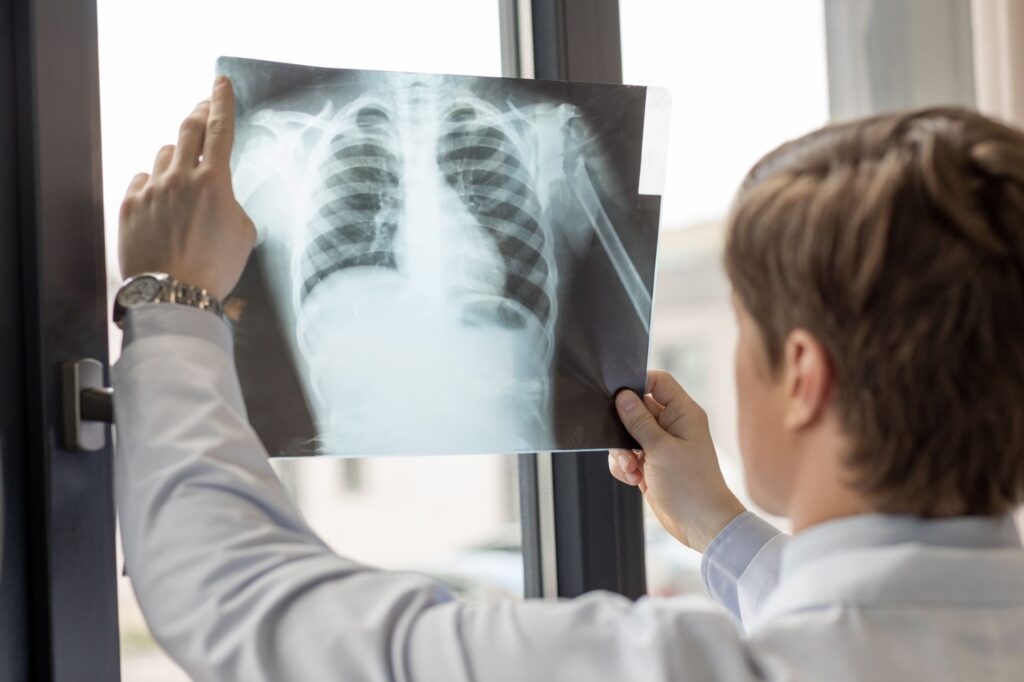
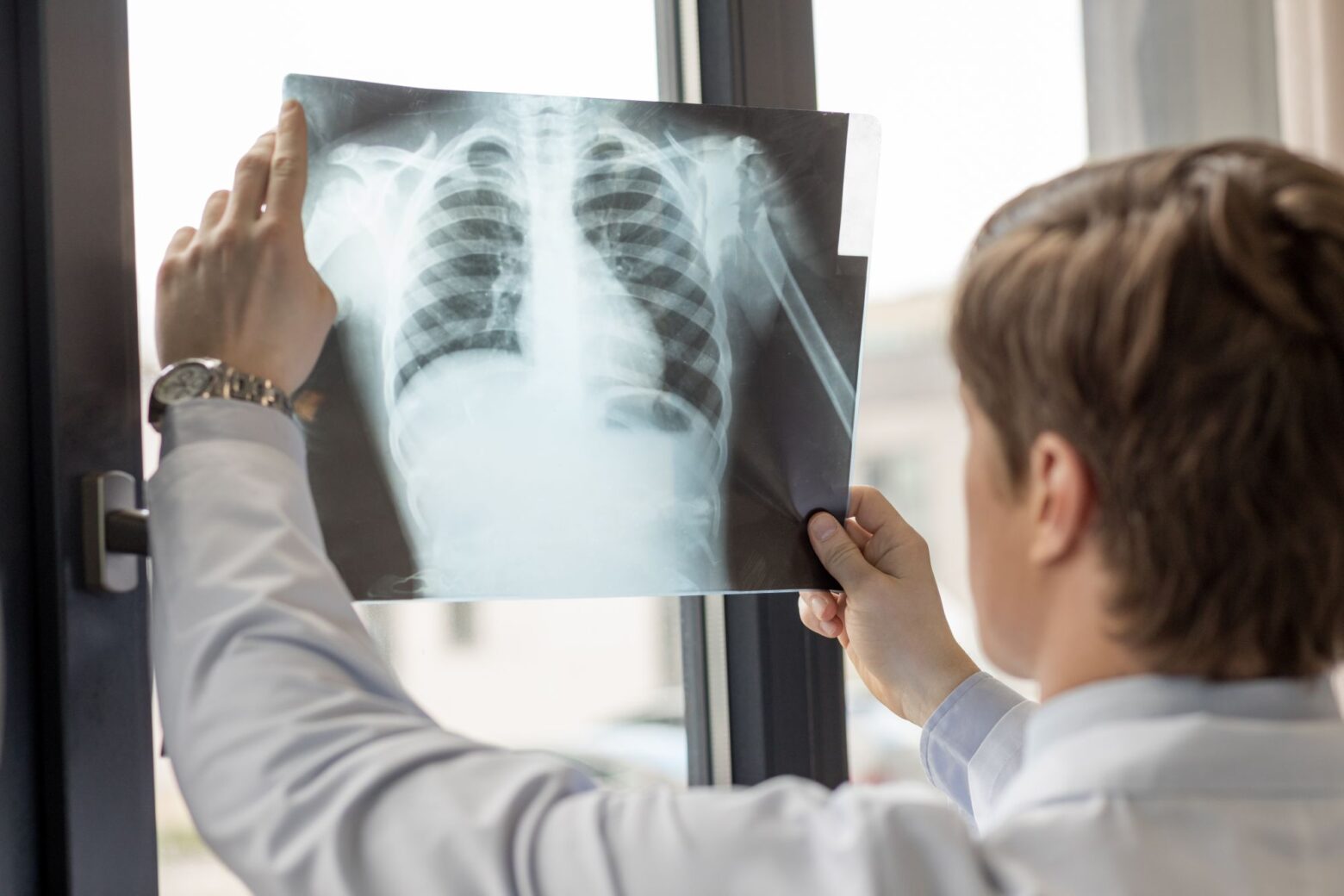
- X-rays: X-rays are usually the first imaging test performed. They provide a two-dimensional image of the bones and can show areas of bone destruction, bone thickening, fractures, or a tumour mass. While X-rays are helpful for initial evaluation, they may not be sensitive enough to detect small or early-stage tumours.
- Computed Tomography (CT): CT scans use X-rays to create cross-sectional images of the body. They provide more detailed images than X-rays and allow visualization of the tumour in three dimensions, assessing its size, location, and extent and detecting the involvement of surrounding soft tissues.
- Magnetic Resonance Imaging (MRI): MRI uses magnetic fields and radio waves to create detailed images of bones and soft tissues. It is more sensitive than CT for detecting small tumours and evaluating the extent of the cancer within the bone and surrounding soft tissues. MRI is beneficial for surgical planning.
- Bone Scan
A bone scan is a nuclear medicine test that uses a small amount of radioactive material called a radiotracer, to detect areas of abnormal bone activity. The radiotracer is injected into a vein and accumulates in areas of increased bone activity, such as growth zones, fractures, and tumours. A special camera detects the radiation emitted by the radiotracer and creates images of the skeleton. Below are the reasons why this test is functional:
- Detecting Bone Metastases: Many tumours from other origins can spread to the bones. A bone scan can detect these metastases before they are visible on X-rays.
- Assessing Cancer Spread: A bone scan can help determine if the cancer has spread to other body parts.
- Monitoring Treatment Response: A bone scan can monitor the cancer’s response to treatment.
- Biopsy
If imaging tests suggest the presence of bone cancer, a biopsy is performed to confirm the diagnosis. A biopsy involves removing a tissue sample from the tumour for microscopic analysis by a pathologist. The type of biopsy performed depends on the tumour’s location and size. A biopsy is the only test that can confirm the diagnosis of bone cancer and determine the specific type of cancer. This information is crucial for planning the appropriate treatment.
How is Osteosarcoma Detected?
Osteosarcoma, the most common type of bone cancer in children and adolescents, is detected similarly to other types of bone cancer. Diagnosis involves a physical examination, imaging studies, and a biopsy.
What is the Treatment for Bone Cancer?

The treatment for bone cancer depends on the type of cancer, the stage of the disease, and the patient’s overall health. Below are the treatment options:
- Surgery: Surgery is the primary treatment for most types of bone cancer. The goal is to obliterate the tumour.
- Chemotherapy: Chemotherapy is used to destroy cancer cells. It may be administered before surgery (neoadjuvant chemotherapy) to shrink the tumour or after surgery (adjuvant chemotherapy) to kill any remaining cancer cells.
- Radiation Therapy: Radiation therapy uses high-energy beams to destroy cancer cells. It may be used in combination with surgery or chemotherapy.
Detecting bone cancer involves a combination of physical examination, imaging studies, and biopsy. If you experience suspicious symptoms, such as persistent bone pain or swelling, consult a doctor for evaluation. Early detection is crucial for effective treatment. HM Hospitales has a team of oncology specialists with extensive experience in diagnosing and treating bone cancer. We are committed to providing you with the best possible medical care.
Remember: This article is for informational purposes only and does not replace medical consultation. If you have any concerns, consult a healthcare professional.