Benign prostatic hyperplasia or BPH is a non-cancerous enlargement of the prostate gland, a small gland that surrounds the urethra, the tube that carries urine from the bladder to the outside of the body. As the prostate grows, it can compress the urethra, making it difficult to pass urine. This can cause a variety of urinary symptoms.
Symptoms of benign prostatic hyperplasia
BPH can manifest through a variety of urinary symptoms, which can be classified into three main categories: voiding symptoms, storage symptoms, and filling symptoms. These symptoms can range from mild to severe and can significantly affect quality of life. Some men experience few or no symptoms, even with a significant enlargement of the prostate.
Voiding symptoms:
these symptoms are related to difficulty in emptying the bladder completely. Obstruction of urine flow caused by an enlarged prostate makes urination difficult and can cause:
Weak or intermittent urine stream: the flow of urine is less powerful and may stop and start several times during urination.
Difficulty initiating urination.
A feeling of the bladder not being empty completely.
Post-void dribbling: there is a loss of urine after urination has ended.
Filling symptoms:
these symptoms occur during the bladder filling process and are mainly due to irritation caused by obstruction of urine flow. These symptoms include:
Increased frequency of urination (pollakiuria): need to urinate more frequently than usual, both during the day and at night.
Urinary urgency: sudden and intense need to urinate, with difficulty delaying urination.
Storage symptoms:
these symptoms are related to the bladder’s ability to store urine. The irritation and pressure caused by BPH can lead to:
Nocturia: need to get up to urinate several times during the night.
Urinary incontinence: involuntary loss of urine. It can be urge incontinence (urine leakage associated with a sudden, intense need to urinate) or stress incontinence (urine leakage when coughing, sneezing, or performing physical activities).
Classification of benign prostatic hyperplasia
While there is no formal classification of BPH into stages, the severity of symptoms is assessed using questionnaires such as the IPSS (International Prostate Symptom Score), which helps to determine the best treatment strategy.
The IPSS is a self-administered questionnaire consisting of seven questions related to urinary symptoms and a final question about quality of life. Each question is rated on a scale of 0 to 5, where 0 represents the absence of the symptom and 5 the maximum intensity. The questions address the frequency of symptoms, such as the need to urinate more frequently, nocturia (need to urinate at night), difficulty initiating urination, weak urine stream, intermittent stream, straining to urinate, and the feeling of incomplete emptying.
The total IPSS score is obtained by adding the scores of the first seven questions, and the range is from 0 to 35. This score is used to classify the severity of BPH symptoms:
0-7: Mild symptoms.
8-19: Moderate symptoms.
20-35: Severe symptoms.
The IPSS is a useful tool for both initial diagnosis and monitoring of treatment response. It allows the doctor to assess the evolution of symptoms over time and adjust treatment as needed. In addition, the questionnaire helps patients to better understand their symptoms and to actively participate in decisions about their treatment.
Causes of benign prostatic hyperplasia
The exact causes of BPH are not yet fully understood, but hormonal changes related to aging are believed to play a key role. As men age, testosterone levels decline, while levels of dihydrotestosterone, a hormone that stimulates the growth of prostate cells, may increase, contributing to prostate enlargement.
There are several factors that can increase the likelihood of developing BPH. Identifying these risk factors can help in taking preventive measures and seeking timely medical attention.
Age: the risk of BPH increases significantly with age.
Family history: having a father or brother with BPH increases individual risk.
Obesity and sedentary lifestyle: obesity and lack of physical activity are associated with a higher risk of BPH.
Diabetes and heart disease: these conditions can also increase the risk of BPH.
Complications of benign prostatic hyperplasia
If not treated properly, BPH can lead to a range of complications that affect health and quality of life. It is essential to seek medical attention if BPH is suspected to avoid these complications.
Acute urinary retention: the inability to urinate can be a medical emergency requiring immediate attention.
Recurring urinary tract infections: obstruction of urine flow can promote bacterial growth and cause recurrent infections.
Bladder stones: retained urine can crystallize and form bladder stones, causing pain and irritation.
Kidney damage: in severe and untreated cases, BPH can cause irreversible kidney damage.
Diagnosis of benign prostatic hyperplasia
The diagnosis of BPH is made through a comprehensive evaluation that includes the patient’s medical history, a physical examination, and various diagnostic tests. An accurate diagnosis is essential to rule out other conditions and determine the best treatment plan.
Medical history: the doctor will ask about urinary symptoms, their duration and severity, as well as medical and family history.
Physical examination: it includes a digital rectal exam to assess the size, shape, and consistency of the prostate.
Urinalysis: it helps rule out urinary tract infections or other conditions.
Prostate-specific antigen (PSA) blood test: PSA is a protein produced by the prostate. Elevated PSA levels can indicate BPH (benign prostatic hyperplasia), but they can also be a sign of prostate cancer, so it is important to perform additional tests to confirm the diagnosis.
Urinary flow studies (uroflowmetry): this test measures the speed and force of the urine stream, which helps to assess the degree of obstruction.
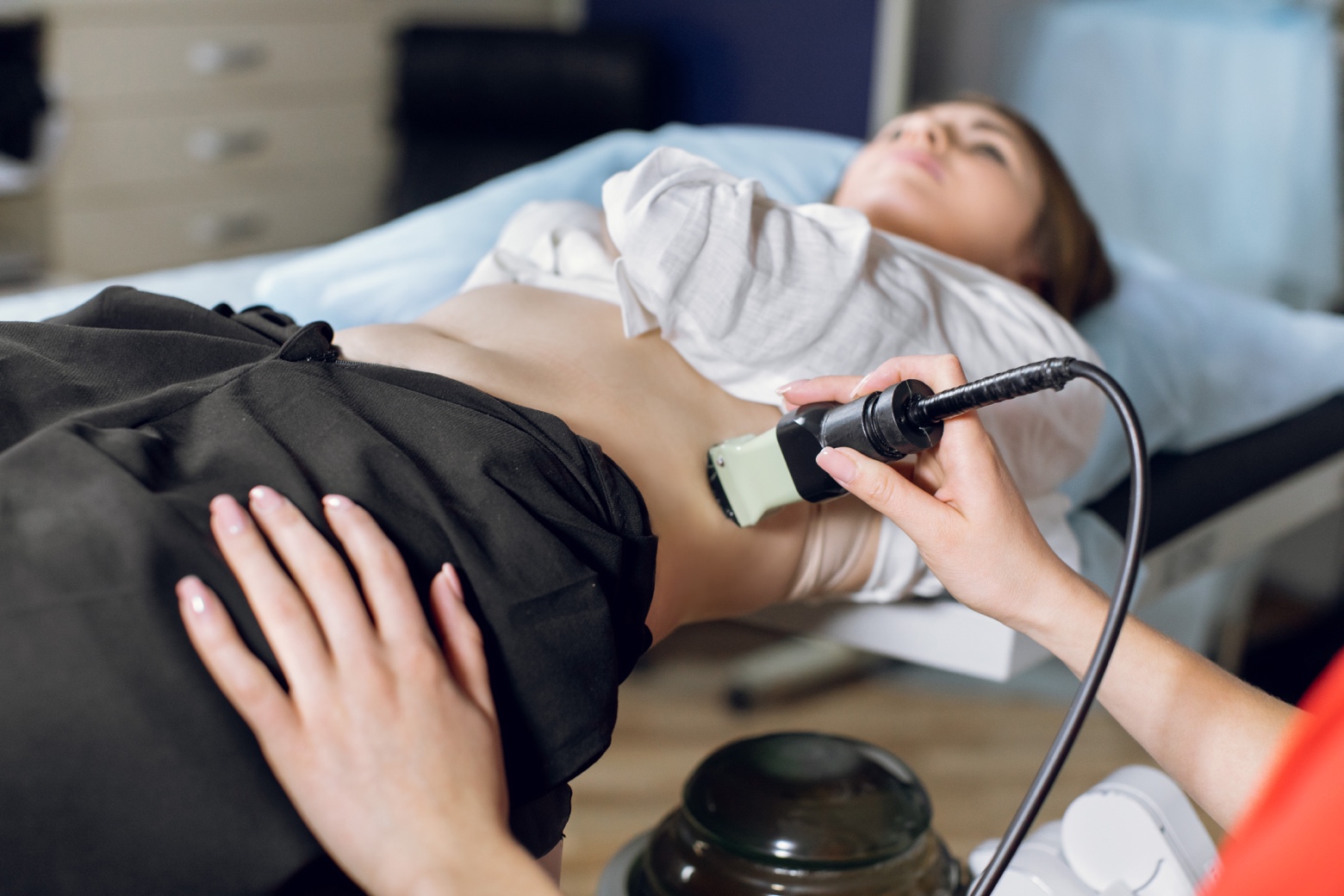
Prostate ultrasound: it provides images of the prostate, allowing its size and shape to be determined and any abnormalities to be detected. It can also be used to guide prostate biopsy, if necessary.
Urodynamic study: this study evaluates bladder and urethral function and can be helpful in determining the cause of urinary symptoms.
Cystoscopy: in some cases, a cystoscopy can be performed to visualize the urethra and bladder using a thin, flexible instrument called a cystoscope.
Treatment of benign prostatic hyperplasia
The treatment of BPH is individualized based on the severity of symptoms, the presence of complications, and the patient’s preferences. Treatment options include lifestyle changes, medications, and surgery.
Drugs: there are different types of medications that can be used to treat BPH, depending on the severity of the symptoms and the presence of other conditions. Alpha-blockers, such as tamsulosin, silodosin, alfuzosin, terazosin, and doxazosin, relax the muscles of the prostate and bladder, facilitating the flow of urine. 5-alpha reductase inhibitors, such as finasteride and dutasteride, reduce the size of the prostate by blocking the production of dihydrotestosterone, although they may take several months to show their full effect. Phosphodiesterase-5 inhibitors, such as tadalafil, can improve urinary symptoms and erectile function. In some cases, a combination of alpha-blockers and 5-alpha reductase inhibitors can be used for greater benefit. It is important to note that each medication has its own potential side effects, so the doctor must carefully evaluate each patient’s profile before prescribing drug treatment.
Lifestyle changes: for mild cases of BPH, or as a complement to medical or surgical treatment, lifestyle modifications may be recommended. These modifications can help relieve symptoms and improve quality of life. Some recommendations include reducing fluid intake before going to bed to minimize nocturia, avoiding caffeine and alcohol, as they can irritate the bladder and increase urine production, and performing exercises to strengthen the pelvic floor muscles, such as Kegel exercises, which can help control urinary incontinence. It can also be beneficial to train the bladder by learning to urinate at regular times and gradually increasing the time between urinations, in order to improve the ability to retain urine.
Minimally invasive procedures: HM Hospitales is a national and international reference center in the use of Aquabeam, a pioneering technology for the treatment of BPH. The Aquablation+ system uses a high-pressure water jet guided by ultrasound to precisely and safely remove obstructive prostate tissue, preserving the surrounding healthy tissue. HM Sanchinarro was the first hospital in Spain to incorporate this technology.
In addition, HM Hospitales offers other minimally invasive treatments such as HOLEP laser (holmium laser enucleation of the prostate) and Thulium laser (ThuLEP). The HOLEP laser is a procedure that uses a high-power holmium laser to enucleate (detach and remove) the prostate tissue that obstructs the urethra. Unlike TURP (transurethral resection of the prostate), which cuts the tissue into small pieces, HOLEP separates it into a single lobe, allowing for the removal of more prostate tissue and reducing the likelihood of BPH recurring. The extracted tissue is sent for analysis to rule out the presence of cancer. ThuLEP is especially suitable for large prostates; it is similar to HOLEP in that it uses laser energy to treat the enlarged prostate, but it employs a different wavelength. This wavelength is absorbed more efficiently by prostate tissue, allowing for more precise vaporization of the obstructive tissue, minimizing bleeding and damage to surrounding tissues.
Finally, HM Hospitales offers other endoscopic treatments such as the Water Vapor Therapy System or Rezum. This innovative treatment uses the thermal energy of water vapor to eliminate enlarged prostate cells. During the procedure, small amounts of water vapor are injected into the transition zone of the prostate. The vapor condenses rapidly, releasing thermal energy that destroys the prostate cells that cause the blockage. The body naturally absorbs the treated tissue over time. Rezum is a minimally invasive procedure performed in an outpatient setting that offers a quick recovery and preserves sexual function.
iTind System: this system uses a temporary implant that is placed in the urethra to widen it and improve urine flow. The implant is removed after a few days, and the procedure does not require incisions.
Surgery: it is considered when symptoms are severe, do not respond to medical treatment, or when complications arise. There are different surgical techniques available, each with its own advantages and disadvantages. The transurethral resection of the prostate (TURP) is the most common surgical procedure for BPH and is performed by inserting an instrument through the urethra to remove the prostatic tissue that obstructs the flow of urine. Robotic surgery may be another option. The HM Hospitales Group has a Robotic Surgery Program that has the Da Vinci and Hugo RAS platforms. The choice of the most appropriate surgical technique will depend on the size and shape of the prostate, the severity of the symptoms, the presence of other conditions, and the patient’s preferences.
Remember that this article is for informational purposes only and does not replace professional medical advice. If you suspect you have benign prostatic hyperplasia, consult a specialist to obtain an accurate diagnosis and an appropriate treatment plan tailored to your needs.
Our doctors
Contact and make an appointment with the professionals in this area