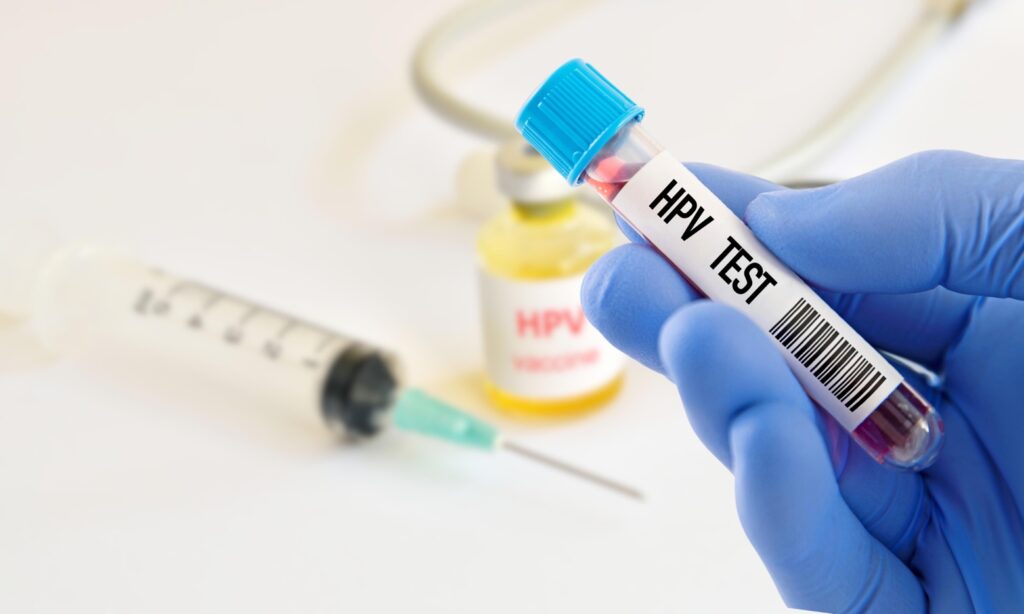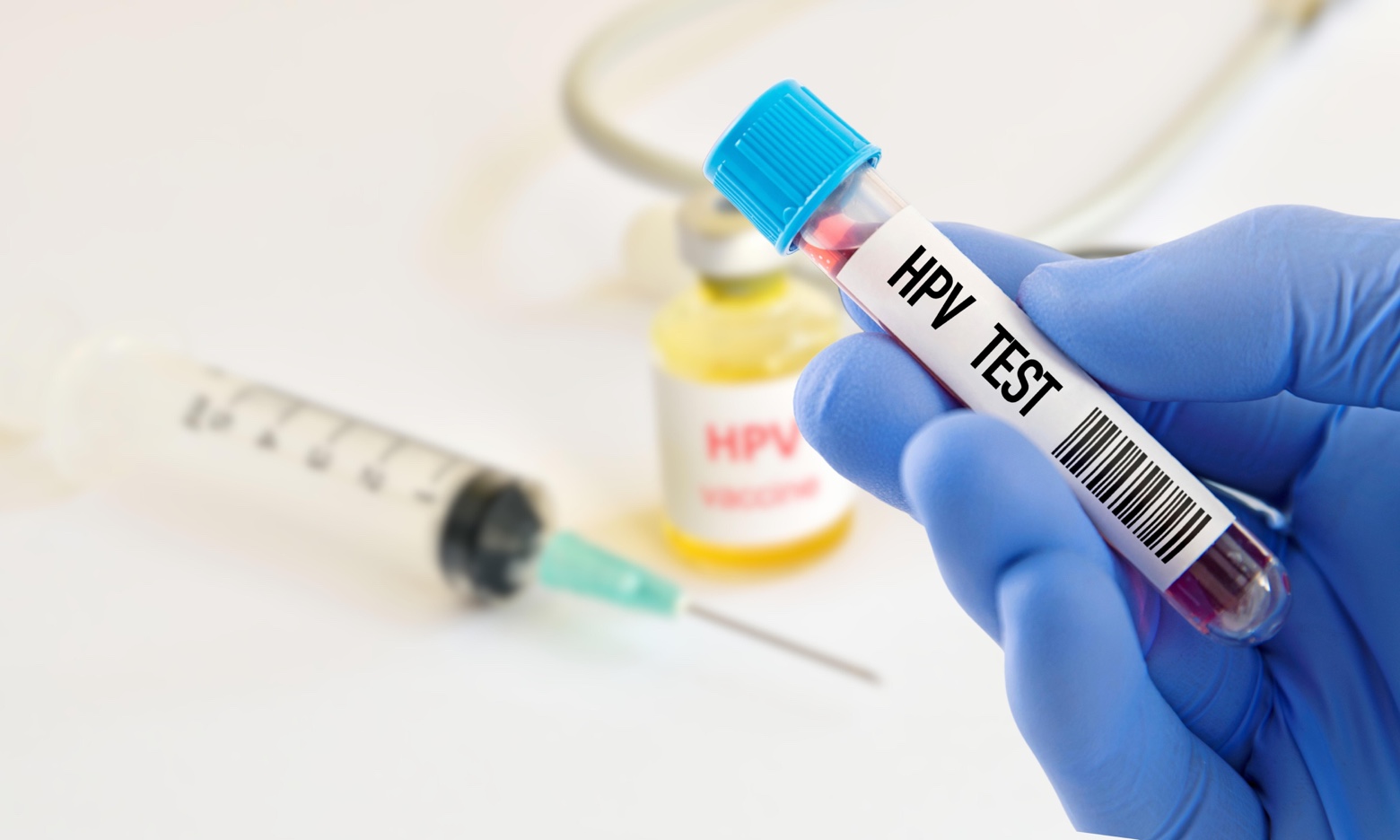
The Human Papillomavirus (HPV) is a common infection transmitted through sexual contact. There are over 100 types of HPV, which are classified into two main groups: low-risk and high-risk.
Low-risk types can cause genital warts, while high-risk types are linked to cervical cancer. Detecting the virus early is crucial to prevent complications and access appropriate treatment. In this article, we explain what the HPV test involves, how it is carried out, and its importance in preventing potential complications.
What is the HPV test?
The HPV test is a medical procedure designed to identify the presence of the virus in the cells of the cervix. This test is primarily aimed at women, as HPV is closely related to cervical cancer. Although men can also carry the virus, there is no specific test for them.
Why is it essential to have the HPV test?
The HPV test is a key tool in preventing cervical cancer. Although most HPV infections clear up naturally without causing any health problems, in some cases, the virus persists, causing changes in the cells of the cervix, which can lead to the development of cervical cancer. Early detection of HPV allows for the identification of women at higher risk and ensures appropriate follow-up, significantly reducing the likelihood of future complications.
How is the HPV test carried out?
There are two main methods for detecting HPV:
- Pap smear (cytology): This test is performed during a routine gynaecological examination. It involves collecting a sample of cells from the cervix using a small brush. The sample is then analysed in a laboratory to detect abnormal cellular changes related to HPV. However, cytology does not directly identify the presence of the virus.
- HPV DNA test: This analysis directly identifies the virus’s DNA in the cells of the cervix. It also determines whether the HPV types present are high-risk, which are associated with the development of cervical cancer.
Both tests are quick painless, and are key tools for gynaecological health.
Who should have the HPV test?
Recommendations for the HPV test vary depending on age and medical history. In general, it is recommended for women aged 25-65:
- Women aged 25 to 34: A Pap smear is suggested every three years unless otherwise advised by a doctor.
- Women aged 35 to 65: A Pap smear can be combined with the HPV DNA test every five years. If the HPV DNA test is positive and the cytology is negative, an annual check-up is recommended.
- Women over 65: Those with a history of expected results may not need further testing, although a specialist should evaluate this.
Regularly consulting a gynaecologist is key to tailoring the frequency of tests to individual needs.
Preventive measures against HPV

The Human Papillomavirus (HPV) is a common infection. Although many people contract it at some point in their lives, preventive measures can be taken to reduce the risk of transmission. Prevention is key to avoiding long-term complications. Below are the leading measures you can take:
- Vaccination: The HPV vaccine is a highly effective tool for preventing infection by the most dangerous types of HPV, those linked to the development of cervical, vulvar, vaginal, anal, penile, and oropharyngeal cancers. The vaccine is most effective when administered before exposure to the virus. Therefore, it is recommended:
- For girls and boys aged nine and over: Vaccination at an early age ensures better protection. Ideally, the vaccine should be administered before the onset of sexual activity.
- For young adults who have not been previously vaccinated: Although effectiveness decreases with age, adults can also benefit from the vaccine. Consult your doctor to determine if vaccination is suitable for you.
- Use of condoms: Although condoms do not eliminate the risk of HPV transmission, as the virus can be transmitted through skin-to-skin contact in the genital area, their use significantly reduces the likelihood of infection. Additionally, condoms act as a physical barrier, limiting direct contact with the virus. In general, their use is a protective measure not only against HPV but also against other sexually transmitted infections (STIs).
- Regular gynaecological check-ups: Regular gynaecological check-ups are essential to detect any abnormalities in the cervix early, even before symptoms appear. Your gynaecologist will recommend the frequency of check-ups based on age, medical history, and previous test results.
What do the results of the HPV test mean?
Negative result:
A negative result means that the virus was not detected in the sample analysed. This generally indicates a low risk of developing cervical cancer shortly. However, it is essential to remember that HPV infection can occur at any time, so maintaining regular gynaecological check-ups as recommended by your doctor and practising safe sex habits is crucial.
Positive result:
A positive result indicates the presence of the virus, but it does not mean you have cervical cancer. In most cases, the immune system clears the HPV naturally. However, a positive result may imply a higher risk of developing precancerous lesions or cervical cancer in the future.
If the result is positive, your doctor will explain the different options and recommend the most appropriate follow-up for your case. This may include:
- Repeating the HPV test after a certain period: to monitor whether the infection persists or resolves independently.
- Having a Pap smear: to detect abnormal cellular changes in the cervix.
- Undergoing a colposcopy: If the Pap smear results are abnormal, a colposcopy may be performed to examine the cervix in greater detail. The doctor may take a biopsy (tissue sample) for analysis during the colposcopy. This procedure is straightforward, performed in the clinic, and helps identify precancerous or cancerous lesions.
What is the treatment for HPV?

There is no specific treatment to eliminate the HPV virus. However, treatments are available for genital warts and abnormal cellular changes caused by the virus.
Prevention and early detection are your best allies against HPV-related complications. Get vaccinated and have regular gynaecological check-ups.
HM Hospitales has a team of highly qualified gynaecologists and state-of-the-art technology to carry out HPV tests quickly, safely, and accurately. Our goal is to provide you with the best possible care, focusing on prevention and comprehensive health care. If you have any questions about HPV tests or would like to schedule an appointment with one of our specialists, please do not hesitate to contact us.
Remember: This article is for informational purposes only and does not replace medical consultation. If you have any doubts, consult a healthcare professional.