Uterine fibroids are non-cancerous tumours that form in the uterus and affect a large percentage of women of reproductive age. Although they often cause no symptoms, in some cases, they can lead to abdominal growth, pain, and other issues.
This article will explore the relationship between fibroids and their symptoms, diagnosis, treatment options, and when to seek medical attention.
What are uterine fibroids, and why do they occur?
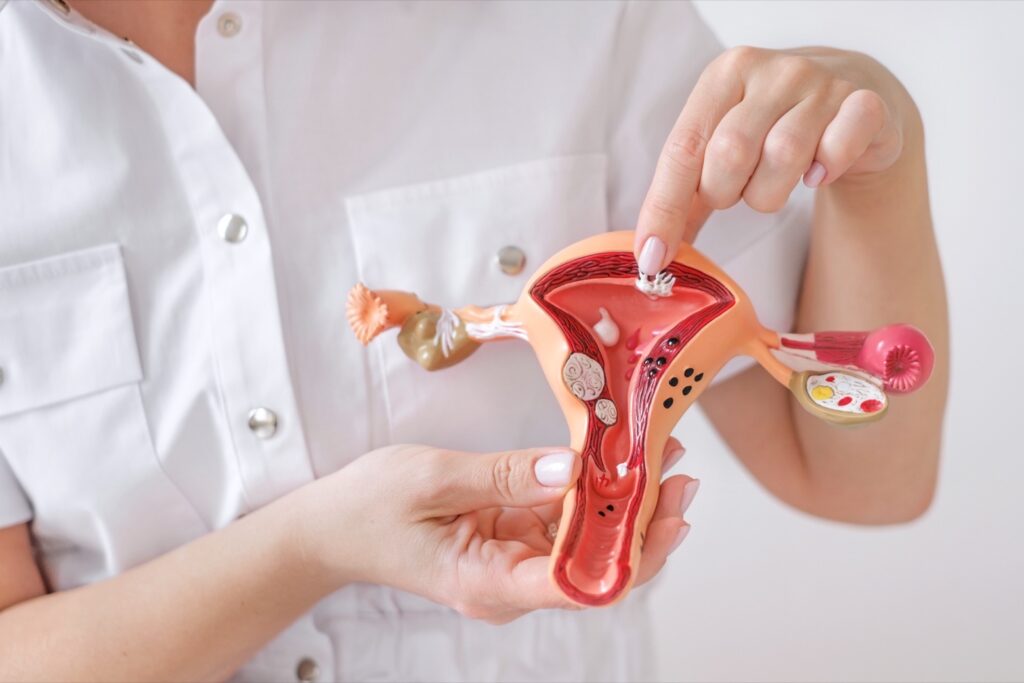
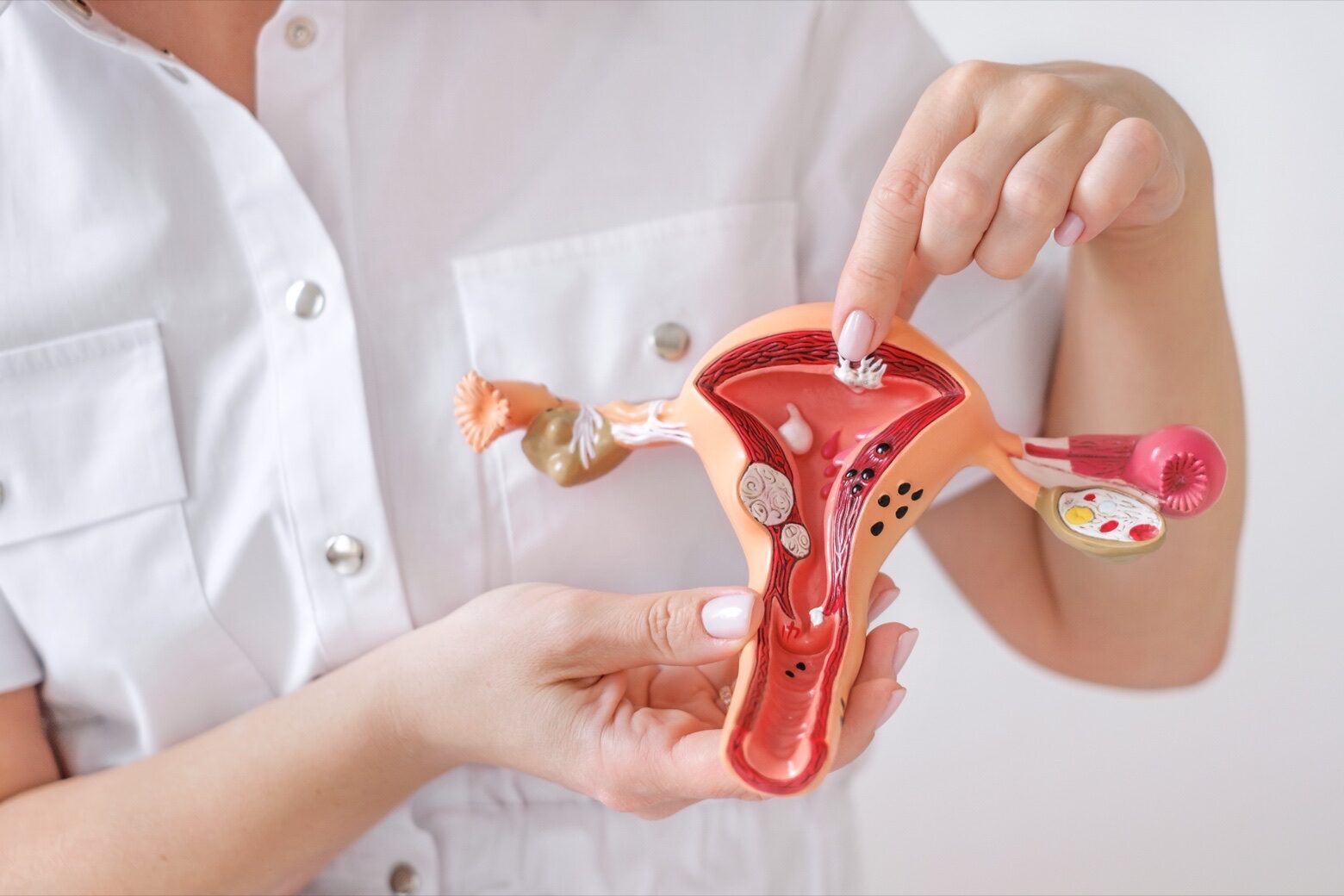
Uterine fibroids, also known as fibromas or leiomyomas, are benign (non-cancerous) tumours that develop in the uterus muscles. They can vary significantly in size: some are so small they’re only detectable through specialized tests, while others can grow large enough to distort the shape of the uterus, press on nearby organs, and cause discomfort.
Although the exact cause of uterine fibroids remains unclear, it’s believed that female hormones, estrogen and progesterone, play a key role in their growth. These hormones are higher during reproductive years, which explains why fibroids are more common in women of childbearing age. This also helps explain why fibroids tend to shrink after menopause when hormone levels decline.
Types of fibroids: location and characteristics
Uterine fibroids are classified based on their location in the uterus, ranging from types I to VII. This classification helps understand how they may affect a woman’s health and what symptoms they can cause. The three main types of fibroids are:
- Intramural fibroids: These develop within the muscular wall of the uterus (myometrium). They are the most common type of uterine fibroid. Intramural fibroids can grow inward or outward, distorting the shape of the uterus and, in some cases, contributing to abdominal enlargement. Symptoms may include heavy menstrual bleeding, pelvic pain, and abdominal pressure.
- Submucosal fibroids grow into the uterine cavity beneath the endometrium (the uterus lining). Although usually smaller than intramural fibroids, submucosal fibroids can cause heavy menstrual bleeding, even between periods. They may also interfere with fertility by making it difficult for a fertilized egg to implant. Submucosal fibroids are less likely to cause visible abdominal enlargement.
- Subserosal fibroids grow outward from the uterus, projecting into the abdominal cavity. They may be attached to the uterus by a stalk, giving them a “pedunculated” appearance. Subserosal fibroids can grow quite large and sometimes press on nearby organs like the bladder or rectum. This can cause symptoms such as frequent urination, constipation, and pelvic pain. Large subserosal fibroids may contribute to abdominal enlargement.

What are the main symptoms of uterine fibroids?
Abdominal growth is just one of the possible symptoms of uterine fibroids. Symptoms can vary significantly from woman to woman, depending on the size, location, and number of fibroids. Some of the most common symptoms include:
- Heavy or prolonged menstrual bleeding (menorrhagia): This is one of the most frequent and often most concerning symptoms. Menorrhagia can lead to anaemia, fatigue, and significantly decreased quality of life.
- Painful periods (dysmenorrhea): Fibroids can cause intense cramps and pelvic pain during menstruation, making daily activities difficult.
- Pelvic pressure or chronic pain: A feeling of pressure or pain in the pelvis may be constant or intermittent and is often described as a sense of heaviness or fullness.
- Frequent urination or urgency: Large fibroids can compress the bladder, increasing the frequency and urgency of urination.
- Constipation: Pressure on the rectum can make bowel movements difficult, leading to chronic constipation.
- Pain during sex (dyspareunia): Fibroids located near the cervix can cause pain or discomfort during intercourse.
- Infertility or pregnancy complications: While not always the case, fibroids can interfere with the implantation of a fertilized egg or increase the risk of complications during pregnancy.
When to worry about fibroids and seek medical attention
It’s important to understand that not all uterine fibroids require treatment. Many women live with small, asymptomatic fibroids without experiencing any health issues. However, certain warning signs indicate the need for medical attention. Early diagnosis and proper treatment can prevent complications and improve quality of life. Symptoms to watch for include:
- Extremely heavy or prolonged menstrual bleeding that disrupts daily activities.
- Severe or persistent pelvic pain that doesn’t improve with over-the-counter painkillers.
- Difficulty conceiving after trying for a year.
- Rapid or sudden abdominal growth.
- Symptoms of anaemia include extreme fatigue, paleness, dizziness, or shortness of breath.

Diagnosis and treatment of uterine fibroids
Diagnosing uterine fibroids typically involves a pelvic exam and a transvaginal or abdominal ultrasound. In some cases, additional imaging tests, such as an MRI, may be needed for a more detailed evaluation. Treatment depends on the size, location, symptoms, and whether the woman wishes to have children in the future. Treatment options include:
Pharmacological treatment:
Medications can help manage symptoms caused by fibroids, hefty menstrual bleeding and pain. Some commonly used drugs include:
- Pain relievers: Over-the-counter drugs like ibuprofen or naproxen can help alleviate pain and menstrual cramps.
- Hormonal contraceptives: Birth control pills, patches, vaginal rings, and injections can help regulate menstrual cycles and reduce heavy bleeding.
- Hormonal IUD: A hormonal intrauterine device that releases progestin, which can reduce heavy menstrual bleeding.
- GnRH agonists: These drugs lower estrogen and progesterone levels, shrink fibroids, and relieve symptoms. However, long-term use can cause menopause-like side effects, so they’re typically used short-term before surgery.
- Selective progesterone receptor modulators (SPRMs): These block progesterone’s effects on fibroids, reducing their size and alleviating symptoms.
Surgical interventions:
In some cases, surgery may be the best option for treating uterine fibroids. Standard surgical procedures include:
- Radiofrequency ablation: A minimally invasive, outpatient procedure that uses heat to shrink fibroids. It’s performed vaginally under sedation, using specialized needles to ablate the fibroid and cause its necrosis.
- Myomectomy: This surgery removes fibroids while preserving the uterus, making it a good option for women who wish to retain fertility. It can be performed via laparoscopy (small abdominal incisions), hysteroscopy (through the cervix), or laparotomy (a larger abdominal incision).
- Hysterectomy: This involves the surgical removal of the uterus and is a definitive treatment for fibroids. It’s recommended for large fibroids, severe symptoms, or when the woman does not wish to have more children. Hysterectomy can be performed abdominally, vaginally, or laparoscopically.
Uterine artery embolization (UAE):
UAE is a minimally invasive procedure that blocks the blood supply to fibroids. During the procedure, a catheter is inserted into an artery in the groin or wrist and guided to the uterine arteries supplying the fibroids. Small particles are injected through the catheter to block blood flow, causing the fibroids to shrink and die. UAE is a good option for women who want to avoid surgery or are not candidates for surgery.
Every woman and every fibroid is unique. The proper treatment depends on your circumstances and preferences. That’s why paying attention to your body and consulting a specialist if you experience unusual symptoms are crucial. Early diagnosis and proper treatment can make a significant difference in your well-being.
At HM Hospitales, we have a team of gynaecologists specializing in diagnosing and treating uterine fibroids. We use the most advanced, minimally invasive techniques to provide personalized care tailored to your needs. If you’re concerned about fibroids or experiencing symptoms, please contact us.
Remember: This article is for informational purposes only and does not replace medical advice. If you have any concerns, consult a healthcare professional.