What are genital warts? Are you concerned about the appearance of an unusual bump in your genital area? Understandably, any changes in this sensitive area can cause worry.
Genital warts, also known as condylomata acuminata, are small, fleshy growths that appear on the vulva, vagina, cervix, or around the anus. They are caused by the human papillomavirus (HPV), a common virus transmitted through sexual contact. While the idea of having genital warts can be distressing, it’s essential to know that they are treatable and there are measures to prevent their occurrence. Not all genital warts are visible to the naked eye, and some may be internal, making them difficult to detect without a medical examination.
Although HPV (human papillomavirus) is common, not everyone who contracts it develops genital warts. In fact, in many cases, the immune system clears the virus on its own, sometimes within two years. However, if warts do appear, seeking medical attention for proper diagnosis and treatment is essential. HPV is a widespread sexually transmitted infection (STI), and it’s estimated that 8 out of 10 sexually active people will contract it at some point in their lives.
What do genital warts look like? Where do they appear?
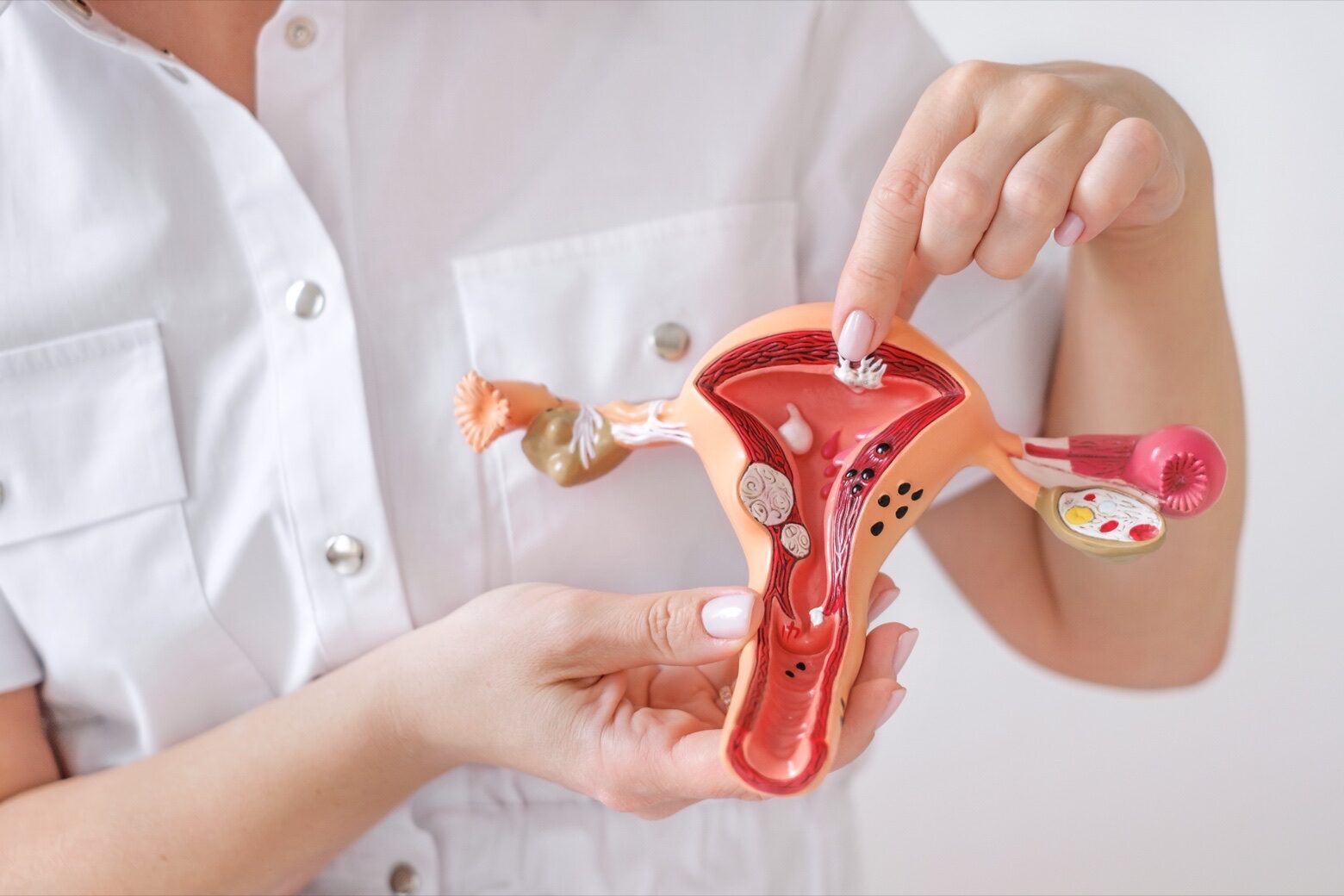
Genital warts can vary in appearance. They may be small, flat, raised, or have a cauliflower-like shape. Their colour can also vary, from skin-toned to darker shades. Genital warts can appear on the vulva, including the labia majora and labia minora, inside the vagina, on the cervix, or around the anus. In some cases, the warts may be so small that they are challenging to see with the naked eye. They can appear alone or in clusters, ranging from a few millimetres to several centimetres.
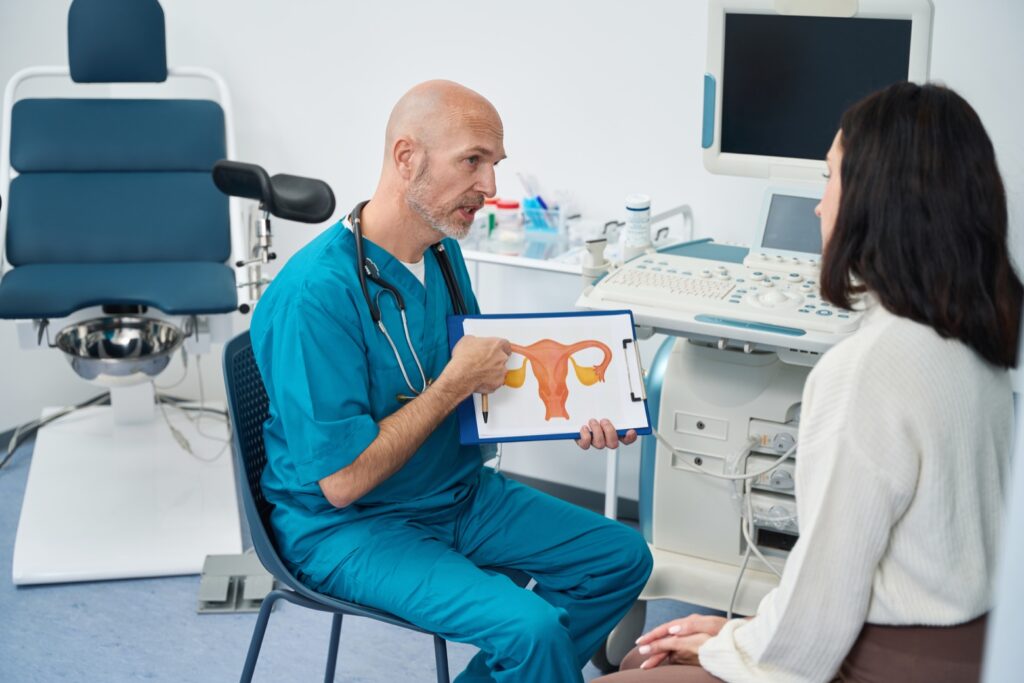
If you notice any unusual bumps or changes in your genital area, it’s essential to consult a gynaecologist for an evaluation. Do not attempt to self-diagnose or self-medicate, as this may delay proper diagnosis and treatment. A thorough gynaecological examination is essential to determine whether the bumps are genital warts or another condition.
Why do vaginal warts appear?
Genital warts are caused by the human papillomavirus (HPV). There are over 200 serotypes of HPV, and some of them are associated with a higher risk of cervical cancer. The types of HPV that cause genital warts are known as low-risk HPV, while other types are considered high-risk.
- Low-risk HPV: These types of HPV, such as HPV 6 and 11, are the leading causes of genital warts.
- High-risk HPV: These types of HPV, such as HPV 16 and 18, are associated with a higher risk of cervical cancer, as well as other types of genital and anal cancer.
HPV is transmitted through mucosal contact during sexual activity, including vaginal, anal, and oral sex. In other words, any sexual contact, not just intercourse, can transmit HPV. The use of barrier methods (such as condoms) can reduce the risk of HPV transmission but does not eliminate it, as the virus can be present in areas not covered by the condom.
How are genital warts diagnosed and treated?

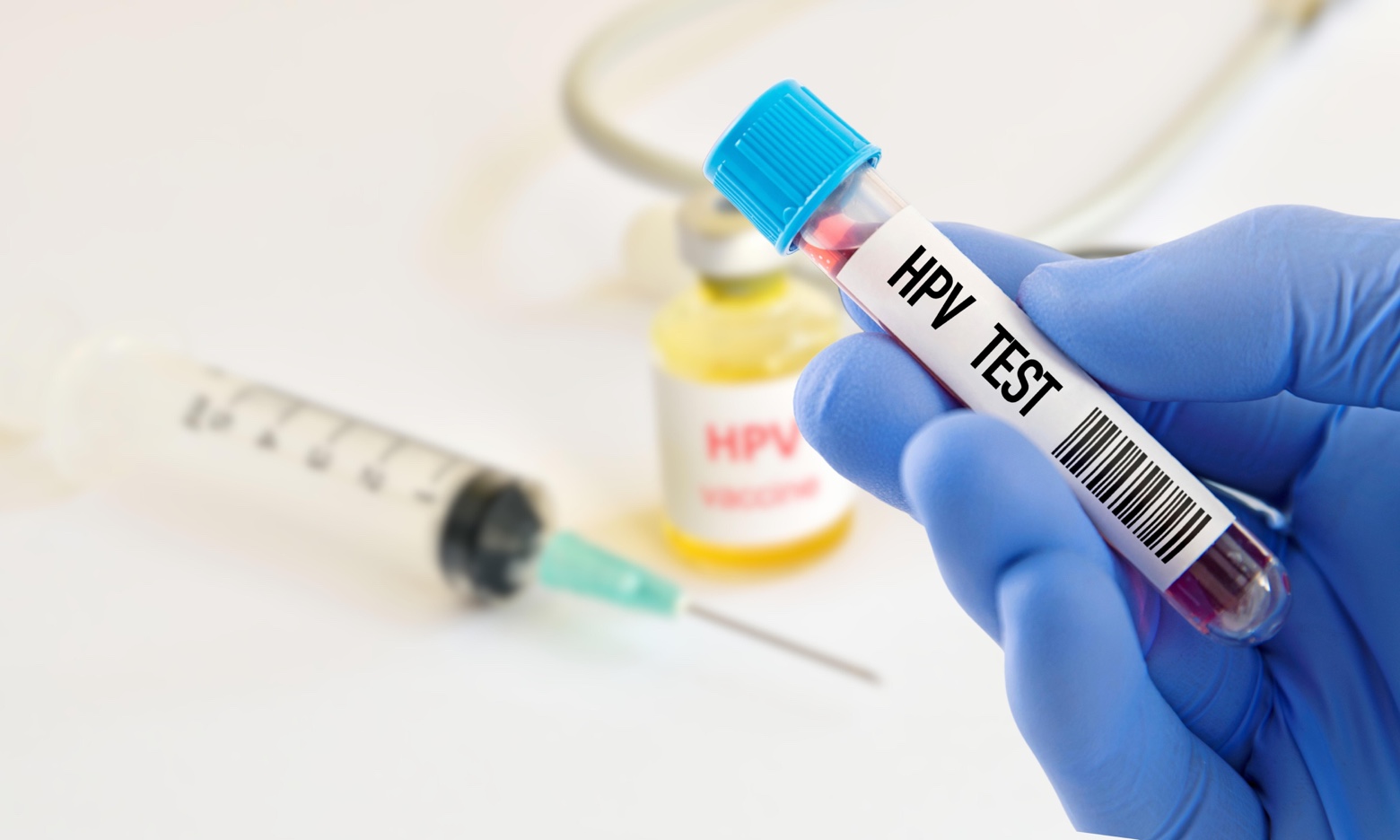
Genital warts are usually diagnosed through a visual examination by a gynaecologist. In some cases, a colposcopy may be performed to examine the cervix in greater detail and rule out the presence of abnormal cells. A biopsy may also be taken to confirm the diagnosis.
There are several treatment options for genital warts:
- Topical medications: Creams or solutions applied directly to the warts.
- Cryotherapy: Freezing the warts with liquid nitrogen.
- Electrosurgery: Burning the warts with an electric current.
- Laser surgery: Removing the warts with a laser.
The type of treatment will depend on the size, location, and number of warts, as well as the patient’s preferences. It’s important to discuss treatment options with your doctor to determine which is most suitable for you.
How can I prevent genital warts?
The best way to prevent genital warts is to get vaccinated against HPV. The HPV vaccine protects against the types of HPV that cause most genital warts and cervical cancer. Vaccination is recommended for girls and boys starting at age 11 or 12, although it can be administered up to age 55.
In addition to vaccination, other preventive measures include:
- Using condoms during sexual activity: Correct and consistent use of condoms during vaginal, anal, and oral sex can significantly reduce the risk of HPV transmission. While condoms do not eliminate the risk, as HPV can be transmitted through skin contact in areas not covered by the condom, they are an essential tool for protection against STIs, including HPV. It’s necessary to use a new condom for each sexual encounter and ensure it is applied correctly.
- Talking to your partner about their sexual history and STI testing: Open and honest communication with your partner about sexual history and STI testing is crucial for protecting your health. Asking your partner if they have been tested for STIs or if they have had genital warts or other STIs in the past can help you make informed decisions about your sexual health.
- Attending regular gynaecological check-ups: Regular gynaecological check-ups, including cervical smear tests, are essential for detecting any abnormalities in the cervix, including genital warts and precancerous cells. Early detection of HPV and precancerous lesions is crucial for successful treatment and prevention of cervical cancer. It is recommended that women have a smear test every three years starting at age 21.
It’s important to remember that while the HPV vaccine is highly effective, it does not protect against all types of HPV. Therefore, it’s essential to continue practising safe sex and attending regular gynaecological check-ups.
Your intimate health, our priority at HM Hospitales
At HM Hospitales, we understand the importance of good gynaecological health. Our team of gynaecologists is highly qualified and experienced in diagnosing and treating genital warts. If you’re concerned about the appearance of warts or any other changes in your genital area, don’t hesitate to contact us. At HM Hospitales, we offer a trusting and professional environment where you can feel comfortable and secure. We have the latest technology and a dedicated team of professionals committed to providing you with the best possible care.
Remember: This article is for informational purposes only and does not replace medical consultation. If you have any concerns, consult a healthcare professional.