An endometrial biopsy is a gynaecological procedure performed to obtain a sample of the uterine lining (endometrium) for laboratory analysis.
Although the name may sound intimidating, it is a relatively quick and straightforward procedure. However, it’s natural to wonder whether this biopsy might be painful. This article will address the main concerns about pain and discomfort you might experience during an endometrial biopsy. We’ll explain what the procedure involves, why it’s necessary in some cases, what you can expect during and after the procedure, and what measures can help reduce discomfort.
What is an Endometrial Biopsy?
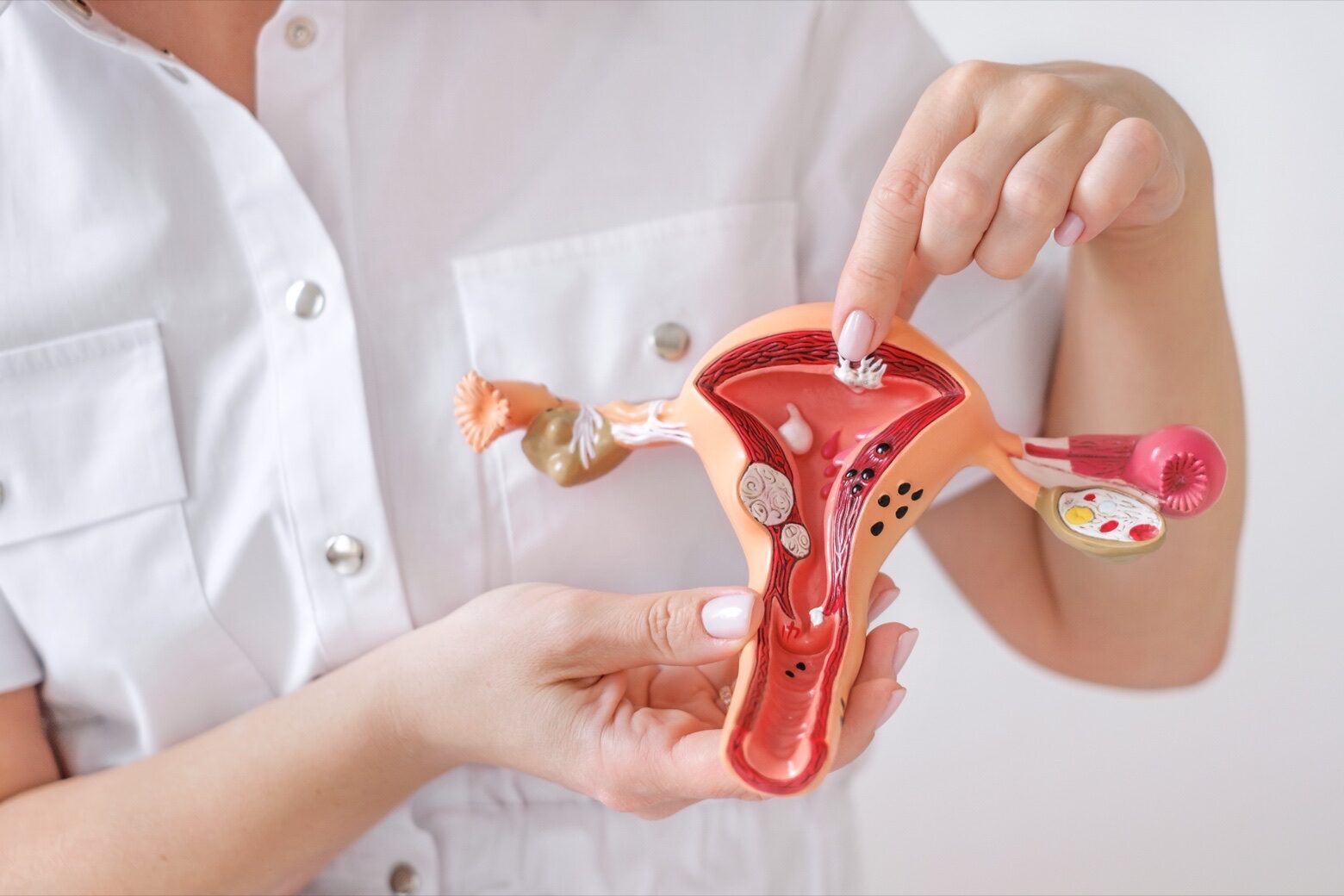
An endometrial biopsy is a procedure that involves taking a small sample of the uterine lining. Once collected, the sample is sent to a laboratory for microscopic analysis, allowing doctors to diagnose various uterine conditions.
Why is an Endometrial Biopsy Performed?
There are several reasons why a doctor might recommend an endometrial biopsy:
- Abnormal uterine bleeding: It is used to determine the cause of abnormal uterine bleeding, such as heavy bleeding, bleeding between periods, or bleeding after menopause.
- Diagnosis of endometrial cancer: It is an essential tool for diagnosing endometrial cancer.
- Fertility evaluation: An endometrial biopsy can help assess the receptivity of the endometrium for embryo implantation in women with fertility issues.
- Monitoring hormonal treatment: It can be used to monitor the endometrium’s response to hormonal therapy.
- Diagnosis of polyps or endometrial hyperplasia: The biopsy can help diagnose polyps or endometrial hyperplasia, where the endometrium becomes abnormally thickened.
Is an Endometrial Biopsy Painful?
It’s normal to wonder whether an endometrial biopsy is painful, and the answer is that the experience varies from woman to woman. Some women experience mild cramping, similar to menstrual cramps, while others may experience more intense pain. The pain level depends on factors such as the reason for the biopsy, the technique used, and each person’s sensitivity to pain. Most women tolerate the procedure well without the need for anaesthesia. Discomfort is usually brief and subsides quickly after the biopsy.

Step-by-Step Endometrial Biopsy Procedure
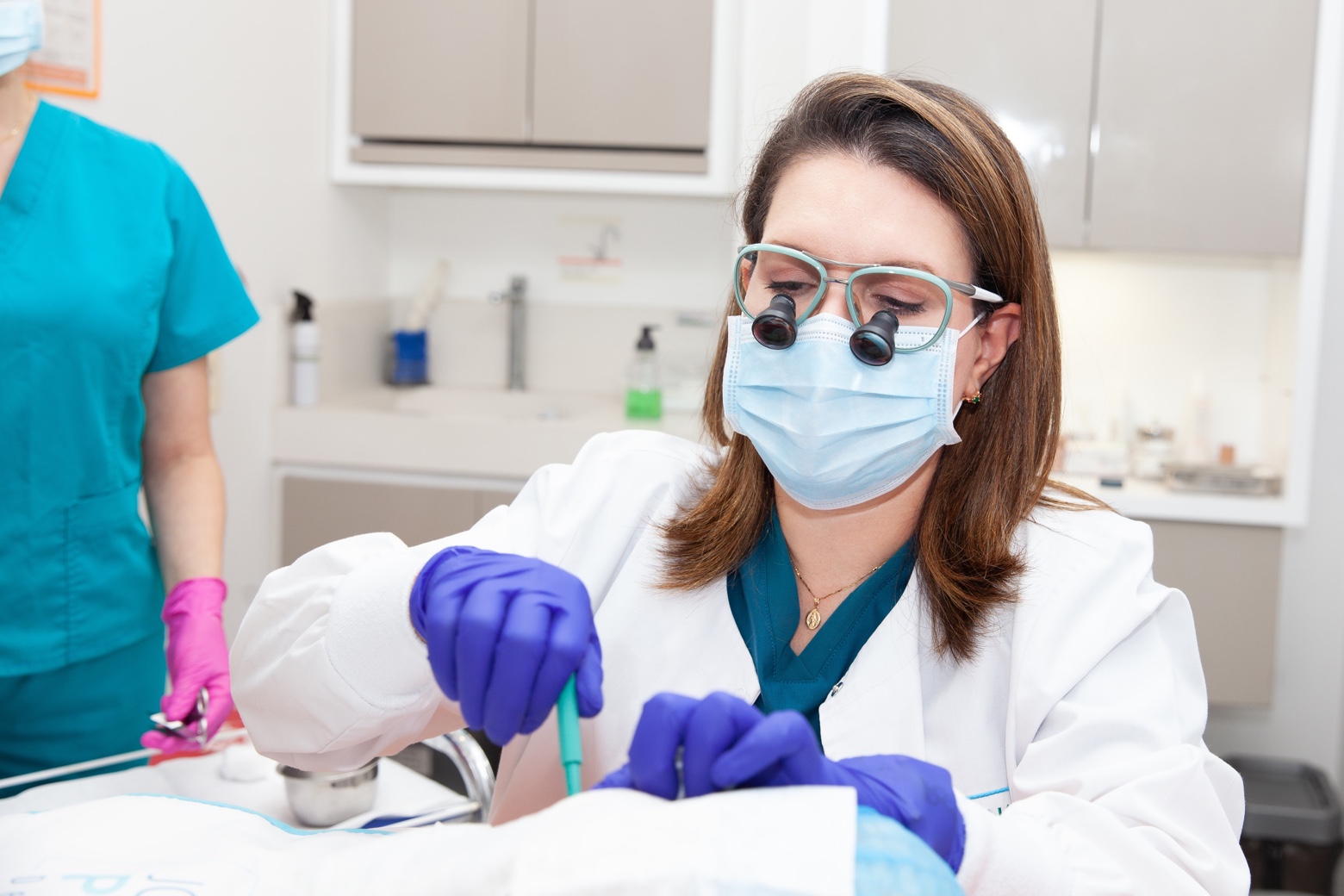
An endometrial biopsy is a relatively quick and straightforward procedure in a doctor’s office. Knowing the steps can help you feel more comfortable and prepared for the test.
- Preparation: Upon arrival at the clinic, you’ll be asked to change into a hospital gown and lie on a gynaecological examination table, similar to the one used for a pelvic exam. You may also be asked to empty your bladder before the procedure begins.
- Pelvic exam: The doctor will begin by performing a pelvic exam to assess the size and position of the uterus. This helps determine the best way to perform the biopsy.
- Insertion of the speculum: Next, a speculum will be inserted into the vagina to separate the vaginal walls and visualise the cervix gently. This may cause slight pressure or discomfort but should not be painful.
- Cleaning the cervix: To minimise the risk of infection, the doctor will clean the cervix with an antiseptic solution to remove any bacteria in the area.
- Local anaesthesia (optional): In some cases, regional anaesthesia may be used to minimise discomfort. This involves applying a small amount of anaesthetic to the cervix.
- Insertion of the catheter: Once the cervix is prepared, the doctor will insert a thin, flexible catheter through the cervix into the uterus. The catheter is a hollow tube used to collect the endometrial tissue sample. You may feel slight pressure or cramping during the insertion of the catheter.
- Collection of the sample: The doctor will use a small tool inside the catheter to collect a sample of endometrial tissue. This process may cause cramping similar to menstrual cramps, but the discomfort is usually brief.
- Removal of the catheter: Once the sample has been collected, the doctor will remove the catheter.
- Completion of the procedure: The speculum will be removed, and you’ll be provided with a sanitary pad for any light bleeding that may occur after the procedure.
Do You Need to Rest After an Endometrial Biopsy?
Absolute rest is not necessary after an endometrial biopsy. However, it’s recommended to avoid strenuous activities for the first 24 hours and abstain from sexual intercourse for a few days.
How to Minimise Discomfort During an Endometrial Biopsy
- Take an over-the-counter painkiller, Such as ibuprofen or paracetamol, an hour before the procedure.
- Breathe deeply: Deep breathing can help relax your muscles and minimise discomfort during the procedure.
- Talk to your doctor: If you’re anxious or worried about pain, speak to your doctor. They may offer options to minimise discomfort, such as local anaesthesia.
Possible Side Effects of an Endometrial Biopsy
While an endometrial biopsy is generally safe, it’s essential to recognise its potential side effects, recognise warning signs and seek medical attention if necessary. Below are some of the most common side effects:
- Light bleeding or spotting: It’s common to experience light vaginal bleeding or spotting after the procedure. This bleeding is usually similar to that at the beginning or end of a menstrual period and may last from a few hours to a few days. Use sanitary pads and avoid tampons during this time.
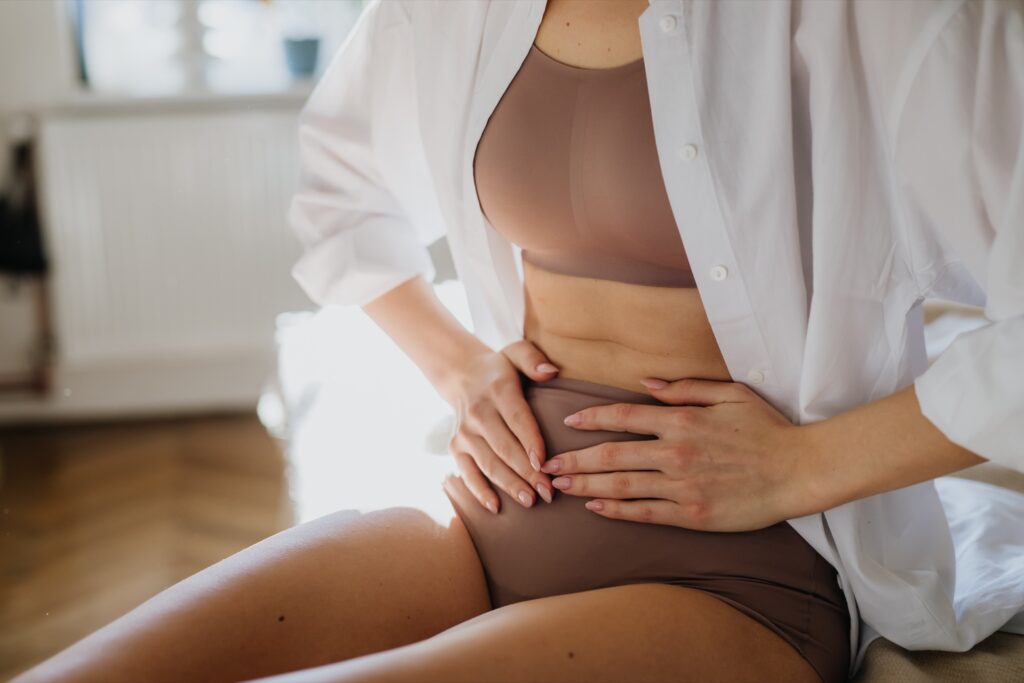
- Mild cramping: Mild cramping is also expected to occur after the biopsy, similar to menstrual cramps. These cramps are usually mild and subside within a few hours. You can take an over-the-counter painkiller to relieve the discomfort.
- Mild pelvic discomfort: Some women may feel slight pain or pressure in the pelvic area after the procedure. This discomfort is usually mild and resolves within a few days.
Recommendations After the Biopsy
After an endometrial biopsy, following some recommendations is essential to ensure proper recovery and minimise the risk of complications. Here are some measures to keep in mind:
- Avoid sexual intercourse: It’s recommended to avoid sexual intercourse for a few days after the biopsy to allow the cervix to close and reduce the risk of infection.
- Avoid vaginal douching: Do not use vaginal douches, tampons, or menstrual cups for a few days after the biopsy.
- Rest: While absolute rest is unnecessary, taking it easy for the first 24 hours after the procedure is advisable.
Though it may sound concerning, an endometrial biopsy is a standard and safe procedure. It’s an instrumental test for diagnosing various uterine issues, and its benefits far outweigh any risks. If you have any concerns, speak to your doctor. At HM Hospitales, our expert gynaecologists will provide you with the best care and answer all your questions.
Remember: This article is for informational purposes only and does not replace medical advice. If you have any concerns, consult a healthcare professional.