Soft tissue sarcoma is a type of cancer that develops in the body’s soft tissues, such as muscles, fat, blood vessels, nerves, tendons, and the lining of the joints. Unlike carcinomas, which originate in epithelial tissues, sarcomas originate in connective tissue. Soft tissue sarcoma can occur anywhere in the body, but it is most common in the arms, legs, and abdomen.
The impact of this disease on patients’ health can be significant, affecting mobility, organ function, and ultimately, survival. Understanding the nature of this disease is crucial in order to address it effectively.
Symptoms of soft tissue sarcoma
The symptoms of soft tissue sarcoma can be subtle at first, making it difficult to detect early. The manifestation of symptoms depends largely on the location and size of the tumor. It is important to be alert to any unusual changes in the body and to seek medical attention if something is suspected. As the tumor grows, it can cause:
A lump or mass:
that can be felt under the skin, which may or may not be painful.
Pain:
if the tumor is pressing on nerves or muscles.
Difficulty moving a limb:
if the tumor is near a joint.
It is important to remember that these symptoms can also be caused by other less serious conditions. However, if you experience any of these symptoms, it is essential to consult a doctor for an accurate diagnosis.
Classification of soft tissue sarcoma
The classification of soft tissue sarcoma is a complex process that helps doctors determine the best course of treatment. This classification is based on several factors that allow for a better understanding of the aggressiveness and extent of the disease. Soft tissue sarcomas are classified according to several factors, including:
The type of tissue where the cancer originated: the different types of sarcomas are classified according to the type of soft tissue from which they originate (e.g., muscle, fat, nerve).
Cancer grade: the grade is based on the appearance of cancer cells under a microscope. High-grade cells look more abnormal and tend to grow and spread more rapidly than low-grade cells.
Cancer stage: the stage is based on the size of the tumor and whether it has spread to other parts of the body.
Causes and risk factors of soft tissue sarcoma
Despite advances in research, the exact causes of soft tissue sarcoma are not always known. However, various factors have been identified that can increase the risk of developing this disease. Understanding these factors can help in taking preventive measures and being more attentive to symptoms. The main ones include:
Chronic lymphedema: chronic lymphedema, a condition in which lymphatic fluid accumulates in soft tissues, can increase the risk of developing a type of soft tissue sarcoma called angiosarcoma.
Hereditary genetic syndromes: certain inherited genetic syndromes, such as neurofibromatosis type 1, Li-Fraumeni syndrome, tuberous sclerosis, Werner syndrome, and hereditary retinoblastoma, increase the risk of developing soft tissue sarcoma.
Exposure to certain chemicals: exposure to certain chemicals, such as vinyl chloride, herbicides containing phenoxyacetic acid, or wood preservatives, may increase the risk of developing soft tissue sarcoma.
Exposure to radiation: whether from radiotherapy used to treat another cancer or from environmental exposure, it may increase the risk of developing soft tissue sarcoma.
Soft tissue sarcoma can cause various complications that affect patients’ health and quality of life. It is important to be aware of these complications in order to seek timely medical attention and receive appropriate treatment. Some of the complications include:
Cancer spread: soft tissue sarcoma can spread to other parts of the body, such as the lungs, liver, and bones.
Cancer recurrence: soft tissue sarcoma can recur after treatment, even if all visible cancer has been removed.
Treatment-related problems: treatment for soft tissue sarcoma, such as surgery, radiotherapy, and chemotherapy, can cause significant side effects.
If you suspect you have soft tissue sarcoma, it is important to seek medical advice to obtain an accurate diagnosis and an appropriate treatment plan tailored to your needs. iagnóstico preciso y un plan de tratamiento adecuado a sus necesidades.
Diagnosis of soft tissue sarcoma
An accurate and early diagnosis is essential for the effective treatment of soft tissue sarcoma. The diagnostic process generally includes a combination of physical examinations, imaging tests, and biopsies. At HM Hospitales, we offer a variety of advanced diagnostic services to help detect and classify soft tissue sarcoma. The diagnostic process generally includes:
Physical examination: the doctor will feel the lump to assess its size, shape, and consistency.
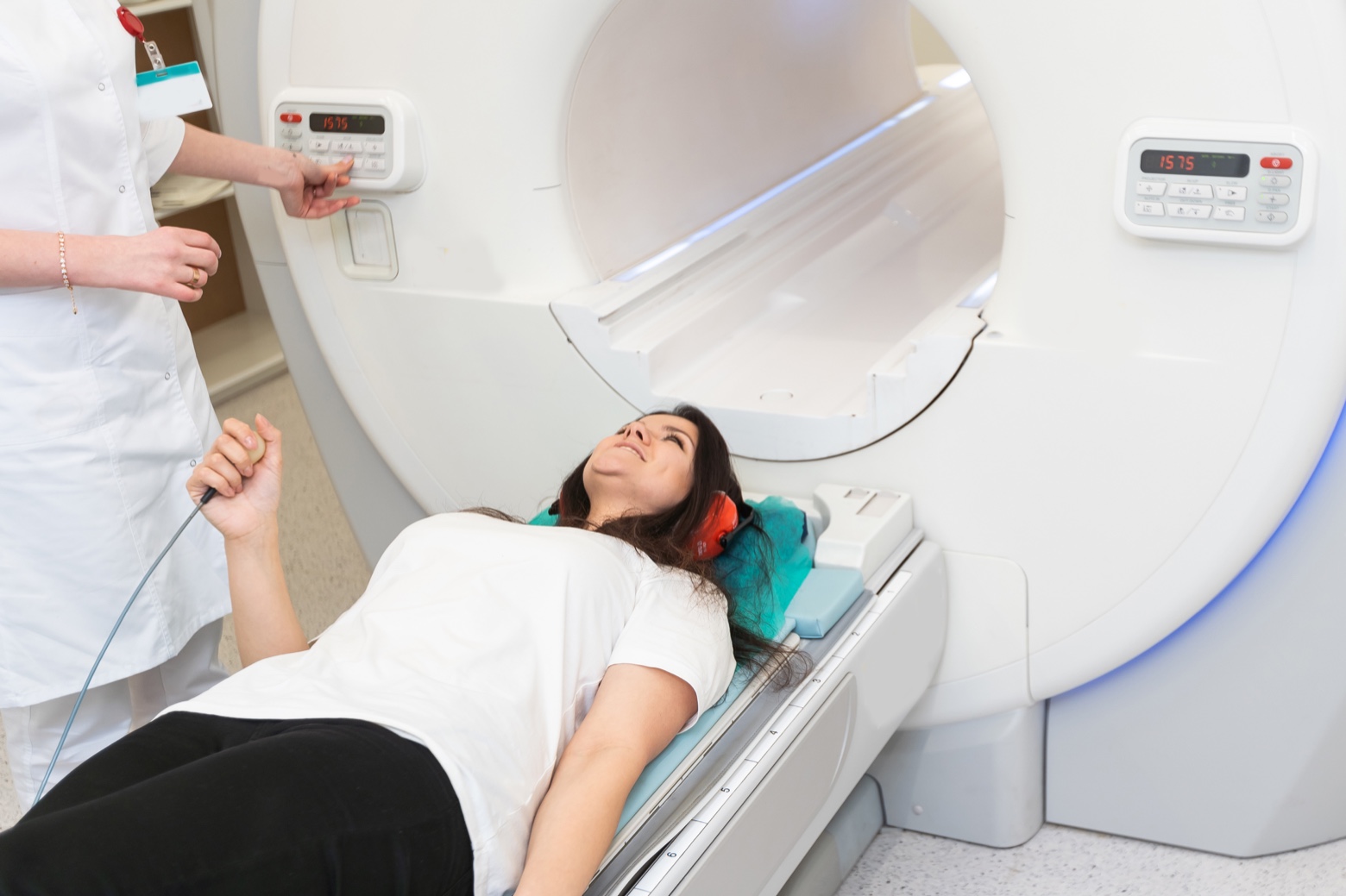
Imaging studies: X-rays, ultrasounds, magnetic resonance imaging (MRI), and computed tomography (CT) scans may be used to help determine the size and location of the tumor and whether it has spread to other parts of the body. At HM Hospitales, we provide MRI services with state-of-the-art technology for accurate diagnosis.
Biopsy: a sample of tumor tissue is removed to be examined under a microscope. A biopsy is the only way to confirm a diagnosis of soft tissue sarcoma. There are several types of biopsy: needle biopsy (a thin needle is used to extract a tissue sample), incisional biopsy (a small portion of the tumor is removed), and excisional biopsy (the entire tumor is removed). The type of biopsy carried out depends on the location and size of the tumor. The pathologist will examine the tissue sample to determine the type of sarcoma, the grade, and whether it has spread to the lymph nodes.
Treatments for soft tissue sarcoma
Soft tissue sarcoma treatment is tailored to the individual needs of each patient. A multidisciplinary team of specialists works together to develop a treatment plan that maximizes the chances of success and minimizes side effects. At HM Hospitales, we offer a full range of treatment options. Treatment depends on several factors, including the size, location, and grade of the tumor, whether it has spread, and the patient’s overall health. Treatment options may include:
Surgery: it is the main treatment for most soft tissue sarcomas. The goal of the surgery is to remove as much of the cancer as possible, along with a margin of surrounding healthy tissue. At HM Hospitales, we have expert surgeons who use a variety of surgical techniques to treat soft tissue sarcoma, including robotic surgery with the Da Vinci system.
Radiotherapy: it uses high-energy rays to destroy cancer cells. It can be used before or after surgery, or as the primary treatment if surgery is not possible. Radiotherapy can be administered in several ways, including external radiotherapy (radiation is delivered from a machine outside the body) and internal radiotherapy (radioactive materials are placed directly into or near the tumor).
Chemotherapy: it uses medications to destroy cancer cells. It can be used before or after surgery, or as the main treatment if the cancer has spread. The most commonly used chemotherapy drugs to treat soft tissue sarcoma include doxorubicin, ifosfamide, dacarbazine, and gemcitabine.
Targeted therapies: they are medications that specifically target cancer cells. They can be used to treat some types of soft tissue sarcoma. Some examples of targeted therapies used include pazopanib and trabectedin.
Immunotherapy: it helps the body’s immune system fight cancer. It can be used to treat some types of soft tissue sarcoma. Some examples of immunotherapy drugs used include pembrolizumab and nivolumab.
A multidisciplinary approach involving surgeons, radiation oncologists, medical oncologists, and other specialists is essential for comprehensive and personalized treatment.
Remember that this article is for informational purposes only and does not replace professional medical advice. If you suspect you have soft tissue sarcoma, consult a specialist to obtain an accurate diagnosis and an appropriate treatment plan tailored to your needs. un diagnóstico preciso y un plan de tratamiento adecuado a tus necesidades.
Our doctors
Contact and make an appointment with the professionals in this area