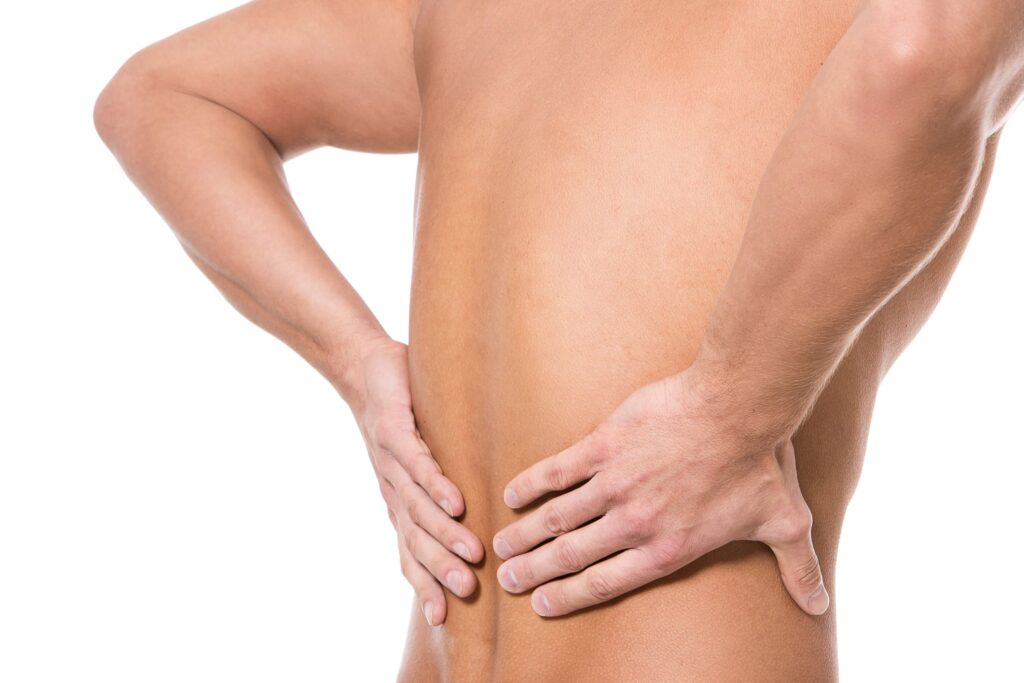
Sciatica, medically known as lumbar radiculopathy, is not a disease in itself, but a symptom of an underlying problem affecting the sciatic nerve. This nerve originates in the lower back and extends through the buttocks and down the back of each leg. The sciatic nerve is the largest nerve in the body. It is formed by the union of part of the lumbar and sacral nerve roots. Sciatica occurs when this nerve is compressed or irritated, usually by a herniated disc.
Symptoms of sciatica
The symptoms of sciatica can vary in intensity, from mild discomfort to severe and debilitating pain. The most characteristic symptom is a sharp, stabbing, or burning pain that radiates from the lower back, through the buttock, and down the back of the leg. Other symptoms may include:
Pain that radiates from the lower back to the buttock and leg.
Numbness, tingling, or weakness in the leg or foot.
Pain that worsens when sitting, coughing, sneezing, or bending the spine forward.
Difficulty moving the leg or foot.
Unilateral symptoms; sciatica usually affects one leg. Both legs are rarely affected.
Classification of sciatica
Sciatica can be classified according to its cause, duration, and severity. It can be acute (short-term), chronic (long-term), or recurrent (coming and going). Classification helps guide the treatment and management of the condition.
Causes of sciatica
Sciatica is usually caused by compression or irritation of the nerve roots that form the sciatic nerve. The most common cause is a lumbar herniated disc, where the disc material shifts and presses on the nerve. Other less common causes include spinal stenosis, bone osteophytes, lumbar degenerative disc disease, spondylolisthesis, sacroiliac joint dysfunction, and piriformis syndrome.
A risk factor is any characteristic or circumstance that increases the likelihood of developing a disease or condition. In the case of sciatica, several risk factors can contribute to its onset or worsen existing symptoms. Some of these factors are:
Old age, due to the natural wear and tear of the intervertebral discs, is a significant risk factor.
Overweight and obesity increase the load on the spine, promoting compression of the sciatic nerve.
Lifting heavy objects, especially without proper technique, and incorrect postures maintained for long periods, also contribute to the development of sciatica.
Certain diseases, such as diabetes, which can damage nerves, and smoking, which reduces blood flow to the discs, increase the risk.
A sedentary lifestyle weakens the muscles that support the back, making the spine more vulnerable to injury.
Complications of sciatica
While most people recover from sciatica without long-term problems, some may experience side effects. Chronic pain is one of the most common complications and can persist even after the underlying cause has been resolved. Muscle weakness in the affected leg or foot can make mobility and balance difficult. Persistent numbness or tingling can be bothersome and interfere with daily activities. In rare cases, sciatica can progress to cauda equina syndrome, a serious condition that compresses the nerves in the lower spine and can cause paralysis or weakness of the lower limbs, urinary or fecal incontinence, and even sexual dysfunction. This condition requires immediate medical attention.
Diagnosis of sciatica
The diagnosis of sciatica involves a thorough evaluation by a doctor, which includes:
Medical history: the doctor will ask you about your symptoms, including their location, intensity, duration, and factors that aggravate or relieve them. The doctor will also ask about your medical history, including previous injuries, illnesses, and surgeries.
Physical examination: the doctor will perform a physical exam to assess your posture, range of motion, muscle strength, reflexes, and sensation. Specific tests such as the straight leg raise (SLR) test may be performed to assess irritation of the sciatic nerve.
Imaging tests:
X-rays: X-rays may show bone abnormalities, such as bone spurs or fractures, which may be compressing the sciatic nerve.
Magnetic Resonance Imaging (MRI): MRI provides detailed images of soft tissues, including intervertebral discs, nerves, and muscles. It is the most sensitive imaging test for detecting herniated discs, inflammation of the facet joints, and other causes of sciatica.
Computerized Tomography (CT scan): CT uses X-rays to create cross-sectional images of the body. It can be useful for visualizing bone abnormalities, but it is not as sensitive as MRI for detecting problems in soft tissues.
Nerve conduction studies and electromyography (EMG): these tests measure electrical activity in muscles and nerves. They can help determine whether there is nerve damage and the location of the damage.
At HM Hospitales, we use state-of-the-art technology for the diagnosis of sciatica, including high-resolution magnetic resonance imaging and electromyography.
Sciatica treatment
The treatment for sciatica varies depending on the cause and severity of the symptoms. The goal of treatment is to relieve pain, improve function, and prevent recurrence. Treatment options include:
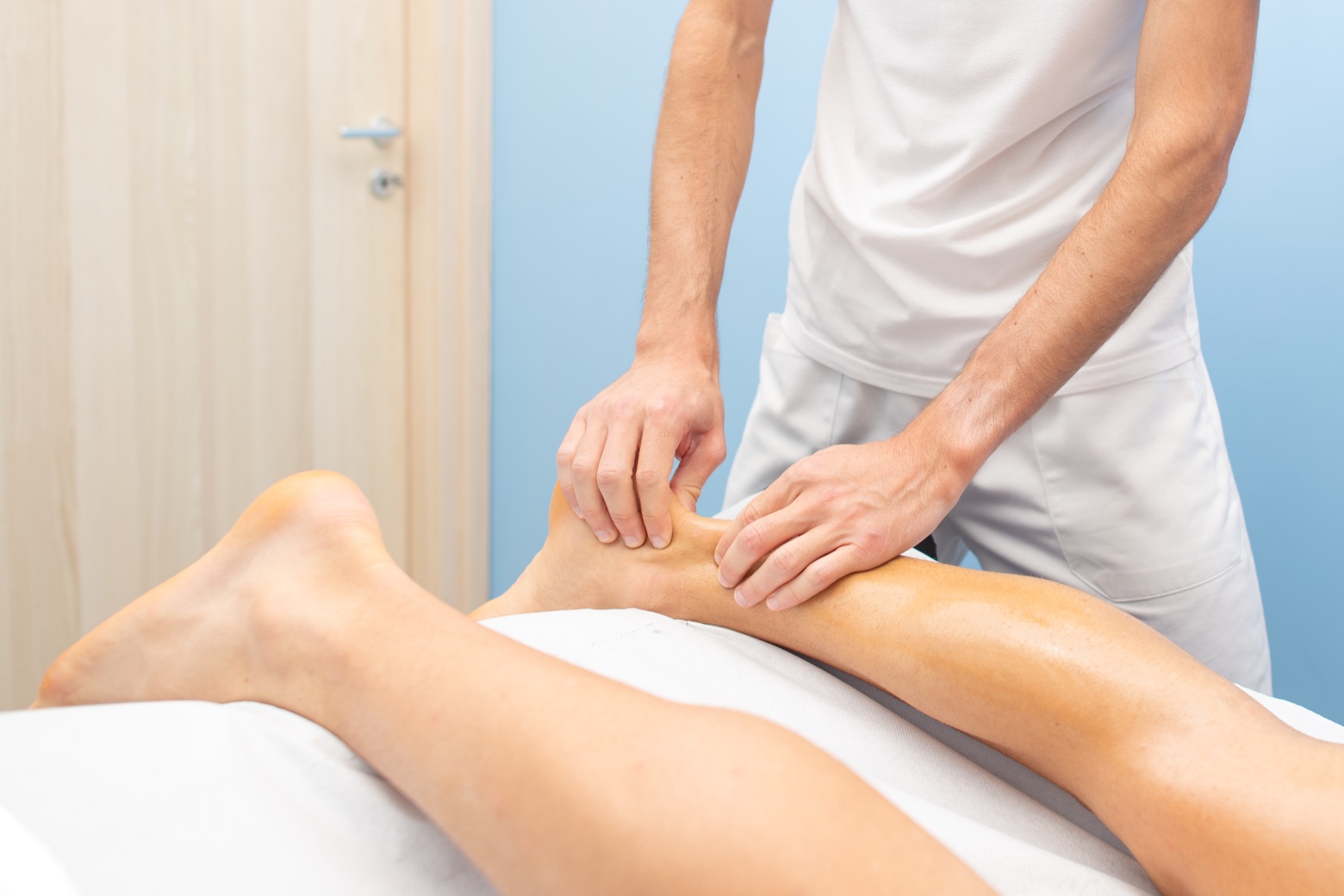
Lifestyle changes: long-term bed rest is not recommended, but it may be helpful during the first few days of an acute episode of sciatica. Applying heat and cold to the affected area can also help relieve pain and inflammation, avoiding activities that aggravate the pain, such as lifting heavy objects or sitting for long periods, maintaining good posture, and using proper lifting techniques can help prevent sciatica.
Pharmacological treatments: for the treatment of sciatic pain, analgesics, non-steroidal anti-inflammatory drugs (NSAIDs), muscle relaxants, neuropathic pain medications, or corticosteroids can be used, among others.
Surgical treatments: surgery is rarely necessary for sciatica. It may be considered if the symptoms are severe and do not respond to conservative treatments, or if there is evidence of significant neurological damage. Surgical procedures may include discectomy (whether microdiscectomy or endoscopic) laminectomy and foraminotomy or spinal fusion. In the near future, surgeries at HM Hospitales will be assisted by navigation technology for greater precision and safety.
At HM Hospitales, we have a spine unit comprised of neurosurgeons and traumatologists specializing in the spine, among other medical professionals.
Remember that this article is for informational purposes only and does not replace professional medical advice. If you suspect you have sciatica, consult a specialist to obtain an accurate diagnosis and an appropriate treatment plan tailored to your needs. stico preciso y un plan de tratamiento adecuado a tus necesidades.
Our doctors
Contact and make an appointment with the professionals in this area