Achilles tendonitis is a common injury that affects the largest tendon in the human body: the Achilles tendon.
Suppose you exercise regularly and have noticed discomfort in the back of your heel. In that case, it’s essential to know how to identify the symptoms of this injury and understand the available treatment options. This article explains everything you need to know about Achilles tendinitis, from its causes to recovery.
What is Achilles Tendinitis?
Achilles tendinitis is the inflammation of the Achilles tendon, which connects the calf muscles to the heel bone. This condition usually develops gradually and affects both athletes, due to overuse, and sedentary individuals, often due to wearing flat shoes.
This injury is becoming increasingly common in our society. It is estimated to affect 10% of regular runners, and its incidence increases significantly with age, especially after age 30. Mechanical overload, combined with factors such as growing sedentary lifestyles and sudden changes in physical activity, has made this injury a growing reason for consultation in trauma units.
Mechanism of Injury and Anatomy
The Achilles tendon is a fundamental structure for walking and movement. It acts as a powerful spring, lifting the heel during walking, running, and jumping. Minor injuries can occur when this tendon is subjected to excessive or repetitive tension, which, if not appropriately treated, can develop into chronic inflammation.
Symptoms of Achilles Tendinitis
Symptoms usually develop progressively. Some initial symptoms may include:
- Mild pain after exercise
- Morning stiffness in the heel
- Discomfort when climbing stairs
- Tenderness in the tendon area
As the injury progresses, more severe symptoms may appear, such as intense pain during physical activity, visible swelling, and weakness in the ankle. Pain during the first steps in the morning is particularly characteristic, often improving with movement but worsening with prolonged activity.
Causes and Risk Factors
Achilles tendinitis can occur for various reasons, including:
- Mechanical overload: Especially when sudden changes in exercise intensity or duration occur. Flat feet or high arches can also contribute to this injury.
- Age: Plays an important role, as the tendon’s ability to recover decreases with age.
- Medication use: Certain antibiotics, such as fluoroquinolones or cholesterol-lowering drugs like statins, have been linked to a higher risk of developing Achilles tendinitis.
- Calcaneal deformities: The calcaneus is the heel bone. A pointed deformity in its upper posterior part can cause friction with the tendon, leading to inflammation.
The Importance of Professional Diagnosis
Diagnosing Achilles tendinitis requires a comprehensive medical evaluation. The specialist will perform a detailed physical examination, assessing the location of the pain, swelling, and ankle functionality. It’s crucial to analyze foot biomechanics and gait, as predisposing factors may need correction.
Imaging tests, such as X-rays, ultrasound, or MRI, are necessary to confirm the diagnosis and determine the extent and location of the injury.
Comprehensive Treatment

The treatment of Achilles tendinitis should be personalized and prolonged. In the initial phase, it’s essential to control inflammation through:
- Relative rest
- Ice application
- Use specific heel pads, which help reduce tension on the tendon during recovery.
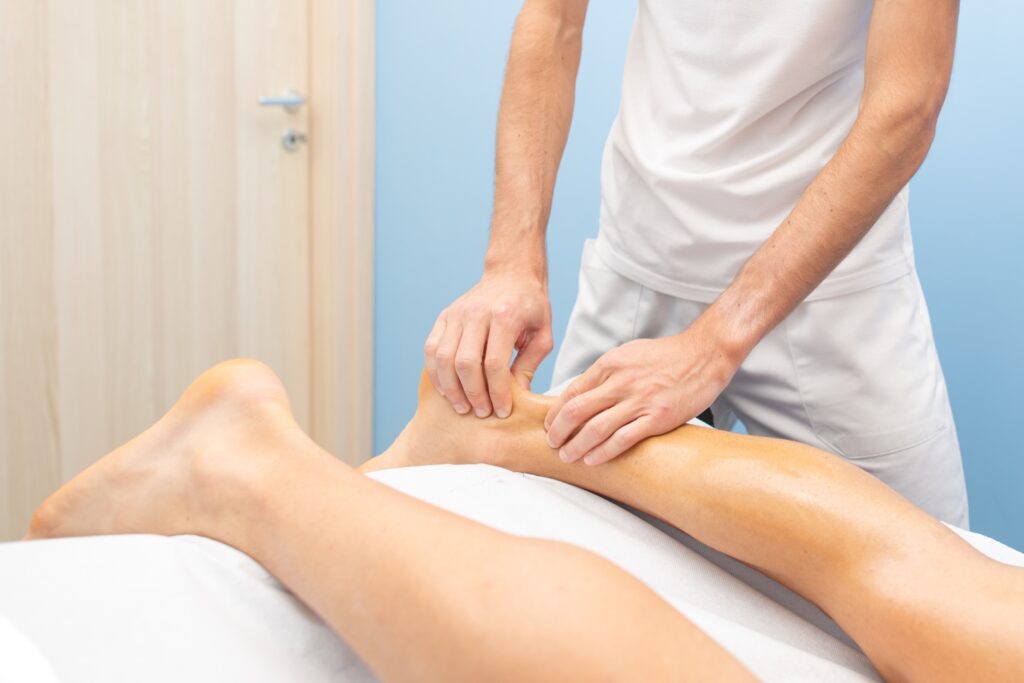
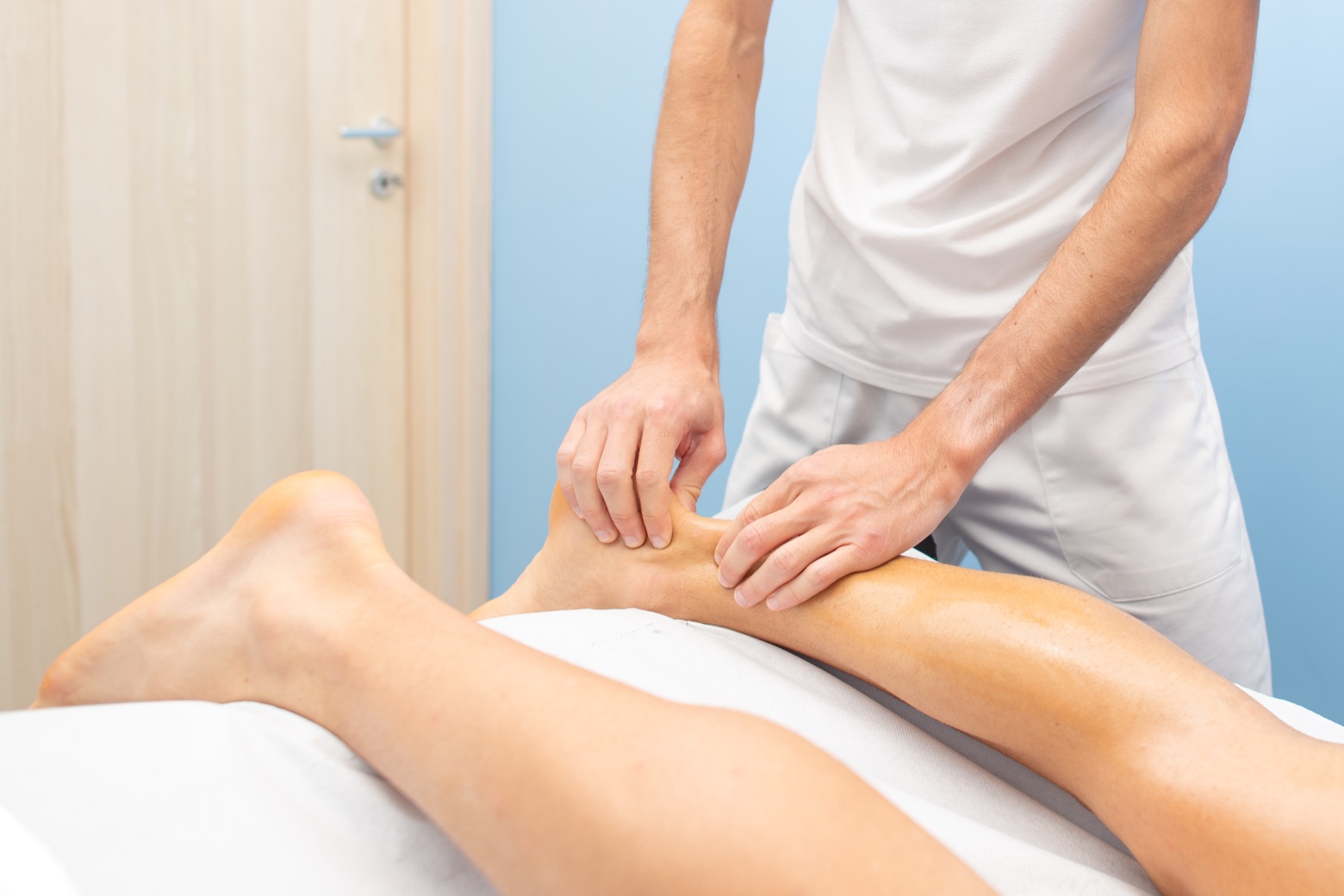
Physiotherapy is a crucial component of treatment. Current programs are based on progressive eccentric exercises, which have shown excellent results in scientific studies. These exercises should be performed in a controlled manner and supervised by professionals.
Biological therapies, such as PRP (platelet-rich plasma), have proven effective and should be considered a therapeutic tool.
Prevention and Ongoing Care
Preventing Achilles tendinitis involves maintaining good postural and movement mechanics. It’s essential to warm up and stretch properly before exercise and gradually increase the intensity of physical activity. Wearing appropriate footwear and paying attention to signs of overload are equally important.
Impact on Daily Life and Sports
Achilles tendinitis can significantly affect the quality of life, especially for athletes. Studies show that full recovery can take between 3 and 6 months, depending on the severity of the injury and commitment to treatment. It’s essential to adapt daily and sports activities during this period to allow for proper recovery.
Returning to Sports

The return to sports should be gradual. Rehabilitation programs should be personalized and supervised by a physiotherapist.
Specialized Care at HM Hospitales
Our Traumatology and Sports Medicine Unit offers a comprehensive approach to Achilles tendinitis. Our multidisciplinary team works together to provide:
- Accurate diagnosis using advanced techniques
- Personalized treatment plans
- Specific and supervised rehabilitation
- Continuous follow-up on progress
The expertise of our specialists, combined with the latest diagnostic and treatment technologies, allows us to deliver the best outcomes in recovering from this injury.
A Path to Recovery
While Achilles tendinitis can be a frustrating injury, it has a good prognosis when addressed appropriately and early. The key lies in combining professional treatment with the patient’s commitment to recovery.
At HM Hospitales, we understand the impact this injury can have on your daily life and sports performance. That’s why our team is prepared to offer you a comprehensive and personalized treatment plan to help you safely and effectively regain your activity level.
Remember: This article is for informational purposes only and does not replace medical advice. If you have any concerns, consult a healthcare professional.