Knee replacement surgery has seen significant advancements in recent years, and the introduction of robotic surgery represents a qualitative leap in precision and outcomes.
If you’re considering knee replacement surgery, it’s essential to understand the advantages of robotic systems like MAKO® and ROSA®. This article explains how these technologies revolutionise knee implants and improve patients’ lives.
What is Knee Replacement Surgery?
Before diving into robotic surgery, it’s essential to understand what knee replacement surgery entails. This procedure, also known as total knee arthroplasty, involves replacing part or all of a damaged or worn knee joint with artificial components. It is typically performed on individuals with severe arthritis or other conditions that cause chronic pain and limited mobility.
Robotic Knee Replacement Surgery: How is it Different?
Robotic surgery represents a significant evolution in orthopaedics, offering more precise surgical planning and a more controlled, personalised procedure. Below, we explain the benefits of MAKO® and ROSA® systems:
- Millimetre precision: With robotic technology, surgeons can create a 3D map of the joint before surgery, allowing for exact alignment and a perfect fit of the implants. This improves mobility and reduces wear on the prosthesis.
- Personalised surgery: MAKO® and ROSA® systems enable the design of a surgical plan tailored to each patient’s specific anatomy, resulting in a more natural fit and better long-term outcomes.
- Less invasiveness: These procedures typically require smaller incisions, reducing damage to surrounding tissues and lowering the risk of complications.
- Faster recovery: Being less invasive and more precise, robotic surgery can reduce postoperative pain and shorten recovery times, allowing patients to return to daily activities more quickly.
Robotic Surgery Systems: MAKO® and ROSA®
Robotic surgery has revolutionised knee replacement, providing greater precision and personalisation. Two of the most advanced robotic systems for knee replacement surgery are MAKO® and ROSA®. While both offer similar advantages, there are some key differences in how they operate:
1. MAKO® System:
- CT-guided robotic arm technology: This system uses a preoperative CT scan to create a detailed 3D model of the patient’s knee, enabling three-dimensional surgical planning (compared to conventional X-rays).
- 3D preoperative planning: Before surgery, the surgeon can precisely plan the placement of the prosthesis, ensuring an optimal fit tailored to the patient’s anatomy.
- Real-time navigated feedback: This allows the surgeon to anticipate the optimal position of the prosthesis for perfect stability before making definitive cuts based on real-time ligament status.
- Haptic feedback: During the procedure, the robotic arm provides tactile feedback to the surgeon, helping maintain control and precision while reducing the risk of errors.
- Greater precision: The robotic arm performs the necessary bone cuts precisely, often avoiding the need for cement fixation and minimising soft tissue dissection.
- Protection of the surgical area: The MAKO system incorporates Accustop haptic technology, which protects ligaments and neurovascular structures from unintended damage.
2. ROSA® System:
- Navigation technology without preoperative CT: Unlike MAKO®, ROSA® does not require a preoperative CT scan, which can benefit patients wishing to avoid additional radiation exposure. Instead, it uses images and anatomical data collected during surgery.
- Real-time adjustments: The surgeon can make real-time adjustments based on anatomical information obtained during the procedure, ensuring accurate implant placement.
- Less invasive data collection: This system is less invasive when collecting anatomical data, which may contribute to faster recovery and reduced postoperative pain.
How is Robotic-Assisted Total Knee Replacement Surgery Performed?
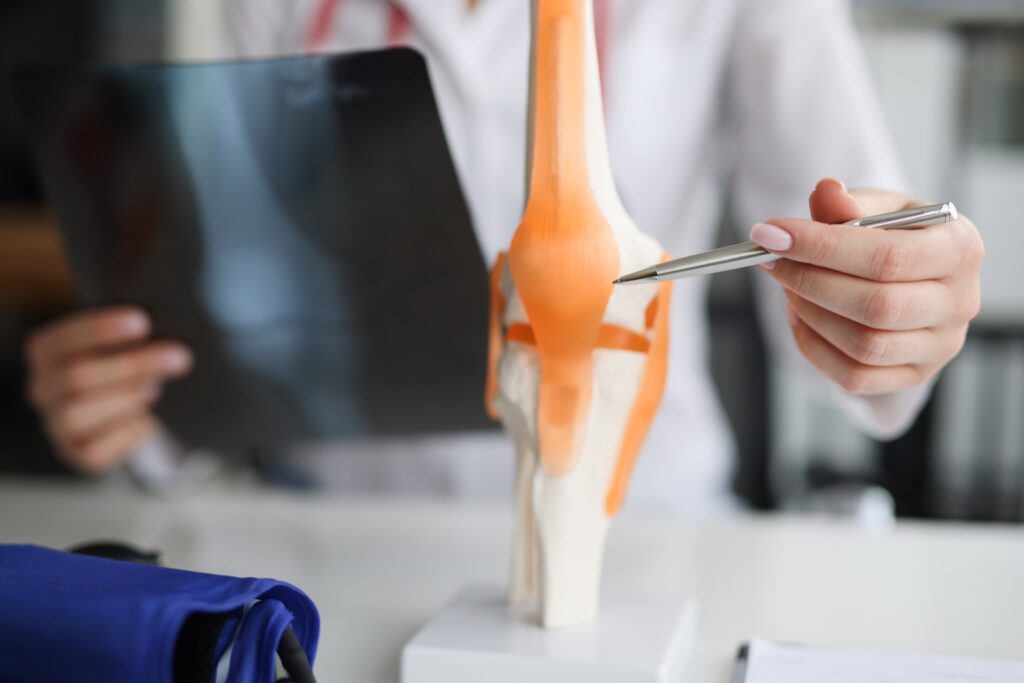
Robotic-assisted total knee replacement surgery is an advanced procedure that improves precision and outcomes for patients requiring a knee prosthesis. Below, we outline the general steps involved in this type of surgery:
- Preoperative planning:
- 3D knee model: With the MAKO® system, a CT scan creates a 3D knee model. For ROSA®, X-rays and data collected during surgery are used.
- Anaesthesia: Regional anaesthesia is typically used to help reduce postoperative pain and facilitate recovery.
- Operating room preparation:
- Positioning: The patient is positioned on the operating table, and the knee is prepared for surgery.
- Marker placement: Reference markers are placed on the knee, allowing the robotic system to accurately track the knee’s position during surgery.
- Anatomical mapping:
- Specific analysis: The surgeon uses the robotic system to map the patient’s unique knee anatomy, enabling a personalised procedure.
- Implant planning:
- Optimal placement: Using the robotic system’s software, the surgeon plans the optimal placement of the implant, ensuring it fits the patient’s anatomy.
- Robot-guided bone resection:
- Precise cuts: The robotic system guides the surgeon in making precise bone cuts. With MAKO®, the robotic arm can limit the saw’s movement for added safety.
- Implant placement:
- Alignment: The prosthesis components are placed with the robotic system’s assistance to ensure the new joint’s precise alignment and optimal function.
- Final verification:
- Quality control: Before completing the procedure, the surgeon verifies the new joint’s range of motion and stability, ensuring it meets the required standards.
Remember, knee replacement surgery is a significant procedure, and while robotic assistance improves precision, it’s essential to follow your medical team’s instructions. If you have questions or concerns about this procedure, don’t hesitate to consult a specialist.
Advantages of Robotic Knee Replacement Surgery
Robotic-assisted total knee replacement surgery is an innovative option that offers numerous benefits for patients. These include:
- Improved precision: Robotic technology allows for highly accurate implant placement, with precision within a millimetre.
- Bone preservation: Precise cuts preserve healthier bone, benefiting long-term knee health.
- Better alignment: More accurate alignment can reduce implant wear and increase durability, extending the prosthesis’s lifespan.
- Personalisation: Each surgery is tailored to the patient’s unique anatomy, offering a more personalised approach.
- Reduced surgical trauma: Smaller incisions minimise damage to surrounding tissues, contributing to better recovery.
- Potential for faster recovery: Many patients experience less postoperative pain and bleeding, facilitating quicker rehabilitation.
- Higher satisfaction: Studies show high satisfaction levels among robotic knee surgery patients.
Who is a Good Candidate for Robotic Knee Surgery?
Robotic knee replacement surgery is an innovative and highly effective option for many people facing knee problems. However, this technique may be particularly beneficial for specific groups:
- Individuals with complex anatomy or significant deformities.
- Individuals who have had previous knee surgeries.
- Younger, more active individuals who require optimal precision to maximise implant longevity.
- Individuals with factors that make traditional surgery challenging.
It’s important to remember that the decision to opt for robotic surgery should be made in consultation with your orthopaedic surgeon, who will evaluate your situation and guide you toward the best option for your health. Don’t hesitate to share your concerns and expectations with your doctor to make the best decision.
Preparing for Knee Replacement Surgery
If you’re considering knee replacement surgery, whether traditional or robotic, it’s essential to prepare properly:
- Comprehensive medical evaluation: Your specialist will assess your overall health and knee condition.
- Preoperative tests may include blood tests, an electrocardiogram, and X-rays.
- Health optimisation: It’s important to manage chronic conditions like diabetes or hypertension before surgery.
- Preoperative physiotherapy: Strengthening the muscles around the knee can aid recovery.
- Home preparation: Consider making modifications at home to facilitate your recovery.
- Recovery planning: Arrange for help during the first few weeks after surgery.
Recovery After Robotic Knee Surgery

Remembering recovery doesn’t end in the operating room; proper postoperative rehabilitation is essential for the best outcomes. Below, we outline the key aspects of postoperative recovery:
- Hospital stay: Most people spend 1 to 3 days in the hospital, allowing for adequate medical supervision and the initiation of necessary care.
- Physiotherapy begins shortly after surgery and is crucial for regaining mobility and strengthening the affected muscles. A specialised physiotherapist will guide you through the necessary exercises.
- Pain management: Some discomfort is natural after surgery. Prescribed medications will help manage pain and facilitate rehabilitation. Follow your doctor’s instructions and report any side effects.
- Return to activities: Most people can return to daily activities within 4 to 6 weeks. However, full recovery may take several months, and it’s essential to listen to your body and not rush.
- Follow-up: You’ll have regular follow-up appointments with your specialist to monitor your progress and adjust your treatment as needed.
The Future of Knee Replacement is Here
Robotic surgery represents a significant advancement in knee replacement. Systems like MAKO® and ROSA® are enabling surgeons to perform knee replacement surgeries with unprecedented precision, leading to better patient outcomes.
At HM Hospitals, we are committed to offering the most advanced techniques in orthopaedic surgery. Our highly trained surgeons use this cutting-edge robotic technology to provide the best possible outcomes in knee replacement surgery. We understand that facing surgery can be a significant and sometimes overwhelming decision. That’s why we want to assure you that we’re here to support you at every stage.
If you’re considering knee replacement surgery, we encourage you to consult our specialists about the robotic surgery option. Together, we’ll evaluate whether this advanced technology is the best option for your case and answer all your questions.
Remember, the decision to undergo knee replacement surgery is essential and should be made after careful consideration and discussion with your medical team. At HM Hospitals, we’re here to guide you every step of the way, from the initial evaluation to full recovery.
Your health is essential; we want you to feel confident and well-informed. Don’t hesitate to contact us for any questions or to schedule an appointment. We’re here to help you make the best decision for your well-being.
Remember, this article is for informational purposes only and does not replace medical consultation. If you have any doubts, consult a healthcare professional.