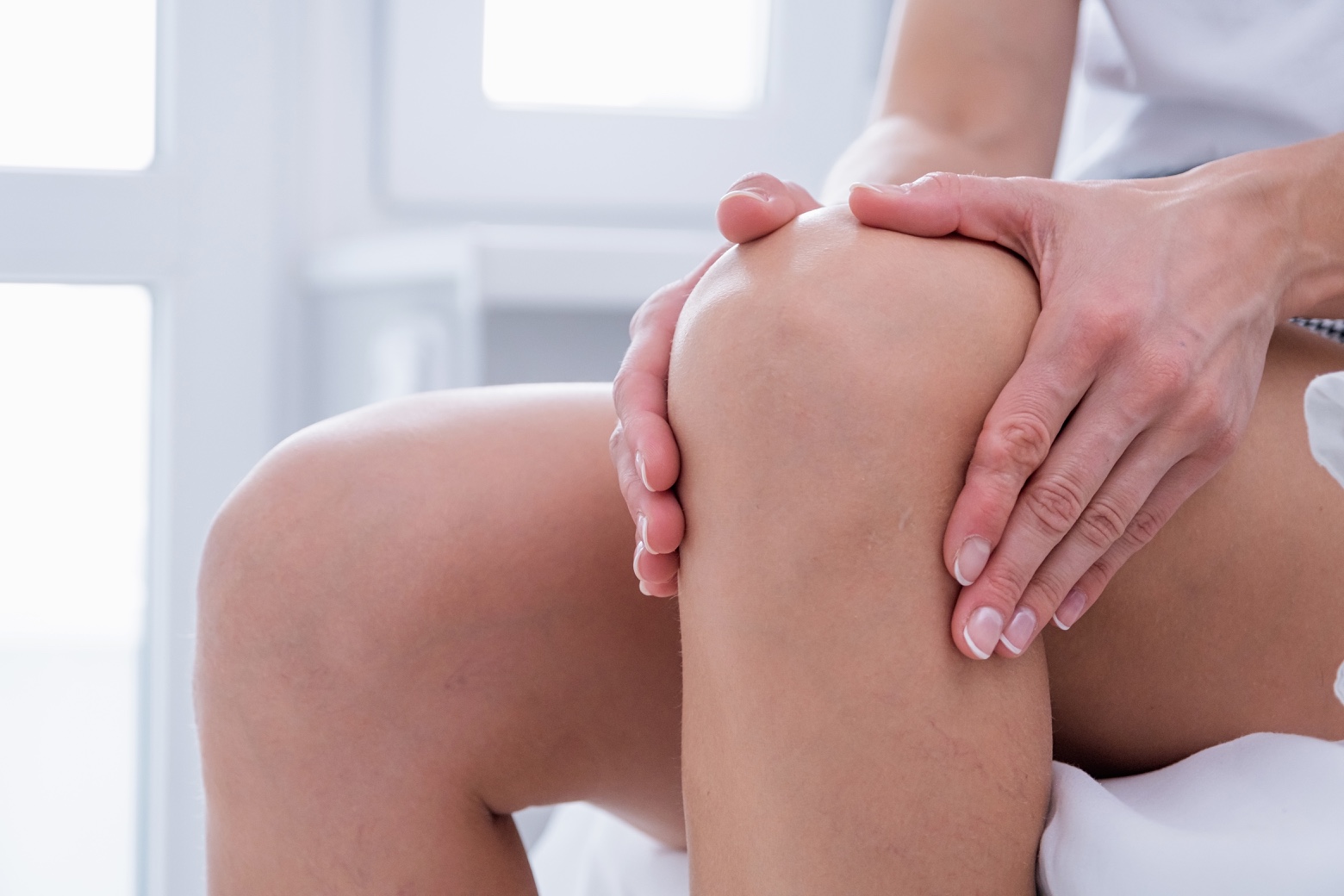
Rheumatoid arthritis is a chronic autoimmune disease that affects the joints, causing pain, inflammation, and stiffness.
Unlike osteoarthritis, which develops due to cartilage wear and tear over time, rheumatoid arthritis occurs when the immune system mistakenly attacks healthy tissues in the body, specifically the lining of the joints.
Understanding how a rheumatoid arthritis flare begins and its causes is essential for proper disease management. Although it is a chronic condition, early diagnosis and appropriate treatment can alleviate symptoms, protect the joints, and improve quality of life.
In this article, we will delve into the causes of rheumatoid arthritis, how flares are triggered, and what strategies can be adopted to keep the disease under control.
What is Rheumatoid Arthritis?
To understand how a rheumatoid arthritis flare is triggered, it’s essential first to know that it is an autoimmune disease. This means our immune system mistakenly attacks healthy cells, which protects us from infections.
In the case of rheumatoid arthritis, the immune system attacks the synovial membrane. This thin tissue lines the joints and produces synovial fluid, lubricating the joints and facilitating movement. This chronic synovial membrane inflammation causes pain, stiffness, and swelling and, over time, can damage cartilage and bone, leading to joint deformity and disability in some patients.
Why Does Rheumatoid Arthritis Occur?

Despite advances in research, the exact causes of rheumatoid arthritis are still not fully understood. However, it is believed that a combination of genetic, environmental, and immune system factors plays a significant role in its development.
Genetic Factors: It has been observed that people with a family history of the disease are more susceptible to developing it, although it cannot be considered a hereditary disease. Specific genes, such as HLA (human leukocyte antigen), increase the immune system’s susceptibility to attacking joint tissues.
Environmental Factors: Various environmental factors can trigger rheumatoid arthritis in genetically predisposed individuals, activating the immune system and triggering the autoimmune response. Some of these factors include:
- Infections: Some infections, such as those caused by the Epstein-Barr virus, cytomegalovirus, or the bacteria Proteus mirabilis or Porphyromonas gingivalis, could trigger rheumatoid arthritis in predisposed individuals.
- Smoking: Smoking is a significant risk factor for rheumatoid arthritis and has been linked to greater disease severity. Tobacco is believed to contain chemicals that can damage immune system cells and increase inflammation.
- Exposure to Toxins: Exposure to certain environmental toxins, such as silica dust, asbestos, or pesticides, has been associated with an increased risk of developing rheumatoid arthritis.
- Hormones: Female sex hormones appear to play a role in rheumatoid arthritis, as the disease is more common in women than in men, especially in women of childbearing age. Hormonal fluctuations, such as those occurring during the menstrual cycle or pregnancy, are thought to influence immune system activity.
Immune System Factors: For unknown reasons, the immune system of people with rheumatoid arthritis mistakenly identifies joint cells as foreign and attacks them, causing inflammation and damage. This autoimmune response is characterized by the production of autoantibodies that attack the body’s tissues.
How to Recognize the Symptoms of a Rheumatoid Arthritis Flare?
Identifying the symptoms of a rheumatoid arthritis flare early is crucial for adjusting treatment and preventing joint damage. Some of the most common symptoms during a flare include:
- Increased Joint Pain: The pain may be more intense and constant, affecting more joints than usual. The pain may be particularly severe in the morning or after periods of inactivity, worsening at rest and improving with physical activity.
- Joint Stiffness: Stiffness may be more pronounced in the morning or after periods of inactivity and may last more than 30 minutes. Stiffness can make it difficult to perform daily tasks, such as dressing or combing hair.
- Joint Swelling: The affected joints may be more swollen and warm to the touch. Swelling may be visible to the naked eye or may require palpation to detect.
Tips for Managing Rheumatoid Arthritis Flares

There is no foolproof method to prevent rheumatoid arthritis flares, but there are some measures that can help control the disease and reduce the frequency and intensity of flares:
- Follow the Established Treatment Plan: Following your doctor’s instructions and taking prescribed medications as directed, even when symptoms are under control, is essential. Treatment may include disease-modifying antirheumatic drugs (DMARDs), biologics, corticosteroids, and pain relievers.
- Maintain a Healthy Lifestyle: Eating a healthy diet, exercising regularly, getting enough sleep, and managing stress can help strengthen your immune system and reduce inflammation.
- Protect Your Joints: Avoid activities that overstress the joints, use assistive devices if necessary, and maintain good posture to help prevent joint damage.
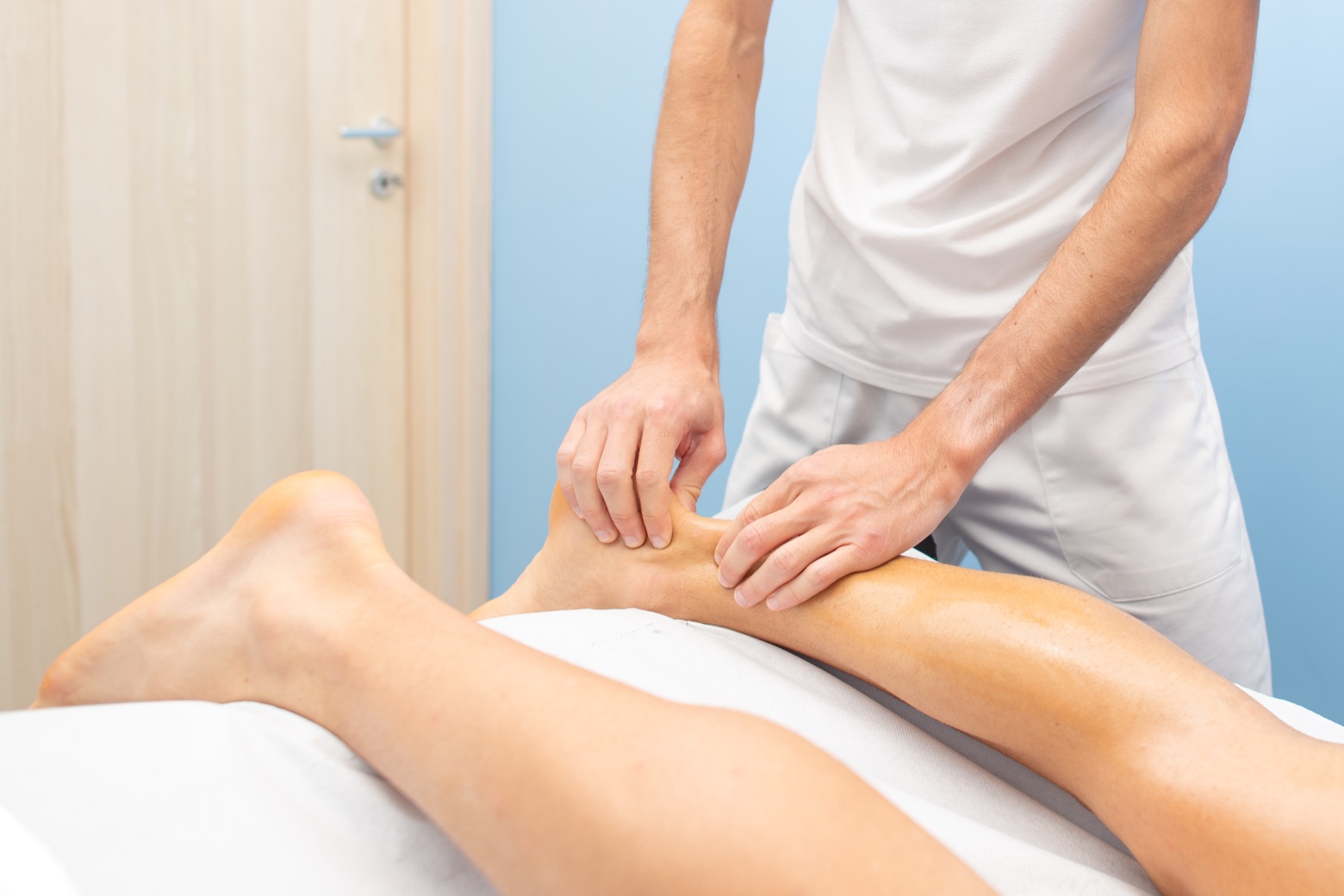
- Attend Physical Therapy: Physical therapy can help maintain joint mobility, strengthen the muscles around the joints, and reduce pain.
- Apply Heat or Cold: Applying heat to stiff joints and cold to inflamed joints can help alleviate symptoms. Heat is particularly beneficial for muscle contractures often associated with the condition.
- Manage Stress: Stress can trigger rheumatoid arthritis flares, so it is essential to find healthy ways to manage stress, such as meditation, yoga, or regular exercise.
- Inform Your Doctor of Any Changes in Symptoms: It is essential to inform your doctor of any changes in symptoms, even if they seem mild so that they can adjust treatment if necessary.
Conclusion:
At HM Hospitales, our medical team specializes in rheumatoid arthritis and offers you a close and human approach. We accompany you through the diagnosis and treatment process, using the latest technologies and always seeking the best option. If you need more information or would like to book an appointment with one of our specialists, please contact us.
Remember: This article is for informational purposes only and does not replace medical consultation. If you have any concerns, consult a healthcare professional.