According to the World Health Organization (WHO), it is the leading cause of cancer-related death worldwide, accounting for approximately 1.8 million deaths each year.
Lung cancer originates when cells in the lungs grow uncontrollably, forming a tumor. This abnormal growth can interfere with lung function, making breathing and gas exchange difficult. Lung cancer can spread to other parts of the body, a process known as metastasis, affecting vital organs and further compromising the patient’s health.
Symptoms of lung cancer
The symptoms of lung cancer can vary depending on the type, location, and stage of the disease. Some patients may not experience symptoms in the initial stages.
It is important to remember that these symptoms can be caused by other medical conditions, so it is essential to consult a doctor to obtain an accurate diagnosis.
Types of lung cancer
Lung cancer is mainly classified into two types:
Non-small cell lung cancer (NSCLC): it is the most common type, accounting for approximately 85% of cases. It is subdivided into adenocarcinoma, which originates in mucus-producing cells; squamous cell carcinoma, which originates in the cells lining the airways; and large cell carcinoma, which originates in several types of lung cells.
Small cell lung cancer (SCLC): this type is less common, but has a more aggressive growth rate. It is usually associated with smoking and is often diagnosed at advanced stages.
Causes of lung cancer
Smoking is the main cause of lung cancer, responsible for approximately 80–90% of cases. Tobacco smoke contains numerous carcinogenic chemicals that damage the DNA of lung cells, increasing the risk of developing cancer. Other contributing factors include exposure to radon, asbestos, certain chemicals, air pollution, and a family history of lung cancer.
Risk factors for lung cancer
The main risk factor for lung cancer is smoking, including the consumption of cigarettes, cigars, and pipes. Tobacco smoke contains numerous carcinogens that damage the DNA of lung cells. Other risk factors include:
Smoking: the risk increases with the number of cigarettes smoked per day and the number of years one has smoked.
Exposure to secondhand smoke.
Radon exposure.
Exposure to asbestos and other carcinogens in the workplace, such as arsenic, chromium, and nickel.
Family history of lung cancer.
Air pollution, especially exposure to fine particles and other pollutants.
Pre-existing lung diseases, such as chronic obstructive pulmonary disease (COPD) and pulmonary fibrosis.
Complications of lung cancer
Lung cancer can cause various complications, including:
Difficulty breathing (dyspnea), which can be severe and limit physical activity.
Chest pain and other respiratory symptoms, such as coughing and wheezing.
Pleural effusion (accumulation of fluid around the lungs), which can cause difficulty breathing and pain.
Superior vena cava syndrome (obstruction of the superior vena cava), which can cause swelling in the face, neck, and arms.
Recurrent lung infections, due to the weakening of the immune system.
Metastasis: cancer can spread to other organs, such as the brain, bones, liver, or adrenal glands, causing additional complications.
Diagnosis of lung cancer
The diagnosis of lung cancer generally begins with a complete medical evaluation, which includes a review of the patient’s medical history, a physical examination, and imaging tests. Diagnostic tests may include:
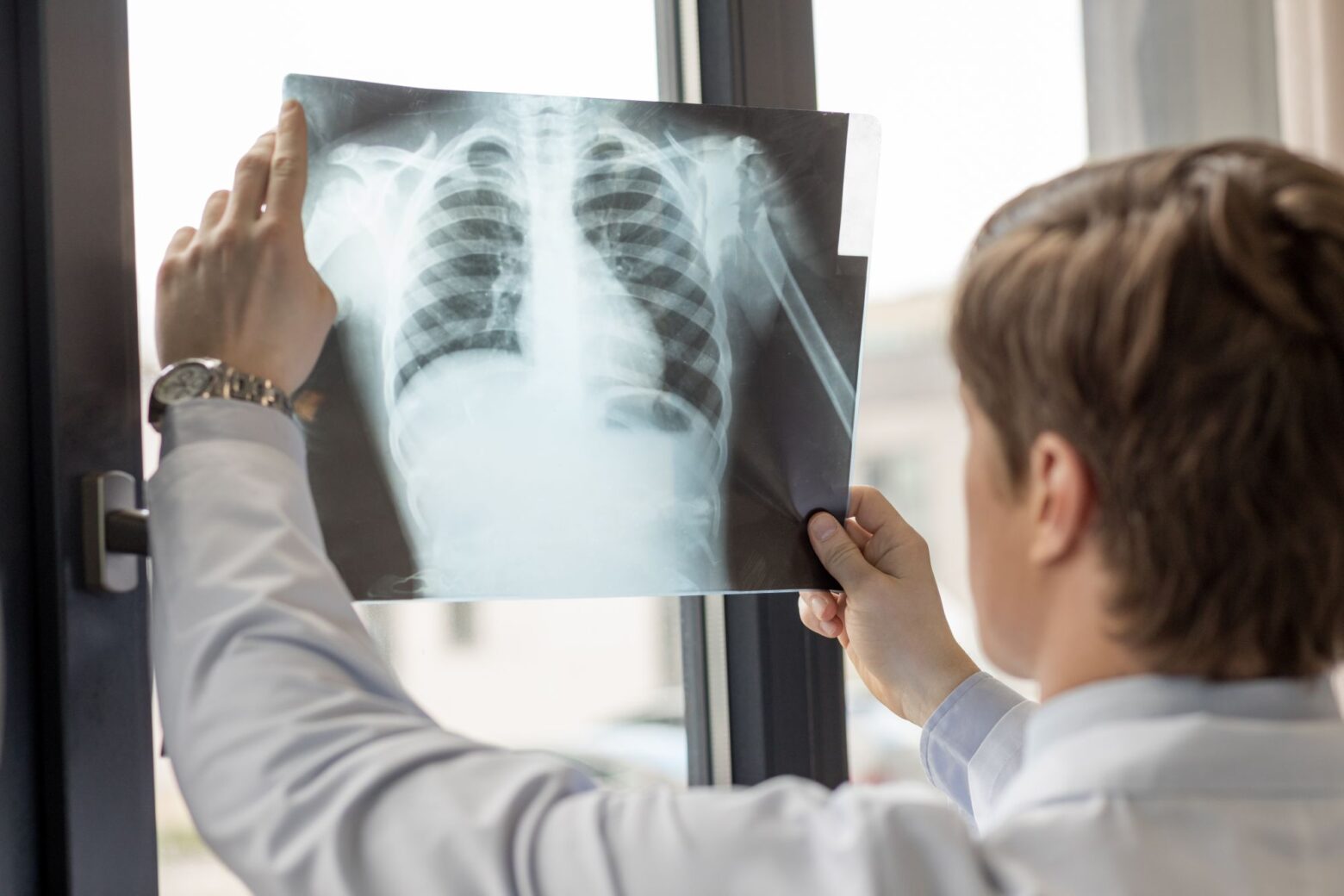
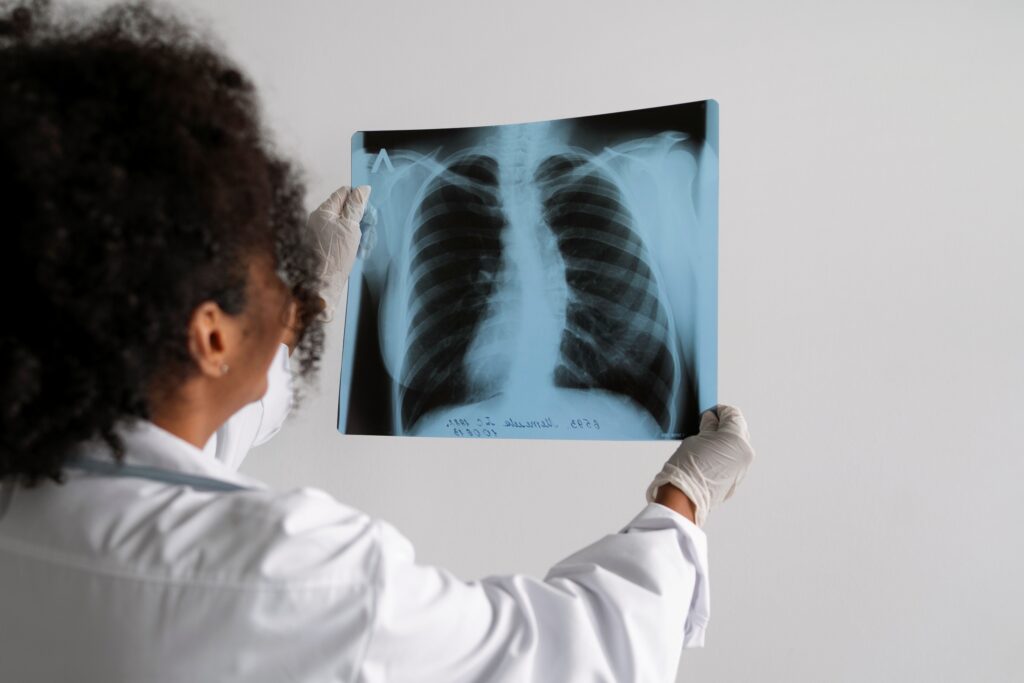
Chest X-ray: a chest X-ray is often the first test performed to evaluate respiratory symptoms. It may show a tumor or other abnormalities in the lungs, such as nodules, masses, or pleural effusion.
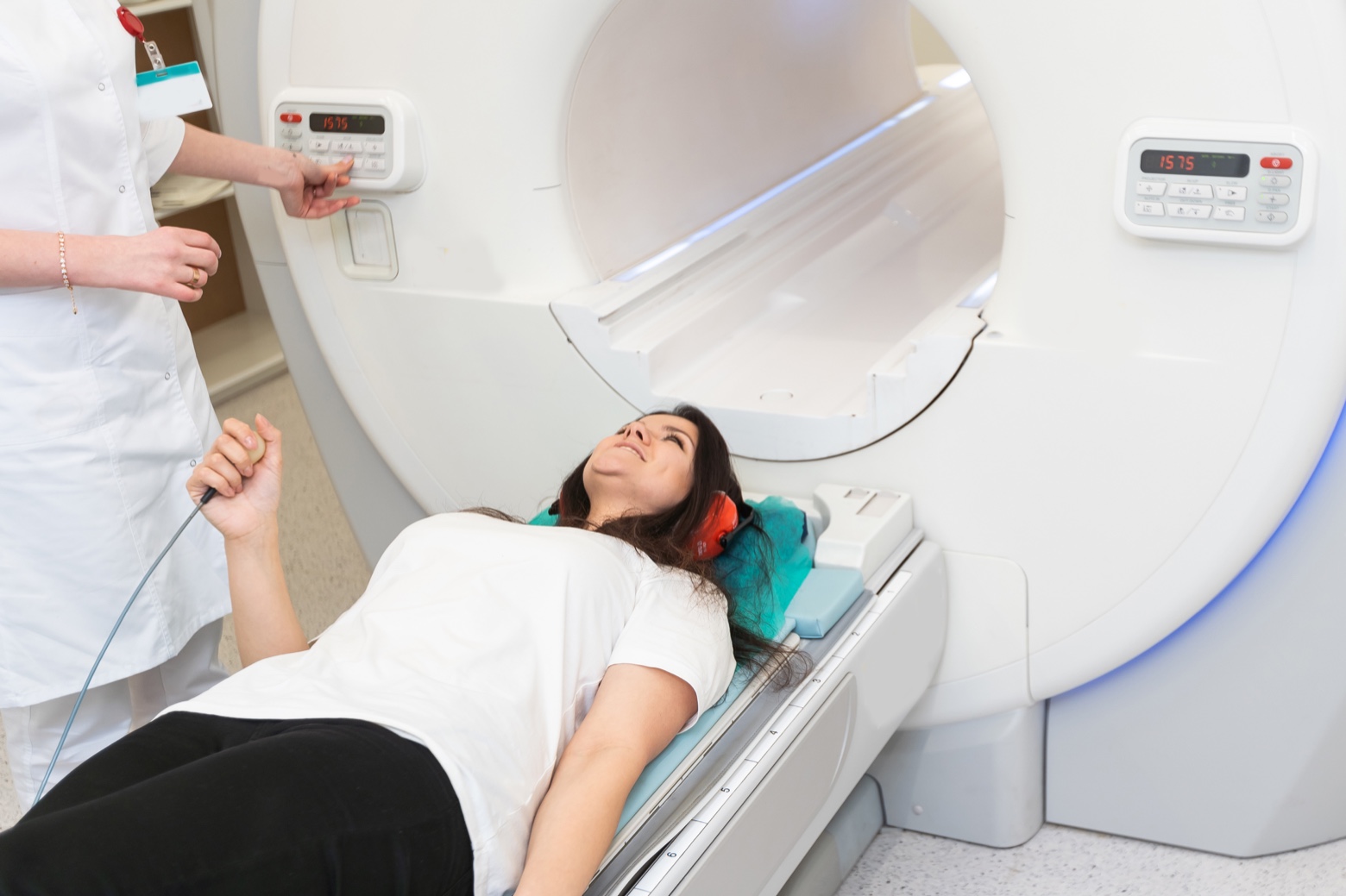
Computerized Tomography (CT scan): a CT scan provides more detailed images of the lungs and can help determine the size, location, and extent of the tumor. It can also help identify the presence of enlarged lymph nodes or metastases in other organs.
Sputum cytology: a sample of sputum (phlegm) is examined for cancer cells. This study could help with the initial diagnosis, especially when patients present with a productive cough; however, the diagnostic sensitivity is low.
Biopsy: a small sample of lung tissue is removed to be examined under a microscope. This can be done by needle biopsy, bronchoscopy (insertion of a thin tube with a camera into the airways), or thoracoscopy (insertion of a thin tube with a camera into the pleural space). A biopsy is the definitive test to diagnose lung cancer and determine the type of cancer.
Positron Emission Tomography (PET): a PET scan can help determine whether the cancer has spread to other parts of the body. It is crucial in localized stages, when surgical resection with curative intent is considered.
Pulmonary function tests: pulmonary function tests measure the ability of the lungs to function properly.
Bronchoscopy: a thin, flexible tube with a light and camera (bronchoscope) is inserted through the nose or mouth into the lungs. The doctor can visualize the airways and take tissue samples. At HM Hospitales, we have Respiratory Endoscopy Units specializing in performing bronchoscopies and EBUS (echobronchoscopies). The latter allows hilar-mediastinal lymph node involvement to be detected by ultrasound and its malignancy to be confirmed by taking samples.
Needle biopsy: a needle is inserted through the skin of the chest into the lung to obtain a tissue sample. This procedure is performed with image guidance, such as a CT scan or ultrasound.
Mediastinoscopy: a small incision is made at the base of the neck (at the mid-suprasternal level) to examine the lymph nodes of the mediastinum (the area between the lungs).
Thoracoscopy: a thin tube with a light and a camera (thoracoscope) is inserted through a small incision in the chest to examine the surface of the lungs and the pleura (the membrane that lines the lungs and the chest cavity).
Molecular tests: molecular tests analyze the genetic material of cancer cells to identify specific mutations that can guide treatment. These tests can help determine whether a patient is a candidate for targeted therapies, which target specific mutations in cancer cells. Our Therapeutic Targets Laboratory at HM Hospitales offers these tests.
Lung cancer treatment
The treatment of lung cancer depends on the type and stage of the cancer, as well as the patient’s overall health and preferences. Treatment options include:
Chemotherapy: it uses powerful drugs to destroy cancer cells, either to shrink the tumor before surgery (neoadjuvant chemotherapy) or to eliminate any remaining cancer cells after surgery (adjuvant chemotherapy). It can also be used to treat advanced lung cancer that has spread to other parts of the body.
Radiotherapy: it uses high-energy X-rays or particles such as photons to destroy cancer cells. It can be used alone or in combination with chemotherapy. There are different types of radiotherapy, such as external beam radiotherapy (which is administered from outside the body) and brachytherapy (which involves placing radioactive material directly into the tumor).
Immunotherapy: it helps the patient’s immune system recognize and destroy cancer cells. It uses medications that stimulate the immune system or that block signals that prevent the immune system from attacking cancer.
Often, a combination of treatments is used to achieve the best results. A multidisciplinary team, which may include oncologists, thoracic surgeons, radiologists, pulmonologists, radiation oncologists, and other specialists, works together to develop a personalized treatment plan for each patient.
Remember that this article is for informational purposes only and does not replace professional medical advice. If you suspect you have lung cancer, consult a specialist to obtain an accurate diagnosis and a treatment plan tailored to your needs.
Our doctors
Contact and make an appointment with the professionals in this area