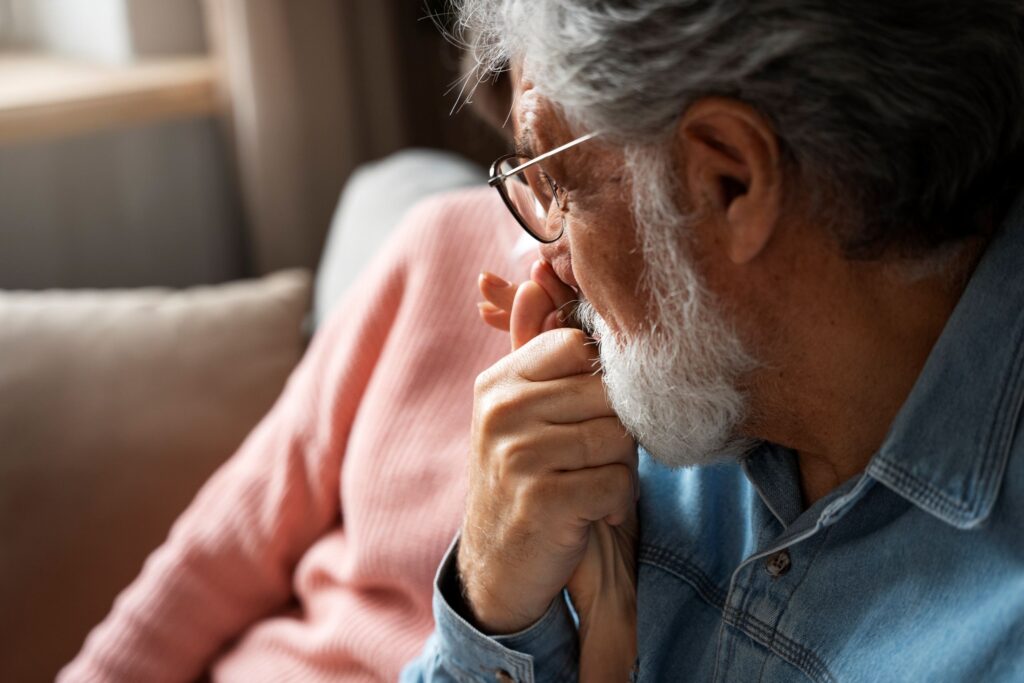
Dementia is a syndrome, not a specific disease, characterized by a decline in cognitive abilities, such as memory, thinking, and language, severe enough to interfere with daily life. This cognitive decline goes beyond the normal changes associated with aging.
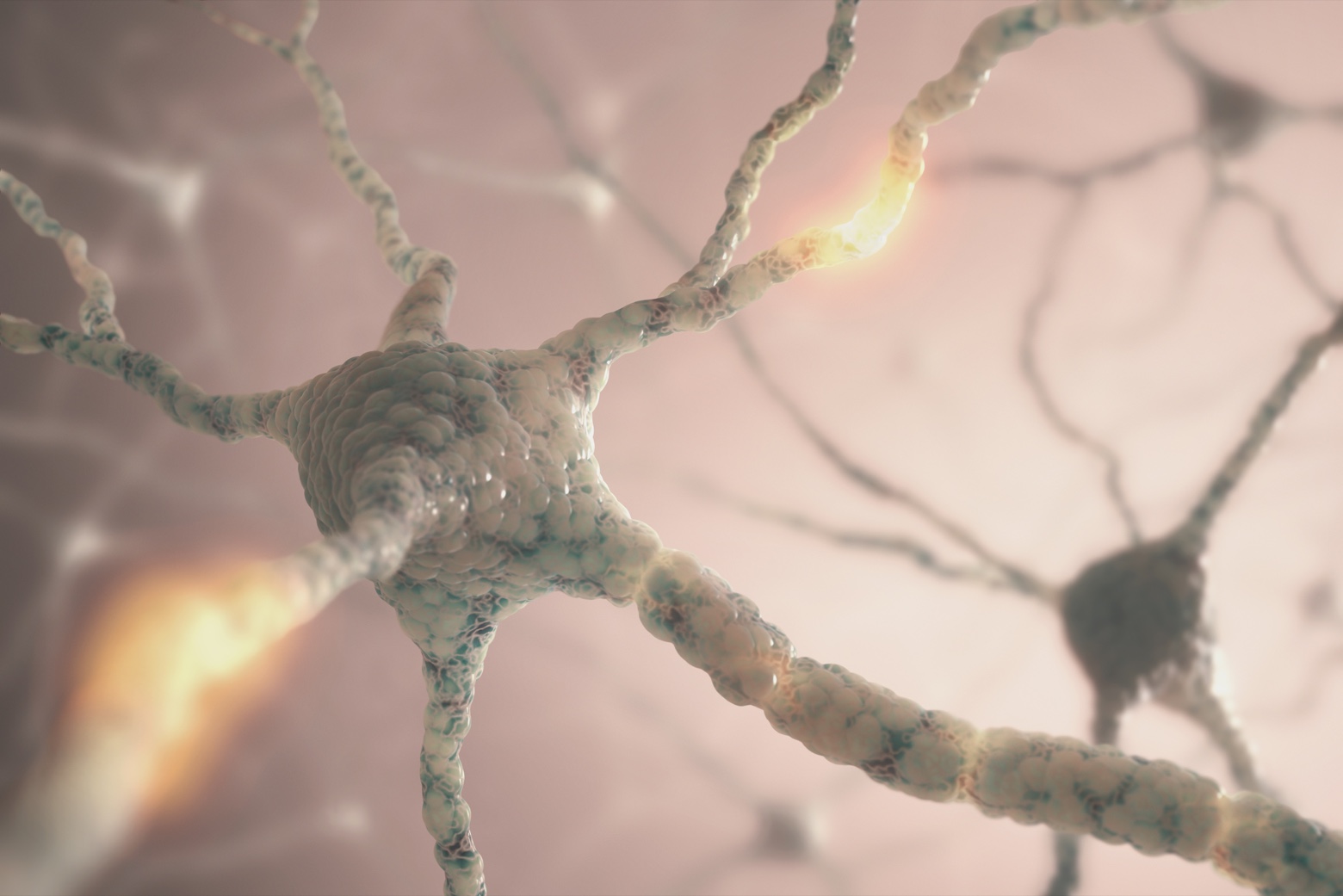
These impairments can be caused by different factors, such as the accumulation of abnormal proteins, reduced blood flow, or inflammation. As a result, nerve cells (neurons) and their connections deteriorate, affecting the brain’s ability to function properly. This results in the characteristic symptoms of dementia, which significantly impact the autonomy and quality of life of affected individuals.
Symptoms of dementia
Dementia manifests in various ways, and symptoms can vary considerably from person to person. Furthermore, the progression of the disease is also different in each case. Some may experience a gradual decline, while others may show a more rapid deterioration. The following are some of the most common symptoms, differentiating between early and late stages.
Early symptoms:
memory loss, especially of recent events; difficulty communicating or finding words; difficulty performing familiar tasks; disorientation in time and space; problems with reasoning or problem-solving; difficulty making decisions; changes in mood or personality; loss of initiative.
Late symptoms:
severe memory loss; difficulty recognizing family and friends; difficulty communicating; inability to care for oneself; changes in behavior, such as agitation, wandering, or aggressiveness; hallucinations or delusions.
Classification of dementia
Dementia can be classified according to different criteria, such as the underlying cause, the type of predominant symptoms, or the pattern of disease progression. A common classification distinguishes between reversible and irreversible dementias:
Irreversible dementia: most dementias are irreversible, meaning there is no treatment that can cure the disease or reverse brain damage. However, there are treatments that can help control symptoms and slow the progression of the disease. Some examples of irreversible dementias include:
Alzheimer’s disease: the most common form of dementia, characterized by the buildup of amyloid plaques and neurofibrillary tangles in the brain.
Vascular dementia: caused by brain damage due to reduced blood flow, often as a result of strokes (cerebrovascular accidents).
Lewy body dementia: characterized by the presence of Lewy bodies, abnormal protein deposits, in the brain. It is often associated with parkinsonian symptoms, such as tremors and rigidity.
Frontotemporal dementia: a group of disorders that primarily affect the frontal and temporal areas of the brain, which control behavior, personality, and language.
Reversible dementia: in some cases, dementia can be caused by treatable conditions, such as nutritional deficiencies, thyroid problems, normal pressure hydrocephalus, or medication side effects. If these conditions are identified and treated in time, cognitive function can improve or even return to normal. Some examples of reversible dementias include:
Dementia due to vitamin B12 deficiency: a lack of vitamin B12 can cause dementia-like symptoms, such as confusion, memory loss, and difficulty concentrating.
Dementia due to hypothyroidism: an underactive thyroid gland can cause mental slowness, memory problems, and depression, which can be mistaken for dementia.
Normal pressure hydrocephalus: the buildup of cerebrospinal fluid in the brain can cause difficulty walking, urinary incontinence, and cognitive impairment.
Drug-induced dementia: some drugs can cause cognitive side effects that mimic dementia.
Causes of dementia
The causes of dementia are complex and multifactorial. In many cases, the exact cause is unknown, but the most common is Alzheimer’s disease, which accounts for between 60% and 80% of cases. Other causes include: vascular dementia, Lewy body dementia, frontotemporal dementia, Parkinson’s disease, Huntington’s disease, traumatic brain injury, infections, brain tumors, and certain medical conditions. ciones, tumores cerebrales y ciertas afecciones médicas.
Several factors can increase the risk of developing dementia. Some of these factors are modifiable, meaning they can be changed to reduce the risk. Other factors, such as age and genetics, are not modifiable. Some risk factors for dementia include:
Age: the risk increases with age, especially after age 65.
Family history: having a close relative with dementia increases the risk.
Genetic factors: certain genes increase susceptibility to Alzheimer’s disease and other forms of dementia.
Lifestyle factors: high blood pressure, high cholesterol, diabetes, obesity, smoking, and lack of physical exercise increase the risk of vascular dementia.
Traumatic brain injury: traumatic brain injuries can increase the risk of dementia.
Complications of dementia
Dementia can have a significant impact on the health and well-being of patients and their families. Complications may include:
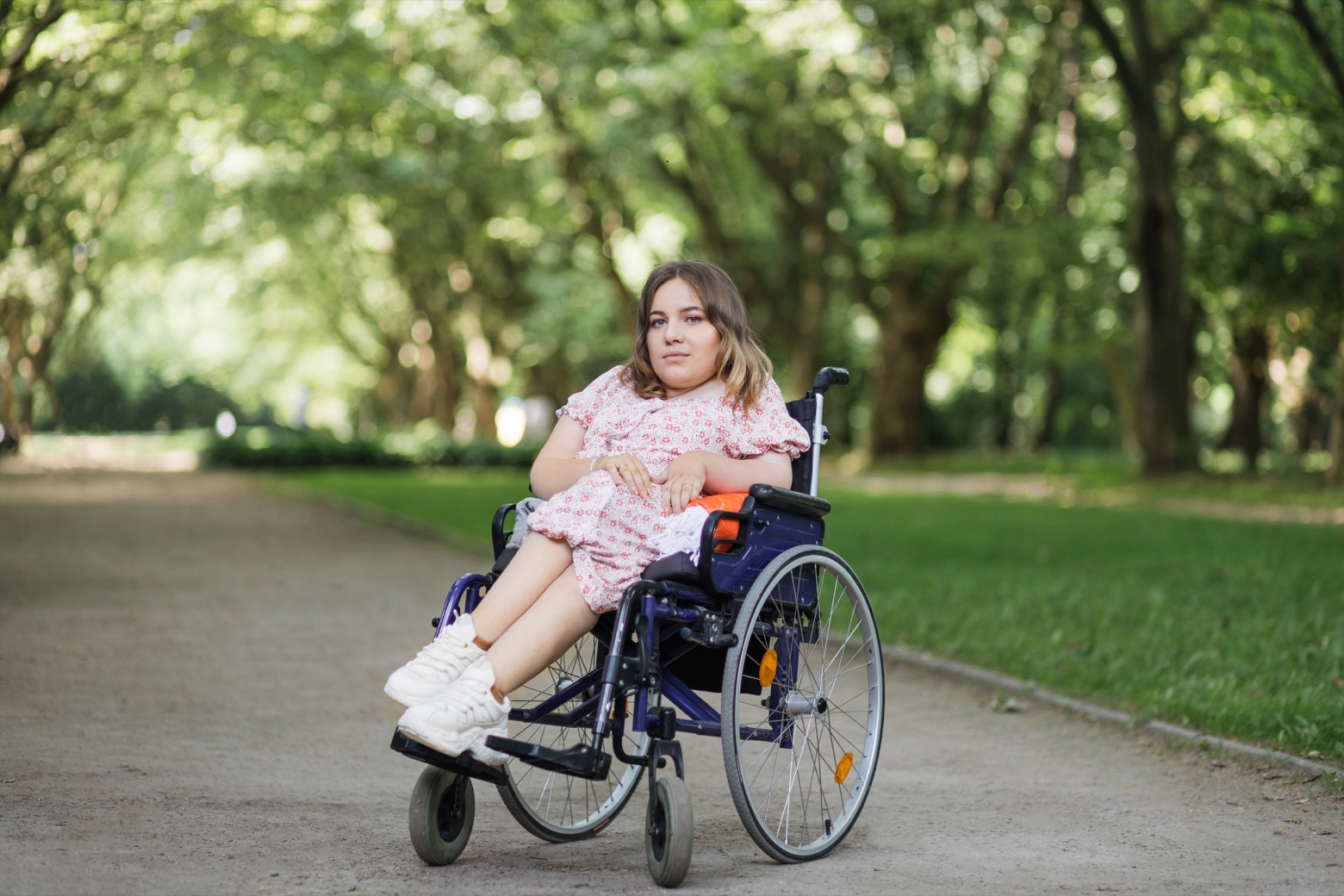
Loss of independence: as dementia progresses, patients may lose the ability to perform everyday tasks, such as dressing, bathing, and eating.
Behavioral problems: agitation, aggression, wandering, and hallucinations can be difficult for caregivers to manage.
Depression: dementia can cause depression in both patients and their caregivers.
Social isolation: patients with dementia may become socially isolated as they lose the ability to communicate and participate in social activities.
Increased risk of falls and injuries: disorientation and balance problems can increase the risk of falls and injuries.
Pneumonia: difficulty swallowing can increase the risk of aspiration pneumonia.
Urinary tract infections: incontinence and difficulty maintaining good hygiene can increase the risk of urinary tract infections.
Malnutrition: difficulty eating can lead to malnutrition.
Diagnosis of dementia
The diagnosis of dementia involves a thorough evaluation by a doctor, usually a neurologist, geriatrician, or psychiatrist. The diagnostic process may include:
Detailed medical history: the doctor will gather information about the symptoms, past medical history, family history, and medications the person is taking. It is important to provide the doctor with as much information as possible to help in the diagnostic process.
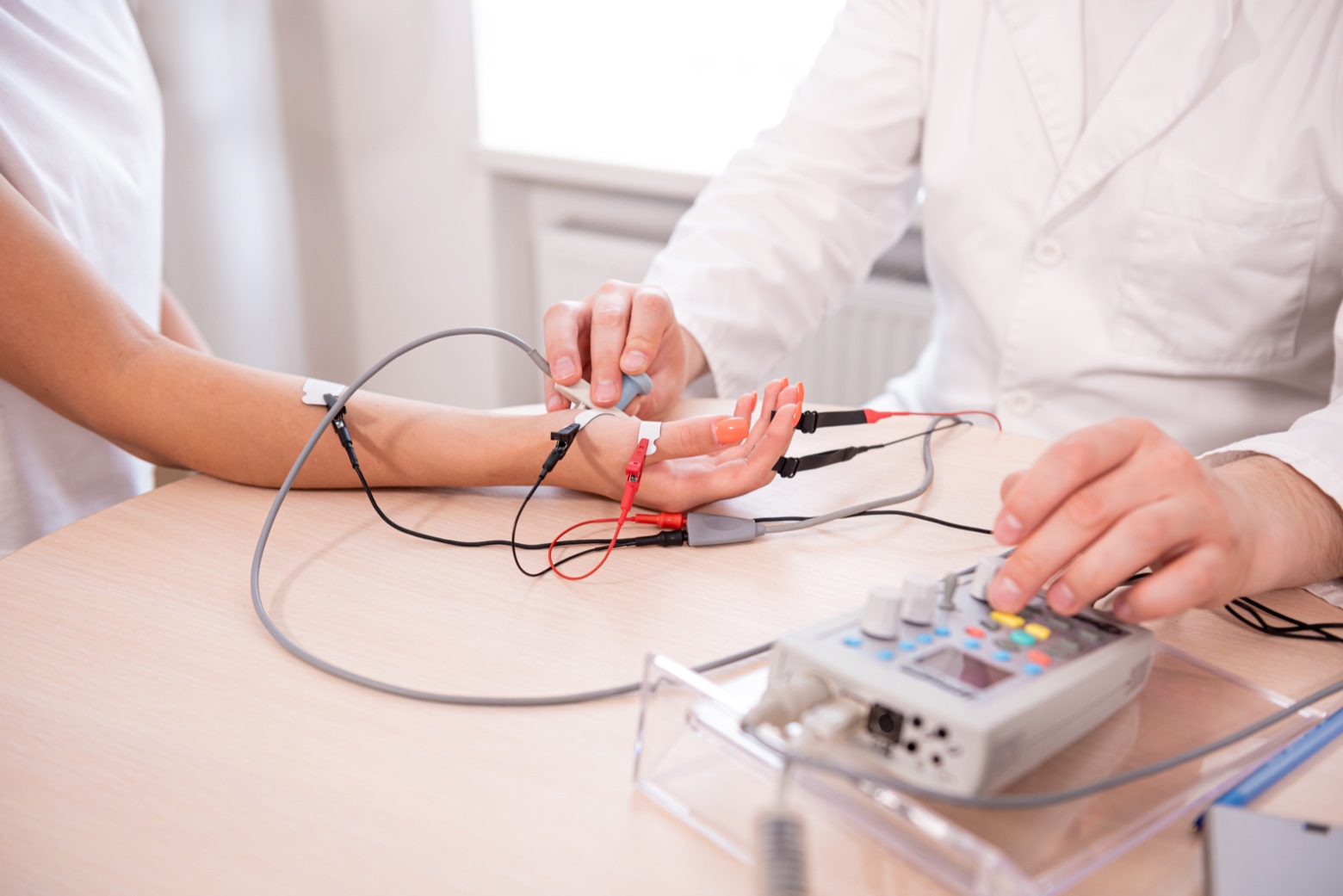
Physical and neurological examination: the doctor will perform a complete physical examination, including a neurological evaluation to assess cognitive, motor, and sensory functions.
Mental status assessment: tests will be conducted to assess cognitive abilities, such as memory, language, attention, orientation, reasoning, and problem-solving. These tests may include the Mini-Mental State Examination (MMSE), the Montreal Cognitive Assessment (MoCA), and other, more specific neuropsychological tests.
Laboratory tests: blood tests can be performed to rule out other causes of the symptoms, such as vitamin deficiencies, thyroid problems, infections, or metabolic disorders.
Neuroimaging studies: neuroimaging techniques, such as computed tomography (CT) or magnetic resonance imaging (MRI) of the brain, can help identify structural changes in the brain, such as atrophy, strokes (infarcts), or tumors, which may be related to dementia.
Positron Emission Tomography (PET): in some cases, a PET scan can be performed to assess the brain’s metabolic activity and look for patterns characteristic of Alzheimer’s disease or other forms of dementia. This technique can help differentiate between different types of dementia.
Dementia treatments
Although there is no cure for most forms of dementia, there are treatments that can help manage symptoms, improve quality of life, and, in some cases, slow the progression of the disease. The treatment plan is individualized according to the type of dementia, the severity of the symptoms, and the specific needs of each person. Treatment options may include:
Medications: there are medications that can help improve memory, thinking, language, and behavior in patients with Alzheimer’s disease and other forms of dementia. Some examples include cholinesterase inhibitors, memantine, and other drugs to treat specific symptoms, such as depression, anxiety, agitation, or sleep disorders. It is important to note that these medications do not cure dementia, but they can help control symptoms and improve quality of life.
Non-pharmacological therapy: non-pharmacological interventions, such as occupational therapy, physical therapy, cognitive therapy, music therapy, and reminiscence therapy, can be beneficial for people with dementia. These therapies can help maintain cognitive and functional skills, reduce behavioral problems, improve mood, and promote overall well-being.
Lifestyle changes: adopting a healthy lifestyle can be beneficial for people with dementia. A balanced diet, regular exercise, social activity, and cognitive stimulation can help maintain brain health and improve quality of life.
Support for caregivers: caring for a person with dementia can be a challenging and stressful task. It is important that caregivers receive support and resources to help them cope with the demands of caregiving. Support groups, dementia education, and home care can be of great help to caregivers.
Remember that this article is for informational purposes only and does not replace professional medical advice. If you suspect you have dementia, consult a specialist to obtain an accurate diagnosis and an appropriate treatment plan tailored to your needs.
Our doctors
Contact and make an appointment with the professionals in this area