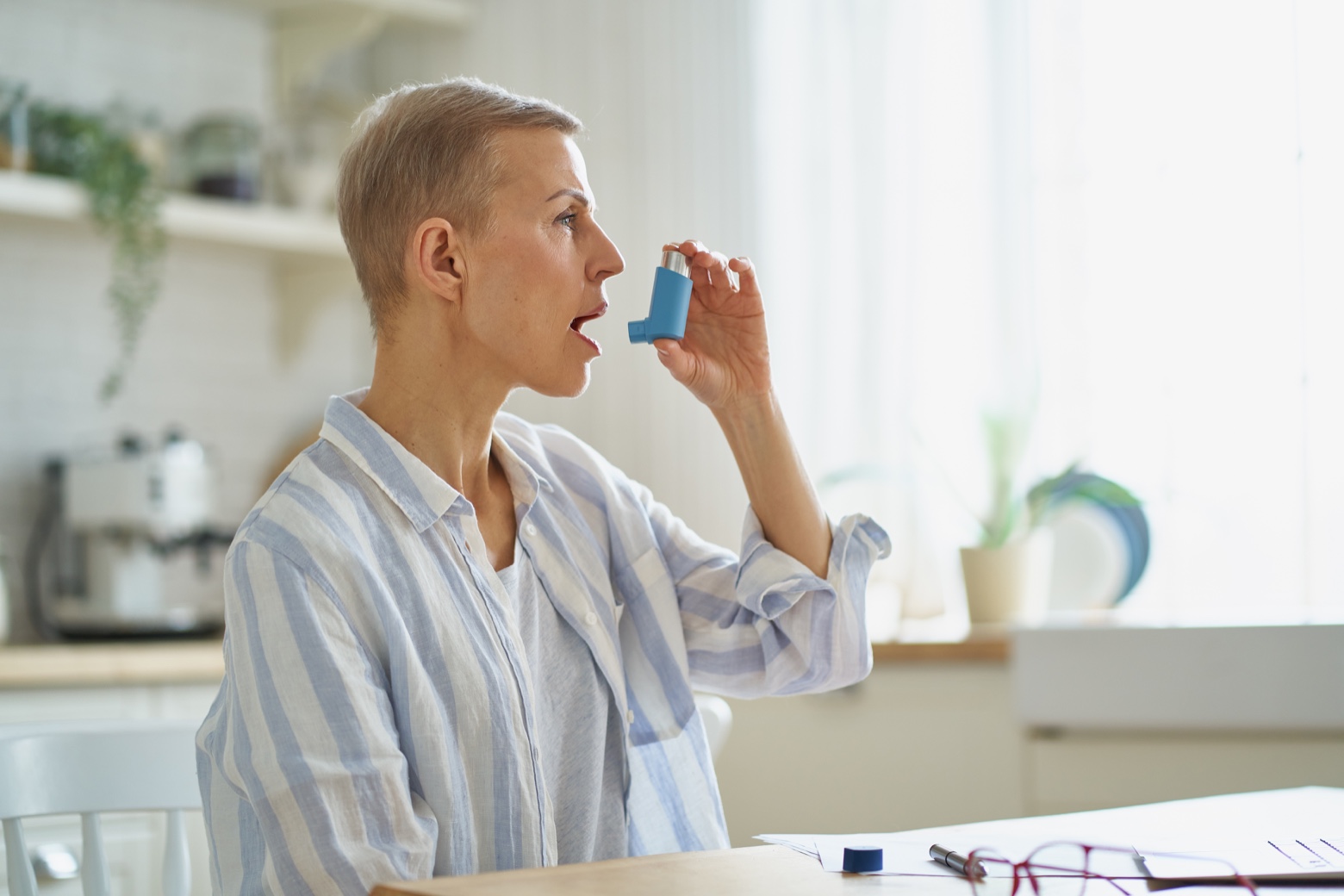
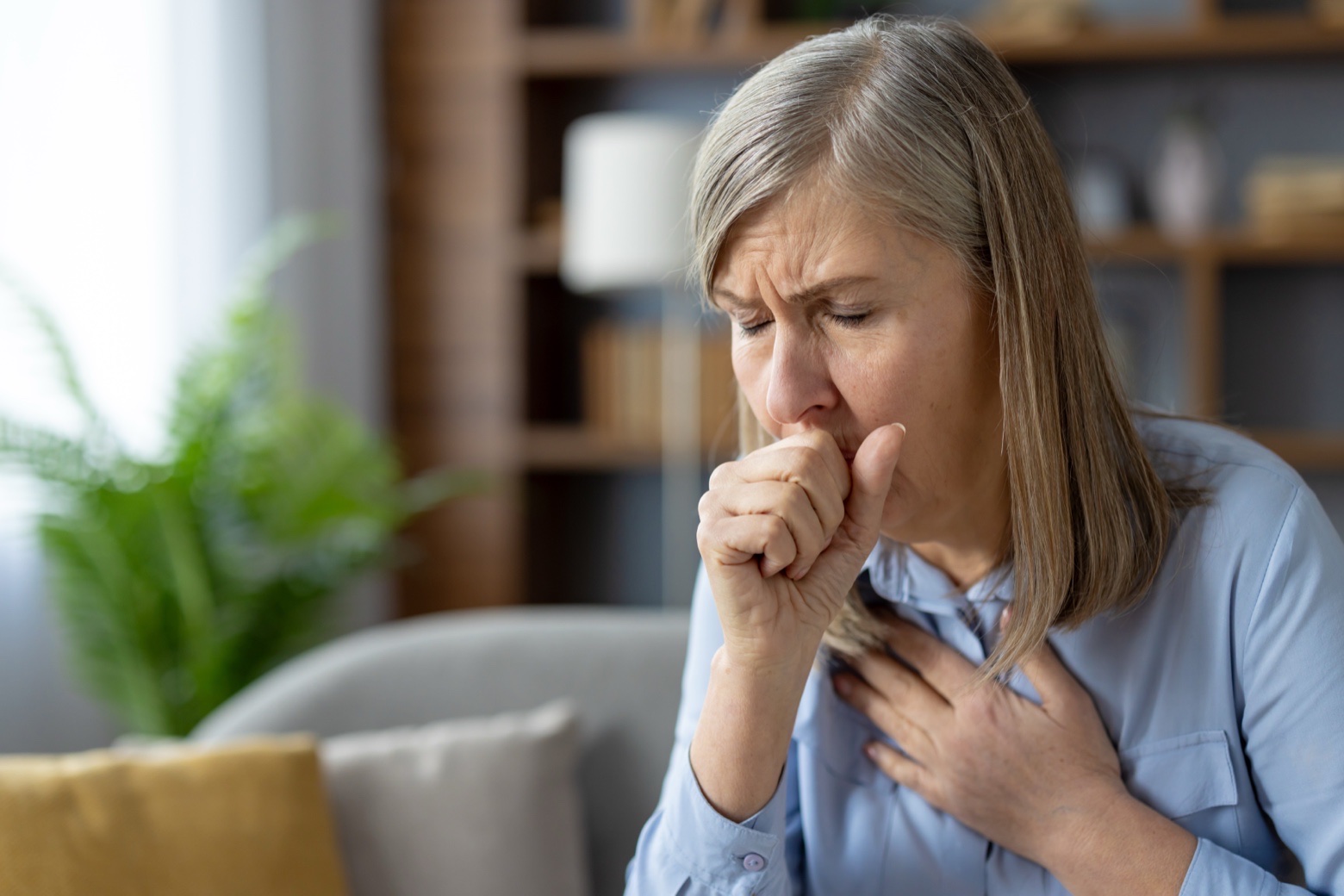
Asthma is a chronic, heterogeneous disease of the lungs that inflames and narrows the airways in a variable manner over time. This inflammation causes wheezing, shortness of breath, chest tightness, and cough, especially at night or early in the morning. Asthma makes it difficult for air to enter and leave the lungs, which can limit physical activity and reduce quality of life.
Although there is no cure, asthma can be controlled with appropriate treatment, allowing people to lead a normal and active life. It can affect people of all ages, including adults and the elderly, with phenotypes such as late-onset asthma, which is more common in women and less responsive to inhaled corticosteroids.
Symptoms of asthma
Asthma symptoms can vary from person to person, both in type and intensity, and can come and go. The most common symptoms include:
Wheezing:
a whistling sound when breathing, especially when exhaling.
Shortness of breath:
a feeling of difficulty breathing or not being able to get enough air.
Chest tightness:
a feeling of pressure or tension in the chest.
Cough:
especially at night or early in the morning.
It is important to note that the intensity of symptoms can vary over time, and some people may experience severe episodes that require urgent medical attention.
Asthma classification
Asthma is not a single disease, but rather a condition that presents itself in various forms. Understanding how asthma is classified is crucial to tailoring treatment to each patient’s individual needs. Asthma can be classified according to its degree of control:
Controlled asthma: without daytime or nighttime symptoms, with infrequent use of rescue medication.
Partly controlled asthma: symptoms >2 times/week, some activity limitation.
In addition, asthma can also be classified according to specific phenotypes:
Allergic asthma: triggered by allergens such as pollen, dust mites, or mold.
Non-allergic asthma: triggered by respiratory infections, cold air, or exercise.
Occupational asthma: caused by exposure to irritants in the workplace.
Late-onset asthma: predominant in adult women and with a lower response to inhaled corticosteroids.
Severe asthma: characterized by frequent exacerbations and the need for advanced therapies such as monoclonal antibodies.
Causes and risk factors of asthma
Asthma is the result of a complex interaction between genetic and environmental factors. Among the most significant risk factors are:
Genetic factors:
Having a family history of asthma or allergic diseases (rhinitis, atopic dermatitis) significantly increases the risk of developing asthma.
Multiple genes associated with susceptibility to asthma have been identified, including those related to inflammation of the airways and the immune response.
Environmental factors:
Tobacco smoke: exposure to tobacco smoke during childhood, especially during the prenatal period or the first years of life, is associated with a higher risk of developing asthma and a worse course of the disease.
Air pollution: exposure to pollutants such as fine particulate matter (PM2.5), nitrogen dioxide (NO₂), and ozone (O₃) can cause inflammation in the airways and increase the prevalence of asthma.
Exposure to allergens: inhaled allergens such as dust mites, pollen, mold spores, and animal hair can induce inflammation of the airways in genetically susceptible individuals.
Climatic conditions: factors such as sudden temperature changes, cold air, and high humidity can exacerbate asthma symptoms.
Immunological factors and microbiome:
Microbiome dysbiosis: alterations in the respiratory and intestinal microbiota are related to the development of asthma, as they affect the immune response and inflammation of the airways.
Early respiratory infections: viral infections in childhood, such as respiratory syncytial virus (RSV) and rhinovirus, can increase susceptibility to asthma.
Lifestyle-related factors:
Obesity: an obesity-associated asthma phenotype has been identified, characterized by systemic inflammation, reduced response to corticosteroids, and increased respiratory difficulty.
Diet and nutrition: a diet low in fruit and vegetables and high in ultra-processed foods may increase the risk of asthma. Consuming antioxidants and omega-3 fatty acids is associated with protective effects.
Exercise and physical activity: although exercise is beneficial in most cases, for some people exercise-induced asthma can be a trigger.
Asthma, when not properly controlled, can lead to various complications that affect quality of life and long-term health. It is crucial to be aware of these possible consequences in order to seek appropriate management of the disease. These include:
Severe asthma attacks: that require emergency medical attention.
Decreased lung function: over time, asthma can damage the lungs and make breathing difficult.
Hospitalization: severe asthma attacks may require hospitalization.
Sleep problems: asthma symptoms can disrupt sleep.
Decreased quality of life: asthma can limit the ability to participate in everyday activities.
It is important for people with asthma to work with their doctors to develop a treatment plan that will help them control their symptoms and prevent complications.
If you suspect you have asthma, it is important to consult a doctor for an accurate diagnosis and appropriate treatment.
Diagnosis of asthma
The diagnosis of asthma can be a complex process that requires a thorough evaluation by a doctor. It is important to obtain an accurate diagnosis in order to begin the appropriate treatment and control the symptoms. The diagnosis of asthma is based on a combination of:
Medical history and symptoms:
Assessment of the frequency, intensity, and patterns of respiratory symptoms.
Inquiry into family history of asthma and allergic diseases.
Identification of triggers such as allergens, pollution, or exercise.
Physical examination:
Pulmonary auscultation to detect wheezing or abnormal respiratory sounds.
Evaluation of signs of concomitant allergies such as rhinitis or atopic dermatitis.
Pulmonary function tests:
Spirometry: it measures forced expiratory volume in one second (FEV1) and forced vital capacity (FVC) to assess bronchial obstruction.
Bronchodilator reversibility test: evaluates the improvement in FEV1 after administration of a bronchodilator.
Bronchial provocation test: used in cases of uncertain diagnosis to induce bronchospasm using methacholine or exercise.
Measurement of FeNO (Fractional Exhaled Nitric Oxide): useful for detecting eosinophilic inflammation in the airways.
Additional tests:
Skin tests or specific IgE tests to identify sensitization to allergens.
Chest X-ray to rule out underlying lung diseases in atypical cases.
Study of the peak expiratory flow (PEF) variability pattern using home monitoring.
Important note: A chest X-ray is not a standard diagnostic criterion for asthma, but it can be useful to rule out other diseases.
Asthma treatments
The main goal of asthma treatment is to control airway inflammation and relieve symptoms. The treatment plan may include:
Long-term control medications: taken daily to prevent symptoms. These include inhaled corticosteroids (anti-inflammatories), long-acting bronchodilators (to relax the airways), and leukotriene modifiers (to block inflammatory substances).
Quick-relief medications: they are used to relieve acute symptoms, such as wheezing and shortness of breath. The most common therapeutic class is short-acting bronchodilators, administered with an inhaler. It is important to always carry it with you and know how to use it correctly.
Lifestyle changes: they help control symptoms and reduce the need for medication. These include avoiding triggers, maintaining a healthy weight, exercising regularly, and managing stress.
Immunotherapy: for people with allergic asthma, it can decrease sensitivity to allergens. It is administered by injection or sublingual tablets.
Pulmonary rehabilitation: a comprehensive program to improve lung function and quality of life. It includes breathing exercises, physical training, education, and support.
Remember that this article is for informational purposes only and does not replace professional medical advice. If you suspect you have asthma, consult a specialist to obtain an accurate diagnosis and an appropriate treatment plan tailored to your needs.
Our doctors
Contact and make an appointment with the professionals in this area