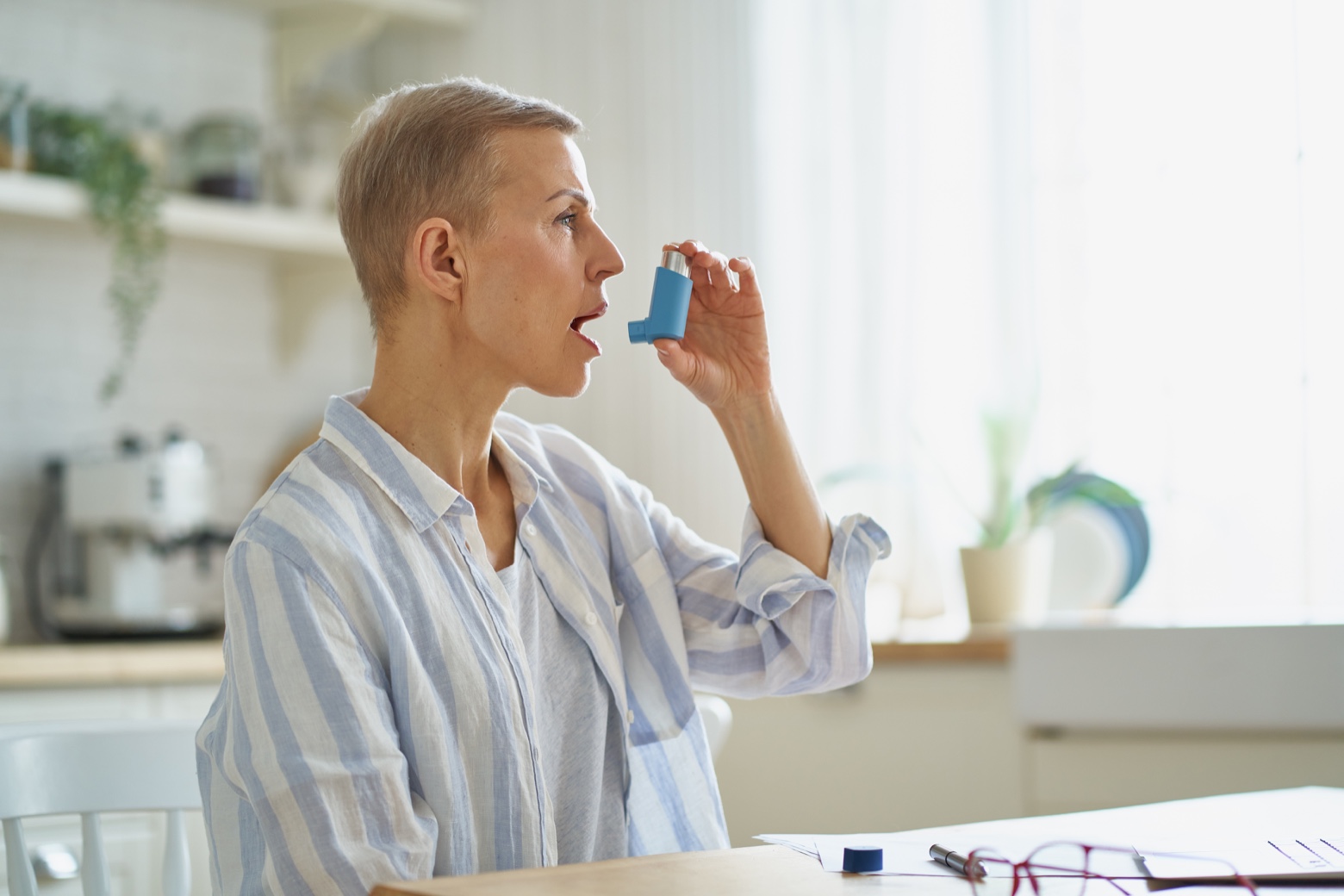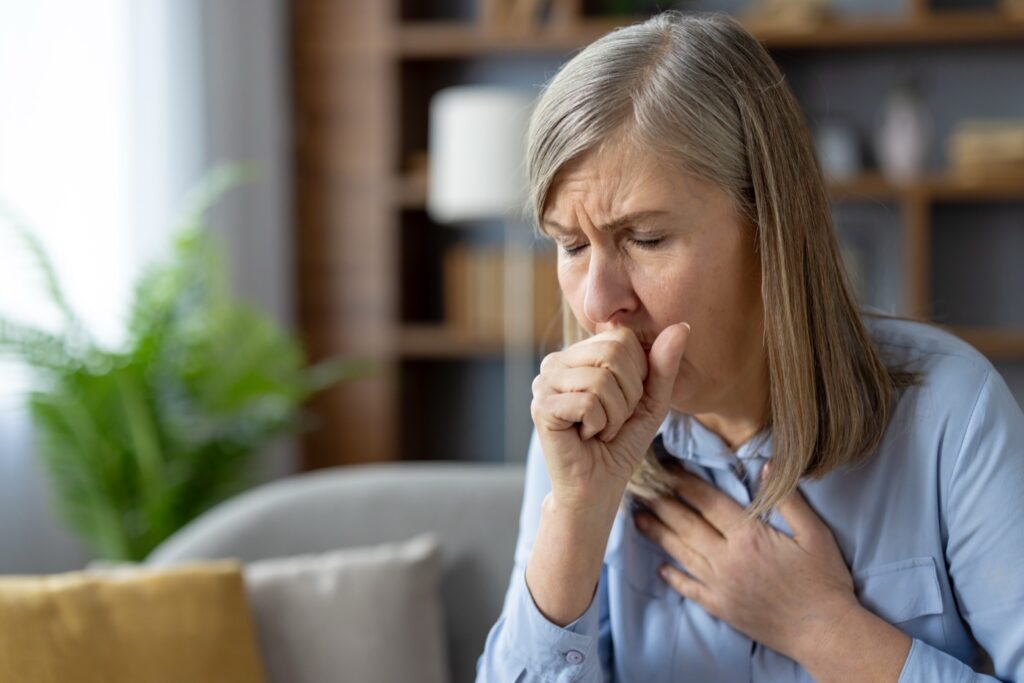
If you or a family member are experiencing a persistent cough, difficulty breathing, or chest discomfort, you may wonder if it’s bronchitis.
This common respiratory condition can be concerning, mainly when it affects young children. This article explains everything you need to know about bronchitis: its causes, symptoms, and available treatments.
Bronchitis: What Is It and What Are Its Types?
Bronchitis occurs when the bronchi, the tubes responsible for carrying air to the lungs, become inflamed. This can make breathing difficult and cause other uncomfortable symptoms, such as coughing and discomfort. There are two main types of bronchitis, which are essential to distinguish:
- Acute Bronchitis: This is the more common type and usually lasts between 2 and 3 weeks. It typically resolves independently with proper care and, sometimes, medications to relieve symptoms.
- Chronic Bronchitis: This is a more serious and long-lasting condition. It is diagnosed when a person experiences symptoms for at least 3 months a year for two consecutive years. This type of bronchitis requires ongoing medical monitoring and a long-term treatment plan.
What is Bronchiolitis?
Bronchiolitis is a condition that affects the smaller airways in the lungs, called bronchioles. It is more common in infants under 2 years old, as their airways are narrower, which can make it harder for air to flow in and out.
Although most cases are mild, it can be more serious in very young babies or those with other health issues. Therefore, it is essential to be vigilant and seek medical attention if symptoms such as difficulty breathing, poor feeding, or lethargy occur.
Causes: Why Does Bronchiolitis Occur?
Bronchiolitis can have different causes depending on the patient’s age. Below are the most common causes:
In Babies and Young Children:
- Respiratory Syncytial Virus (RSV): This is responsible for most cases (around 75%). This virus affects the small airways and can cause breathing difficulties.
- Adenovirus is the second most frequent cause, leading to symptoms such as coughing and wheezing.
- Rhinovirus: Although it usually causes mild colds, it can complicate and affect the airways in young babies.
- Influenza Virus: This virus is more common in winter and can cause severe symptoms in some children.
- Human Metapneumovirus: Increasingly common, it causes symptoms similar to bronchiolitis.
- Coronavirus: Includes viruses that cause mild colds, but some variants, such as COVID-19, can have more serious effects on young children.
In Adults:
- Viral Infections: These are responsible for most cases of bronchiolitis in adults.
- Bacteria: Although less common, bacteria can also be a cause.
- Exposure to Irritants: Tobacco smoke, environmental pollution, industrial chemicals, dust, toxic fumes, and airborne particles can inflame the airways.
- Allergies and Asthma: These can predispose individuals to developing similar symptoms.
- Chronic Gastroesophageal Reflux: Stomach acids can irritate the airways and contribute to the problem.

Risk Factors and Vulnerable Groups
Some people are more likely to develop bronchiolitis or bronchitis due to certain factors that affect their health or environment.
In Babies:
- Premature Birth: Especially those born before 35 weeks of gestation.
- Congenital Heart Problems: Conditions affecting the heart from birth.
- Weak Immune System: Makes babies more susceptible to infections.
- Exposure to Tobacco Smoke: Both active and passive smoking damage their airways.
- Attendance at Daycare: Increases exposure to viruses.
- Lack of Breastfeeding: Breast milk provides essential defences against infections.
- Overcrowded Homes: Facilitates the spread of illnesses.
- Family History of Asthma: This may influence susceptibility to respiratory problems.
In Adults:
- Smoking: Active or passive smoking irritates and damages the lungs.
- Occupational Exposure to Irritants: Dust, chemicals, or toxic fumes.
- Previous Respiratory Diseases: Increases vulnerability.
- Weakened Immune System: Due to illnesses or medical treatments.
- Advanced Age: People over 65 are at higher risk.
- Chronic Diseases: Such as diabetes or heart problems.
- Polluted Environments: Living or working in areas with high pollution can be a triggering factor.
Symptoms by Age
Bronchiolitis in Babies:
Bronchiolitis can be particularly concerning in young children. The most common signs include:
- Difficulty Breathing:
- Rapid or shallow breathing.
- Wheezing when exhaling.
- Flaring nostrils (nasal flaring).
- Retraction of the ribs when breathing.
- Persistent Cough:
- It may be dry or produce mucus.
- It often worsens at night.
- It makes feeding difficult.
- General Discomfort:
- Nasal congestion and mild fever.
- Lack of appetite and difficulty sleeping.
- Irritability or lethargy.
Bronchitis in Adults:
Symptoms can vary in intensity, but the most common ones include:
- Breathing Problems:
- Cough with mucus.
- Difficulty breathing and wheezing.
- Chest tightness.
- General Symptoms:
- Fatigue, low-grade fever, headache, and muscle pain.
- Hoarseness and nasal congestion.
- Night sweats and trouble sleeping.
How Are Bronchitis and Bronchiolitis Diagnosed?
Diagnosing these respiratory conditions begins with an initial evaluation and, if necessary, is complemented with specific tests to confirm the cause and severity.
Initial Evaluation:
When you visit the doctor, they will perform the following steps:
- Medical History: They will ask about your symptoms, their duration, and whether you have had recent infections or contact with sick individuals.
- Physical Examination: They will assess your breathing and look for signs of discomfort.
- Lung Auscultation: They will listen to your lungs with a stethoscope to identify abnormal sounds such as wheezing or congestion.
- Vital Signs Measurement: They will check your heart, respiratory, and temperature.
- Oxygen Saturation: They will check if your blood oxygen levels are normal.
Additional Tests:
If the doctor needs more information, they may request further tests:
- Chest X-ray:
- It helps rule out more serious problems such as pneumonia.
- Allows assessment of how much the lungs are affected.
- Identifies possible complications.
- Blood Tests:
- A complete blood count can show signs of infection.
- Inflammatory markers indicate if the body is fighting an issue.
- In severe cases, arterial blood gases measure how oxygen and carbon dioxide are circulating.
- Specific Tests:
- Sputum Culture: If there is a cough with mucus, it helps identify the germ causing it.
- Lung Function Tests: Assess how well the lungs are functioning, especially in cases of chronic bronchitis.
- Allergy Tests: These are useful if symptoms are suspected to be related to allergies.

Comprehensive Treatment: A Personalised Approach
Treating bronchitis and bronchiolitis requires an approach tailored to each patient, considering their age, the severity of symptoms, and their circumstances.
Treatment in Babies and Children
Caring for young children requires special attention:
- Respiratory Care:
- Nasal washes with saline solution to clear the airways.
- Gentle suction of secretions, especially before eating or sleeping.
- Sleeping in a semi-upright position (slight incline of 30°) facilitates breathing.
- Use a humidifier to keep the air moist and clean.
- Feeding and Hydration:
- Offer more frequent, smaller feeds to avoid fatigue.
- Ensure the baby is well-hydrated (monitor urine output in nappies).
- Take breaks during feeding if there is difficulty breathing.
- Medical Consultation: In specific cases, the paediatrician may recommend respiratory physiotherapy to relieve mucus buildup.
Treatment in Adults
The approach for adults combines supportive measures and medications as needed:
- Supportive Measures:
- Rest without prolonged bed rest.
- Plenty of fluids (2-3 litres daily).
- Keep the air clean and humid at home.
- Avoid irritants such as tobacco smoke and chemicals.
- Medications:
- Bronchodilators to ease breathing.
- Mucolytics to relieve congestion.
- Anti-inflammatories and antibiotics, only if prescribed by a doctor.
Recovery Plan and Follow-Up
Recovery is gradual and requires patience:
- First Week:
- Rest, intensive hydration, and monitoring symptoms such as fever and cough.
- Second Week:
- Gradual return to activities.
- Gentle breathing exercises.
- Assessment of symptom progression.
- From the Third Week:
- Return to routine.
- Maintenance of breathing exercises and medical follow-up.
Lifestyle and Nutrition During Recovery
A good diet is key to strengthening the immune system:
- Recommended Foods:
- Vitamin C: Found in citrus fruits, kiwi, peppers, and broccoli.
- Natural Anti-inflammatories: Such as oily fish, nuts, and olive oil.
- Broths and Soups: Help relieve congestion.
- Herbal Teas: Herbs like thyme or ginger can soothe coughs.
- Healthy Habits:
- Eat light, frequent meals.
- Avoid processed foods and limit dairy during the acute phase.
Recommended Breathing Exercises
- Diaphragmatic Breathing: Helps you breathe more deeply.
- Lie down, place one hand on your chest and the other on your abdomen. Inhale through your nose, inflate your abdomen, and exhale through your mouth, deflating it. Repeat 5-10 times.
- Chest Expansion: Improves lung capacity.
- Sit up straight, inhale deeply while raising your arms, hold for 3 seconds, and exhale while lowering them.
- Mucus Expulsion Techniques:
- Controlled coughing and postural drainage as advised by a doctor.
Prevention and Daily Care
- At Home:
- Maintain a constant temperature (20-22°C) and 40-60% relative humidity.
- Ventilate rooms and avoid smoky or polluted environments.
- Respiratory Hygiene:
- Frequent handwashing.
- Use of masks if necessary.
- Regular changing of bed linen.
When to Worry and Seek Medical Attention
- In Babies:
- Severe breathing difficulties.
- Bluish discolouration of lips or skin.
- Persistent refusal to feed or dehydration.
- In Adults:
- Severe breathing difficulties or intense chest pain.
- High fever that does not subside.
- Coughing up blood or worsening of chronic symptoms.
The Importance of Early Detection
Bronchitis and bronchiolitis are common respiratory illnesses that can be concerning, mainly when they affect our loved ones. The good news is that they usually have a favourable prognosis with early diagnosis and proper treatment.
Recognising symptoms early is key to preventing complications. Do not hesitate to seek medical attention if you notice signs such as difficulty breathing, persistent cough, or fever that do not improve.
At HM Hospitales, we have a team of specialists in Pulmonology and Paediatrics and advanced technology to provide you with an accurate diagnosis and a personalised treatment plan. We are here to take care of your health and your family.
Remember: This article is for informational purposes only and does not replace medical consultation. If you have any doubts or concerns, consult a healthcare professional.