Asthma is a prevalent condition, affecting 2.5 million people in Spain, around 10% of the adult population. It can appear at any age, even in adults, although it is often more associated with childhood.
Despite being a chronic respiratory disease that currently has no cure, with the proper treatment, you can lead an active and fulfilling life. This article explains how it is diagnosed, the most common symptoms, and the most effective treatments to manage it.
What is asthma in adults?
Asthma is a respiratory disease characterised by chronic bronchi inflammation, the tubes that carry air to your lungs. This inflammation causes these airways to narrow and swell, making it difficult for air to pass through and producing the characteristic symptoms of asthma.
In addition to inflammation, the airways become hypersensitive to various stimuli, also known as triggers. This hypersensitivity can cause a sudden contraction of the muscles surrounding the airways, making breathing even more difficult. Below are some of these triggers:
- Allergens: Pollen, dust mites, mould, or animal dander.
- Irritants: Tobacco smoke, air pollution, or chemicals.
- Respiratory infections.
- Physical exercise.
- Emotional stress.
What are the symptoms of asthma in adults?
Asthma is a respiratory condition that can vary in intensity and frequency, ranging from mild and occasional episodes to severe and recurrent attacks. Knowing its symptoms can help you quickly identify it and seek medical attention. Below are the most common symptoms of asthma in adults:
- Shortness of breath (dyspnoea): Dyspnoea manifests as a feeling of breathlessness or difficulty breathing, even at rest. This may be accompanied by a sensation of tightness in the chest and, at times, anxiety. Dyspnoea can present as shallow and rapid breathing or the need to make an extra effort to breathe.
- Wheezing: A high-pitched whistling sound when exhaling may resemble a “whistle.” This sound is caused by air passing through inflamed and narrowed airways. Wheezing may be more noticeable at night or after exercise.
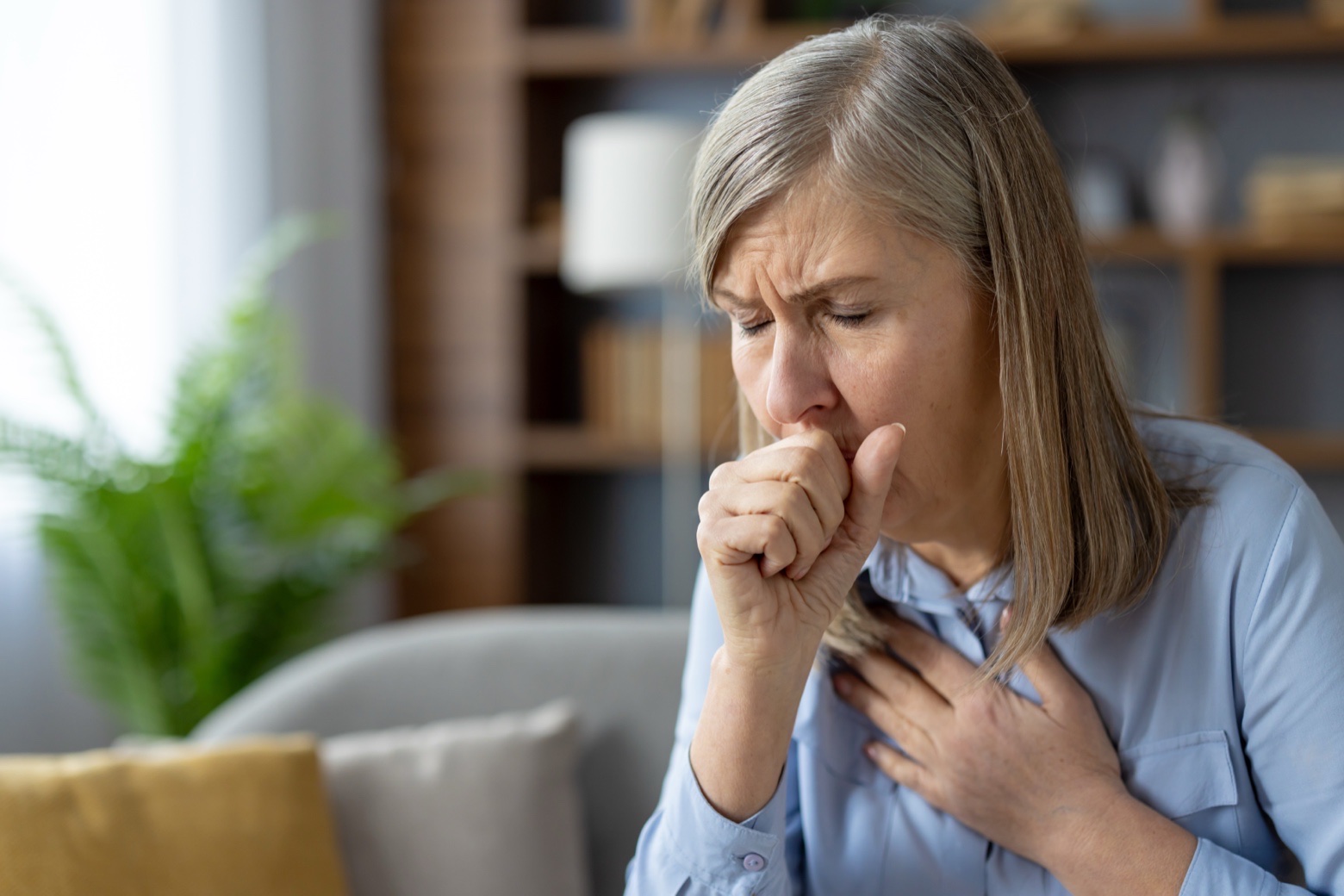
- Persistent cough: Primarily dry, especially bothersome at night or upon waking. In some adults, the cough may be the only symptom of asthma, which can sometimes make diagnosis difficult. Occasionally, it may be productive, with mucus expectoration.
- Chest tightness: A feeling of pressure or constriction in the chest, as if something is squeezing your chest. This tightness can make deep breathing difficult and vary in intensity from mild to severe.
- Shortness of breath after physical activity: If you become easily breathless after exercise, even of moderate intensity, it could be a sign of exercise-induced asthma. Coughing after physical exertion is very typical of bronchial asthma.
It is important to note that these symptoms can be similar to those of other respiratory conditions. If you experience any of these symptoms, consult a healthcare professional for an accurate diagnosis and to rule out other possible causes.
How is asthma diagnosed in adults?

The diagnosis of asthma in adults involves a thorough and careful medical evaluation. Below are the diagnostic tests:
- Detailed medical history: The healthcare provider will ask about your symptoms, how often and intensely they occur, and what factors trigger or worsen them. They will also ask about your family history of allergies or respiratory diseases.
- Physical examination: Your lungs will be listened to with a stethoscope to detect wheezing or other abnormal breathing sounds.
- Lung function tests: To adequately assess lung function, some tests may be performed, such as:
- Spirometry: Measures the amount of air you can exhale and the speed at which you do so. It is a simple, quick, painless test that provides valuable lung function information. In an acute asthma patient, an obstructive pattern is often found. Sometimes, bronchodilators are administered to check the response.
- Bronchial provocation test: Evaluates how your airways react to certain stimuli, such as exercise or inhalation of non-specific substances like methacholine or histamine. This test helps determine bronchial hyperreactivity.
- Fractional exhaled nitric oxide (FeNO) measurement: Measures the amount of nitric oxide in exhaled air. Elevated FeNO levels may indicate airway inflammation, suggesting asthma.
- Allergy tests: If allergic asthma is suspected, skin or blood tests may be performed to identify specific allergens that trigger your symptoms.
What types of asthma exist in adults?
Asthma in adults presents in different forms, depending on what causes or triggers it. It is essential to know your asthma type to find the most appropriate treatment. Below are the most common types:
- Allergic asthma is triggered by exposure to allergens such as pollen, dust mites, mould, animal dander, or certain foods. The immune system overreacts to these substances, causing inflammation and narrowing of the airways.
- Exercise-induced asthma: Symptoms appear during or after physical exercise, especially in cold and dry environments. Cold, dry air can irritate the airways and trigger symptoms.
- Occupational asthma: This type of asthma is related to exposure to irritants or allergens in the workplace. Common examples include chemicals, wood dust, metal dust, isocyanates, and animal or plant enzymes.
- Non-allergic (intrinsic) asthma: Unlike allergic asthma, this type is unrelated to exposure to allergens. Viral infections, stress, sudden temperature changes, irritants like tobacco smoke, environmental pollutants, or certain medications can trigger it.
What is the treatment for asthma in adults?
Asthma treatment aims to control inflammation, prevent symptoms and attacks, and allow for an everyday life. Treatment is individualised based on severity, symptom frequency, and medication response. Below are some of these treatments:
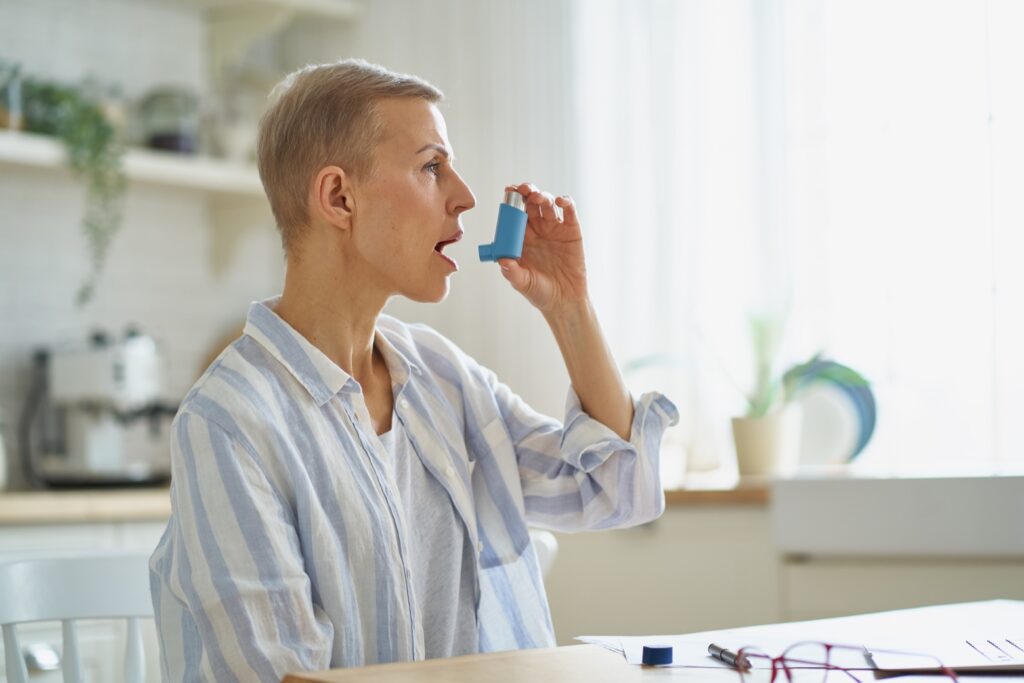
- Bronchodilators: Relax the muscles of the airways, providing symptom relief. Fast-acting bronchodilators are mainly used as rescue medication during an asthma attack.
- Inhaled corticosteroids: Reduce airway inflammation over the long term. They are considered the cornerstone of control treatment for most people with asthma.
- Leukotriene modifiers: Block the action of leukotrienes, substances that contribute to inflammation and narrowing of the airways.
- Biologic therapies: Monoclonal antibodies designed to block specific inflammatory pathways. They are used in cases of severe asthma that do not respond to other treatments.
It is essential to consult a healthcare professional to provide the most appropriate treatment for your case and to monitor your progress.
What are the tips to minimise the risk of developing asthma in adulthood?

Asthma can appear at any stage of life, and although it is not always possible to prevent it, some measures can reduce your risk or minimise its symptoms. Adopting healthy habits and avoiding triggers are key steps to protect your respiratory health. Below are some practical tips for caring for your lungs:
- Avoid tobacco smoke and exposure to second-hand smoke.
- Limit your exposure to environmental pollution, both indoors and outdoors. Consider using an air purifier at home.
- Avoid exposure to irritating chemicals and fumes. Use proper protection if you work with these substances.
- Identify and minimise exposure to allergens such as pollen, dust mites, mould, or animal dander.
- Keep your home clean to reduce the presence of allergens. Wash bedding in hot water and use anti-dust mite covers.
- Maintain a healthy weight through a balanced diet and regular exercise.
- To manage stress, practice relaxation techniques such as yoga, meditation, or deep breathing.
Asthma in adults is a chronic condition that can be effectively managed with the proper treatment and lifestyle adjustments. Recognising the symptoms, obtaining an accurate diagnosis, and following a personalised treatment plan will help you keep the condition under control and enjoy a good quality of life. If you suspect you might have asthma, do not hesitate to consult a pulmonology specialist to receive the care you need.
At HM Hospitals, we offer the specialised care you need to manage your symptoms and improve your quality of life. Contact us today to schedule an appointment with one of our pulmonology specialists.
Remember: This article is for informational purposes only and does not replace medical consultation. If you have any questions, consult a healthcare professional.