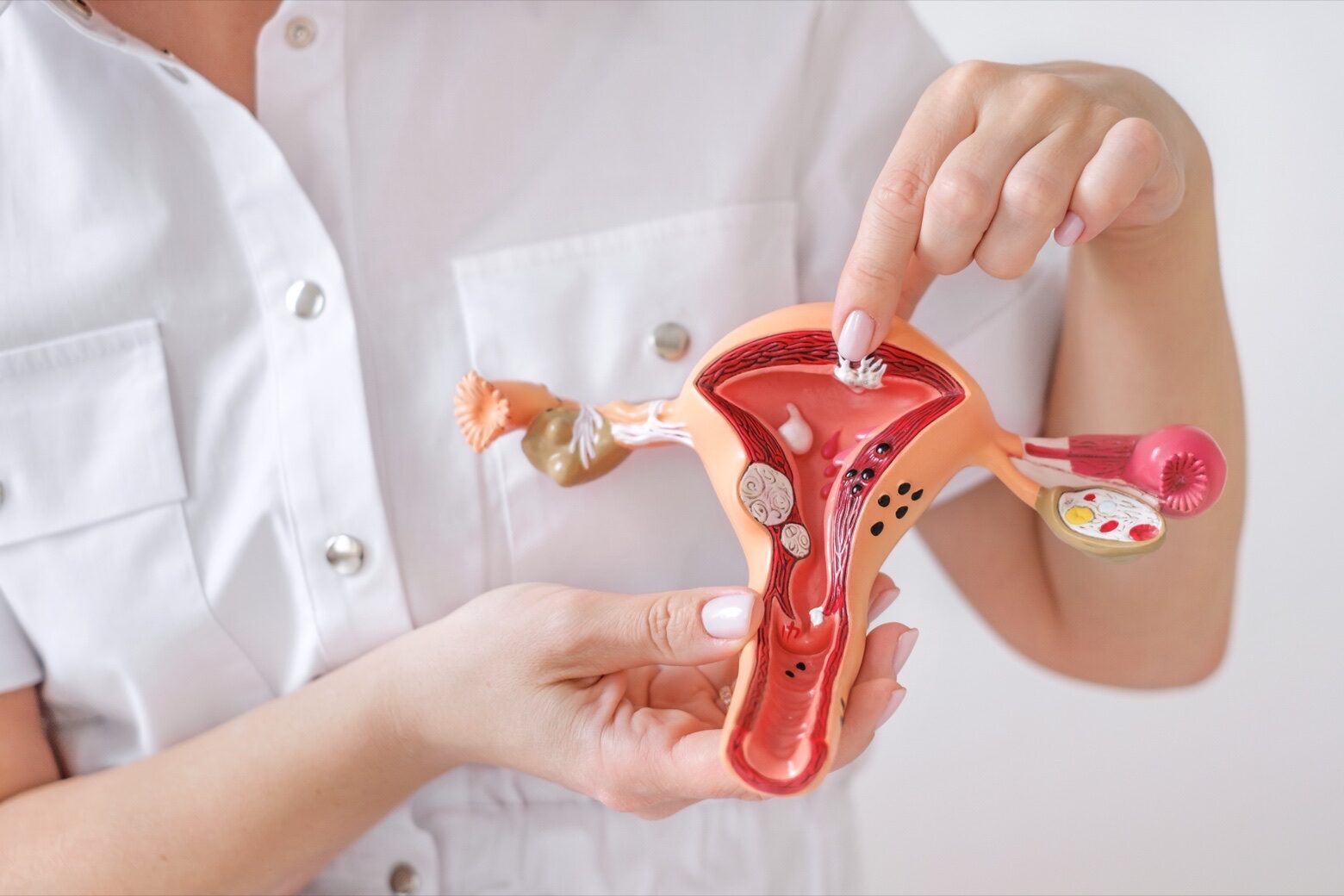
Polycystic Ovary Syndrome (PCOS) is a common hormonal condition that affects millions of women of reproductive age worldwide. If you have been diagnosed with PCOS, it is essential to know that, although there is no definitive cure, there are various treatments available that can help you manage the symptoms and improve your quality of life.
This article explains the different treatment options for polycystic ovary syndrome and how they can help you.
What is Polycystic Ovary Syndrome?
Polycystic Ovary Syndrome (PCOS) is a condition characterised by hormonal imbalance and can cause the following symptoms:
- Irregular or absent menstrual periods.
- Ovarian cysts.
- Excess androgens, i.e., male hormones.
- Difficulty getting pregnant.
- Weight gain and difficulty losing weight.
- Acne and excessive body hair growth.
What Treatments Are Available for PCOS?

The treatment of PCOS focuses on managing symptoms and preventing long-term complications. It is essential to understand that treatment should be personalised, as symptoms and needs can vary from one woman to another.
- Lifestyle Changes
The first line of treatment for PCOS often includes lifestyle modifications, such as:
- Healthy diet: A balanced diet, low in refined carbohydrates and rich in fibre, can help control insulin levels and facilitate weight loss.
- Regular exercise: Physical activity helps improve insulin sensitivity and may contribute to regulating menstrual cycles.
- Weight management: Losing 5-10% of body weight can improve PCOS symptoms.
- Pharmacological Treatment
Several prescription medications can help manage PCOS symptoms.
- Hormonal contraceptives: Combined oral contraceptives are usually the first treatment option to regulate menstrual cycles and reduce androgen levels.
- Metformin: This medication, commonly used for diabetes, can help improve insulin sensitivity and regulate menstrual cycles.
- Clomifene: For women trying to conceive, clomifene can stimulate ovulation.
- Spironolactone: This can help reduce excess hair and acne caused by excess androgens.
Always consult your specialist to evaluate your symptoms and determine the most effective treatment for your case.
- PCOS Treatment Without Hormonal Contraceptives
For women who prefer not to use contraceptives or have contraindications for their use, there are other options to manage PCOS:
- Inositol: A supplement that may help improve insulin sensitivity and regulate menstrual cycles.
- Evening primrose oil: Some studies suggest it may help reduce PCOS symptoms, such as inflammation and menstrual irregularities. However, it is essential to consult a specialist before use.
- D-chiro-inositol: Another type of inositol that has shown positive effects in improving ovulation and regulating hormone levels in women with PCOS. It may be helpful for those seeking an alternative to contraceptives.
Again, your gynaecologist should prescribe any medication to treat your symptoms.
- Treatments for Specific Symptoms
For specific symptoms such as excess hair, acne, and infertility, the following options are available:
- Excess hair: Besides medications, hair removal methods such as laser or electrolysis can be considered.
- Acne: Topical or systemic treatments prescribed by a dermatologist.
- Infertility: In addition to clomifene, other options such as intrauterine insemination or in vitro fertilisation can be considered.
- Managing Long-Term Complications
PCOS can increase the risk of specific health problems, so it is essential to have regular check-ups for:
- Blood pressure and cholesterol levels.
- Diabetes screening tests.
- Mental health evaluation, such as PCOS, can increase the risk of depression and anxiety.
Is There a Cure for PCOS?
It is essential to understand that PCOS has no definitive cure, but it can be managed in terms of symptom control and prevention of complications. With the proper treatment, many women with PCOS have managed to improve their symptoms:
- Regulation of menstrual cycles.
- Improved fertility.
- Control of excess hair and acne.
- Maintenance of a healthy weight.
- Reduced risk of long-term complications.
Frequently Asked Questions About PCOS Treatment
- Do I need to take contraceptives to treat PCOS?
Although contraceptives are a standard treatment option, they are not the only one. There are treatments for PCOS without contraceptives. Check the article to read more about other types of treatments.
- How long does PCOS treatment last?
PCOS is a chronic condition that requires long-term management. However, with the proper treatment, many women can control their symptoms.
- Can I get pregnant if I have PCOS?
Yes, many women with PCOS can get pregnant, especially with the proper treatment to improve ovulation.
How is PCOS Treated at HM Hospitals?

At HM Hospitals, we offer a multidisciplinary approach to PCOS treatment:
- Comprehensive evaluation: Our gynaecology and endocrinology specialists thoroughly assess your symptoms, medical history, and individual needs.
- Personalised treatment plan: We develop a treatment plan tailored to your specific symptoms and health goals.
- Continuous follow-up: We provide regular follow-up to adjust treatment as needed and monitor your progress.
- Nutritional support: We have specialised nutritionists who can help you develop a suitable diet plan for PCOS.
- Psychological care: We offer psychological support to help you manage the emotional aspects of PCOS.
There is Hope for Managing PCOS
If you suffer from PCOS, it is essential to know that you are not alone. With the proper treatment and a comprehensive approach to your health, you can effectively manage the symptoms and lead a whole and healthy life.
HM Hospitals is committed to providing the most advanced and personalised care for PCOS treatment. Our team of specialists is here to support you every step of the way, from diagnosis to long-term management of your condition.
Every woman with PCOS is unique, and what works for one may not work for another. That is why working closely with your medical team is crucial to developing a treatment plan that suits your needs.
Do not let PCOS control your life. With the proper knowledge and appropriate medical support, you can take control of your health and well-being. If you have any questions or concerns about PCOS, do not hesitate to contact our specialists. We are here to help you with this condition and find the best solutions.
Remember, this article is for informational purposes only and does not replace medical consultation. If you have any doubts, consult a healthcare professional.