
Pregnancy is an exciting and unique stage in a woman’s life, but in some cases, it can involve risks that require special attention. High-risk pregnancies need specific medical care to ensure the health of both the mother and the baby.
In this article, we explain what a high-risk pregnancy is, its types, possible causes, and the care needed to ensure the well-being of both mother and baby during this stage.
What is a High-Risk Pregnancy?
A high-risk pregnancy is one in which some factors increase the likelihood of complications during pregnancy, childbirth, or the postpartum period. These factors can affect the health of the mother, the fetus, or both and require additional medical attention to minimise risks.
What Are the Main Characteristics of a High-Risk Pregnancy?
High-risk pregnancies can have different characteristics that require varying levels of medical attention. Below are some of these characteristics:
- Increased likelihood of complications during pregnancy or childbirth.
- Need for special care or additional medical interventions.
- There is a higher chance of preterm birth or the need for a caesarean section.
- Increased risk of health problems for the mother or baby.
What Are the Causes of a High-Risk Pregnancy?
Multiple factors can turn a conventional pregnancy into a high-risk one. Below are some of the most common causes:
- Maternal age: Mothers under 17 or over 35 years old are at higher risk of complications during pregnancy.
- Preexisting medical conditions: Conditions such as diabetes, hypertension, or autoimmune diseases can increase the risk of complications during pregnancy.
- Lifestyle: Alcohol, tobacco, or drug use can endanger both the mother’s and baby’s health.
- Multiple pregnancies: The risk of complications is higher when the pregnancy involves more than one fetus.
- Fetal conditions: Genetic abnormalities or developmental issues can pose additional risks during pregnancy.
- Previous pregnancies: Medical complications in previous pregnancies, such as preeclampsia or preterm birth, can increase the likelihood of recurrence.
- Pregnancy complications: Issues such as abnormal placental placement (placenta previa) or insufficient fetal growth can arise during pregnancy.
What Are the Types of High-Risk Pregnancies?
Certain situations can increase the risk for both the mother and the baby during pregnancy. Below, we explain the most common types of high-risk pregnancies and their potential causes so you can stay informed and make decisions alongside your doctor.
Pregnancy at Risk of Preeclampsia
Preeclampsia is a complication characterised by high blood pressure, high levels of protein in the urine, and other signs of organ damage, such as to the liver or kidneys. The risk of developing preeclampsia is higher in women with the following conditions:
- History of preeclampsia in previous pregnancies.
- High blood pressure before pregnancy.
- Multiple pregnancies (twins, triplets, etc.).
- Type 1 or type 2 diabetes before pregnancy.
- Kidney disease.
- Autoimmune disorders.
- Use of assisted reproductive technologies, such as in vitro fertilisation (IVF).
Pregnancy with Gestational Diabetes
Gestational diabetes can develop during pregnancy and requires strict control of blood sugar levels. Below are some factors that may increase the risk of developing diabetes during pregnancy:
- Family history of diabetes.
- Pregnancy at an age over 35.
- History of miscarriages.
- High blood pressure.
- Overweight or obese before pregnancy.
Multiple Pregnancy
Multiple pregnancies occur when a woman carries two or more babies. This type of pregnancy carries more risks than a single-fetus pregnancy. Some factors that may increase the likelihood of multiple pregnancies include:
- Use of fertility medications.
- Use of assisted reproductive technologies, such as IVF.
- Pregnancy at an age over 35.
- Maternal ethnicity.
- Family history of multiple pregnancies.
- Previous multiple pregnancies.
Pregnancy in Women with Chronic Conditions
Chronic conditions can directly or indirectly alter the normal course of pregnancy. Some of these conditions include:
- Lupus or other autoimmune disorders.
- Chronic kidney disease.
- Heart problems.
Pregnancy with Placental Issues
Complications related to the placenta, such as previa or placental abruption, are also considered high-risk. These situations can be caused by:
- Preeclampsia.
- Medical conditions that increase the likelihood of blood clots in the mother.
- Smoking during pregnancy.
- Anaemia.
What Are the Symptoms of a High-Risk Pregnancy?
A high-risk pregnancy can present various symptoms, and it’s essential to recognise them early to take appropriate action. Some symptoms that may indicate a high-risk pregnancy include:
- Vaginal bleeding.
- Severe abdominal pain.
- Severe or persistent headaches.
- Vision changes.
- Sudden swelling in the hands, feet, or face.
- High fever.
- Decreased fetal movement.
If you experience any of these symptoms, it’s crucial to contact your specialist immediately. Early diagnosis and proper care can significantly affect your health and your baby’s.
What Care is Needed for a High-Risk Pregnancy?
The treatment and care for a high-risk pregnancy will depend on the specific cause, such as gestational diabetes, hypertension, placental issues, or medical history. Below are some recommended measures:
- More frequent medical visits: To closely monitor the progress of the pregnancy, your doctor may recommend more frequent appointments. This allows for early detection of any changes or complications, ensuring the best care for you and your baby.
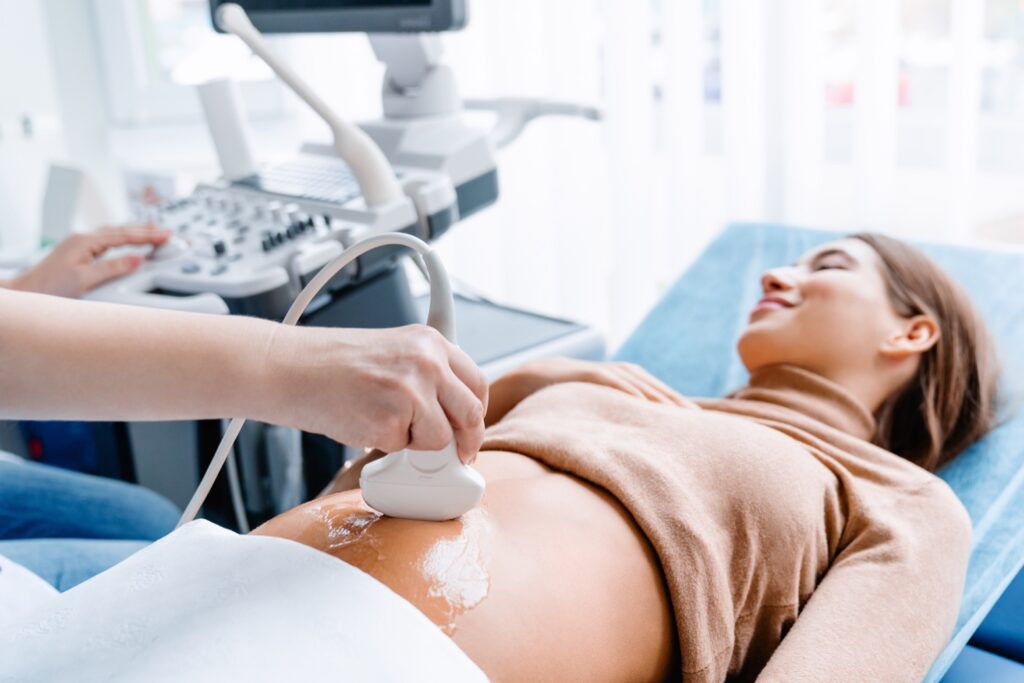
- Additional tests: Depending on your case, you may need further tests such as ultrasounds, blood tests, or amniocentesis. These tests provide more detailed information about the pregnancy and the baby’s development.
- Fetal monitoring: This is used to assess the baby’s well-being. Your doctor may recommend this practice to ensure the baby grows appropriately and detects any signs of fetal distress.
- Diet control: A balanced diet is essential, especially in cases of gestational diabetes or hypertension. Diet control can help prevent complications and maintain your health and your baby’s optimal condition. Follow the guidelines provided by your doctor or nutritionist.
- Medication: In some cases, medication is necessary to control conditions such as hypertension or to prevent preterm labour. Your doctor will determine the most appropriate and safe treatment for you.
- Rest: In certain situations, your doctor may recommend partial or complete bed rest to reduce the risk of complications. This will depend on your specific situation and the state of your pregnancy.
- Education: It’s essential to be informed about warning signs, such as preterm contractions, amniotic fluid leakage, bleeding, or decreased fetal movement. Knowing when to seek immediate medical attention can make a big difference in a high-risk pregnancy.
Is Sick Leave Necessary for a High-Risk Pregnancy?
In many cases of high-risk pregnancy, sick leave may be necessary to ensure the well-being of the mother and baby. The decision to grant ill leave will depend on the following conditions:
- The nature of the mother’s job.
- The type and severity of the pregnancy risk.
- Recommendations provided by the doctor.
It’s essential to consult with your gynaecologist and occupational health professionals, if available, about your specific situation.
What Are the Potential Consequences of a High-Risk Pregnancy?
A high-risk pregnancy can have various consequences for both the mother and the baby. Below are some of these consequences:
- For the mother:
- There is a higher risk of complications during pregnancy and childbirth.
- Possibility of preterm birth or caesarean section.
- Increased emotional stress and anxiety.
- For the baby:
- Risk of preterm birth.
- Possibility of low birth weight.
- Higher risk of neonatal complications.
However, it’s important to remember that with proper medical monitoring and necessary care, many high-risk pregnancies have positive outcomes.
Can High-Risk Pregnancies Be Prevented?
Although not all risk factors can be prevented, there are some recommendations to reduce the likelihood of a high-risk pregnancy. Here are some tips:
- Preconception care: Visit your gynaecologist to assess your overall health before becoming pregnant.
- Maintain a healthy weight: Obesity or being underweight can increase risks during pregnancy.
- Control chronic conditions: If you have diabetes or hypertension, ensure they are well-managed before and during pregnancy.
- Avoid harmful substances: Do not consume alcohol, tobacco, or drugs during pregnancy.
- Take folic acid Before and during pregnancy to prevent neural tube defects.
- Attend all prenatal appointments: Regular monitoring is crucial for early detection and management of any issues.
Is Emotional Support Important in High-Risk Pregnancies?

A high-risk pregnancy can be emotionally challenging. Below are some recommendations:
- Communicate openly with your partner and family.
- Consider joining a support group for high-risk pregnancies.
- Don’t hesitate to speak with a mental health professional if you feel overwhelmed.
The Importance of Specialised Care
A high-risk pregnancy requires specialised medical care and close monitoring. HM Hospitals has a multidisciplinary team of obstetricians, perinatologists, and maternal-fetal medicine specialists equipped with the latest technology to manage these pregnancies.
We aim to provide comprehensive and personalised care, ensuring that you and your baby receive the best possible attention. If you think you may be at risk of a high-risk pregnancy or have already been diagnosed, don’t hesitate to contact our specialists. We are here to help.
Every pregnancy is unique, and with the proper care, many high-risk pregnancies have successful outcomes. At HM Hospitals, we are committed to supporting you at every stage of your pregnancy, offering the care and medical attention you need to make your experience as safe and positive as possible.
Remember, this article is for informational purposes only and does not replace medical consultation. If you have any doubts, consult a healthcare professional.