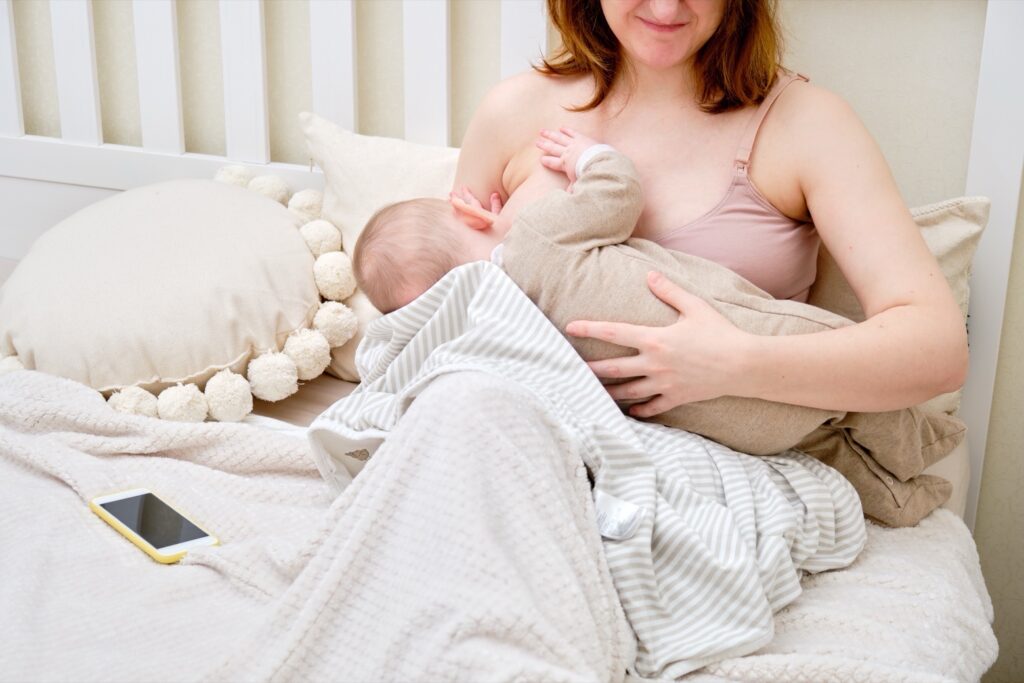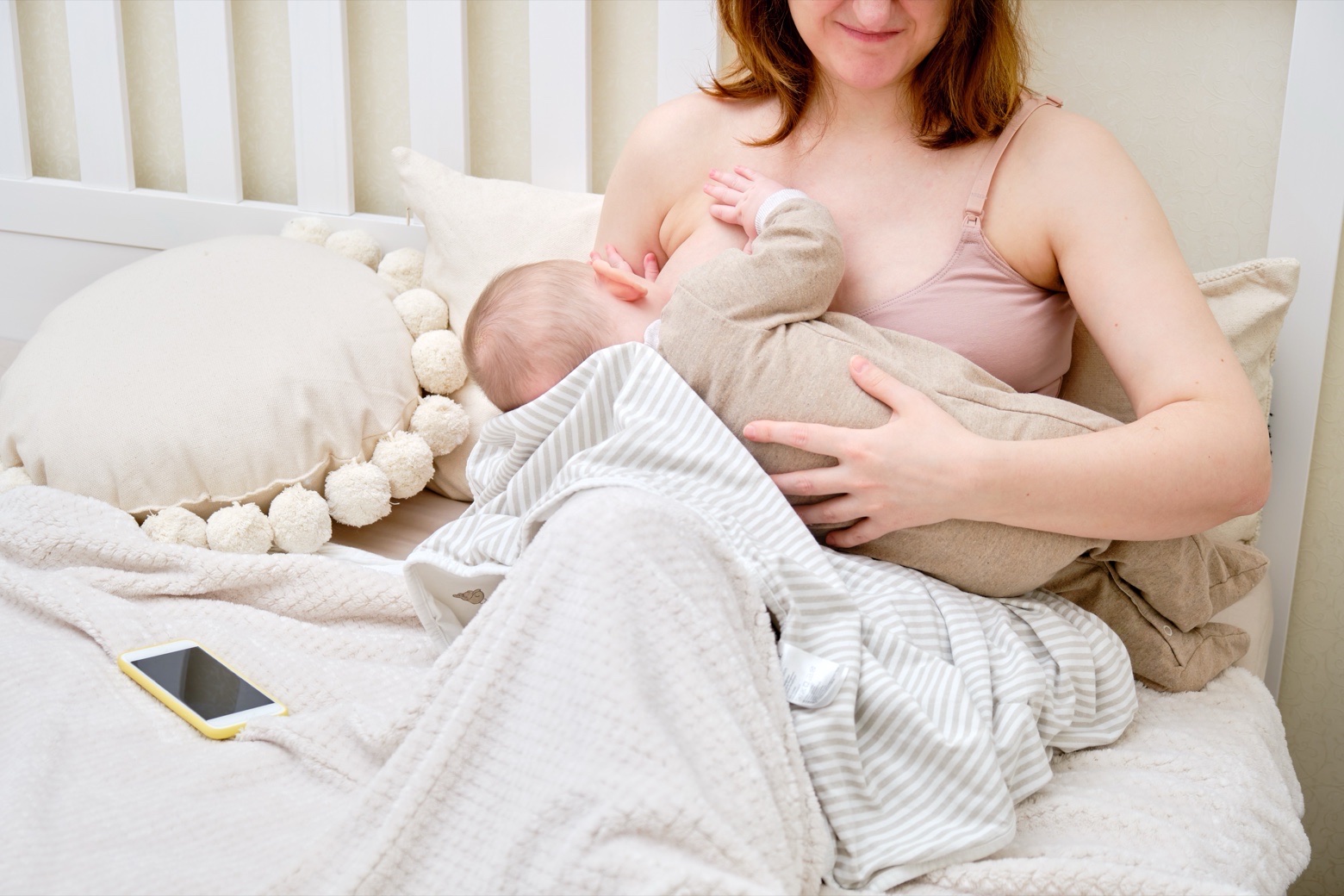
Mastitis is breast tissue inflammation affecting approximately 10% of breastfeeding mothers in Spain. If you are breastfeeding or planning to do so, it’s essential to understand what mastitis is, how to prevent it, and what to do if it occurs.
This article explains everything you need to know about this condition and how to address it effectively.
What is Mastitis?
Mastitis is an inflammation of breast tissue that may or may not be accompanied by an infection. Although it is more common during breastfeeding (puerperal mastitis), it can also occur in other circumstances. This condition usually affects one breast and can cause significant discomfort that, without proper treatment, could complicate the breastfeeding experience.
Experts distinguish between two main types of mastitis:
Non-infectious mastitis:
- Caused by milk retention
- Related to inadequate breast emptying
- Usually resolves by improving breastfeeding techniques
Infectious mastitis:
- Caused by bacterial entry
- Requires antibiotic treatment
- Can develop from untreated non-infectious mastitis
Symptoms of Mastitis
Mastitis in the breast can manifest with various symptoms that usually appear gradually:
Initial symptoms:
- Pain or tenderness in a specific area of the breast
- Localised redness
- The sensation of heat in the affected area
- Small lumps or hardened areas
More advanced symptoms:
- Intense and continuous pain
- Extensive redness
- Fever above 38.5°C
- Flu-like malaise
- Nausea and headaches
Common Causes of Mastitis
Mastitis during breastfeeding can develop due to various factors:
Main factors:
- Inadequate breast emptying
- Nipple cracks
- Blocked milk ducts
- Incorrect breastfeeding technique
- Excessive pressure from clothing or bras
Recent studies indicate that maternal exhaustion and stress can also increase the risk of developing mastitis, as they can affect the immune system and milk production.
Prevention of Mastitis
Prevention is key to avoiding mastitis. The most effective preventive measures include:
- Proper breastfeeding technique: Ensuring a good latch and alternating breastfeeding positions is essential. Studies show that the correct technique can reduce the risk of mastitis by up to 50%.
- Breast care: Maintaining good hygiene, avoiding excessive pressure from clothing, and treating nipple cracks early are fundamental measures to prevent mastitis.
- Healthy habits: Adequate rest, a balanced diet, and stress management significantly reduce the risk of mastitis.
Treatment of Mastitis
Treatment for mastitis should be comprehensive and tailored to each case:
Initial measures:
- Continue breastfeeding
- Ensure complete breast emptying
- Apply heat before feeding
- Apply cold after feeding
- Gentle massage of the affected breast
If symptoms persist or worsen after 12-24 hours, or if fever develops, it is necessary to consult a healthcare professional. Medical treatment may include:
- Specific antibiotics compatible with breastfeeding
- Anti-inflammatory medications for pain and inflammation
- Follow-up by specialised professionals
Complications and When to Seek Medical Help
Although mastitis usually resolves with proper treatment, it’s important to recognise signs that require immediate medical attention:
- Persistent high fever
- Intense pain that does not improve
- Spreading redness
- Symptoms that worsen after 24 hours of treatment
- The presence of pus or blood in the milk
Recovery and Follow-Up
As mentioned earlier, most cases of mastitis improve significantly within 24-48 hours with proper treatment. During the recovery process, it’s essential to:
- Follow prescribed treatment guidelines
- Keep a record of symptoms
- Attend scheduled follow-up appointments
- Continue preventive measures
Myths and Realities About Mastitis
It’s important to debunk some common myths that may cause unnecessary worry or lead to inappropriate decisions:
Myth: “You should stop breastfeeding if you have mastitis.”
Reality: Continuing breastfeeding is crucial for recovery. Studies show that frequent breast emptying helps resolve inflammation more quickly.
Myth: “Breast milk is not good for the baby during mastitis.”
Reality: Breast milk retains its nutritional properties and is safe for the baby, even during treatment with breastfeeding-compatible antibiotics.
Myth: “Mastitis only affects first-time mothers.”
Reality: It can occur at any stage of breastfeeding and with any child, although it is more common in the first few weeks.
Advanced Prevention and Treatment Techniques
Recent advances in mastitis management include:
Lymphatic drainage techniques:
- Specific massages to promote milk flow
- Breast tissue mobilisation exercises
- Gentle compression techniques
Complementary therapies:
- Therapeutic ultrasound
- Low-intensity laser therapy
- Specific acupuncture techniques

Exceptional Cases: Recurrent Mastitis
Approximately 20% of women may experience recurrent mastitis. In these cases, it’s essential to:
- Conduct a complete microbiological study
- Evaluate possible anatomical factors
- Analyse breastfeeding technique in detail
- Consider long-term preventive treatments
Recent research suggests that modifying the breast microbiota could prevent recurrences.
Preparation During Pregnancy
Prevention of mastitis can begin even before childbirth. During pregnancy, it’s recommended to:
- Attend breastfeeding preparation classes
- Learn proper latching and positioning techniques
- Recognise early signs of breastfeeding problems
- Connect with support groups
Additional Resources and Follow-Up
At HM Hospitales, we have a specialised Lactation Unit that offers:
- Immediate assessment of mastitis cases
- Expert advice on breastfeeding techniques
- Personalised follow-up
- Emotional support during the process
- Coordination with other specialists when necessary
Our multidisciplinary team includes gynaecologists, midwives, and lactation consultants who work together to provide the best possible care.
At HM Hospitales, in addition to medical care, we provide:
- Breastfeeding tracking app
- Specific educational materials
- Direct consultation line with specialists
- Personalised follow-up programs
You Are Not Alone
Mastitis can be a challenging experience, but with the proper support and treatment, it is entirely manageable. At HM Hospitales, we understand the breastfeeding challenges and are here to support you throughout the process.
If you experience symptoms of mastitis or have questions about breastfeeding, don’t hesitate to contact our Lactation Unit. Our team is ready to provide the specialised care you need to overcome this situation and continue successful breastfeeding.
Remember: This article is for informational purposes only and does not replace medical advice. If you have any concerns, consult a healthcare professional.