Uterine cancer, also known as endometrial cancer, originates in the endometrium, the inner lining of the uterus.
Uterine cancer develops when the cells of the endometrium begin to grow abnormally and uncontrollably. These abnormal cells can form a tumor that, if left untreated, can invade the myometrium (the muscular layer of the uterus) and subsequently spread to other organs through the lymphatic system or bloodstream (metastasis).
The prognosis for uterine cancer depends on several factors, including the stage of the cancer at the time of diagnosis, the type of cancer, the grade of cell differentiation (how similar the cancer cells are to normal cells), and the patient’s overall health. Early detection and timely treatment are crucial to improving the chances of survival.
Symptoms of uterine cancer
Abnormal vaginal bleeding is the most frequent symptom of uterine cancer, present in more than 90% of cases. It is crucial to pay attention to any unusual bleeding, especially after menopause.
As the disease progresses, the patient may develop other symptoms, such as pelvic pain, pain during sexual intercourse, unexplained weight loss, and unusual vaginal discharge.
Classification of uterine cancer
Uterine cancer is classified according to the type of cell from which it originates, the grade of cell differentiation (how similar the cancer cells are to normal cells), and the stage of the cancer (how far it has spread).
Histological types:
Adenocarcinoma: it is the most common type, accounting for about 80% of cases. It originates in the glandular cells of the endometrium that produce uterine mucus. There are different subtypes of adenocarcinoma, such as endometrioid (the most common), serous, clear cell, and mucinous.
Uterine sarcoma: it originates in the muscular or connective tissue of the uterus. It is less common than adenocarcinoma and generally more aggressive. Subtypes of uterine sarcoma include leiomyosarcoma (the most common), endometrial stromal sarcoma, and undifferentiated sarcoma.
Clear cell carcinoma: it is a rare and aggressive type of uterine cancer.
Other types: there are other, less common types of uterine cancer, such as adenosquamous carcinoma and undifferentiated carcinoma.
Grade of differentiation:
The grade of differentiation describes how closely the cancer cells resemble normal endometrial cells. It is classified into three grades:
G1 (well differentiated): cancer cells look very much like normal cells and grow slowly.
G2 (moderately differentiated): cancer cells look less like normal cells and grow at a moderate rate.
G3 (poorly differentiated or undifferentiated): cancer cells look very different from normal cells and grow rapidly.
FIGO staging:
The International Federation of Gynecology and Obstetrics (FIGO) staging system is used to describe the extent of uterine cancer. Staging is based on tumor size, invasion of the myometrium and other tissues, lymph node involvement, and the presence of distant metastases. Staging ranges from Stage I (cancer confined to the uterus) to Stage IV (cancer that has spread to distant organs).
Causes of uterine cancer
Although the exact causes of uterine cancer are not fully understood, it is believed that the interaction of various factors, such as genetic, hormonal, and environmental factors, plays an important role in its development.
The main cause of uterine cancer is attributed to prolonged exposure to estrogen without the opposition of progesterone, which can occur in situations such as obesity, hormone therapy with estrogen without progesterone, early menstruation, and late menopause.
Early diagnosis of uterine cancer is essential for successful treatment. These tests include:
Pelvic exam: the gynecologist performs a physical examination to assess the size, shape, and consistency of the uterus and ovaries, as well as to detect any abnormalities. This exam may be uncomfortable, but it is generally not painful.
Transvaginal ultrasound: a probe is inserted into the vagina to emit sound waves that create images of the uterus and ovaries. It allows doctors to visualize the thickness of the endometrium and detect possible tumors.
Endometrial biopsy: it is the definitive test to diagnose uterine cancer. A small sample of endometrial tissue is extracted using a thin cannula inserted through the cervix. The tissue is examined under a microscope to detect cancer cells.
Dilation and curettage: in this procedure, the cervix is dilated, and an instrument called a curette is inserted to scrape a sample of the uterine lining. It is performed under anesthesia and allows for a larger tissue sample to be obtained than an endometrial biopsy.
Hysteroscopy: a thin tube with a camera (hysteroscope) is inserted through the vagina and cervix to visualize the inside of the uterus. It allows doctors to detect polyps, fibroids, and other abnormalities, as well as perform targeted biopsies if necessary.
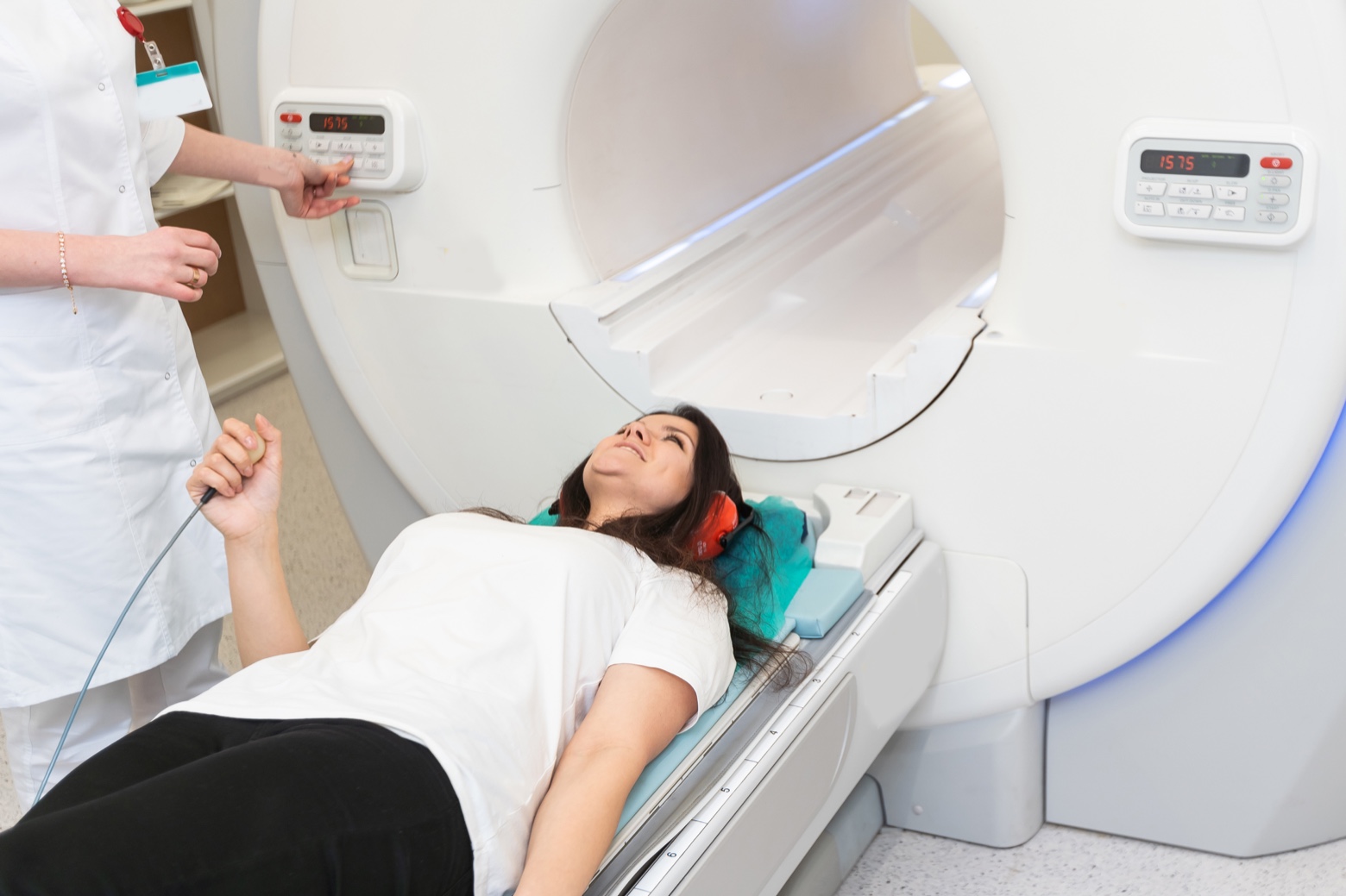
Magnetic Resonance Imaging (MRI): it provides detailed images of the uterus, ovaries, and surrounding tissues. It helps determine the extent of the cancer and whether it has spread to the lymph nodes or other organs.
Computerized Tomography (CT scan): it uses X-rays to create cross-sectional images of the body. It is useful for assessing whether the cancer has spread to other organs, such as the lungs, liver, or bones.
Uterine cancer treatment
Treatment for uterine cancer is individualized based on the stage, the type of cancer, the grade of cellular differentiation, and the patient’s overall health. At HM Hospitales, we offer a multidisciplinary approach involving gynecologic oncologists, radiation oncologists, medical oncologists, and other specialists to ensure comprehensive, personalized treatment.
Surgery: it is the main treatment for most uterine cancers. Surgical procedures include hysterectomy (removal of the uterus), which can be total (uterus and cervix), subtotal (uterus only), or radical (uterus, cervix, upper part of the vagina, and surrounding tissues). Bilateral salpingo-oophorectomy is the removal of the fallopian tubes and ovaries, and pelvic lymphadenectomy consists of the removal of the pelvic lymph nodes to determine whether the cancer has spread. At HM Hospitales, we have surgeons experienced in robotic surgery using the Da Vinci system, which offers greater precision, less blood loss, and faster recovery.
Radiotherapy: it uses high-energy X-rays to destroy cancer cells. In the case of external radiotherapy, radiation is administered from a machine outside the body, directed toward the affected area. It is used to treat uterine cancer in its early stages or after surgery to remove any remaining cancer cells. Side effects may include fatigue, skin irritation, and bowel problems.
Brachytherapy: small radioactive implants are placed inside the vagina or uterus, near the tumor. It allows a high dose of radiation to be delivered directly to the tumor while minimizing damage to surrounding healthy tissues. It is often used in combination with external radiotherapy. Side effects may include vaginal irritation, bleeding, and pain when urinating.
Chemotherapy: it uses drugs to destroy cancer cells that have spread to other parts of the body or to shrink the tumor before surgery. It is administered intravenously or orally, usually in cycles. Common side effects include nausea, vomiting, hair loss, fatigue, and an increased risk of infections. The specific medications used depend on the type and stage of the cancer.
Hormone therapy: it uses medications to block the effect of hormones, such as estrogen and progesterone, on cancer growth. It is mainly used in advanced or recurrent uterine cancers that are sensitive to hormones. The medications used may include progestogens, aromatase inhibitors, and GnRH analogues. Side effects can vary depending on the medication, but may include hot flashes, weight gain, mood changes, and vaginal bleeding.
Targeted therapy: it uses drugs that target specific characteristics of cancer cells, blocking their growth and spread. This type of treatment includes tyrosine kinase inhibitors, mTOR inhibitors, and monoclonal antibodies.
Remember that this article is for informational purposes only and does not replace professional medical advice. If you suspect you have uterine cancer, consult a specialist to obtain an accurate diagnosis and a treatment plan tailored to your needs.
Our doctors
Contact and make an appointment with the professionals in this area