Tennis elbow, or lateral epicondylitis, is a common condition that causes pain on the outside of the elbow. It is defined as an inflammation of the tendons that connect the forearm muscles to the lateral epicondyle of the humerus, the bony protuberance on the outside of the elbow. These tendons are used to extend the wrist and fingers. This inflammation can make it difficult to perform everyday activities, from grasping objects to turning a doorknob.
Symptoms of tennis elbow
The symptoms of tennis elbow can vary significantly from person to person, both in intensity and in the way they present. Understanding this variability is crucial for an accurate diagnosis.
Early symptoms:
initially, a dull ache is experienced on the outside of the elbow, which intensifies when performing activities such as grasping objects, twisting the wrist, or extending the elbow. This pain may be intermittent at first.
Late symptoms:
as the condition progresses, the pain may become more constant and radiate into the forearm and wrist. Weakness in the hand may also appear, as well as difficulty performing even simple movements, such as lifting a cup or turning a key. In some cases, you may experience stiffness in the elbow in the morning or after periods of inactivity.
It is important to note that not everyone experiences all of these symptoms. The intensity and combination of symptoms can vary depending on the severity of the condition and the individual characteristics of each person.
Tennis elbow classification
To better understand tennis elbow, it is helpful to classify it according to its duration. The following classification helps guide treatment and prognosis.
Acute: tennis elbow is considered acute when the pain lasts less than 6 weeks. In this phase, inflammation is generally more pronounced.
Chronic: if the pain persists for more than 6 weeks, the condition is classified as chronic. In this case, the pain may be less intense but more persistent, and scar tissue may have developed in the tendons.
Causes of tennis elbow
The main cause of tennis elbow is overuse or repetitive use of the forearm extensor muscles, which causes microtears in the tendons. Although it is called “tennis elbow” because of its association with this sport, the condition can affect anyone who performs repetitive hand and wrist movements.
There are several factors that can increase the likelihood of developing tennis elbow. Knowing these risk factors can help take preventive measures.
Smoking: tobacco reduces blood flow to the tendons, making it harder for them to heal.
Age: the risk increases significantly between the ages of 30 and 50, due to the natural wear and tear of the tendons.
Occupation: people who perform jobs that involve repetitive hand and wrist movements, such as carpenters, painters, cooks, mechanics, or construction workers, are at greater risk.
Playing racket sports: sports such as tennis, badminton, and squash can overload the tendons of the elbow.
Complications of tennis elbow
If not properly treated, tennis elbow can have long-term consequences. This can become chronic and significantly limit arm and hand function, affecting the ability to perform daily and work activities. It is essential to seek medical attention if the pain persists or worsens.
Diagnosis of tennis elbow
An accurate diagnosis is essential for effective treatment. The diagnosis of tennis elbow is based primarily on the patient’s medical history and a physical examination performed by the doctor.
Medical history: the doctor will ask about the symptoms, the duration of the pain, the activities that aggravate it, and the patient’s medical history.
Physical examination: the doctor will palpate the outside of the elbow to detect pain and tenderness in the lateral epicondyle. The doctor will also perform tests to assess the strength and range of motion of the wrist, hand, and elbow. These tests may include wrist extension against resistance, the Cozen test, and the Mill test.
Imaging tests: in some cases, the doctor may order imaging tests to confirm the diagnosis and rule out other conditions. Ultrasound is a useful tool for visualizing the tendons and detecting inflammation or tears. In less frequent cases, an MRI can be performed to obtain more detailed images of the structures of the elbow.
Tennis elbow treatments
Once diagnosed, there are several treatment options for tennis elbow. The goal of treatment is to relieve pain, reduce inflammation, and restore arm function.
Conservative treatment is the first line of treatment for most cases of tennis elbow. This non-surgical approach focuses on pain management and restoring function through various strategies:
Rest: avoiding activities that aggravate the pain, such as lifting heavy objects or performing repetitive hand and wrist movements, is crucial to allow the tendons to recover. This may involve changes in work or sports activities.
Ice: applying ice to the affected area for 15–20 minutes, several times a day, helps reduce inflammation and pain. It is recommended to wrap the ice in a towel to protect the skin.
Medications: over-the-counter pain relievers, such as ibuprofen or naproxen, can help relieve mild to moderate pain. In some cases, the doctor may prescribe stronger medications, such as oral corticosteroids or corticosteroid injections into the affected area. It is important to follow the doctor’s instructions and not exceed the recommended dose.
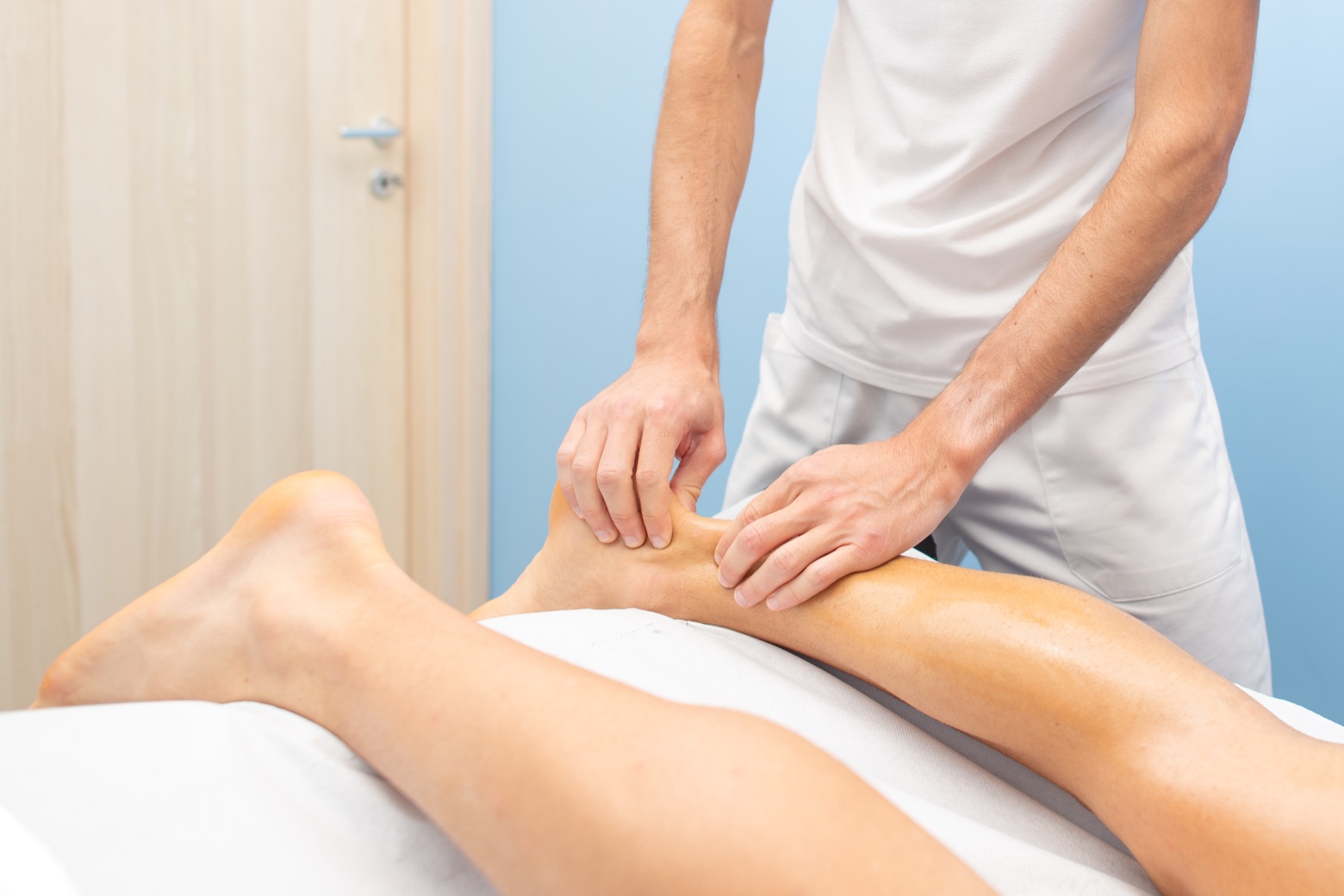
Physiotherapy: physiotherapy plays a fundamental role in recovery from tennis elbow. The physiotherapy program may include stretching and strengthening exercises. Stretching exercises include gentle stretches of the forearm extensor muscles, such as wrist flexion and finger extension, which can help improve flexibility and reduce strain on the tendons. Strengthening exercises, using light weights or resistance bands to strengthen the forearm muscles, can help stabilize the elbow joint and prevent future injuries. Examples of exercises include wrist flexion and extension with weights, forearm pronation and supination, and finger extension with resistance.
Ultrasound: it uses sound waves to generate deep heat in the tissues, which can help reduce inflammation and pain.
Shock waves: it is a non-invasive treatment that uses high-energy acoustic waves to stimulate tendon healing. This treatment can be effective in cases of chronic tennis elbow that have not responded to other conservative treatments. At HM Hospitales, we have physiotherapists specializing in the application of shockwave therapy.
Orthoses: using a splint or wrist brace can help immobilize the wrist and reduce strain on the tendons, promoting healing. There are different types of orthoses, such as wrist splints, elbow braces, and counterforce wrist supports. The doctor or physiotherapist will recommend the most suitable type of orthosis for each case.
Infiltrations: in some cases, corticosteroids can be injected into the affected area to reduce inflammation and pain. However, this treatment is not recommended in the long term due to possible side effects, such as tendon weakening.
Surgery: surgery is considered only in rare cases, when conservative treatment has failed to relieve symptoms after 6 to 12 months. The most common surgical procedure for tennis elbow is the release of the common extensor tendon, which involves removing the damaged tissue from the tendon. At HM Hospitales, we have specialist surgeons in hand and wrist surgery who use minimally invasive techniques to minimize recovery time and complications. https://www.hmhospitales.com/especialidad/traumatologia-y-cirugia-ortopedica-pediatrica/Surgery is usually performed on an outpatient basis and full recovery can take several weeks or months.
Remember that this article is for informational purposes only and does not replace professional medical advice. If you suspect you have tennis elbow, consult a specialist to obtain an accurate diagnosis and an appropriate treatment plan tailored to your needs.
Our doctors
Contact and make an appointment with the professionals in this area