Stomach cancer, also known as gastric cancer, originates in the stomach, a hollow muscular organ that is part of the digestive system and plays a crucial role in the digestion of food. Understanding how this disease develops is fundamental for prevention and early treatment.
Gastric cancer begins when healthy cells in the lining of the stomach change and grow uncontrollably, forming a mass called a tumor. If left untreated, this tumor can invade nearby tissues, such as the esophagus, small intestine, or pancreas, and eventually spread to other parts of the body through the lymphatic system or bloodstream (metastasis).
Symptoms of stomach cancer
The symptoms of stomach cancer can be vague and nonspecific, especially in the early stages, making early diagnosis difficult. In addition, the severity and presentation of symptoms can vary significantly from person to person. Some individuals may experience mild symptoms, while others may not present any symptoms until the disease is advanced. It is crucial to pay attention to any persistent changes in digestive health and consult a doctor if any problem is suspected.
Early symptoms:
in the initial stages, symptoms may include persistent indigestion, frequent heartburn, mild nausea, loss of appetite, and feeling full early after eating small amounts.
Late symptoms:
as the disease progresses, symptoms may become more severe and include persistent abdominal pain, vomiting (with or without blood), dark, tarry stools (melena) due to the presence of digested blood, unexplained weight loss, extreme fatigue, and generalized weakness.
Classification of stomach cancer
To determine the best course of treatment, it is essential to classify stomach cancer according to its specific characteristics. This classification is based on several factors, such as the type of cancer cells, the location of the tumor in the stomach (cardia, fundus, body, antrum, or pylorus), the extent of the disease through the stomach wall, and the presence or absence of metastases in lymph nodes or other organs. The TNM staging system is the most widely used, where T describes the size of the tumor and its extension through the stomach wall, N indicates lymph node involvement, and M represents the presence of distant metastases. Depending on where the tumor originates, they are classified as follows:
Adenocarcinoma: it is the most common type of stomach cancer, accounting for approximately 90–95% of cases. It originates in the glandular cells of the stomach lining that produce mucus and other digestive fluids. Adenocarcinomas are subclassified according to their microscopic appearance into:
Intestinal type: it is characterized by the formation of glands that resemble the small intestine. It is often associated with chronic atrophic gastritis and infection by H. pylori.
Diffuse type: it is characterized by scattered cells that infiltrate the stomach wall. It tends to be more aggressive and have a worse prognosis than the intestinal type.
Mixed type: it exhibits characteristics of both types, intestinal and diffuse.
Lymphoma: gastric lymphoma is a cancer that originates in lymphocytes, a type of immune system cell found in the stomach. It represents between 1 and 4% of stomach cancers. The most common type is MALT lymphoma (mucosa-associated lymphoid tissue), which is often related to infection by H. pylori.
Gastrointestinal Stromal Tumors (GISTs): these are rare tumors that originate in the interstitial cells of Cajal, which control the stomach’s muscle contractions. Although they are not strictly stomach cancers, they originate in the stomach and can behave similarly.
Carcinoid tumors: they are neuroendocrine tumors that originate in the hormone-producing cells of the stomach. They tend to be slow-growing.
Other types: there are other, less common types of stomach cancer, such as squamous cell carcinoma, sarcoma, and leiomyosarcoma.
Causes of stomach cancer
Despite advances in research, the exact causes of stomach cancer are still not fully understood. It is believed that its development is a complex process involving multiple factors, both genetic and environmental, that interact with each other. While a single cause cannot be identified in most cases, several risk factors have been identified that increase the likelihood of developing the disease.
Risk factors are those that increase the likelihood of developing stomach cancer. It is important to note that the presence of one or more risk factors does not necessarily mean that a person will develop the disease. Many people with risk factors never develop stomach cancer, while others without known risk factors do.
Infection with Helicobacter pylori: chronic infection with this bacterium is one of the main risk factors for stomach cancer.
Diet: a diet high in salted, smoked, canned and processed foods, and low in fresh fruits and vegetables, has been associated with an increased risk.
Smoking: smoking significantly increases the risk of stomach cancer.
Family history.
Age: the risk increases with age, being more common in people over 50 years old.
Sex: men are more likely to develop stomach cancer.
Atrophic gastritis: chronic inflammation of the stomach lining may increase the risk.
Pernicious anemia: vitamin B12 deficiency may increase the risk.
Stomach polyps: some types of polyps can become cancerous.
Previous stomach surgery: surgery to treat ulcers may slightly increase the long-term risk.
Exposure to radiation: exposure to high levels of radiation may increase the risk.
Excessive alcohol consumption: excessive alcohol consumption may increase the risk.
Complications of stomach cancer
Stomach cancer, if not detected and treated in time, can lead to various complications that affect the patient’s health and quality of life. These complications can result from local tumor growth, invasion of adjacent tissues, or spread of the cancer to other parts of the body.
Bleeding: the tumor can bleed into the stomach, causing iron-deficiency anemia.
Obstruction: as the tumor grows, it can obstruct the passage of food through the stomach, causing nausea, vomiting, and difficulty swallowing.
Perforation: in rare cases, the tumor can perforate the stomach wall, causing peritonitis, a serious infection of the abdominal cavity.
Metastasis: stomach cancer can spread to other organs, such as the liver, lungs, bones, and peritoneum (the lining of the abdominal cavity).
Diagnosis of stomach cancer
Diagnosing stomach cancer involves a series of tests and procedures to confirm the presence of the disease, determine its extent, and assess the patient’s overall condition. Early diagnosis is crucial for effective treatment and a better prognosis.
Upper digestive endoscopy: this is the primary diagnostic procedure for stomach cancer. A thin, flexible tube with a camera (endoscope) is inserted through the mouth into the stomach to see the lining and take tissue samples (biopsy) if any abnormality is detected. At HM Hospitales, we have specialized units for upper digestive endoscopy.
Biopsy: if a suspicious lesion is detected during the endoscopy, a tissue sample (biopsy) is taken for analysis under a microscope. This analysis confirms the cancer diagnosis, determines the type of cancer cells, and assesses the degree of tumor differentiation. At HM Hospitales, we have a therapeutic targets laboratory for the precise analysis of biopsies.
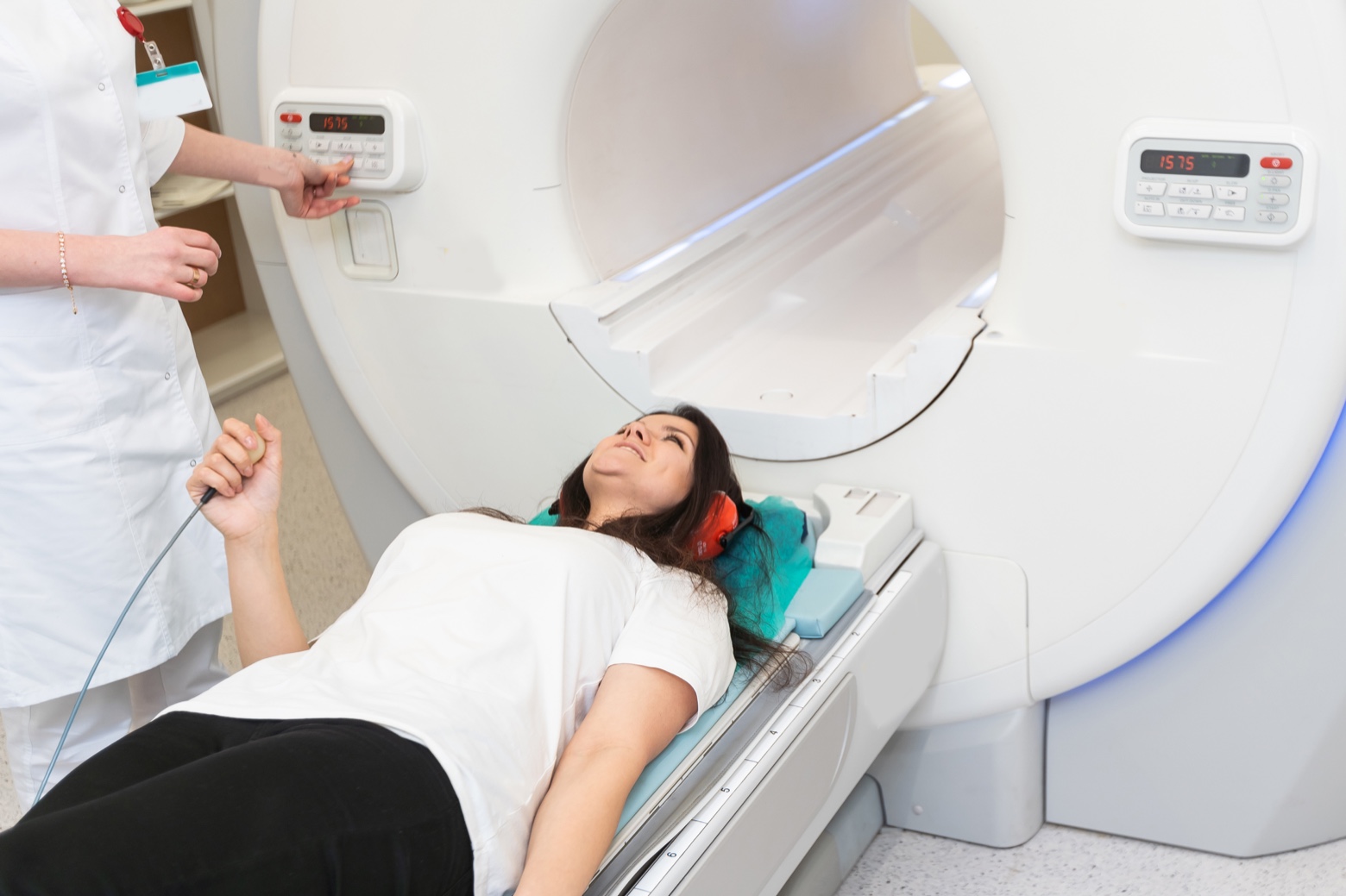
Imaging tests: imaging tests, such as computed tomography (CT), magnetic resonance imaging (MRI), and positron emission tomography (PET), help determine the extent of the cancer, whether it has spread to the lymph nodes or other organs, and assess the response to treatment.
Blood tests: although blood tests are not diagnostic on their own, they can help assess the patient’s overall health, detect anemia or other abnormalities, and monitor the response to treatment.
Stomach cancer treatment
Treatment for stomach cancer is individualized based on the stage of the disease, the location of the tumor, the patient’s overall health, and their preferences. The goal of treatment may be curative, in cases of localized cancer, or palliative, in cases of advanced cancer, to relieve symptoms and improve quality of life.
Chemotherapy: it uses medications to destroy cancer cells. It can be given before surgery (neoadjuvant) to shrink the tumor and facilitate its removal, after surgery (adjuvant) to eliminate any remaining cancer cells, or to treat advanced cancer that has spread to other organs.
Radiotherapy: it uses high-energy radiation to destroy cancer cells. It can be used in combination with chemotherapy or surgery, or as palliative treatment to relieve symptoms. HM CIOCC has the most advanced radiotherapy technology, including intensity-modulated radiotherapy (IMRT) and image-guided radiotherapy (IGRT), which allow greater precision in the delivery of radiation while minimizing damage to surrounding healthy tissues.
Targeted therapy: it uses medications that target specific molecules involved in cancer growth and spread. These medications can be more effective and have fewer side effects than traditional chemotherapy.
Immunotherapy: it helps the body’s immune system recognize and destroy cancer cells. This type of treatment has shown promising results in some types of stomach cancer.
Surgery: surgical removal of the tumor (gastrectomy), either partial or total, is the main treatment for early-stage, localized stomach cancer. At HM Hospitales, we have expert surgeons in robotic surgery, a minimally invasive technique that offers greater precision, less postoperative pain, and faster recovery.https://www.hmhospitales.com/cirugia-robotica/
Remember that this article is for informational purposes only and does not replace professional medical advice. If you suspect you have stomach cancer, consult a specialist to obtain an accurate diagnosis and a treatment plan tailored to your needs.
Our doctors
Contact and make an appointment with the professionals in this area