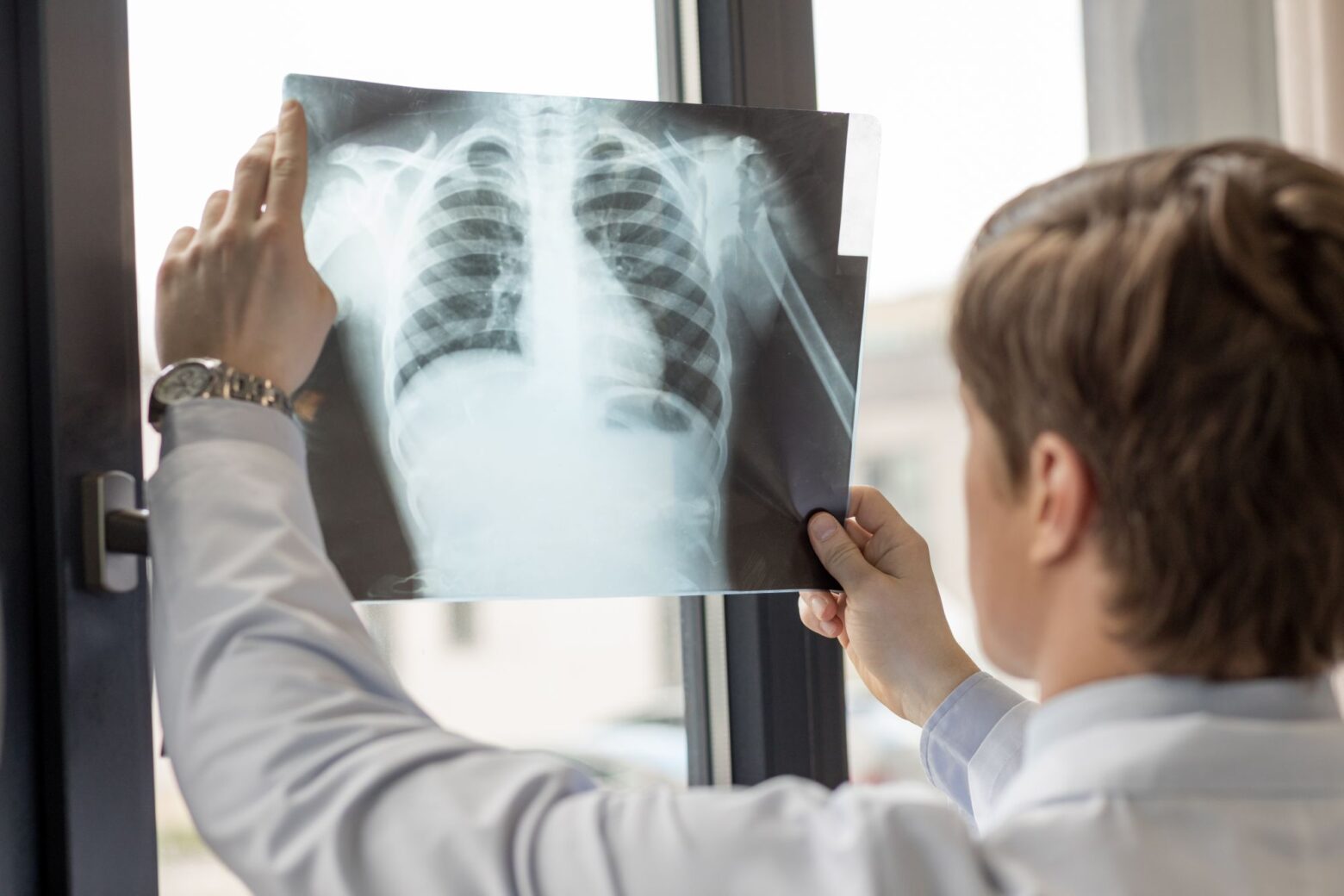
Identify the early symptoms of stomach cancer
Stomach cancer is a disease that, if detected early, can have a much more favourable prognosis. However, its initial sym…
Rectal cancer begins in the cells lining the inside of the rectum, the final part of the large intestine. It represents approximately one third of all colorectal cancer cases.
The rectum is the part of the large intestine that is located just before the anus, the opening through which feces leave the body. Rectal cancer develops when the cells of this organ begin to grow uncontrollably, forming a tumor. This process can occur slowly over several years. Rectal cancer can have a significant impact on a patient’s quality of life, causing pain, bleeding, and difficulty with bowel movements. Furthermore, if left untreated, it can spread to other parts of the body (metastasis).

The symptoms of rectal cancer can be subtle at first and are often mistaken for other benign conditions, such as hemorrhoids or anal fissures. It is important to remember that the symptoms can vary considerably from person to person, and some people may not experience any symptoms in the early stages. Therefore, it is crucial to consult a doctor if you experience any of these symptoms in order to obtain an accurate diagnosis and rule out the presence of cancer. The most common rectal cancer symptoms include:
it is one of the most common rectal cancer symptoms. The blood may be bright red or darker, and may be mixed with the stool or appear separately.
changes in bowel habits, such as constipation, diarrhea, or thin stools, can be a sign of rectal cancer. These changes can be persistent or intermittent.
rectal cancer can cause pain or pressure in the rectum, which may be constant or intermittent. The pain may worsen when defecating.
you may feel that you cannot completely empty your rectum after defecating, which is known as rectal tenesmus.
anemia caused by blood loss can lead to weakness and fatigue. These symptoms can be general and not specific to rectal cancer.
Rectal cancer is classified according to the type of cell in which it originates and the extent of cancer spread. The most common type is adenocarcinoma, which originates in the glandular cells that produce mucus in the lining of the rectum. Other less common types include squamous cell carcinoma, which originates in the squamous cells lining the anal canal, neuroendocrine carcinoma, which originates in neuroendocrine cells, and other rare types such as sarcoma and lymphoma.
The staging of rectal cancer is generally based on the TNM system, where T describes the size and extent of the primary tumor, N indicates whether the cancer has spread to nearby lymph nodes, and M indicates whether there is distant metastasis. This classification helps doctors understand the extent of the cancer and predict the patient’s prognosis.
Rectal cancer, like other types of cancer, originates from genetic mutations in the cells that line the inside of the rectum. These mutations alter the DNA of the cells, causing them to grow and divide uncontrollably, forming a tumor. Although the exact causes of these mutations are not fully known, it is known that certain factors can increase the risk of developing rectal cancer.

There are various risk factors that can increase the likelihood of developing rectal cancer. Some of these factors are modifiable, such as diet and lifestyle, while others, such as age and family history, cannot be changed. Knowing these risk factors is important for taking preventive measures and for the early detection of the disease. These include:
Rectal cancer can cause various complications that affect a patient’s health and quality of life. These complications can arise as a result of tumor growth, the spread of cancer to other organs, or the side effects of treatment. It is essential to seek medical attention if rectal cancer is suspected in order to obtain an accurate diagnosis and an appropriate treatment plan, which can help prevent or minimize these complications.
Rectal cancer is diagnosed through a series of tests and procedures that allow the doctor to assess the presence, location, and extent of the cancer. These tests may include a physical exam, imaging tests, and laboratory analyses. An early diagnosis is essential for successful treatment.
At HM Hospitales, we understand the importance of early and accurate diagnosis for rectal cancer. That’s why we have a Hyper-early Cancer Diagnosis program that uses cutting-edge technology and a multidisciplinary team of specialists to detect the disease in its early stages. https://www.hmhospitales.com/hm-ciocc/prevencion-temprana/Furthermore, our Digestive Disease Unit offers comprehensive and personalized care for the diagnosis and treatment of rectal cancer, with a focus on prevention, early detection, and timely treatment.https://www.hmhospitales.com/hm-ciocc/area-especializacion/tumores-digestivos/
Treatment for rectal cancer is individualized according to the specific characteristics of each patient and the stage of the disease. The goal of treatment is to eliminate the cancer, prevent recurrence, and improve the patient’s quality of life. Treatment options may include surgery, chemotherapy, radiotherapy, and targeted therapy, and are often combined for the best results.
Rectal cancer treatment often requires a multidisciplinary approach involving medical oncologists, surgeons, radiation oncologists, gastroenterologists, and other healthcare professionals. This approach ensures that the patient receives the most comprehensive and personalized care possible, considering all aspects of the disease and the patient’s individual needs.
At HM Hospitales, we are committed to providing the most advanced and least invasive treatment options for rectal cancer. Our experience in Robotic Surgery, using the da Vinci system, allows for more precise and controlled complex procedures, minimizing pain and postoperative complications. https://www.hmhospitales.com/cirugia-robotica/In addition, our comprehensive Proctology program offers specialized care for the diagnosis and treatment of diseases of the rectum and anus, including rectal cancer, with a team of experts dedicated to providing the best possible care to our patients.
Remember that this article is for informational purposes only and does not replace professional medical advice. If you suspect you have rectal cancer, consult a specialist to obtain an accurate diagnosis and a treatment plan tailored to your needs.