What is prostate cancer?
Before going into the details, it is important to understand what prostate cancer is. The prostate is a small, walnut-sized gland located below the bladder and in front of the rectum in men. It produces a fluid that is part of semen. Prostate cancer begins when cells in the prostate start to grow uncontrollably. This growth can be slow and remain localized in the prostate for years, or it can be aggressive and spread rapidly to other parts of the body. Understanding this disease is the first step toward early detection and treatment.
Early symptoms:
in its early stages it is usually asymptomatic, which highlights the importance of regular medical check-ups.
Late symptoms:
when symptoms occur, they may include:
- Difficulty urinating (weak, intermittent, or strained stream).
- Frequent need to urinate, especially at night.
- Blood in the urine or semen.
- Pain or burning sensation when urinating.
- Pain in the back, hips, or pelvis.
It is crucial to remember that these symptoms can be caused by other benign conditions. If you experience any of these symptoms, it is essential to consult a doctor for an accurate diagnosis.
Classification of prostate cancer
Once prostate cancer is detected, it is essential to classify it in order to determine its aggressiveness and guide treatment.
Prostate cancer is classified according to the model proposed by the World Health Organization, which incorporates the traditional Gleason system (a numerical scale that measures the aggressiveness of prostate cancer), in addition to PSA levels, the local extent of the tumor, etc. This classification is crucial in determining the best treatment option.
Causes of prostate cancer
Despite advances in research, the exact causes of prostate cancer are still not fully understood. It is believed that a combination of genetic, hormonal, and environmental factors contributes to the development of the disease.
Risk factors for prostate cancer
Identifying risk factors can help in understanding the likelihood of developing prostate cancer and in taking preventive measures. The main ones include:
- Age: risk increases with age, being more common after age 50.
- Race: African American men have a higher risk compared to other ethnicities.
- Family history: having a father or brother with prostate cancer significantly increases individual risk.
- Genetics: certain inherited genetic mutations can increase susceptibility to prostate cancer.
- Diet: a diet high in saturated fats and processed red meats may be associated with an increased risk.
- Obesity: being overweight or obese is considered a risk factor for prostate cancer.
Complications of prostate cancer
If left untreated, prostate cancer can lead to various complications that affect the health and quality of life of patients.
Prostate cancer can spread (metastasize) to other parts of the body, such as the bones, lymph nodes, lungs, or liver. Bone metastases are particularly common in advanced prostate cancer. In addition, the disease can cause persistent urinary problems, such as difficulty urinating or incontinence, as well as erectile dysfunction.
Diagnosis of prostate cancer
An accurate and early diagnosis is essential for effective treatment. The diagnostic process for prostate cancer generally includes the following tests:
- Digital rectal examination (DRE): the doctor performs a physical examination of the prostate through the rectum to detect any abnormalities, such as nodules or hardened areas.
- Prostate-specific antigen (PSA) test: this blood test measures PSA levels in the blood. It is important to note that raised PSA levels do not always mean prostate cancer. There are other conditions that can raise them, such as benign prostatic hyperplasia (BPH), a common condition in older men that causes enlargement of the prostate, or prostatitis, an inflammation of the prostate. Urinary tract infections, recent sexual activity, certain medications, and even cycling can also affect PSA levels. Therefore, while a raised PSA level may be an indicator of prostate cancer, further testing is required to confirm the diagnosis.
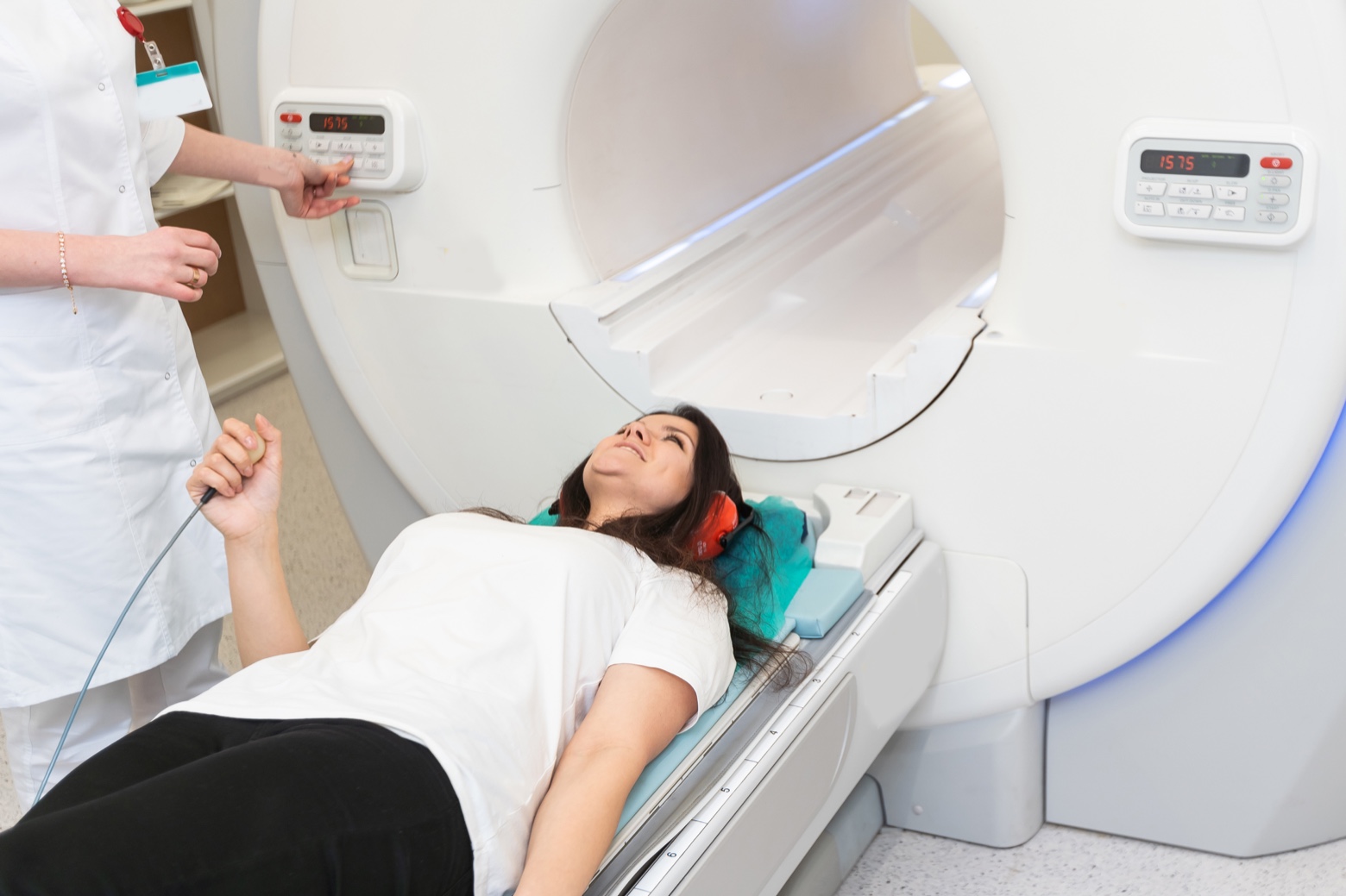
- Prostate biopsy: if the DRE, PSA or mpMRI suggest the presence of cancer, a prostate biopsy is performed. Traditionally, the biopsy was performed using needles guided by transrectal ultrasound. However, at HM Hospitales, specifically at HM Sanchinarro, we are at the forefront of prostate cancer diagnosis, being the first hospital in Spain to offer prostate biopsy by real fusion of PET-MRI-PSMA images. This innovative technique combines information from multiparametric magnetic resonance imaging (mpMRI) with information from positron emission tomography (PET) using the radiotracer PSMA (prostate-specific membrane antigen). The fusion of these images provides greater accuracy in detecting suspicious lesions, allowing for a more precise and targeted biopsy. HM Hospitales also offers the microultrasound biopsy (ExactVU), a technique that provides high-resolution images to guide the biopsy.
- Bone scintigraphy: in cases of suspected bone metastases, a bone scintigraphy can be performed to detect the presence of cancer cells in the bones.
- Computed tomography (CT) or magnetic resonance imaging (MRI) of other areas of the body: these imaging tests can be used to assess the extent of the cancer to other organs, such as the lymph nodes or lungs.
At HM CIOCC, an early cancer detection program is carried out, which includes genetic analysis to identify men with a higher predisposition to developing prostate cancer. https://www.hmhospitales.com/comunicado-prensa/hm-ciocc-auna-la-deteccion-precoz-y-laboratorio-molecular-para-diagnosticar-antes-individualizar-el-tratamiento-y-conocer-la-evolucion-del-tumor/This program, supported by a state-of-the-art molecular laboratory, allows for a more precise and personalized diagnosis.
Prostate cancer treatment
Prostate cancer treatment is individualized based on the stage of the cancer, the Gleason score, the patient’s age, overall health, and personal preferences. Treatment options include:
- Active surveillance: for low-risk, slow-growing cancers, active surveillance involves regular monitoring with PSA testing and periodic biopsies to detect any changes in the disease. This approach avoids overtreatment and its potential side effects.
- Hormone therapy: hormone therapy is used to reduce levels of male hormones (androgens), such as testosterone, which stimulate the growth of prostate cancer. It may include administering drugs that block androgen production or surgical removal of the testicles (orchiectomy).
- Chemotherapy: chemotherapy is generally used to treat advanced prostate cancer that has spread to other parts of the body.
- Radiotherapy: radiotherapy uses high-energy radiation to destroy cancer cells. It can be administered externally by external beam radiotherapy or internally by brachytherapy, where small radioactive seeds are implanted in the prostate.
- Focal therapy: this treatment option focuses on destroying the prostate tumor while preserving the surrounding healthy tissue. It includes techniques such as cryotherapy (tumor freezing), high-intensity focused ultrasound (HIFU) ablation, and irreversible electroporation (IRE). HM Hospitales offers cutting-edge focal therapy, including the Focal One Robot and HIFU (high-intensity focused ultrasound) focal therapy, which destroy the tumor while preserving healthy tissue.
A multidisciplinary approach involving urologists, radiation oncologists, medical oncologists, and other specialists is essential for comprehensive and personalized treatment.
At HM Hospitales, in addition to conventional treatments, we are committed to clinical research to advance the fight against prostate cancer. Currently, clinical trials are being carried out that explore promising new therapies, such as immunotherapy that seeks to stimulate the patient’s immune system to recognize and destroy cancer cells more effectively; https://www.hmhospitales.com/hm-ciocc/investigacion/new drugs aimed at modulating gene expression; or drugs capable of delivering chemotherapy or radiation in a truly specific way to tumor cells to eliminate them.
Remember that this article is for informational purposes only and does not replace professional medical advice. If you suspect you have prostate cancer, consult a specialist to obtain an accurate diagnosis and a treatment plan tailored to your needs. diagnóstico preciso y un plan de tratamiento adecuado a tus necesidades.