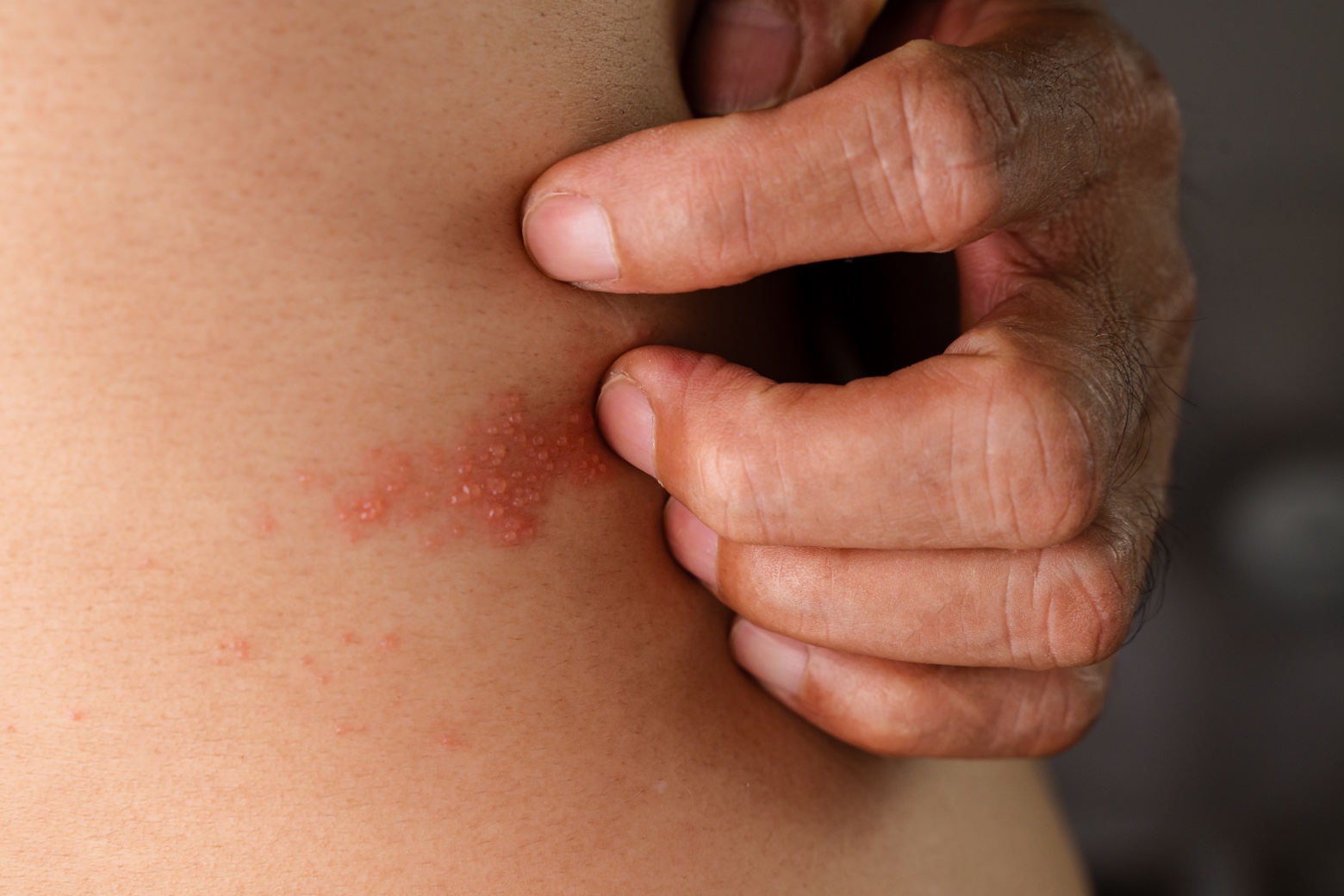
Non-melanoma skin cancer accounts for the vast majority of skin cancer diagnoses and its incidence is increasing worldwide.
To understand non-melanoma skin cancer, it is essential to know its origin and types. Non-melanoma skin cancer mainly encompasses two types: basal cell carcinoma (BCC) and squamous cell carcinoma (SCC). Basal cell carcinoma (BCC) originates in the basal cells of the epidermis, the outermost layer of the skin, and is the most common type of non-melanoma skin cancer, accounting for approximately 80% of cases. Squamous cell carcinoma (SCC), on the other hand, develops in squamous cells, which are found on the surface of the skin, and makes up about 20% of non-melanoma skin cancers. Unlike BCC, SCC has a higher probability of spreading to other parts of the body. Both types usually appear in areas exposed to the sun, such as the face, neck, ears, and hands.
Although it is generally not fatal, if not treated in time it can cause pain, bleeding, cosmetic problems, and other health issues.
Symptoms of non-melanoma skin cancer
Identifying the symptoms of non-melanoma skin cancer is crucial for early diagnosis. Symptoms may vary depending on the type.
BCC:
it often manifests as a pearly or waxy bump, a flat, flesh-colored or brown lesion, or a white, waxy scar. It can also appear as a sore that bleeds easily, does not heal, or reappears after healing.
SCC:
it usually presents as a firm, red bump, a scaly lesion that bleeds or develops a crust, or a sore that does not heal. You may experience pain or itching in the affected area.
It is important to note that these symptoms can vary and that some people may not experience any symptoms at all. If you notice any suspicious changes in your skin, it is essential to consult a dermatologist.
Classification of non-melanoma skin cancer
Non-melanoma skin cancer is classified according to the type of cell from which it originates (basal cell or squamous cell), the degree of cellular differentiation (well differentiated, moderately differentiated, or poorly differentiated), and the depth of invasion into the skin. This classification, which often uses the TNM (Tumor, Node, Metastasis) system, helps determine the stage of the cancer and the best treatment plan. The TNM system describes the size of the tumor (T), involvement of regional lymph nodes (N), and the presence of distant metastases (M).
Causes of non-melanoma skin cancer
Understanding the causes of non-melanoma skin cancer is essential for prevention. The main cause of non-melanoma skin cancer is prolonged and cumulative exposure to ultraviolet (UV) radiation from the sun or tanning beds. This exposure damages the DNA of skin cells, which can lead to abnormal cell growth and the development of cancer. Other factors, such as exposure to radiation, certain chemicals, and some viral infections, can also contribute to the development of non-melanoma skin cancer.
While sun exposure is the main cause, there are other factors that can increase the risk of developing non-melanoma skin cancer. These risk factors include:
Excessive sun exposure: spending long periods of time in the sun, especially during peak UV radiation hours, significantly increases the risk.
Fair skin: people with fair skin, blue or green eyes, and blond or red hair are more susceptible to sun damage and therefore have a higher risk.
Family history of non-melanoma skin cancer: having a close relative with non-melanoma skin cancer can increase the likelihood of developing the disease.
Weakened immune system: people with weakened immune systems, such as those who have received an organ transplant, are on immunosuppressive treatment, or have HIV, are at greater risk.
Exposure to certain chemicals: exposure to arsenic and some other chemicals can also increase the risk.
Complications of non-melanoma skin cancer
Early diagnosis and treatment are crucial to avoid potential complications. If left untreated, non-melanoma skin cancer can grow and spread, causing cosmetic problems, damage to surrounding tissues, and, in rare cases, metastasis to other parts of the body, especially in the case of squamous cell carcinoma (SCC). Non-melanoma skin cancer can also recur after treatment, so regular follow-up with a dermatologist is important.
Diagnosis of non-melanoma skin cancer
Accurate diagnosis of non-melanoma skin cancer involves a series of steps to evaluate the suspicious lesion. These steps include:
Physical examination: the dermatologist performs a complete visual examination of the skin, looking for suspicious lesions and assessing their size, shape, color, texture, and borders.
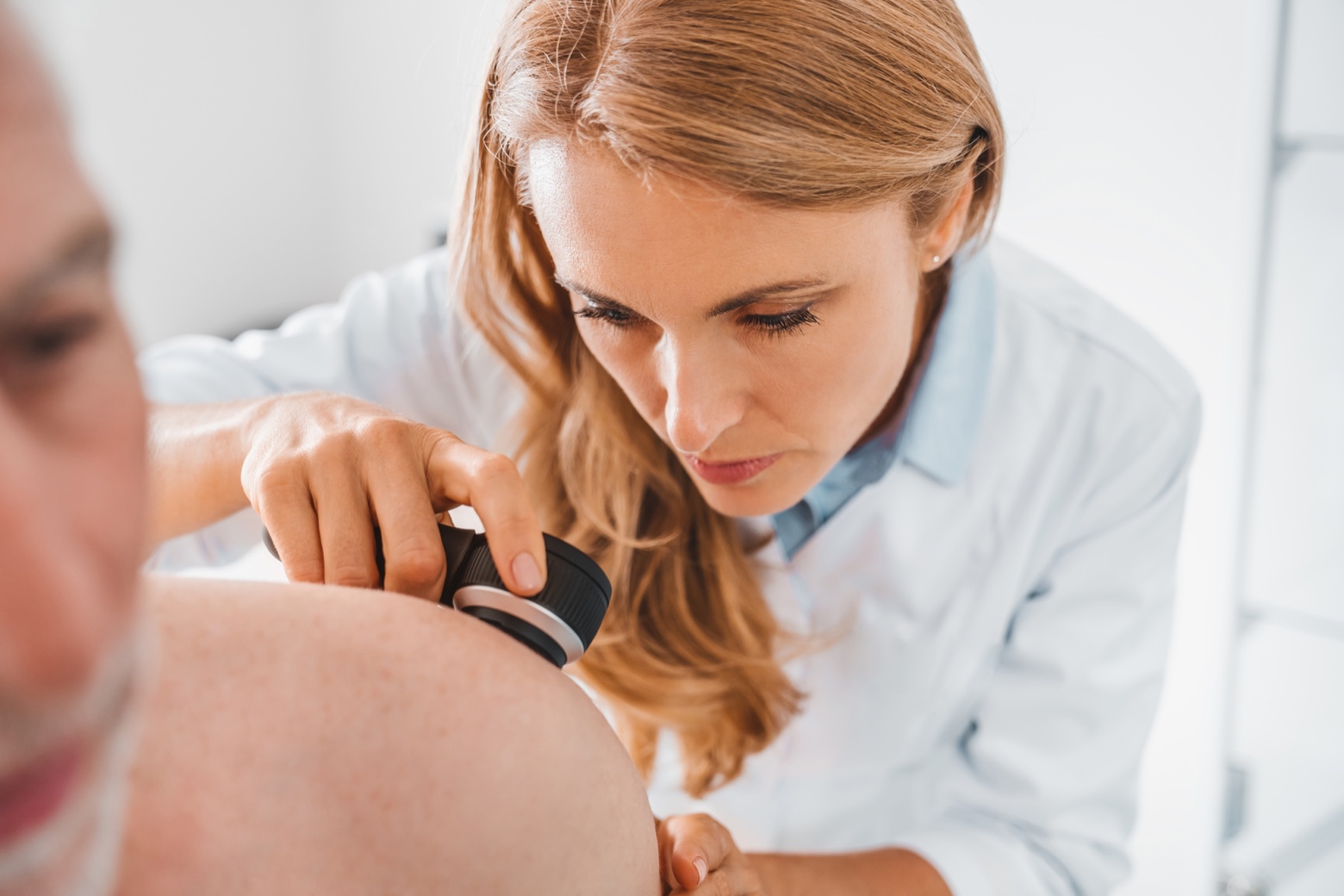
Dermoscopy: a dermatoscope, a handheld instrument with a light and a magnifying lens, is used to examine the lesion in greater detail. Dermoscopy allows the dermatologist to visualize internal structures of the lesion that are not visible to the naked eye, helping differentiate between benign and malignant lesions.
Biopsy: if the physical examination and dermoscopy suggest the possibility of non-melanoma skin cancer, a biopsy is performed. Biopsy is the definitive diagnostic method. There are different types of biopsies, such as shave biopsy, punch biopsy, and excisional biopsy. The choice of biopsy type depends on the size, location, and characteristics of the lesion. The tissue sample obtained through the biopsy is examined under a microscope to confirm the diagnosis and determine the type of non-melanoma skin cancer.
Diagnostic imaging: in some cases, imaging techniques such as ultrasound, computed tomography (CT), or magnetic resonance imaging (MRI) can be used to assess the extent of the tumor and determine whether it has spread to other parts of the body. This is especially important in cases of SCC with a high risk of metastasis.
At HM Hospitales, we have expert dermatologists and advanced technology, including digital dermoscopy, for the accurate diagnosis of non-melanoma skin cancer.
Treatment of non-melanoma skin cancer
Once the diagnosis is confirmed, the dermatologist will determine the most appropriate treatment plan. The treatment of non-melanoma skin cancer depends on the type, size, location, and depth of the lesion, as well as the patient’s overall health. Treatment options include:
Surgery: surgery is the most common treatment. There are different surgical techniques, such as surgical excision and Mohs surgery. Surgical excision involves the removal of the lesion and a margin of surrounding healthy tissue. Mohs surgery is a specialized technique that allows for the precise removal of the lesion, preserving as much healthy tissue as possible. It is a specialized technique used to treat non-melanoma skin cancer in cosmetically sensitive areas, such as the face.
Radiotherapy: it uses high-energy radiation to destroy cancer cells. It is mainly used in cases of non-melanoma skin cancer that cannot be surgically removed or in patients who are not candidates for surgery.
Photodynamic therapy: a photosensitive drug is applied to the skin and then exposed to a special light that activates the drug and destroys the cancer cells. It is an effective treatment for superficial and precancerous lesions.
Topical therapy: creams or gels containing medications, such as imiquimod or 5-fluorouracil, can be applied directly to the lesion to destroy cancer cells. Topical therapy is often used to treat superficial and precancerous lesions. It can also be used after surgery to reduce the risk of recurrence.
Other treatments: in some cases, other treatments, such as immunotherapy, can be used to treat the tumor in advanced or metastatic stages.
A multidisciplinary approach involving dermatologists, oncologists, and other specialists may be necessary in some cases, especially if the cancer has spread to other parts of the body.
Remember that this article is for informational purposes only and does not replace professional medical advice. If you suspect you have non-melanoma skin cancer, consult a specialist to obtain an accurate diagnosis and a treatment plan tailored to your needs.
Our doctors
Contact and make an appointment with the professionals in this area