If you experience a strange tingling sensation on your skin, accompanied by itching or even sharp pain, these seemingly non-specific symptoms could be the first warning signs of shingles.
Understanding the symptoms of shingles, especially in their early stages, is crucial for seeking timely medical attention and preventing complications. In this article, we explain what shingles are, their causes, how to recognise the early symptoms, and what measures you can take to alleviate discomfort and prevent disease progression.
What is shingles?
Shingles, also known as herpes zoster or “Culebra,” is a viral infection that manifests as a painful skin rash. This condition is caused by the reactivation of the varicella-zoster virus, the same virus that causes chickenpox. After having chickenpox, the virus remains dormant in the nervous system and can reactivate years or even decades later, causing shingles.
It’s important to note that shingles are not contagious in the same way as chickenpox. However, a person with shingles can transmit the varicella-zoster virus to someone who has never had chickenpox or has not been vaccinated. In these cases, the exposed person would develop chickenpox, not shingles.
What are the early symptoms of shingles?

The symptoms of shingles usually appear gradually and can vary in intensity from person to person. Although the characteristic skin rash is the most prominent symptom, it is often preceded by other early signs that may go unnoticed or be confused with different conditions. Below are some of these symptoms to help you identify them:
- Pain, burning, or tingling in a specific area of the body: This is usually the first symptom of shingles and can appear days or weeks before the rash. The pain is typically unilateral, meaning it affects only one side of the body and follows the path of a nerve.
- Sensitivity to touch: The affected area may become very sensitive to touch, to the point where even the touch of clothing can be painful.
- Itching or numbness: Some people experience itching or numbness in the area where the rash will later appear.
- General symptoms: In some cases, early symptoms of shingles may include low-grade fever, headache, general malaise, and fatigue.
What is the most characteristic symptom of shingles?
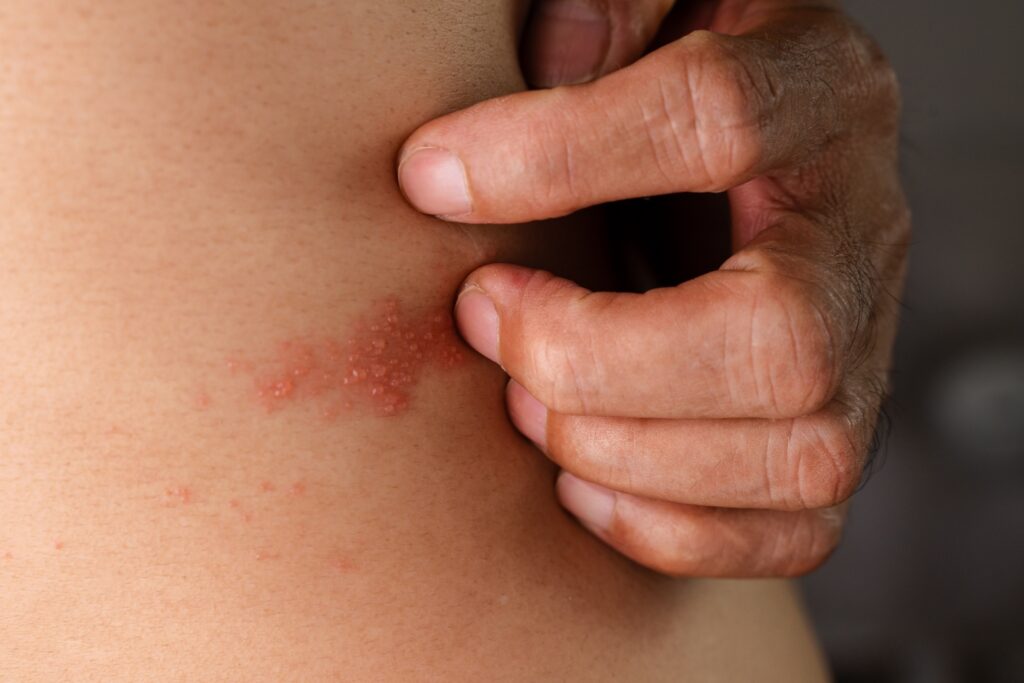
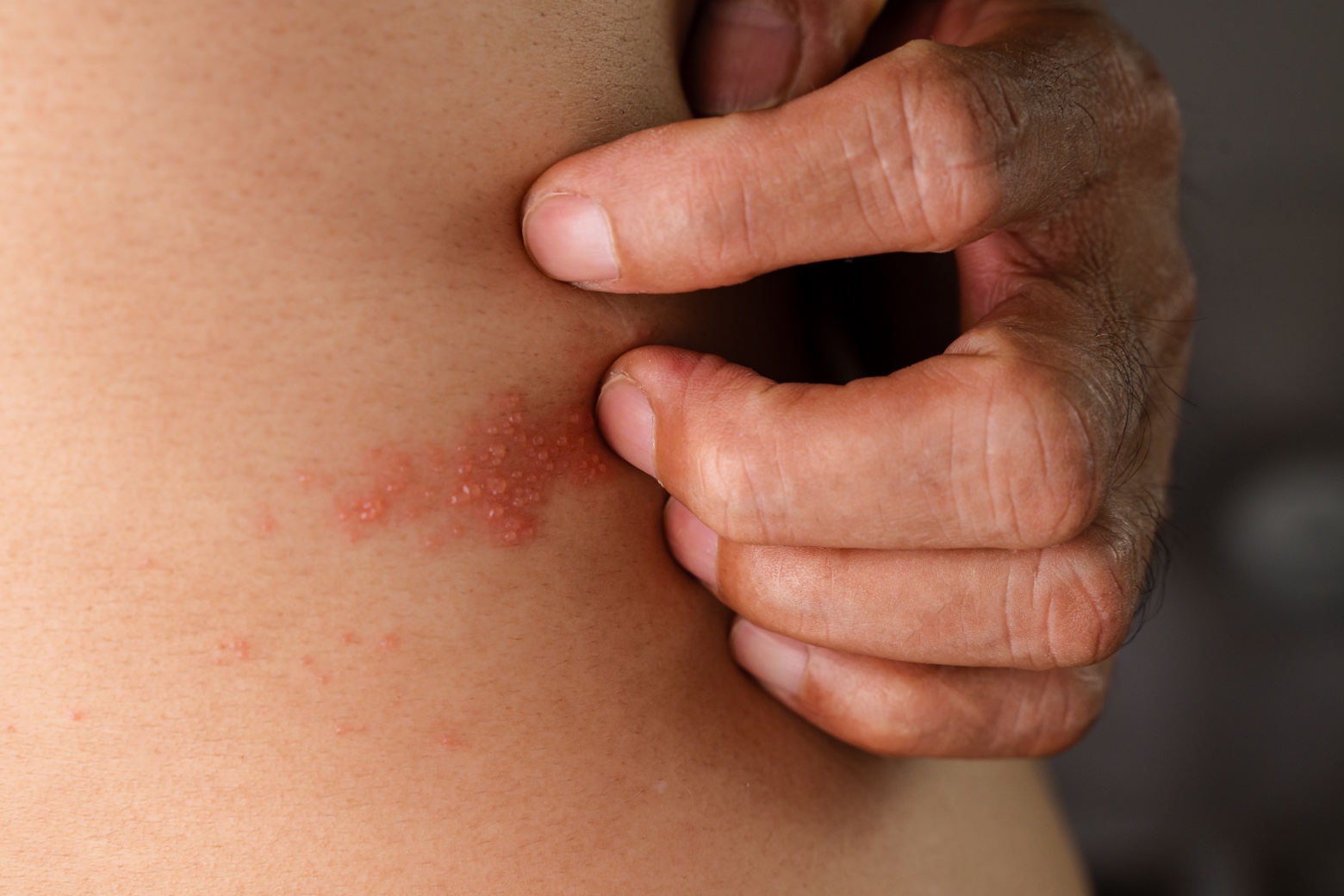
The skin rash is usually the most characteristic symptom of this viral infection. It typically appears a few days after the onset of the initial symptoms. Below is how this rash usually manifests:
- Small fluid-filled blisters: These cluster together and follow the path of a nerve, usually on one side of the body.
- Redness and swelling: The skin around the blisters becomes red and inflamed.
- Intense pain: The shingles rash is often excruciating, and the pain can persist even after the blisters have disappeared.
What are the specific symptoms of shingles depending on the affected area?
Although the shingles rash can appear anywhere on the body, some areas are more common than others. Some of the most common areas include:
- Shingles on the torso: This is the most common location, with the rash typically appearing on one side of the chest or back, following the line of the ribs.
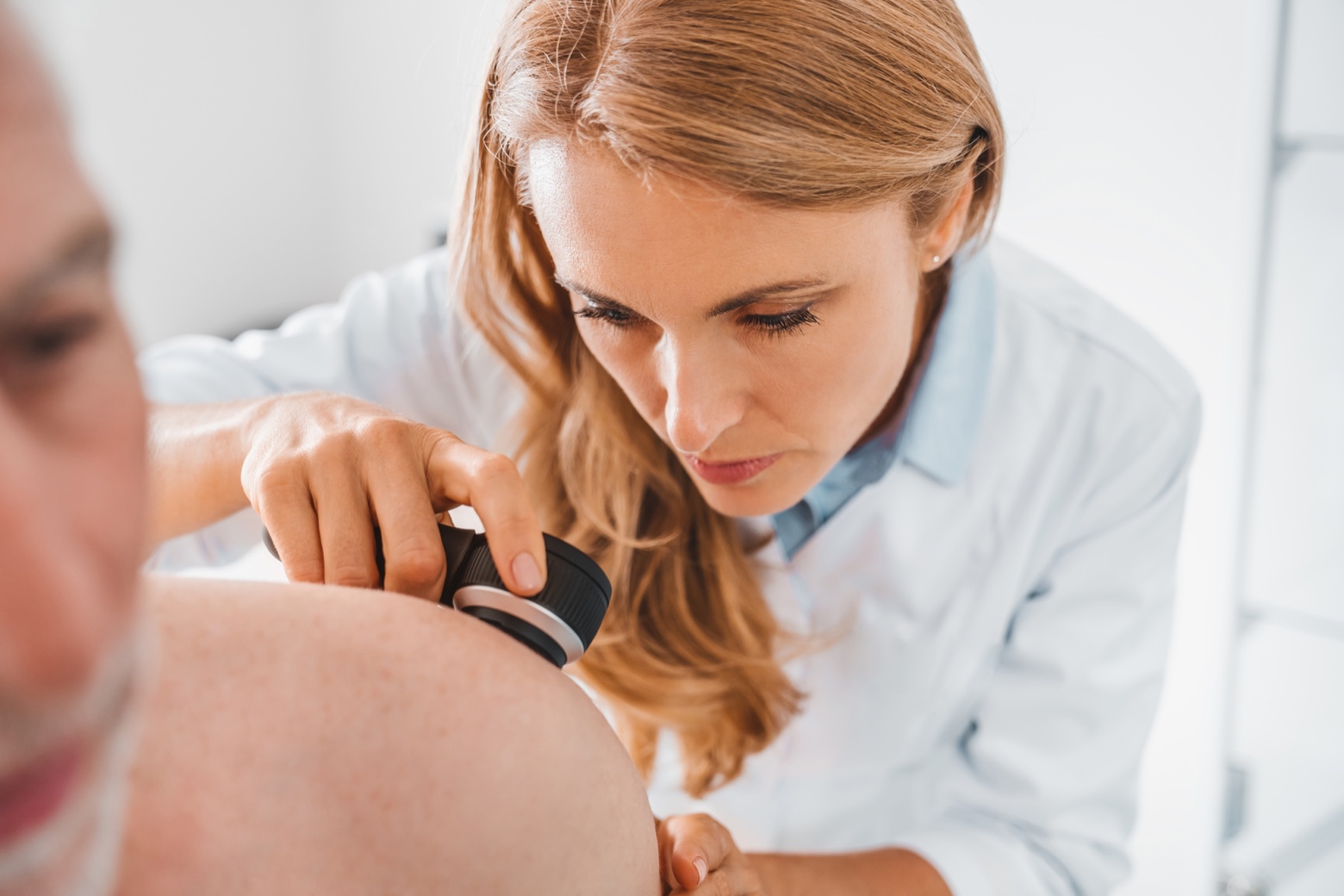
- Shingles on the face: When the virus affects the trigeminal nerve, the rash can appear on the face, near the eye, forehead, or nose. Shingles in the eye (ophthalmic shingles) is a serious complication that can affect vision and requires immediate medical attention.
- Internal shingles: In some cases, shingles can affect internal organs, such as the lungs, liver, or brain. It can be challenging to diagnose in these cases, as the symptoms may resemble those of other diseases.
What is the prevention and treatment for shingles?
PHOTO 3. Prevention and treatment of shingles
Although there is no definitive cure for shingles, there are measures you can take to prevent the disease and alleviate its symptoms. Below are some of the treatments:
- Vaccination: The chickenpox vaccine significantly reduces the risk of developing chickenpox and, consequently, the risk of shingles. The shingles vaccine is recommended for adults over 50, even if they have already had chickenpox or shingles.
- Antiviral treatment: Antiviral medications, such as acyclovir, valacyclovir, and famciclovir, can help reduce the duration and severity of symptoms if taken within 72 hours of the rash appearing. A healthcare professional must prescribe these treatments.
- Pain relief: Over-the-counter pain relievers, such as paracetamol or ibuprofen, can help alleviate pain. In cases of severe pain, the doctor may prescribe more potent painkillers.
- Skin care: Keeping the affected area clean and dry can help prevent secondary infections. It is recommended to avoid scratching the blisters, as this can delay healing and increase the risk of infection.
The importance of a quick response to shingles
Recognising the early symptoms of shingles is crucial for acting quickly and avoiding complications that can become serious. The sooner antiviral treatment is started, the more effective it will be in reducing the duration and intensity of symptoms. It is essential to be vigilant about the early symptoms to reduce the risk of complications. Some of these complications include:
- Postherpetic neuralgia: This complication causes chronic pain in the area where the shingles rash appeared. The pain can be intense and persist for months or even years after the rash has disappeared.
- Eye involvement: Ophthalmic shingles can cause corneal scarring, glaucoma, inflammation of the iris, and even vision loss.
- Bacterial skin infections: Scratching the blisters can lead to secondary bacterial infections that delay healing and increase discomfort.
Conclusion:
In summary, shingles is a disease that can cause significant complications if not treated promptly. Being vigilant about the early symptoms and seeking immediate medical attention is key to a better prognosis and a faster recovery.
At HM Hospitals, we combine the expertise of our medical team with the most advanced technology to offer you the best treatment for shingles. We accompany you throughout the process, from diagnosis to recovery, always seeking the most effective solutions for your case. Do not hesitate to contact us if you need more information or want to book an appointment with one of our specialists.
This article is for informational purposes only and does not replace medical advice. If you have any concerns, consult a healthcare professional.