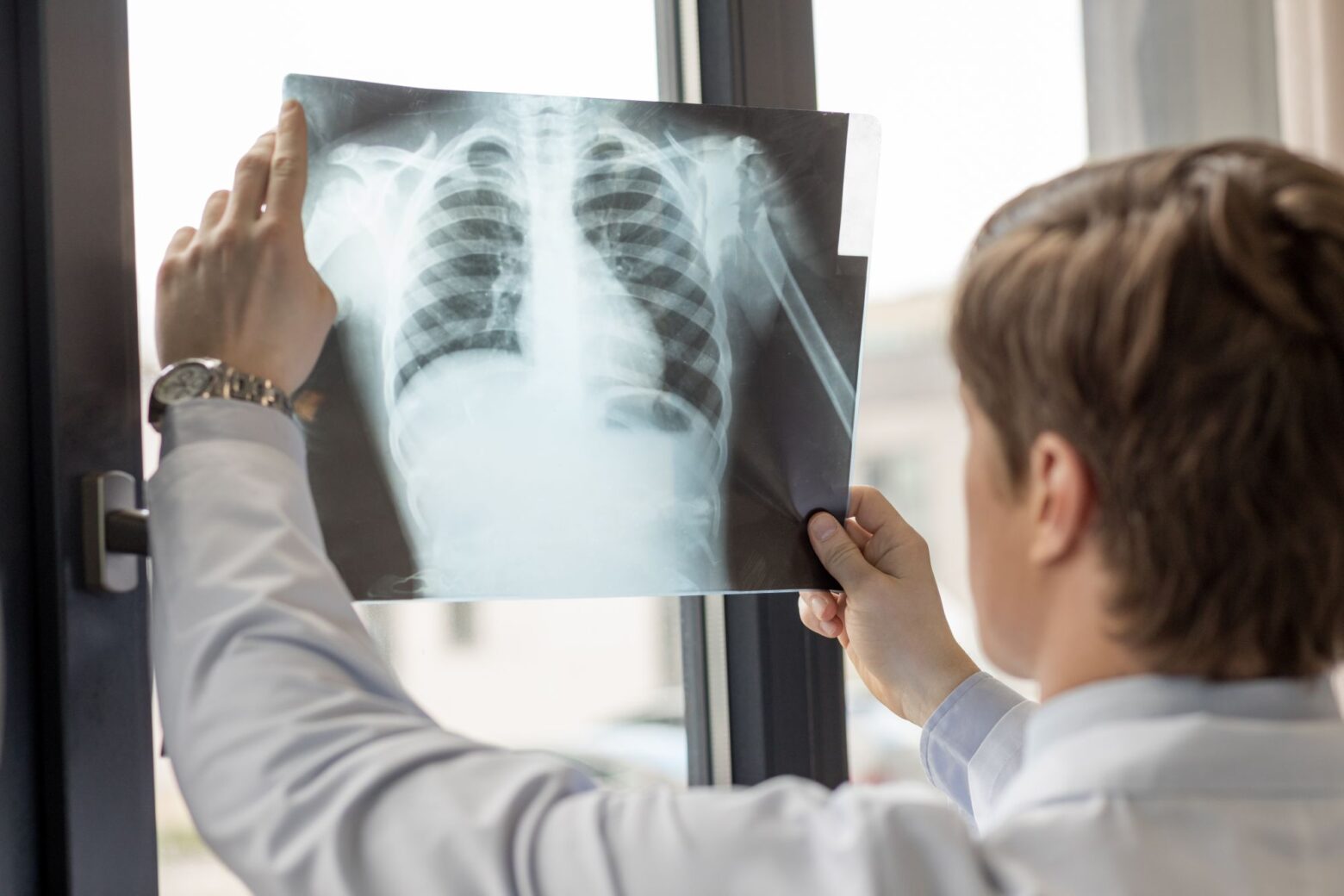
Identify the early symptoms of stomach cancer
Stomach cancer is a disease that, if detected early, can have a much more favourable prognosis. However, its initial sym…
Mouth cancer, also known as oral cancer, originates when cells in the lips, tongue, lining of the cheeks, hard or soft palate, gums, or floor of the mouth develop mutations. These mutations allow cancer cells to grow and divide uncontrollably, forming tumors. Mouth cancer can affect the ability to speak, chew, and swallow, significantly impacting quality of life. Understanding this disease is crucial to detecting and treating it early.
Mouth cancer can affect the ability to speak, chew, and swallow, significantly impacting quality of life. Understanding this disease is crucial to detecting and treating it early. It is also important to know that mouth cancer is not a single disease, but a group of cancers that affect different parts of the mouth.

Detecting mouth cancer in its early stages can be challenging, as it often does not present noticeable symptoms. However, as the disease progresses, certain signs may indicate the presence of a problem. It’s important to remember that these symptoms may be caused by other benign conditions, and that the severity and presentation of symptoms can vary from person to person. If you experience any of these symptoms, it is essential to consult a doctor for an accurate diagnosis.
Once mouth cancer is detected, it is essential to classify it to determine its aggressiveness and guide treatment. Mouth cancer is classified according to its location, type of cancer cell, and stage. Staging takes into account the size of the tumor and whether it has spread to nearby lymph nodes or other parts of the body. This classification is crucial for determining the best therapeutic course of action.
Despite advances in research, the exact causes of mouth cancer are still not fully understood. It is believed that a combination of genetic, hormonal, and environmental factors contributes to the development of the disease. Mouth cancer occurs when cells in the lips or oral cavity undergo changes (mutations) in their DNA. These mutations allow cancer cells to continue growing and dividing when healthy cells would die. The accumulation of cancer cells can form a tumor.

Once mouth cancer is detected, it is essential to classify it to determine its aggressiveness and guide treatment. Mouth cancer is classified according to its location, type of cancer cell, and stage. Staging takes into account the size of the tumor and whether it has spread to nearby lymph nodes or other parts of the body. This classification is crucial for determining the best therapeutic course of action.
Despite advances in research, the exact causes of mouth cancer are still not fully understood. It is believed that a combination of genetic, hormonal, and environmental factors contributes to the development of the disease. Mouth cancer occurs when cells in the lips or oral cavity undergo changes (mutations) in their DNA. These mutations allow cancer cells to continue growing and dividing when healthy cells would die. The accumulation of cancer cells can form a tumor.
Identifying risk factors can help in understanding the likelihood of developing mouth cancer and in taking preventive measures. Several factors can increase the risk of developing mouth cancer:
If left untreated, mouth cancer can lead to various complications that affect the health and quality of life of patients. It is important to seek medical advice if the condition is suspected. Complications of mouth cancer and its treatment may include:
An accurate and early diagnosis is essential for effective treatment. The diagnostic process for mouth cancer generally includes the following steps, which allow doctors to determine the presence, location, and extent of the cancer:
Mouth cancer treatment is individualized according to the stage of the cancer, the patient’s age, their general health status, and their preferences. The goal of treatment is to eliminate the cancer and prevent its recurrence, while minimizing side effects. Treatment options may include:
A multidisciplinary approach is common, involving head and neck surgeons, radiation oncologists, medical oncologists, speech-language pathologists, dietitians, and other specialists, and is essential for comprehensive and personalized treatment.
Remember that this article is for informational purposes only and does not replace professional medical advice. If you suspect you have mouth cancer, consult a specialist to obtain an accurate diagnosis and a treatment plan tailored to your needs.