Mesothelioma, also known as mesothelial cancer, is a malignant tumor that develops from the cells of the mesothelium tissue. This protective membrane covers most internal organs, including the lungs (where it is called the pleura), the abdomen (peritoneum), and, less frequently, the heart (pericardium) and the testicles (tunica vaginalis). Pleural mesothelioma is the most common type.
Mesothelioma can significantly affect patients’ quality of life, causing pain, difficulty breathing, and other debilitating symptoms.
Symptoms of mesothelioma
Recognizing the symptoms of mesothelioma is crucial for early diagnosis. However, these symptoms are often nonspecific and can be confused with other conditions, delaying diagnosis. The following are some of the most common symptoms:
Pleural mesothelioma (lungs):
persistent chest pain, dry cough, shortness of breath (dyspnea), fluid buildup around the lung (pleural effusion), and shoulder pain.
Peritoneal mesothelioma (abdomen):
abdominal pain, abdominal swelling or distension, fluid accumulation in the abdomen (ascites), unexplained weight loss, nausea and vomiting.
Pericardial mesothelioma (heart):
chest pain, shortness of breath, palpitations, and fluid buildup around the heart (pericardial effusion).
Mesothelioma of the tunica vaginalis:
fatigue, fever, night sweats, and loss of appetite.
It is important to remember that the presence of these symptoms does not necessarily indicate mesothelioma. A medical evaluation is required to determine the cause.
Classification of mesothelioma
Mesothelioma is classified into different types according to the appearance of the cancer cells under a microscope. This classification is important because it helps to determine the prognosis and guide treatment.
Epithelioid mesothelioma: it is the most common type of mesothelioma, accounting for approximately 50-60% of cases. Epithelioid cells resemble normal epithelial cells that line the body’s surfaces. Epithelioid mesothelioma tends to grow more slowly than other types and generally has a better prognosis.
Sarcomatoid mesothelioma: this type is less common and more aggressive than epithelioid mesothelioma. Sarcomatoid cells have an elongated appearance similar to connective tissue cells. Sarcomatoid mesothelioma tends to grow and spread rapidly, making it more difficult to treat.
Biphasic or mixed mesothelioma: this type contains a mixture of epithelioid and sarcomatoid cells. The prognosis for biphasic mesothelioma is usually between that of epithelioid and sarcomatoid mesothelioma.
Causes of mesothelioma
The main cause of mesothelioma is exposure to asbestos, a mineral fiber that was used in construction, shipbuilding, and other sectors. Inhalation or ingestion of asbestos fibers can cause chronic inflammation and DNA damage, which may eventually lead to the development of mesothelioma.
Some risk factors can increase the risk of developing mesothelioma. Below, we outline the most significant risk factors:
Exposure to asbestos: working in industries such as construction, mining, asbestos product manufacturing, and car repair increases the risk of exposure.
Exposure to erionite: erionite is a mineral similar to asbestos that has also been linked to mesothelioma.
Family history of mesothelioma: although mesothelioma is not hereditary, having a family member with the disease may slightly increase the risk.
Exposure to radiation: exposure to high doses of radiation, such as that used in some medical treatments, can increase the risk.
Complications of mesothelioma
Mesothelioma can cause a number of serious complications, including:
Pleural or peritoneal effusion: accumulation of fluid around the lungs or in the abdomen, causing difficulty breathing or pain.
Metastasis: the cancer can spread to other parts of the body, such as the lymph nodes, liver, or bones.
Pain: mesothelioma can cause chest pain, abdominal pain, or pain in other affected areas.
Weight loss and weakness: the disease can affect appetite and the body’s ability to absorb nutrients, leading to weight loss and weakness.
If you suspect you have mesothelioma, it is crucial to seek medical attention immediately.
Diagnosis of mesothelioma
Diagnosing mesothelioma is a complex process that often requires the collaboration of several specialists. Because the symptoms can be similar to those of other diseases, it is crucial to conduct a thorough evaluation to obtain an accurate diagnosis.
Medical history and physical examination: the doctor will ask you about your symptoms, history of asbestos exposure (including the duration and intensity of exposure), family history of cancer, and other risk factors. The physical examination may include auscultation of the lungs, palpation of the abdomen, and evaluation of the lymph nodes.
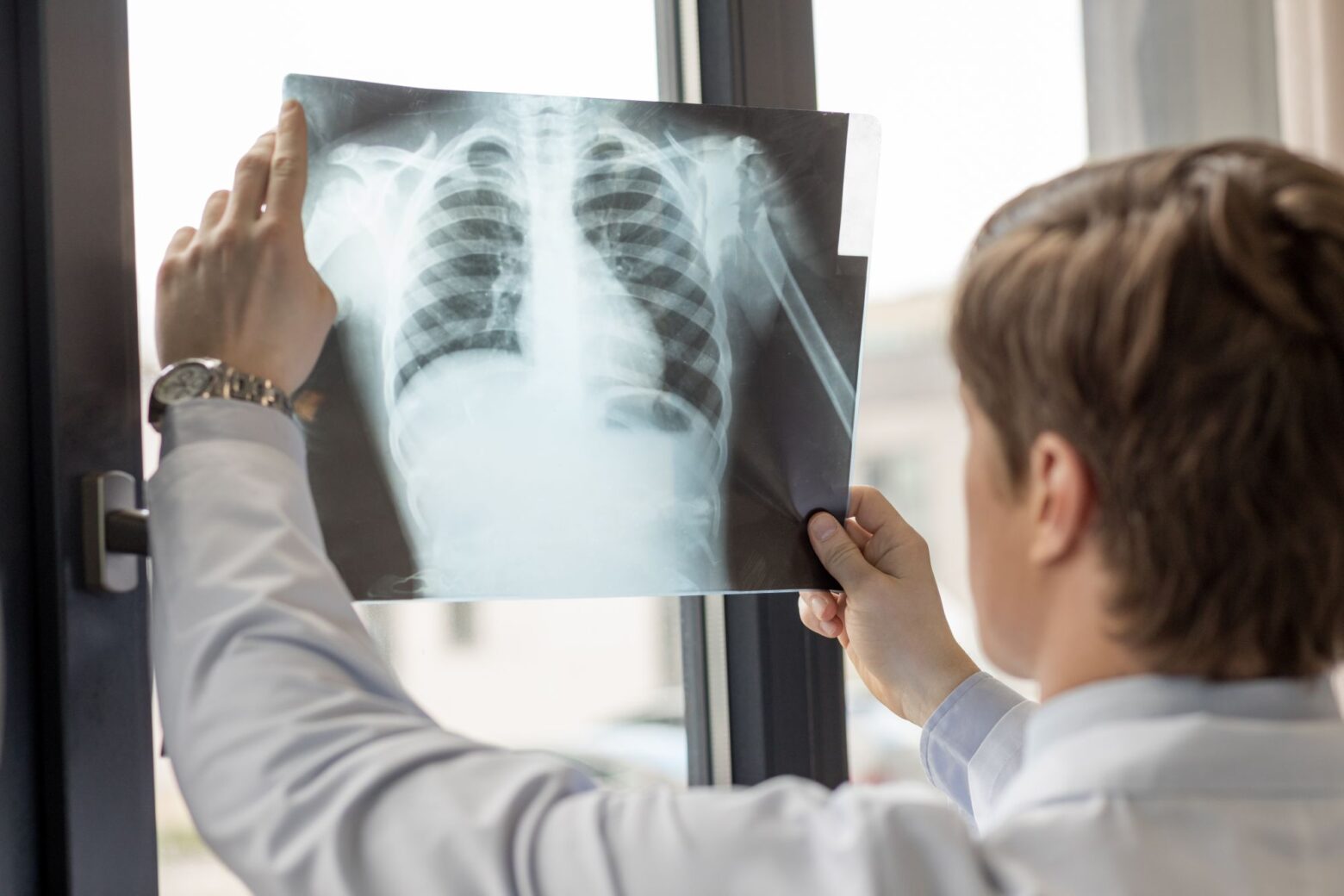
Imaging tests: chest X-rays, computed tomography (CT) scans, magnetic resonance imaging (MRI), and positron emission tomography (PET) scans are crucial tools for visualizing the tumor, assessing its size and extent, and determining whether it has spread to other parts of the body.
Biopsy: biopsy is the most definitive procedure for diagnosing mesothelioma. It involves the removal of a small tissue sample from the tumor for microscopic analysis. There are different biopsy techniques, such as needle biopsy, thoracoscopy (insertion of a thin tube with a camera into the chest), and laparoscopy (insertion of a thin tube with a camera into the abdomen). The choice of technique depends on the location of the tumor and the patient’s condition.
Cytology: analysis of pleural or peritoneal fluid may reveal the presence of malignant mesothelial cells. However, cytology is not always diagnostic, and a biopsy is often required to confirm the diagnosis.
Immunohistochemistry: Immunohistochemical tests are performed on the biopsy sample to identify specific proteins in cancer cells. These tests help to differentiate mesothelioma from other types of cancer, such as adenocarcinoma.
Mesothelioma treatment
The treatment of mesothelioma is based on several factors, including the stage of the cancer, the location of the tumor, the patient’s overall health, and their preferences. There is no single approach that works for all cases, and the treatment plan is individualized for each patient.
Surgery: surgery may be an option for some patients with early-stage mesothelioma. There are different surgical procedures, such as pleurectomy/decortication (removal of the lung lining and the tumor), extrapleural pneumonectomy (removal of the lung, part of the diaphragm and the lining of the lung) and cytoreductive surgery (removal of as much of the tumor as possible).
Chemotherapy: chemotherapy is a systemic treatment that uses drugs to destroy cancer cells. It can be used before surgery (neoadjuvant therapy) to reduce the size of the tumor or after surgery (adjuvant therapy) to eliminate any remaining cancer cells.
Radiotherapy: radiotherapy uses high-energy radiation to destroy cancer cells. It can be used alone or in combination with surgery or chemotherapy.
Targeted therapy: targeted therapy uses drugs that target specific molecules involved in the growth and spread of cancer.
Immunotherapy: immunotherapy stimulates the body’s immune system to fight cancer.
Palliative care: palliative care focuses on relieving symptoms, improving quality of life, and providing emotional support to patients with advanced mesothelioma.
The treatment of mesothelioma often requires a multidisciplinary approach involving oncologists, surgeons, radiologists, pulmonologists, and other specialists.
Remember that this article is for informational purposes only and does not replace professional medical advice. If you suspect you have mesothelioma, consult a specialist to obtain an accurate diagnosis and an appropriate treatment plan tailored to your needs.
Our doctors
Contact and make an appointment with the professionals in this area