Ewing sarcoma is a malignant tumor that originates in bone cells or in the soft tissues surrounding bones, such as cartilage, muscles, or nerves. It is characterized by rapid and aggressive growth, with the ability to metastasize to other parts of the body, such as the lungs, bone marrow, or other bones. At the genetic level, it is associated with a chromosomal translocation (an error in the organization of the chromosomes, where a fragment of DNA is exchanged with another from a different chromosome, potentially altering normal cell function), t(11;22), which causes an abnormal protein that interferes with normal cell function.
Although it can occur at any age, it is more common in children and adolescents. Ewing sarcoma is relatively rare.
Symptoms of Ewing sarcoma
The symptoms of Ewing sarcoma can vary depending on the location and size of the tumor. Some of the most common symptoms include:
Pain:
pain in the affected area is the most common symptom. It may be constant or intermittent, and may worsen with physical activity.
Swelling:
swelling may be observed in the area of the tumor.
Tenderness to touch:
the affected area may be tender to the touch.
Fever:
some patients may experience fever.
Fatigue:
fatigue and general weakness are common.
Weight loss for no apparent reason:
it may be a sign of advanced disease.
Bone fractures without prior trauma:
in some cases, the tumor can weaken the bone and cause a fracture.
It is important to note that these symptoms can be caused by other conditions, so it is essential to consult your doctor to obtain an accurate diagnosis.
Types of Ewing sarcoma
The classification of Ewing sarcoma is complex and considers various factors. In addition to the location (bone or extraosseous), aspects such as the degree of cell differentiation, the presence of metastasis, and the response to treatment are taken into account.
According to the origin of the tumor:
Osseous: it originates in bone, usually in the long bones of the limbs, the pelvis, and the thoracic wall.
Extraosseous: it originates in the soft tissues surrounding the bones, such as muscle, adipose tissue, or connective tissue.
According to the presence of metastasis at the time of diagnosis:
Localized: the tumor is confined to its place of origin.
Metastatic: the cancer has spread to other parts of the body.
According to the degree of cell differentiation: this classification is based on the microscopic analysis of tumor tissue and reflects the similarity of cancer cells to normal cells. Less differentiated tumors tend to be more aggressive.
Causes of Ewing sarcoma
The exact cause of Ewing sarcoma is unknown. However, chromosomal translocation t(11;22), present in most cases, plays a fundamental role in the development of the disease. This translocation creates a fusion protein (an abnormal protein created when two genes from different chromosomes mistakenly join), EWS-FLI1, that alters gene regulation and increases the chance of uncontrolled tumor growth.
The main risk factor for Ewing sarcoma is age, as it is more common in children and adolescents. A slightly higher incidence has also been observed in people of European descent.
Ewing sarcoma diagnosis
Diagnosing Ewing sarcoma requires a thorough evaluation that includes:
X-rays: X-rays are often the first imaging test performed. They may show areas of bone damage, such as a fracture or a tumor. However, X-rays are not always sufficient to diagnose Ewing sarcoma, as other conditions can have a similar appearance on imaging.
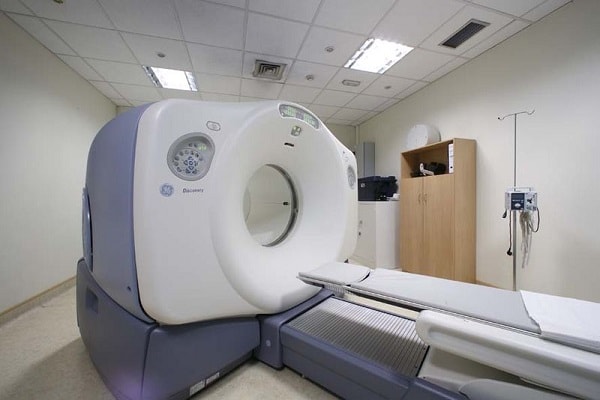
Computerized Tomography (CT scan): CT provides more detailed images of the tumor. It can help determine the exact size and location of the tumor.
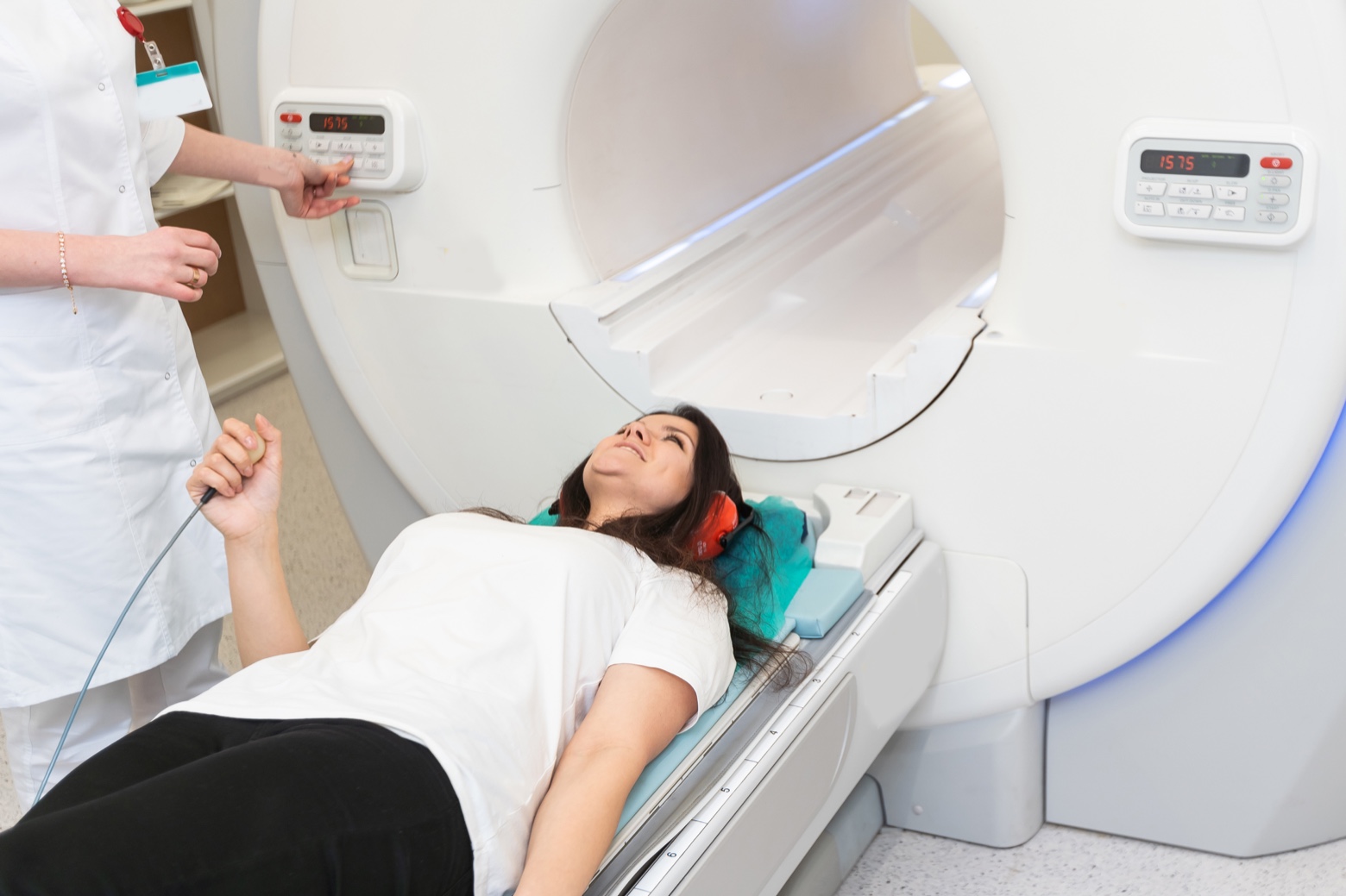
Magnetic Resonance Imaging (MRI): MRI uses magnetic fields and radio waves to create detailed images of the internal organs and tissues in the body. It is particularly useful for assessing the extent of the tumor in the bone and surrounding soft tissues.
Positron Emission Tomography (PET): PET uses a small amount of radioactive material to show the metabolic activity of the body’s cells. It can help identify areas of high metabolic activity, such as cancer cells, and can be useful in monitoring the response to treatment.
Bone scintigraphy: this test uses a small amount of radioactive material that is injected into a vein. The radioactive material accumulates in the bones, and a special camera detects the emitted radiation to create images. Bone scintigraphy can help identify areas of bone damage or tumor growth.
Laboratory tests: blood tests, including complete blood count, biochemistry, and tumor markers, help to assess the patient’s overall health and to monitor the response to treatment.
Biopsy: confirmation of an Ewing sarcoma diagnosis requires a biopsy, which involves removing a sample of tissue from the tumor for examination under a microscope. There are different types of biopsy: incisional biopsy (a portion of the tumor is removed), excisional biopsy (the entire tumor is removed) and fine-needle aspiration biopsy (cells are extracted using a fine needle).
Analysis of the biopsy sample is essential to identify the chromosomal translocation characteristic of Ewing sarcoma and to confirm the diagnosis. para identificar la translocación cromosómica característica del sarcoma de Ewing y confirmar el diagnóstico.
Treatment of Ewing sarcoma
The treatment of Ewing sarcoma generally involves a multidisciplinary approach. The specific treatment plan is individualized for each patient based on the stage of the cancer, the location of the tumor, and the patient’s age and overall health. The main treatment modalities include:
Chemotherapy: chemotherapy is administered before surgery to shrink the tumor and facilitate its removal, and after surgery to destroy any remaining cancer cells and reduce the risk of recurrence. Different combinations of drugs are used.
Surgery: surgery is performed to remove the tumor whenever possible. In some cases, amputation of a limb may be necessary if the tumor is large or located in a critical area. Modern surgical techniques, such as limb-conserving surgery, are used whenever possible to preserve the function of the affected limb.
Radiotherapy: radiotherapy uses high-energy radiation to destroy cancer cells. It can be used in combination with chemotherapy and surgery to improve local tumor control. Radiotherapy may be administered before surgery to reduce the size of the tumor, or after surgery to destroy any remaining cancer cells.
Other therapies: in some cases, other therapies, such as targeted therapy or immunotherapy, may be used, especially in cases of metastatic or recurrent disease. These therapies target specific characteristics of cancer cells and can be more effective than traditional chemotherapy in certain cases.
Prognosis and complications of Ewing sarcoma
Generally, the prognosis is better for younger patients, smaller tumors, and those located in the limbs rather than the skull, spine, or pelvis. The effectiveness of the treatment and the presence or absence of metastases also significantly influence the prognosis.
Complications of Ewing sarcoma and its treatments may include:
Metastasis: spread of cancer to other parts of the body, such as the lungs, liver, and brain.
Recurrence: the cancer can recur after treatment.
Side effects of the treatment: chemotherapy, surgery, and radiotherapy can have significant side effects, such as nausea, vomiting, hair loss, infections, fatigue, and organ damage.
Long-term problems: some patients may experience long-term problems, such as chronic pain or physical disability.
The multidisciplinary team that treats Ewing sarcoma may include experts in medical oncology, pediatric oncology, orthopedic oncology, radiotherapy, and other specialties. At HM Hospitales, we work as a team to provide comprehensive and personalized care to each patient.
Remember that this article is for informational purposes only and does not replace professional medical advice. If you suspect you have Ewing sarcoma, consult a specialist to obtain an accurate diagnosis and an appropriate treatment plan tailored to your needs. n informativo y no sustituye la valoración médica profesional. Si sospechas que tienes Sarcoma de Ewing, consulta con un especialista para obtener un diagnóstico preciso y un plan de tratamiento adecuado a tus necesidades.
Our doctors
Contact and make an appointment with the professionals in this area