Epilepsy is characterized by recurrent seizures, which are episodes of abnormal electrical activity in the brain. These seizures can manifest in various ways, from brief episodes of staring or absences to generalized convulsive movements with loss of consciousness. Epilepsy significantly impacts the quality of life of those who suffer from it and their families.
Symptoms of epilepsy
The symptoms of epilepsy are diverse and depend on the type of seizure and the area of the brain affected. Some common symptoms include:
Focal (partial) seizures:
symptoms may be motor (involuntary movements, spasms), sensory (unusual sensations, tingling, strange smells or tastes), autonomic (sweating, nausea, palpitations), or psychic (mood changes, confusion).
Generalized seizures:
they can cause loss of consciousness, muscle rigidity, tonic-clonic seizures (formerly known as “grand mal”), absences (brief episodes of staring and unresponsiveness), myoclonic seizures (brief muscle jerks), or atonic seizures (sudden loss of muscle tone).
The severity and presentation of symptoms can vary significantly from person to person. Some people may experience auras (premonitory sensations) before a seizure.
Classification of epilepsy
Epilepsy is classified according to the type of seizures and the region of the brain where they originate. The main classifications are:
Focal (or partial) epilepsy: seizures begin in a specific area of one cerebral hemisphere. This category is further subdivided into focal aware epilepsy (without loss of consciousness) and focal impaired-awareness epilepsy.
Generalized epilepsy: seizures involve both cerebral hemispheres from the beginning. Some examples are absence seizures, generalized tonic-clonic seizures, and myoclonic seizures.
Epilepsy of unknown onset: when the origin of the seizures cannot be determined.
Causes of epilepsy
The causes of epilepsy are varied and, in some cases, unknown. Some common causes include:
Although epilepsy can affect anyone, certain factors can increase the risk of developing it. Some risk factors are:
Family history of epilepsy.
Age: epilepsy is more common in childhood and older adulthood.
Previous brain injuries: traumatic brain injuries, infections, or strokes.
Vascular diseases: they affect blood flow to the brain.
Dementia: the risk of epilepsy increases with age and the presence of dementia.
Prenatal infections: some infections during pregnancy can increase the risk of epilepsy in the child.
Complications of epilepsy
Epilepsy can lead to various complications, affecting both physical and mental health:
Injuries during seizures: falls, tongue bites, fractures.
Memory and learning problems: difficulties in concentration, memory, and learning.
Depression and anxiety: epilepsy is associated with an increased risk of mood disorders.
Social problems: stigma, discrimination, and difficulties finding employment.
Sudden unexpected death in epilepsy (SUDEP): a rare but serious cause of death in people with epilepsy.
Diagnosis of epilepsy
The diagnosis of epilepsy is a complex process that requires a thorough evaluation by a neurologist. Various tests are used to confirm the diagnosis, determine the type of epilepsy, and rule out other conditions with similar symptoms. These tests include:
Medical history and neurological examination: the neurologist will carefully review the patient’s symptoms, medical and family history, and perform a physical examination to assess neurological function. It is important to accurately describe the characteristics of the seizures, such as duration, premonitory symptoms (auras), and post-seizure symptoms.
Electroencephalogram (EEG): the EEG is the fundamental test for the diagnosis of epilepsy. It records the electrical activity of the brain using electrodes placed on the scalp. It can detect abnormal patterns of electrical activity, such as epileptiform discharges, which suggest the presence of epilepsy. There are different types of EEG, such as standard EEG, ambulatory EEG (for 24 hours or more), and video-EEG, which simultaneously records the electrical activity of the brain and the patient’s behavior during a seizure.
Computerized Tomography (CT scan): CT is used less frequently than MRI in the diagnosis of epilepsy, but it can be useful in emergency situations to detect brain hemorrhages or tumors.
Blood tests: blood tests can help rule out other medical conditions that can cause symptoms similar to seizures, such as metabolic disorders or infections.
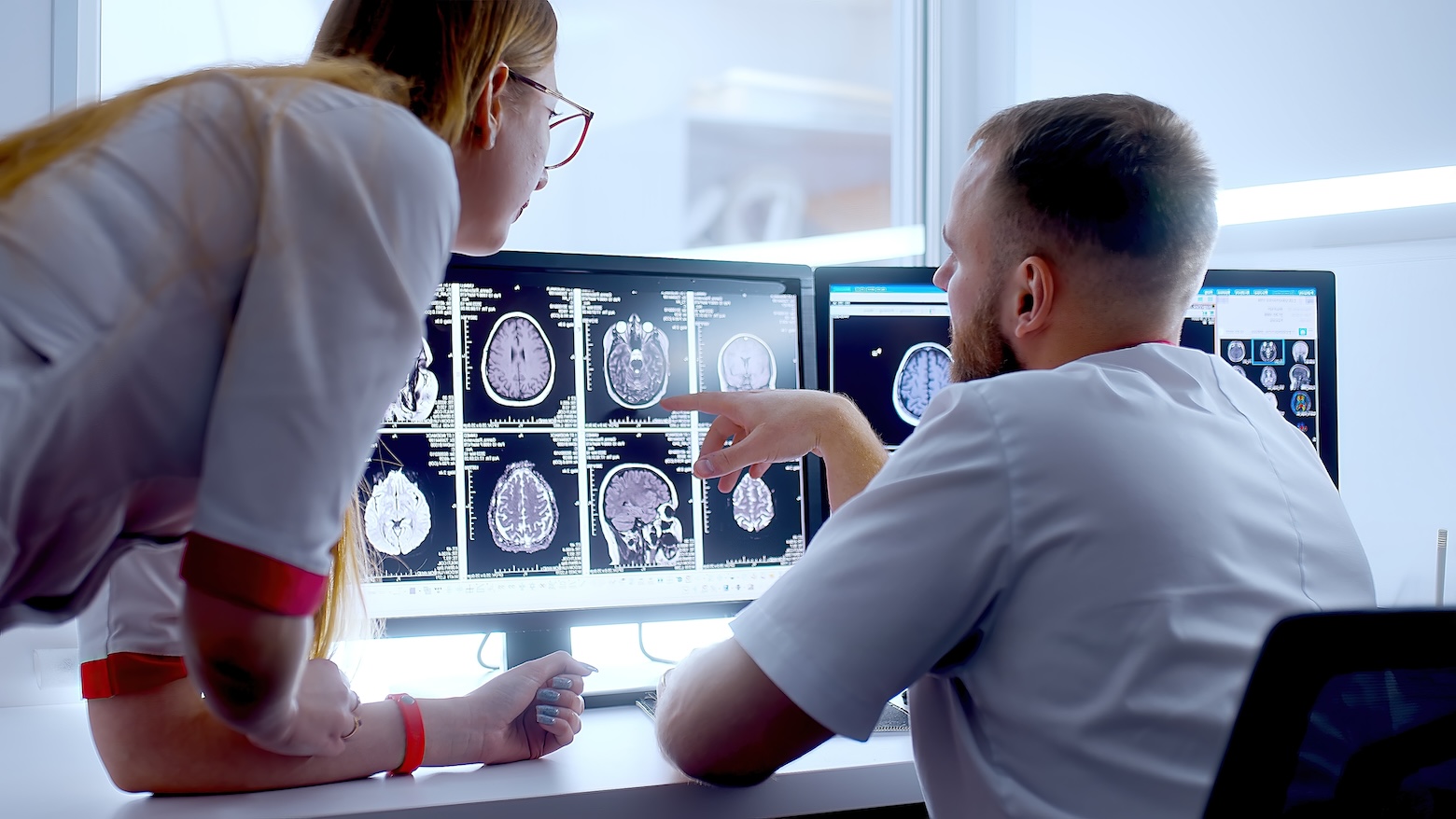
Magnetic Resonance Imaging (MRI): MRI provides detailed images of the brain, allowing the identification of possible structural causes of epilepsy, such as congenital malformations, tumors, scars, or injuries. MRI is essential for planning epilepsy surgery.
Epilepsy treatment
The goal of epilepsy treatment is to control seizures, minimize the side effects of medications, and improve the patient’s quality of life. Treatment is individualized according to the type of epilepsy, the frequency and severity of seizures, the patient’s age, and other factors. Treatment options include:
Antiepileptic drugs (AEDs): AEDs are the primary treatment for most people with epilepsy. There are numerous antiepileptic drugs (AEDs) available, each with its own mechanism of action and side effect profile. The neurologist will select the most appropriate AED for each patient, taking into account the type of epilepsy and other factors. It is important to take medications as directed by the doctor and not to interrupt treatment without consulting first.
Surgery: surgery may be an option for people with drug-resistant focal epilepsy, that is, when seizures are not controlled with at least two antiepileptic drugs (AEDs). The goal of the surgery is to remove the area of the brain where the seizures originate. Epilepsy surgery can be very effective in controlling seizures, but it carries risks, such as infections or neurological deficits. The decision to undergo surgery is made after a thorough evaluation by a multidisciplinary team.
Stimulation therapies: stimulation therapies, such as vagus nerve stimulation (VNS) and deep brain stimulation, may be options for some patients with drug-resistant epilepsy. VNS involves the implantation of a device that sends electrical impulses to the vagus nerve, which can reduce the frequency and severity of seizures. Deep brain stimulation involves implanting electrodes in specific areas of the brain.
Ketogenic diet: a ketogenic diet, a high-fat, low-carbohydrate diet, may be effective in controlling seizures in some children with epilepsy, especially in those with specific epileptic syndromes. The ketogenic diet should be supervised by a nutritionist and a neurologist.
Lifestyle management: in addition to medical treatment, it is important to adopt a healthy lifestyle to control epilepsy. This includes getting enough sleep, avoiding excessive alcohol consumption, managing stress, and following the doctor’s instructions regarding physical activity and driving.
Remember that this article is for informational purposes only and does not replace professional medical advice. If you suspect you have epilepsy, consult a specialist to obtain an accurate diagnosis and an appropriate treatment plan tailored to your needs.
Our doctors
Contact and make an appointment with the professionals in this area