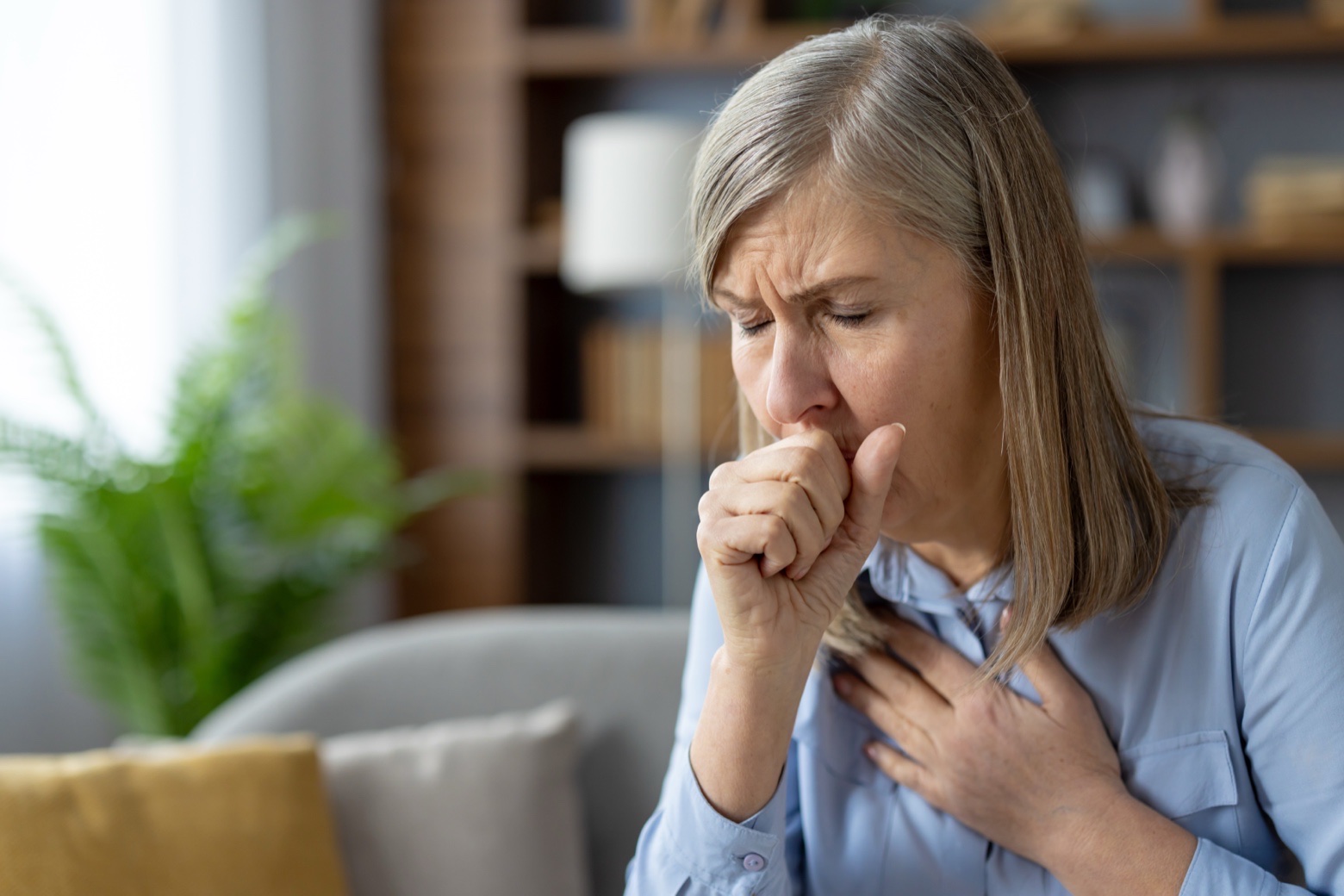
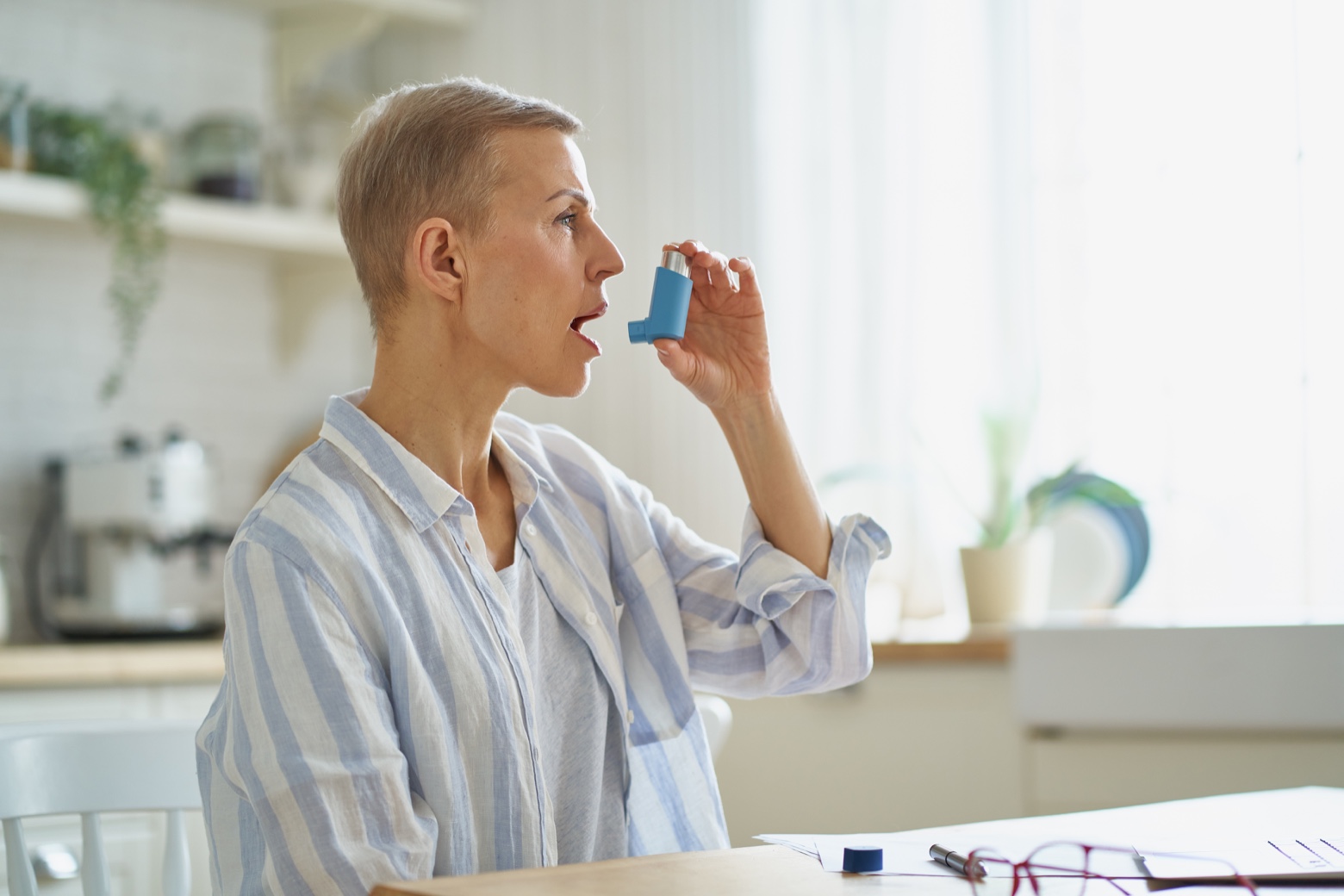
Chronic Obstructive Pulmonary Disease (COPD) is a preventable and treatable lung condition characterized by persistent airflow obstruction. It is estimated that in Spain it affects more than 2.9 million people, although underdiagnosis reaches up to 75% of cases.
Chronic obstructive pulmonary disease, or COPD, is a general term that encompasses a group of progressive lung diseases that obstruct airflow in the lungs, making breathing difficult. Lung damage over time can result from exposure to irritating particles, such as tobacco smoke. The two most common conditions that contribute to COPD are chronic bronchitis and emphysema. In the long term, COPD can cause damage to the heart and other organs, so early diagnosis is important to control symptoms and improve quality of life.
Síntomas de la enfermedad pulmonar obstructiva crónica
Symptoms of chronic obstructive pulmonary disease
Shortness of breath:
especially during physical activity
Wheezing.
Chronic cough:
that can produce phlegm
Increased susceptibility to respiratory infections.
Fatigue and muscle weakness.
Chest tightness.
Weight loss in advanced stages.
Classification of chronic obstructive pulmonary disease
COPD is classified according to the severity of airflow obstruction, measured by a test called spirometry. The GOLD (Global Initiative for Chronic Obstructive Pulmonary Disease) system is commonly used to classify COPD. This system evaluates FEV1 (forced expiratory volume in one second), which is the amount of air a person can exhale in one second, and compares it to a normal value expected for a person of the same age, sex, and height. The GOLD stages are:
GOLD 1: Mild COPD. FEV1 ≥ 80% of the expected normal value. At this stage, people may not notice that their breathing is different from normal.
GOLD 2: Moderate COPD. 50% ≤ FEV1 < 80% of the expected normal value. At this stage, people may begin to experience shortness of breath when performing physical activities.
GOLD 3: Severe COPD. 30% ≤ FEV1 < 50% of the expected normal value. At this stage, shortness of breath becomes more pronounced and can significantly limit physical activity.
GOLD 4: Very severe COPD. FEV1 < 30% of the expected normal value. At this stage, COPD is very severe and can cause respiratory failure.
In addition to the GOLD classification based on spirometry, COPD can also be classified according to symptoms and the risk of exacerbations (episodes of worsening symptoms). This classification uses categories A, B, C, and D, where:
A: few symptoms and low risk of exacerbations.
B: many symptoms and low risk of exacerbations.
C: few symptoms and high risk of exacerbations.
D: many symptoms and a high risk of exacerbations.
This classification helps doctors tailor treatment to the individual needs of each patient.
Causes and risk factors of chronic obstructive pulmonary disease
The most common cause of COPD is prolonged exposure to tobacco smoke, but it can also be caused by exposure to other lung irritants, such as air pollution, dust, and chemical fumes. Some people may also develop COPD due to a genetic deficiency. In addition, several factors can increase the risk of developing COPD, including:
Smoking: the most significant risk factor.
Exposure to secondhand smoke: even if you don’t smoke, exposure to secondhand smoke can increase your risk.
Occupational exposure to dust and chemicals: long-term exposure to certain dusts, gases, or chemical vapors in the workplace can irritate and inflame the lungs.
Age: COPD is more common in people over 40 years of age.
Genetics: some people inherit an alpha-1 antitrypsin deficiency, which increases their risk of COPD.
Complications of chronic obstructive pulmonary disease
COPD can lead to various complications that affect health and quality of life. Early detection and treatment can minimize these complications.
Respiratory infections: people with COPD are more likely to catch colds, flu, and pneumonia.
Heart problems: COPD can increase the risk of heart disease, including heart attack, heart failure, pulmonary hypertension, and cor pulmonale.
Lung cancer: people with COPD have a higher risk of developing lung cancer.
Depression and anxiety: difficulty breathing can lead to depression and anxiety.
If you experience symptoms of COPD, it is important to consult a doctor for a diagnosis and treatment plan.
Diagnosis of chronic obstructive pulmonary disease
The diagnosis of COPD is a comprehensive process that combines clinical evaluation with specialized tests to confirm the presence of the disease and determine its severity. An accurate diagnosis is essential to establish an appropriate treatment plan and improve the patient’s quality of life. The diagnostic process generally includes:
Assessment of symptoms and medical history: the doctor will ask you about your symptoms, smoking history, exposure to lung irritants, and family history of COPD.
Physical examination: the doctor will listen to your lungs with a stethoscope to detect wheezing or other abnormal sounds. They may also measure your heart rate and blood pressure.
Spirometry: this is the most common pulmonary function test used to diagnose COPD. It measures the amount of air you can inhale and exhale, and how quickly you can exhale. Spirometry results can help determine the severity of airflow obstruction in your lungs.
Other pulmonary function tests: in addition to spirometry, other tests can be performed to assess lung function, such as measuring total lung capacity, diffusing capacity of the lungs for carbon monoxide (DLCO), and measuring lung volumes.
Imaging tests: a chest X-ray or computed tomography (CT) scan can help rule out other conditions, such as pneumonia or lung cancer, and assess the severity of lung damage.
Arterial blood gas analysis: this test measures the levels of oxygen and carbon dioxide in the blood. It can help determine the severity of COPD and the need for supplemental oxygen.
Laboratory tests: blood tests can be performed to rule out other conditions, such as alpha-1 antitrypsin deficiency, a rare genetic cause of COPD.
Treatments for chronic obstructive pulmonary disease
Treatment for COPD aims to relieve symptoms, prevent complications, and improve quality of life. Treatment is based on the severity of the disease, the presence of complications, and the individual needs of the patient. A multidisciplinary approach involving several health professionals is essential to providing the best possible care. Treatment options include:
Pulmonary rehabilitation: a pulmonary rehabilitation program can help improve your ability to exercise and manage your symptoms. Pulmonary rehabilitation programs typically include exercise, education, and support.
Lifestyle changes: they are essential for controlling COPD. Quitting smoking is the most important step you can take to protect your lungs and slow the progression of the disease. Avoiding exposure to lung irritants, such as secondhand smoke and air pollution, is also crucial. Following a healthy diet and exercising regularly can help you maintain a healthy weight, strengthen your immune system, and improve your ability to breathe.
Medications: they play a crucial role in managing symptoms and preventing exacerbations. Bronchodilators, which relax the muscles of the airways, facilitate breathing and are administered through inhalers or nebulizers. Inhaled corticosteroids help reduce inflammation in the airways and are often used in combination with bronchodilators. In some cases, phosphodiesterase-4 inhibitors can be prescribed to reduce inflammation and relax the airways, and antibiotics are used to treat bacterial infections that can cause exacerbations.
Home oxygen therapy: in chronic respiratory failure (PaO2 ≤ 55 mmHg or SaO2 < 88%).
Surgery: surgical options include bullectomy (removal of bullae, abnormal air sacs in the lungs), lung volume reduction surgery, endobronchial valve implantation and, in very severe cases, lung transplantation may be considered.
At HM Hospitales, we have a multidisciplinary team of healthcare professionals, including pulmonologists, physiotherapists and other specialists, who work together to provide the best possible care to the patient.
Remember that this article is for informational purposes only and does not replace professional medical advice. If you suspect you have COPD, consult a specialist to obtain an accurate diagnosis and an appropriate treatment plan tailored to your needs.
Our doctors
Contact and make an appointment with the professionals in this area