Tremors in the hands can be a disconcerting experience and, at times, alarming. If you’ve noticed your hands shaking, it’s natural to wonder if it could be a sign of a more serious condition, such as Parkinson’s disease.
However, in many cases, these tremors may be caused by essential tremor. This article explains the differences between these two conditions and the available treatments for essential tremors.
What is an essential tremor?
Essential tremor is a neurological disorder that causes rhythmic shaking, most commonly in the hands, but it can also affect the head, voice, legs, or trunk. Despite being one of the most common neurological conditions, many people are unfamiliar.
Characteristics of essential tremor
- It is primarily an action tremor, most noticeable during voluntary movements such as drinking from a glass.
- It usually affects both hands, though it can spread to other body parts, such as the head, voice, or legs.
- Symptoms typically start mildly and gradually worsen over time.
- The intensity of the tremor can fluctuate, often worsening with stress, fatigue, or specific postures.
- It can interfere with daily activities like eating or writing, especially as it progresses.
Causes of essential tremor
Although the exact cause of essential tremor is still unknown, researchers have identified several factors that may contribute to its development:
- Genetics: Essential tremor has a genetic component and can run in families. Several genes may be involved, though inheritance does not follow a simple pattern.
- Changes in the cerebellum: Imaging studies have shown differences in the activity and structure of the cerebellum in people with essential tremors.
- Neurochemical imbalances: Alterations in certain neurotransmitters, such as GABA, may play a role.
- Environmental factors: While not fully proven, some studies suggest that environmental factors or toxins could contribute to the development of essential tremor.
- Age: The prevalence of essential tremor increases with age, though it can occur at any stage of life.
Differences between essential tremor and Parkinson’s
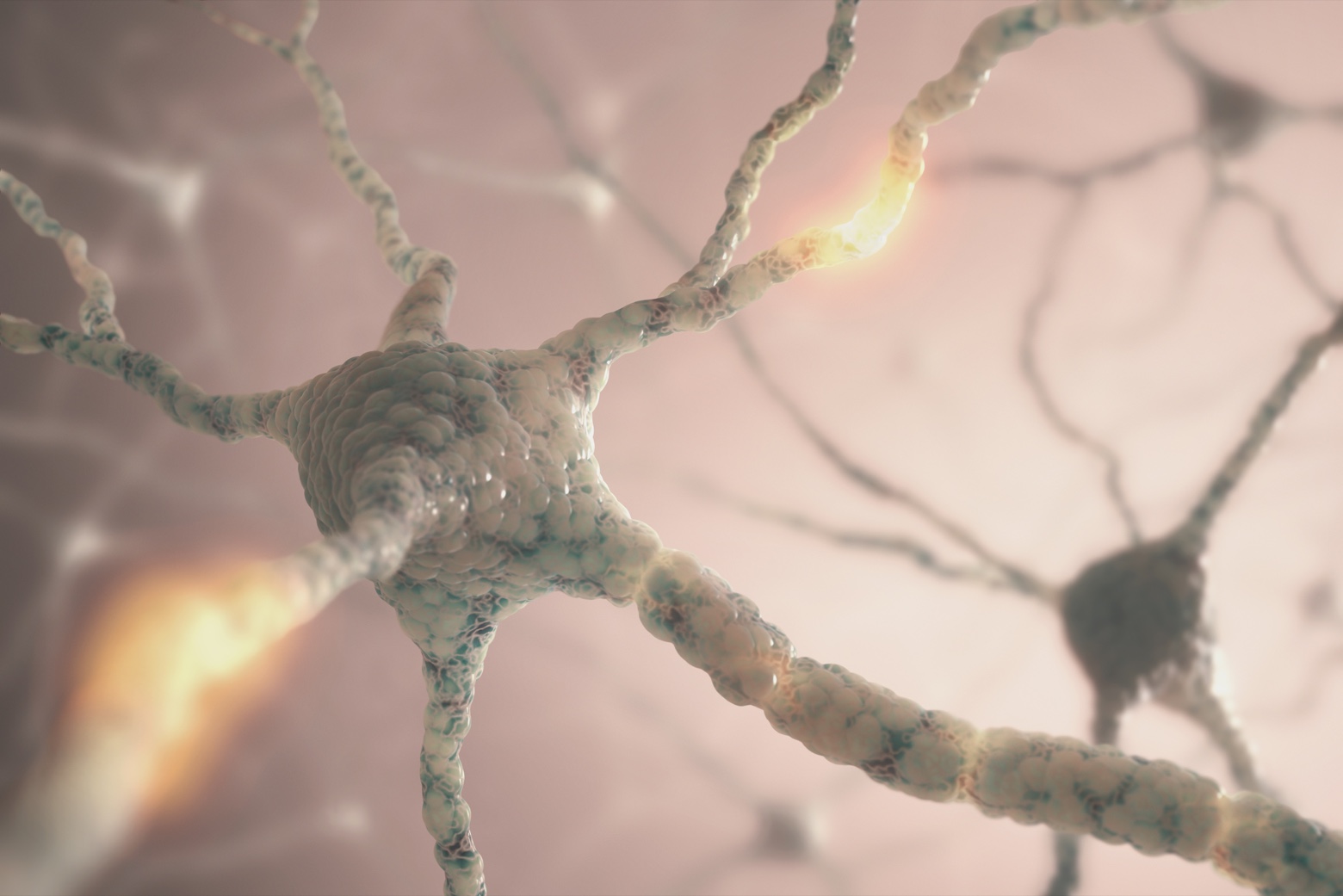
It’s important to note that, unlike Parkinson’s, essential tremor is unrelated to brain cell degeneration. This is a fundamental difference between the two conditions, affecting both prognosis and treatment.
Key differences include:
- Progression: While essential tremor can worsen over time, it generally does not lead to the wide range of symptoms seen in advanced Parkinson’s.
- Treatment: Dopamine-replacing medications, effective for Parkinson’s, are usually not helpful for essential tremors.
- Long-term prognosis: Essential tremor, though bothersome and potentially affecting quality of life, typically does not shorten life expectancy or cause the widespread deterioration seen in advanced Parkinson’s.
Other differences include:
- Type of tremor:
- Essential tremor: Tremors occur primarily during movement.
- Parkinson’s: Tremors occur mainly at rest when the hands or legs are relaxed.
- Other symptoms:
- Essential tremor: Symptoms are generally limited to tremors.
- Parkinson’s: Includes muscle rigidity, slow movements, and balance problems.
- Age of onset:
- Essential tremor: Can begin at any age, even in childhood.
- Parkinson’s: Typically starts in adulthood, though exceptions exist.
- Symmetry:
- Essential tremor: Usually affects both sides of the body from the start, though it may be slightly asymmetrical.
- Parkinson’s: Often starts on one side and is asymmetrical, eventually affecting both sides after several years.
Diagnosis of essential tremor

Diagnosing essential tremor can be challenging, as no specific test can confirm it. Doctors typically rely on:
- Detailed medical history: Including family history and symptom progression.
- Physical examination: Observing the tremor in different positions and during various activities.
- Neurological function tests: To rule out other conditions.
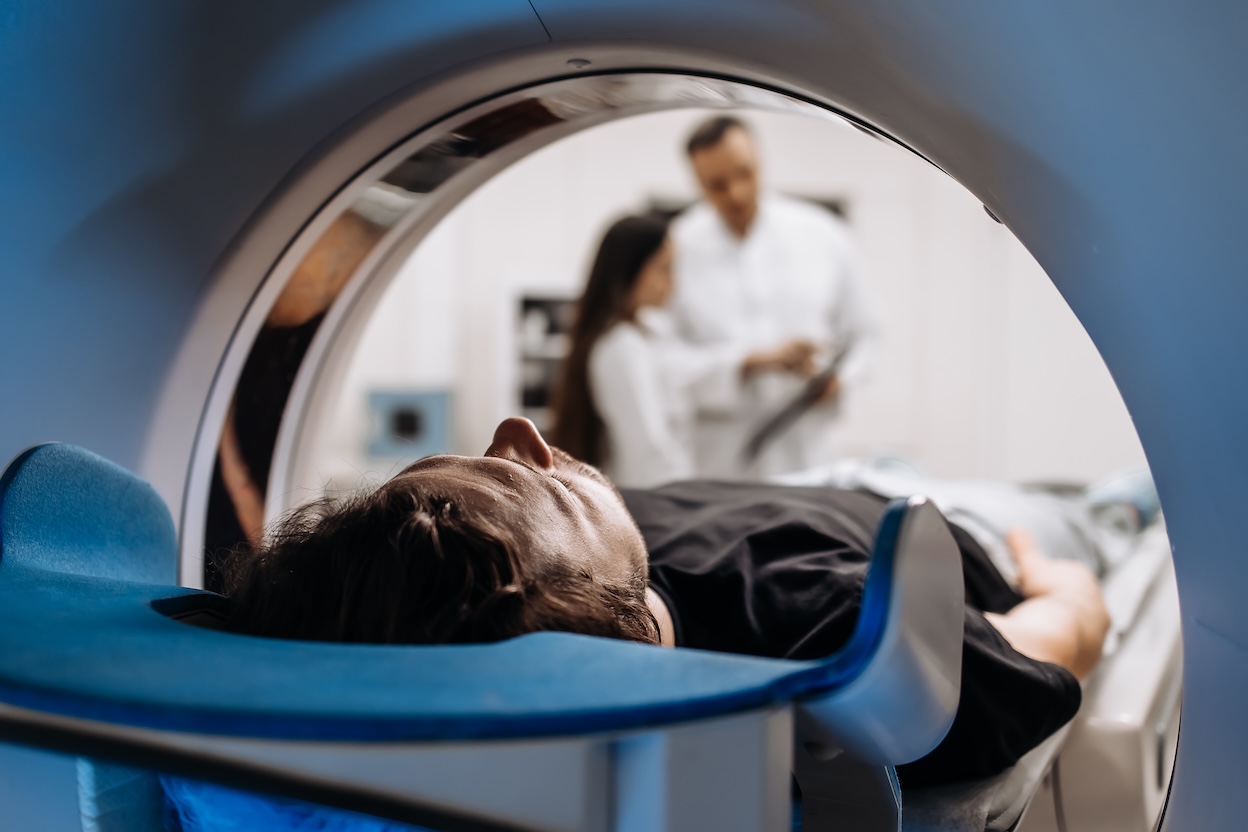
- Imaging tests: Such as MRI, to exclude other causes of tremor.
- Electrophysiological studies: In some cases, to characterize the tremor pattern.
Accurate diagnosis is crucial, as treatment for essential tremors differs from that for Parkinson’s.
Management of Essential Tremor
While there is no cure for essential tremor, there are various treatments available to control its symptoms:
- Pharmacological treatment:
These alleviate the symptoms of essential tremors. Notable options include:
- Beta-blockers: The most commonly used is propranolol. Originally developed to treat high blood pressure, these medications can help reduce tremors by blocking specific nerve signals in the body.
- Anticonvulsants: Drugs such as primidone, gabapentin, or topiramate—initially used to treat epilepsy—can also be effective for essential tremors. They work by calming abnormal electrical activity in specific brain areas.
- Physical and occupational therapy:
These therapies can improve motor control and teach strategies to manage tremors in daily life. You can strengthen muscles and enhance coordination through targeted exercises, reducing the tremor’s impact on movement. They also help adapt techniques for everyday tasks—for example, using weighted utensils for eating or modified writing methods.
- Lifestyle changes:
Adjusting daily habits may help manage essential tremor symptoms:
- Reduce caffeine and stimulants: Caffeine (found in coffee, tea, fizzy drinks, and chocolate) can worsen tremors. Consider cutting back.
- Relaxation techniques: Stress exacerbates tremors. Practices like meditation, yoga, or deep breathing can help manage stress and potentially lessen tremors.
- Maintain regular sleep: Fatigue worsens symptoms, so prioritize sufficient rest.
- Avoid alcohol: While alcohol may temporarily reduce tremors, its effect is short-lived and can worsen symptoms long-term.
- Exercise regularly: Improves strength, coordination, and stress reduction.
- Surgical intervention:
If medications and other treatments provide insufficient relief, your doctor may consider:
- Deep brain stimulation (DBS): Electrodes are implanted in specific brain areas to deliver electrical impulses that regulate tremor-related circuits. DBS is adjustable and reversible, making it an attractive option.
- HIFU thalamotomy for essential tremor: High-Intensity Focused Ultrasound (HIFU) is a groundbreaking, non-invasive treatment. It uses precise ultrasound waves to target and destroy a small area of the thalamus (a brain region involved in movement control) without open surgery. HIFU offers a promising alternative for patients unresponsive to other treatments.
When to seek medical help

Consult a doctor if you experience:
- Persistent tremors interfere with daily activities.
- Sudden or significant worsening of tremors.
- Additional neurological symptoms.
- A family history of Parkinson’s.
A neurologist can assess whether symptoms stem from essential tremor, Parkinson’s, or another condition.
At HM Hospitales, our movement disorder specialists provide accurate diagnoses and personalized treatment plans, including advanced options like HIFU. If you have concerns about tremors or neurological health, seek medical advice. With the right approach, essential tremors can be effectively managed, significantly improving the quality of life.
Disclaimer: This article is for informational purposes only and does not replace medical advice. Consult a healthcare professional for any concerns.