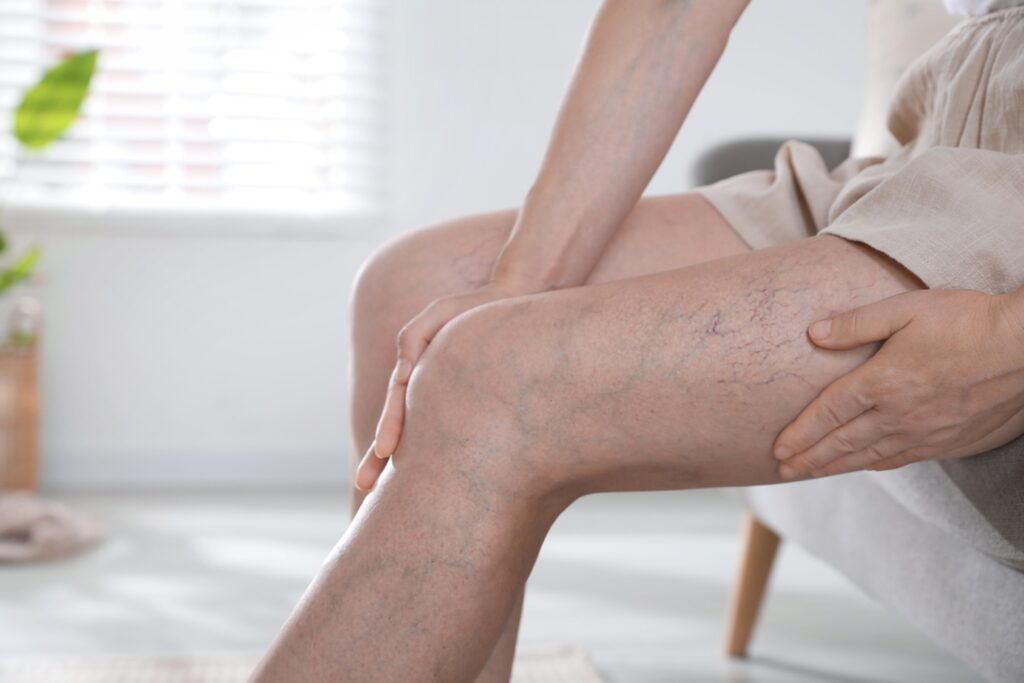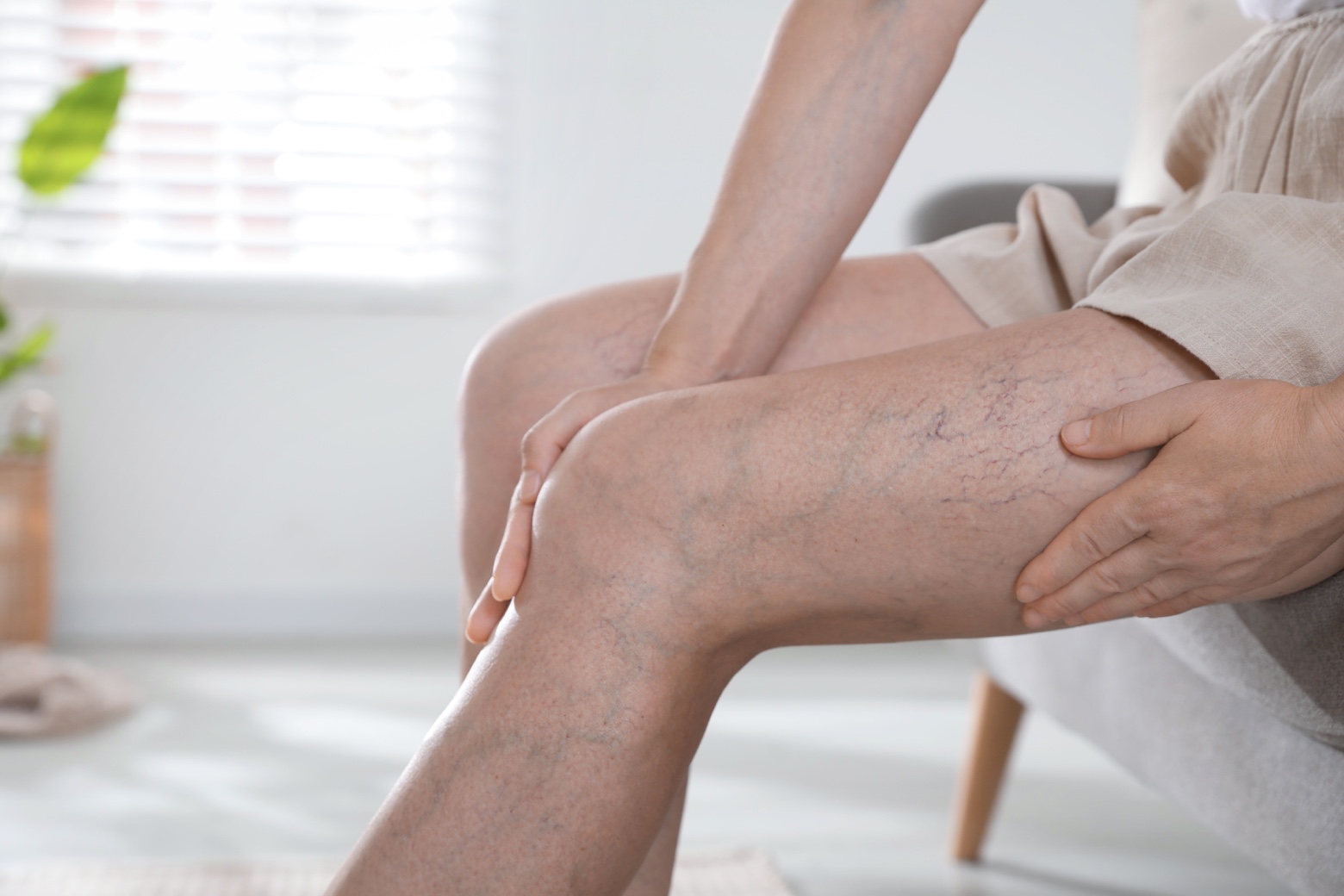
Varicose veins are dilated and twisted veins that commonly appear on the legs. However, their impact goes beyond being a cosmetic issue, as they can cause pain, heaviness, and swelling and even lead to more serious complications that affect quality of life.
If you’re concerned about your varicose veins and have questions about how they are treated, this article is for you. Here, we explain in simple terms everything you need to know about surgical procedures to remove them and the benefits you can expect to restore your health and the beauty of your legs.
Origins and characteristic symptoms of varicose veins
Veins are blood vessels that contain one-way valves, which allow blood to flow back to the heart, defying gravity. However, when these valves weaken or become damaged, blood can pool in the veins, causing them to dilate and become visible through the skin, leading to varicose veins.
What factors can contribute to the appearance of varicose veins?
Various factors can contribute to the development of varicose veins. Below are some of them:
- Genetic predisposition: If you have family members with varicose veins, you are more likely to develop them.
- Age: As time passes, venous valves can weaken, increasing the risk of varicose veins as we age.
- Female gender: Hormonal changes during pregnancy, menstruation, and menopause can increase the likelihood of women developing varicose veins.
- Pregnancy: Increased blood volume and pressure from the uterus on the pelvic veins during pregnancy can contribute to the appearance of varicose veins.
- Obesity: Excess weight puts additional pressure on the leg veins, damaging the valves and leading to varicose veins.
- Sedentary lifestyle: Lack of physical activity makes venous return more difficult, increasing the risk of blood pooling in the legs.
- Prolonged exposure to heat: Heat can dilate veins and worsen symptoms associated with varicose veins.
- Standing or sitting for long periods: Maintaining the same posture for extended periods makes venous return more difficult and increases pressure in the leg veins.
Recognising the factors that contribute to the appearance of varicose veins is essential for taking care of your vascular health. Although in their early stages, varicose veins may not cause symptoms, as they progress, they can lead to various discomforts that are important to be aware of:
- Pain: A feeling of heaviness, tiredness, dull or throbbing pain in the legs, especially after standing or sitting for long periods.
- Swelling: Fluid accumulation in the legs and ankles, particularly at the end of the day.
- Cramps: Involuntary and painful muscle contractions in the legs, usually at night.
- Itching and burning sensation: Skin irritation in the area of the varicose veins.
- Skin changes: The skin on the legs may become dry, thin, itchy, or show changes in pigmentation, becoming darker or reddish.
- Venous ulcers: Open sores that take a long time to heal and usually appear on the inner ankle.
- Phlebitis: Inflammation of the veins, which can be superficial (affecting veins just under the skin) or profound (affecting deeper veins).
- Bleeding: Varicose veins can rupture and bleed significantly if bumped or scratched.
When is varicose vein surgery necessary?
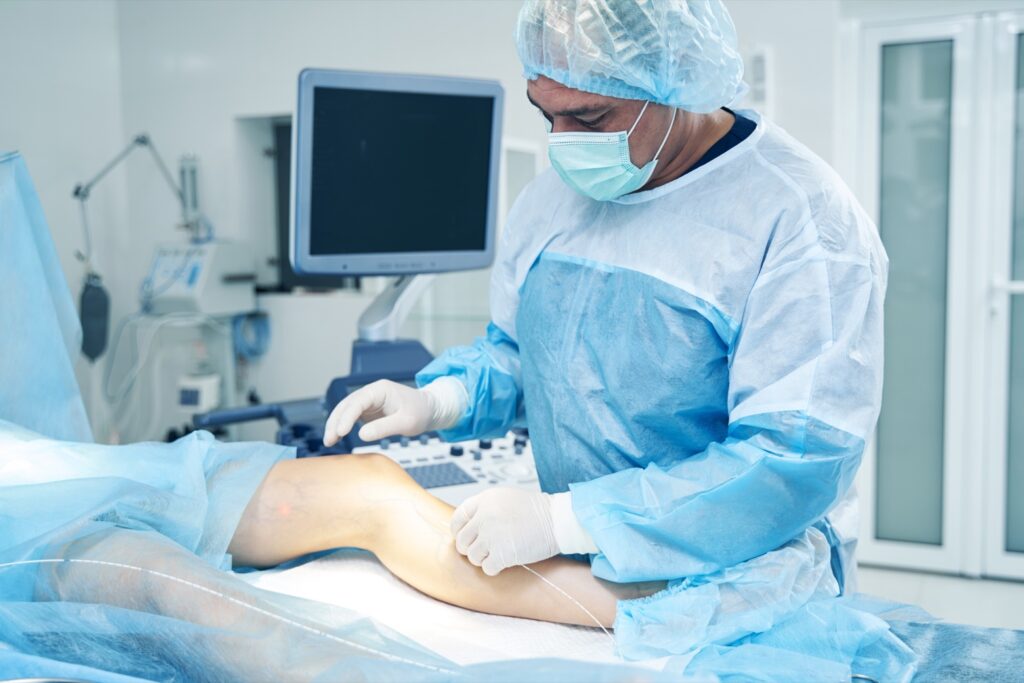
It is common for many people to consider varicose veins as a simple cosmetic issue, a sign of ageing, or a characteristic of little importance. However, it is essential to understand that, in some cases, varicose veins can affect your health and quality of life. Generally, surgery is recommended in the following cases:
- Symptomatic varicose veins: When varicose veins cause pain, heaviness, cramps, swelling, itching, burning, restless legs (restless legs syndrome), or other symptoms.
- Varicose veins that affect quality of life: If varicose veins prevent you from carrying out your daily activities typically, such as walking, exercising, or working, or if they affect your self-esteem.
- Presence of complications: This includes venous ulcers, phlebitis (vein inflammation), bleeding, changes in skin colouration, skin hardening, or venous eczema.
It is important to note that not all varicose veins require surgery. In some cases, especially in the early stages, you can manage them by following some recommendations:
- Use of compression stockings: These stockings apply pressure to the legs, promoting venous return and relieving symptoms. There are different types of compression stockings, from lighter to higher compression. Your vascular surgeon will recommend the most suitable ones for you.
- Lifestyle changes:
- Regular exercise: Walking, swimming, or cycling improves blood circulation and strengthens vein walls.
- Weight loss: If you are overweight or obese, reducing your body weight decreases pressure on the veins and improves venous return.
- Leg elevation: Elevating your legs above heart level for a few minutes each day facilitates venous return and relieves the feeling of heaviness.
- Avoid prolonged exposure to heat: Heat dilates veins and can worsen varicose vein symptoms. Avoid saunas, hot baths, and prolonged sun exposure.
- Avoid standing or sitting for long periods: Changing positions frequently and moving your legs to activate circulation is advisable. If your job requires you to stand or sit for long periods, get up and walk for a few minutes every hour.
How are varicose veins treated? Common methods and procedures
Varicose veins are a common concern for many people, and there are different surgical techniques to remove them. When choosing the most suitable one for you, the specialist will consider the location, size of the varicose veins, medical history, other conditions, and personal preferences.
Below, we explain the most commonly used techniques:
- Sclerotherapy involves injecting a chemical substance called a sclerosant into the affected vein. This substance irritates the vein and causes it to close. It is a minimally invasive procedure, ideal for small varicose veins and spider veins. It is performed in the doctor’s office, does not require general anaesthesia, and the patient can return to normal activities immediately after the treatment.
- Endovenous laser treatment involves making a small incision in the skin to insert a laser fibre into the affected vein. The laser heats the vein from the inside, causing it to close. This technique is minimally invasive, with a quicker and more comfortable recovery than traditional surgery. It is performed under local anaesthesia; the patient can go home the same day.
- Thermal ablation: A laser or radiofrequency fibre is inserted into the affected vein. This fibre produces heat inside the vein, inducing its closure. It can be performed with local anaesthesia and sedation, and the patient goes home within a few hours. The postoperative period usually has a good prognosis, with a quick recovery.
- Cryosclerosis with foam: This uses a cold foam (sclerosant) that is introduced into the vein through a fine needle, causing it to close. It is a minimally invasive technique, practical for small and medium-sized varicose veins. It is performed with local anaesthesia; like the other techniques, the patient can go home the same day.
- Saphenectomy or phlebectomy involves the surgical removal of the saphenous vein, the central vein in the superficial venous system of the legs. This technique is performed through a small incision in the groin and another in the ankle. It is a more invasive procedure, reserved for more complex cases or when other techniques are ineffective. It is performed under regional or general anaesthesia; in most cases, the patient goes home the same day.
- Internal saphenous vein sealing with cyanoacrylate involves introducing a biological glue into the vein, causing it to close. It is a minimally invasive technique performed under local anaesthesia, allowing immediate recovery so the patient can return to normal activities after the procedure.
What is the postoperative period like after varicose vein surgery?
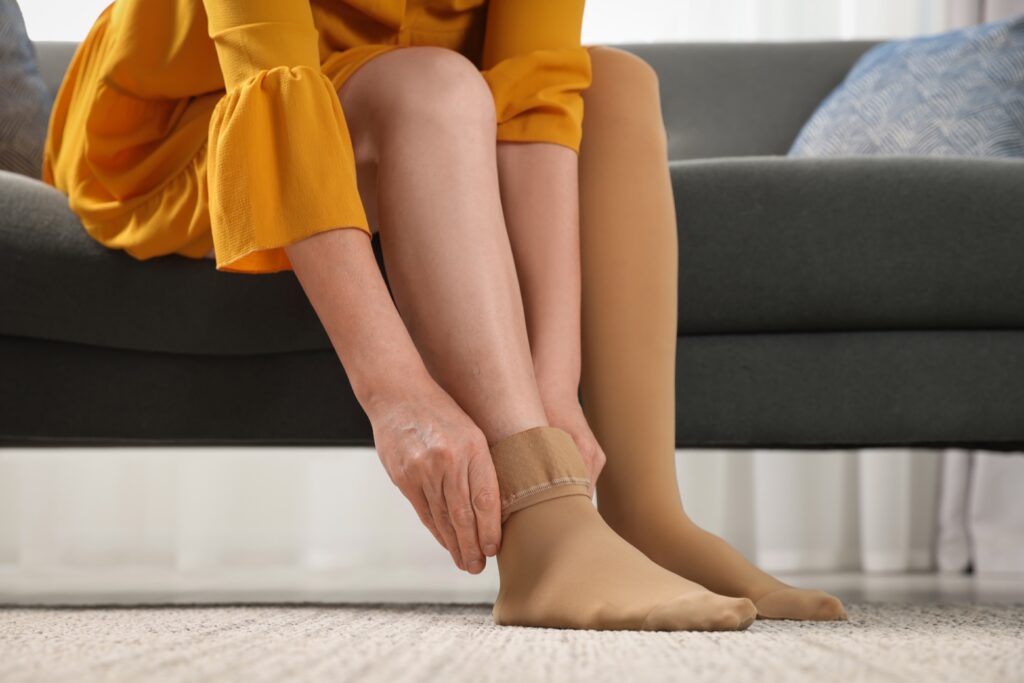
The postoperative period after varicose vein surgery can vary depending on the technique. However, some general recommendations can help you recover more comfortably and effectively. Below are some key guidelines for your recovery:
- Relative rest: It is advisable to avoid intense physical exertion during the first few days. However, walking frequently is beneficial as it promotes blood circulation. This recommendation applies to traditional surgery. For ablation, sclerotherapy, and sealing techniques, it is not necessary.
- Use of compression stockings: Compression stockings are essential during the postoperative period. They help reduce swelling, prevent the appearance of new varicose veins, and improve venous return. Your doctor will specify how long you need to wear them.
- Take prescribed medication: It is essential to follow the treatment prescribed by your doctor. This may include painkillers to control pain and antibiotics to prevent infections.
- Attend follow-up appointments: Follow-up visits are essential to monitor progress and detect possible complications. Do not hesitate to ask any questions you may have during these appointments.
Most patients can return to their everyday lives within a few days. However, following your doctor’s instructions for a proper recovery is essential.
The main benefits of varicose vein surgery for your health
The decision to undergo varicose vein surgery should be made in consultation with a medical professional. However, it is undeniable that this intervention can offer significant benefits to those who suffer from them.
In addition to improving the aesthetic appearance of your legs, varicose vein surgery relieves uncomfortable symptoms such as pain, heaviness, swelling, and cramps, allowing you to resume daily activities with greater comfort. Removing varicose veins also reduces the risk of complications such as phlebitis, bleeding, deep vein thrombosis, and skin ulcers, contributing to improved vascular health in the long term.
Varicose veins should not dictate your life. Contact HM Hospitales, and our specialists will help you restore your legs’ health and aesthetics.
Remember, this article is for informational purposes only and does not replace consultation with a specialist. See a doctor for an individualised assessment if you have varicose veins or any other health problem.