The plantar fascia is a fibrous structure that acts as a support for the plantar arch. Plantar fasciitis occurs when this structure becomes inflamed and irritated, usually due to increased and sustained strain on the Achilles tendon and/or calf muscles. This can cause intense heel pain, especially when taking the first steps in the morning or after a period of rest. Plantar fasciitis is the best-known symptom of a more complex condition, calf syndrome (tight calves).
Symptoms of plantar fasciitis
Heel pain is a hallmark sign of plantar fasciitis. However, the way this pain manifests itself can vary. The overload that the calf muscles cause in the plantar fascia, Achilles tendon, calcaneus, and distal tibia usually causes pain at the beginning of walking in the heel (first steps of the day) that improves with the progressive stretching of these muscles when we walk a few steps. Every time we start walking or stand still for a long time, this excessive tension will cause pain, not only at the insertion of the fascia but also in the regions mentioned above. The most frequent symptoms are:
Heel pain.
Tenderness to touch.
Pain on the lateral sides of the calcaneus.
Pain in the distal tibia on examination.
Discomfort when stretching the calves and the sole of the foot.
Causes of plantar fasciitis
Plantar fasciitis often develops gradually due to overuse and repeated strain on the plantar fascia. Common causes include:
Calf muscle shortening: it is the main triggering cause. Calf muscle shortening causes excessive tension to be transferred from the calf area to the Achilles tendon, calcaneus, and plantar fascia insertion when we stand upright and straighten the knee while maintaining an upright posture. This causes an increase in pain that subsides with the first steps or with sustained stretching of the calves. For this reason, when we stand still for a long time, we generate that increase in tension that causes pain. It is quite striking how the use of heels or wedge shoes can significantly relieve the pain of plantar fasciitis, since they essentially shorten the calf–Achilles system and therefore stop transferring tension to the fascia.
Abnormal foot biomechanics: overpronation (flat foot arch) or supination (high foot arch) can alter weight distribution and increase tension on the plantar fascia.
Obesity or overweight: excess weight puts additional pressure on the plantar fascia.
Rheumatic diseases: HLAB27+ rheumatic arthropathies present with recurrent plantar fasciitis that do not correspond to the mechanical factors previously described.
Neurogenic cause: irritation of a sensory branch in the area (Baxter’s nerve) can cause heel pain very similar to plantar fasciitis.
Inappropriate footwear: any flat shoes with thin soles (especially summer shoes) can trigger this type of pain. It is also typical to experience pain from special work footwear due to its flat and hard surface.
There are certain factors that can predispose a person to developing plantar fasciitis. These factors may be related to lifestyle, foot anatomy, or certain medical conditions. Some of the most common risk factors are:
Age: it is more common in people between 40 and 60 years old.
Sex: women have a slightly higher risk.
Occupation: jobs that require standing or walking a lot, such as nurses, teachers, or construction workers.
High-impact sports: running, basketball, tennis, etc.
Obesity: excess weight increases the load on the plantar fascia.
Flat feet or high arches: these structural conditions of the foot can affect biomechanics and increase tension on the plantar fascia.
HLAB27+ rheumatic diseases.
Complications of plantar fasciitis
If left untreated, plantar fasciitis can have long-term consequences, including:
Chronic heel pain: persistent pain can affect quality of life and limit the ability to carry out daily activities.
Heel spurs: in some cases, continuous tension on the plantar fascia can lead to the formation of bone spurs on the heel, which can be painful.
Pain in other parts of the body: to compensate for heel pain, incorrect postures may be adopted when walking, which can lead to pain in the knee, hip, or back.
It is essential to seek medical attention if heel pain persists or interferes with daily activities.
Medical history: it is the first step in the diagnosis of plantar fasciitis. The doctor will begin by asking about your symptoms, including:
Location of pain: Where do you feel the pain? In the heel, the arch, or the sole of the foot?
Pain intensity: How would you describe the intensity of the pain? Mild, moderate, or severe?
Time of onset of pain: When did the pain start? Is it worse in the morning, after exercise, or after a period of rest?
Factors that aggravate or relieve pain: What activities or situations worsen or improve the pain?
Injury history: Have you had any previous foot or ankle injuries?
Daily activities: What kind of work do you do? Do you spend a lot of time standing? Do you play any sports?
Usual footwear: What type of footwear do you use most often?
Physical examination: essential to confirm the diagnosis of plantar fasciitis. The doctor will examine the foot and ankle, looking for:
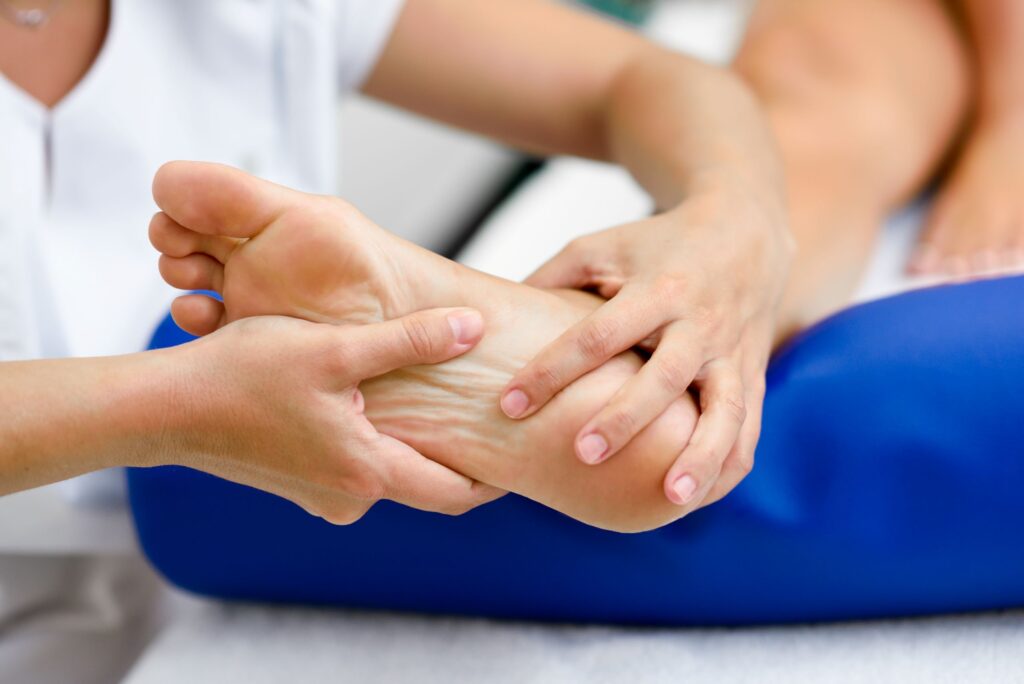
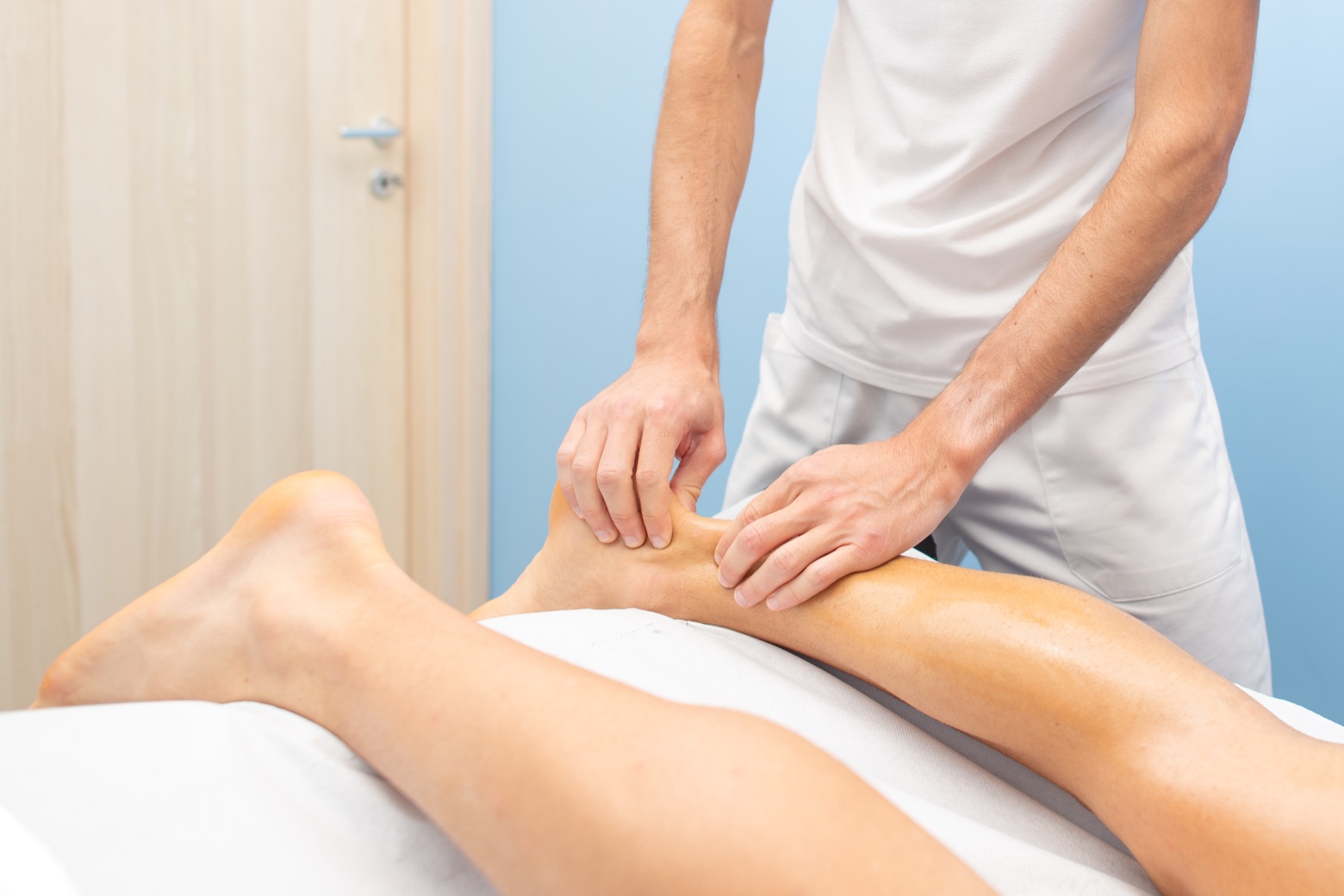
Tenderness to palpation: the doctor will gently press on the plantar fascia to detect areas of tenderness. Pain upon palpation at the insertion of the plantar fascia into the calcaneus (heel bone) is a characteristic sign of plantar fasciitis.
Range of motion: the doctor will assess the flexibility of the foot and ankle, including dorsiflexion (flexion of the foot upwards) and plantar flexion (flexion of the foot downwards). The level of calf shortening in the patient is also assessed (using the Silfverskiold clinical test) since it may be the main trigger.
Posture and gait assessment: the doctor will observe your posture and the way you walk to detect possible biomechanical abnormalities that may contribute to plantar fasciitis.
Imaging tests: in most cases, imaging tests are not needed to diagnose plantar fasciitis. However, in certain situations, the doctor may order imaging tests to rule out other conditions or to obtain more information about the plantar fascia. The most common imaging tests are:
X-rays: they can help rule out stress fractures, heel spurs, and other bone conditions. Although heel spurs are often seen on X-rays of people with plantar fasciitis, they are not the cause of the pain, and many people with heel spurs do not have plantar fasciitis.
Ultrasound: it is a non-invasive test that uses sound waves to create images of the soft tissues of the foot. It can show the thickness of the plantar fascia, the presence of inflammation and tears.
Magnetic Resonance Imaging (MRI): it is used less frequently than ultrasound, but can provide more detailed images of the plantar fascia and surrounding structures. An MRI may be requested if any signs of complication are suspected or if symptoms do not improve with conventional treatment.
Differential diagnosis: it is important to rule out other conditions that can cause heel pain, such as:
Achilles tendinitis, inflammation of the Achilles tendon.
Radiculopathies: pain originating from injuries to the lumbar spine.
Stress fracture, a small crack in the heel bone.
Tarsal tunnel syndrome, compression of the nerve that innervates the heel and sole of the foot.
Arthritis, inflammation of the foot joints.
Treatment of plantar fasciitis
The goal of treatment for plantar fasciitis is to relieve pain, reduce inflammation, and restore normal foot function. Treatment is usually conservative and focuses on non-surgical measures. Treatment options include:
Rest: avoid activities that aggravate the pain, such as running or standing for long periods.
Ice: apply ice to the affected area for 15 to 20 minutes, several times a day, especially after activity.
Stretching: perform regular stretching exercises for the plantar fascia and the calf muscles.
Insoles: if there is any condition in the foot that triggers plantar fasciitis.
Appropriate footwear: wear shoes with good arch support, adequate cushioning, and that are not too flat.
Pharmacological treatments: to relieve pain, some medications can be used, such as over-the-counter pain relievers and prescription NSAIDs (non-steroidal anti-inflammatory drugs). Initially, infiltration is ruled out since it is caused by a mechanical alteration and the infiltration of corticosteroids in the area presents serious complications, such as atrophy of the plantar fat pad.
Surgical treatment: it is the method of choice when the cause is mechanical (calf shortening) and serial stretching is only partially effective; in other words, they provide relief, but a sustained improvement over time is not achieved. Surgery is aimed at treating the cause, that is, calf muscle shortening, rather than the ‘victim’ (the insertion of the plantar fascia). After outpatient calf-lengthening surgery performed under local anesthesia, we notice how heel tension and pain improve significantly and progressively over the following 6 weeks.
Radiotherapy: known for its use in cancer treatment, it may also be beneficial for certain benign diseases, such as plantar fasciitis. At HM Hospitales, we use radiotherapy to treat various osteoarticular and soft tissue diseases. https://www.hmhospitales.com/diagnostico/radioterapia-adaptativa/It is reserved for cases that do not improve with conventional therapies.
Often, a combination of treatments is used to achieve the best results. A multidisciplinary team, which may include traumatologists, physiotherapists, podiatrists, and rehabilitation specialists, works together to develop an individualized treatment plan for each patient, considering their needs and lifestyle.
Remember that this article is for informational purposes only and does not replace professional medical advice. If you suspect you have plantar fasciitis, consult a specialist to obtain an accurate diagnosis and an appropriate treatment plan tailored to your needs.
Our doctors
Contact and make an appointment with the professionals in this area