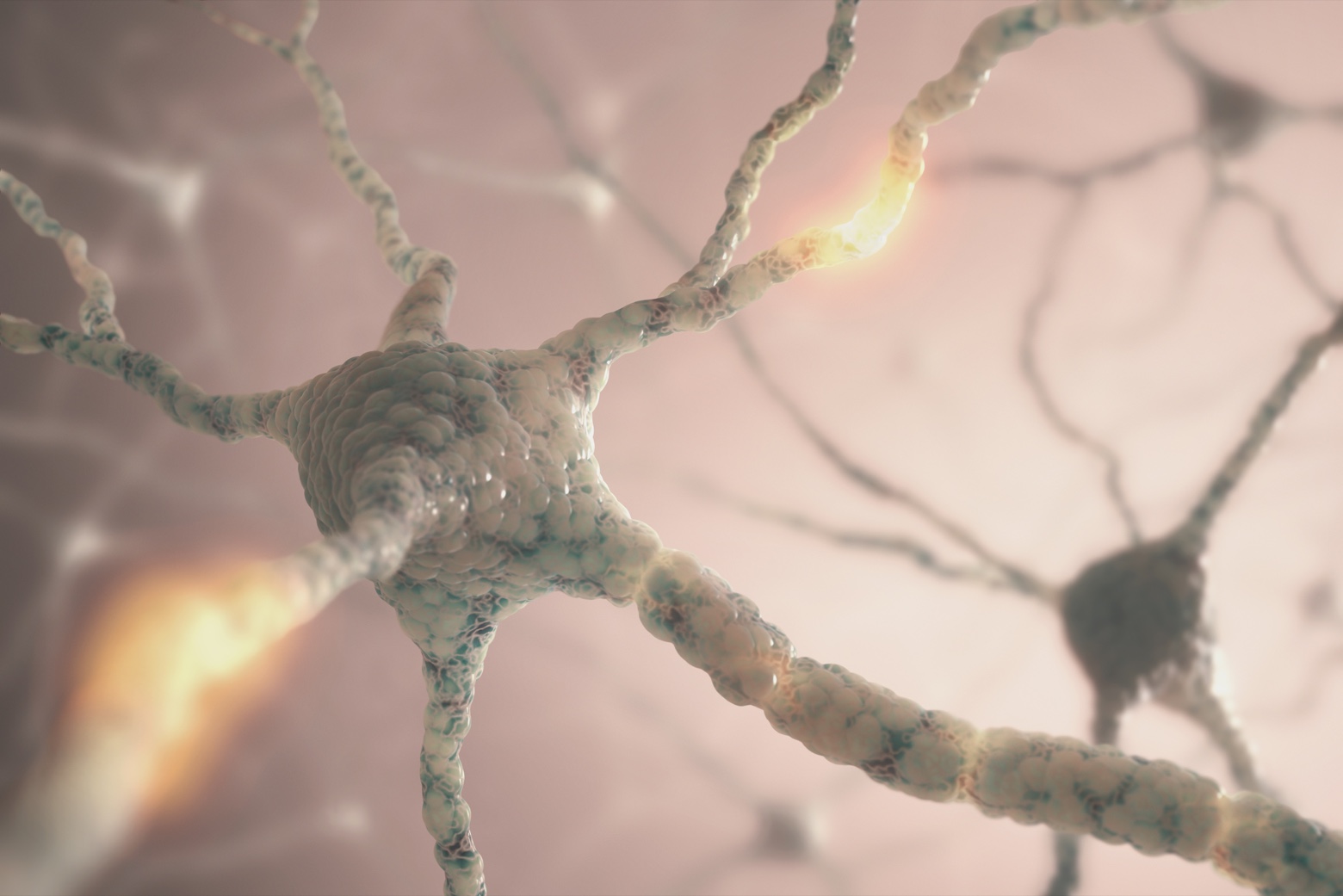
Parkinson’s disease is a chronic neurodegenerative disorder that affects the central nervous system. It is characterized by the progressive loss of neurons in a part of the brain called the substantia nigra, which produces dopamine. Dopamine is an essential neurotransmitter for the control of movement and coordination. The decrease in dopamine causes the characteristic motor symptoms of the disease.
This disorder significantly impacts the quality of life of patients and their families.
Symptoms of Parkinson’s disease
The symptoms of Parkinson’s disease can vary considerably from person to person, both in type and severity. They generally begin gradually and worsen over time, like any degenerative disease. Symptoms can be classified as motor and non-motor:
Motor symptoms:
Tremor at rest: it usually starts in a hand or a foot and is characterized by a rhythmic movement. It is more noticeable at rest, decreases or disappears with movement, and intensifies with nervousness.
Muscle stiffness (rigidity): it causes tension and pain in the muscles, making movement difficult. It is usually noticeable in the cervical region and in the limbs.
Bradykinesia (slowness of movement): it manifests as difficulty initiating and performing movements, as well as performing tasks that require rapid and repetitive movements. It can be observed as hypomimia, reduced arm swing, decreased voice volume, and micrographia.
Postural instability: it causes balance problems and increases the risk of falls.
Non-motor symptoms:
Anosmia (loss of smell): it can be one of the first symptoms, even before the appearance of motor symptoms.
Sleep disorders: insomnia, excessive daytime sleepiness, REM sleep disorder, etc.
Gastrointestinal: problems with constipation, chewing and swallowing.
Autonomic: urinary problems, saliva and drooling, orthostatic hypotension.
Sensory: pain and other sensations, hyposmia.
Erectile sexual dysfunction:
Classification of Parkinson’s disease
Parkinson’s disease is classified into different stages according to the severity of symptoms and the degree of disability. The Hoehn and Yahr scale is the most widely used to classify disease progression, ranging from stage 1 (unilateral involvement) to stage 5 (severe disability requiring assistance for most activities). This scale does not take into account the presence of motor complications.
In addition to staging, Parkinson’s disease can be classified into different subtypes according to the predominance of symptoms:
Tremor-dominant: tremor is the most prominent symptom.
Akinetic-rigid: rigidity and bradykinesia are the most prominent symptoms if the patient does not present with tremor.
Mixed: combination of tremor, rigidity and bradykinesia.
This classification helps doctors tailor treatment to the individual needs of each patient.
Causes and risk factors for Parkinson’s disease
Although the exact cause of Parkinson’s disease is unknown, certain factors are known to increase the likelihood of developing it. These risk factors can influence the vulnerability of dopamine-producing neurons. The risk factors are:
Age: the risk increases with age, being more common after age 60.
Family history: having a close relative with the disease can increase the risk.
Sex: it is more common in men.
Exposure to toxins: exposure to certain pesticides, herbicides, and heavy metals may increase the risk.
If you or someone you know is experiencing symptoms of Parkinson’s disease, it is crucial to seek medical attention as soon as possible.
Diagnosis of Parkinson’s disease
The diagnosis of Parkinson’s disease is clinical, based on medical history, physical examination, and evaluation of symptoms. There is no specific test to diagnose the disease. The neurologist may request additional tests to rule out other pathologies and support the diagnosis. Some of these tests are:
Detailed medical and neurological history: the doctor will ask about symptoms, medical history, and family history.
Neurological examination: motor function, reflexes, balance, coordination, and the presence of tremor are evaluated.
Neuroimaging tests: although not definitive for diagnosis, imaging tests such as single-photon emission computed tomography (SPECT) with DaTscan as well as Dopa PET, DFG PET or magnetic resonance imaging (MRI) of the brain can help rule out other conditions that cause similar symptoms.
Genetic testing: in cases of early onset or family history, genetic testing can be performed to look for specific mutations associated with Parkinson’s disease.
It is important to note that there is no single test that confirms the diagnosis of Parkinson’s disease. The diagnosis is based on a combination of clinical evaluation, patient history, and the exclusion of other diseases.
Since Parkinson’s disease is progressive, diagnosis also involves ongoing assessment over time to monitor the evolution of symptoms and adjust treatment as needed, thereby optimizing disease management and the patient’s quality of life.
At HM Hospitales we have specialized units for the diagnosis of Parkinson’s disease, using advanced technology and a multidisciplinary team of professionals. The Centro Integral de Neurociencias (CINAC)(Comprehensive Center for Neurosciences) is a national reference center for the diagnosis and treatment of movement disorders, including Parkinson’s disease.https://www.hmhospitales.com/hm-cinac/
Treatments for Parkinson’s disease
Parkinson’s disease is a condition that primarily affects movement. Although there is no cure, there are various treatments that help control the symptoms and significantly improve the quality of life of those who suffer from it. The main goal is to alleviate symptoms and allow people to maintain their independence for as long as possible. Treatment options include:
Medications: there are several medications that help control the symptoms of Parkinson’s disease, such as tremors, muscle rigidity, and slowness of movement. Second-line treatment may also be possible through subcutaneous or parenteral infusions, as well as rescue medications. The doctor will adjust the medication according to the individual needs of each patient.
Surgery (Deep brain stimulation – DBS): in severe cases, when medications do not provide sufficient relief, surgery may be an option. DBS involves implanting electrodes in the brain to stimulate specific areas that control movement. At HM Hospitales, we perform DBS, a treatment with a 30-year history that has proven to be safe and effective.
High-Intensity Focused Ultrasound (HIFU): non-invasive technique that uses ultrasound to precisely destroy brain tissue. At HM Hospitales it is used both for essential tremor (a movement disorder that can be confused with Parkinson’s disease) and for the treatment of Parkinson’s disease, where HM Hospitales has been a world pioneer in developing this minimally invasive treatment.
Adjuvant therapies
Lifestyle changes: adopting healthy habits is essential. A balanced diet, regular exercise, a good night’s sleep, and participation in social activities contribute to overall well-being and a better quality of life.
Physiotherapy: it plays a crucial role in the management of Parkinson’s disease. Specific exercises help maintain mobility, strength, and balance and prevent falls, promoting independence and safety in daily activities.
Occupational therapy: this therapy focuses on adapting the environment and teaching new strategies for performing activities of daily living, such as dressing, eating, or bathing, facilitating the patient’s autonomy.
Speech therapy: it helps improve speech, swallowing, and communication skills, aspects that can be affected by the disease. Work is done on voice clarity, articulation, and coordination of the muscles involved in swallowing.
Psychological support: the diagnosis of Parkinson’s disease can be difficult to assimilate. Psychological support, both individual and group, provides tools to cope with the diagnosis, manage stress and anxiety, and develop coping strategies.
Support groups: they offer a safe space to share experiences, connect with others who are going through similar situations, and get emotional support. The exchange of information and mutual understanding are beneficial for patients and their families.
The treatment of Parkinson’s disease often involves a multidisciplinary approach, with the participation of neurologists, neurosurgeons, physiotherapists, occupational therapists, speech therapists, psychologists, and other healthcare professionals.
Remember that this article is for informational purposes only and does not replace professional medical advice. If you suspect you have Parkinson’s disease, consult a specialist to obtain an accurate diagnosis and an appropriate treatment plan tailored to your needs.
Our doctors
Contact and make an appointment with the professionals in this area