Ovarian cancer, a disease that begins in the ovaries, represents a significant challenge to women’s health. Given its considerable incidence, it is essential to understand its characteristics, symptoms, and treatment options.
Understanding what ovarian cancer is is the first step to addressing it effectively. Ovarian cancer originates in the ovaries, two small organs that are part of the female reproductive system and are responsible for producing eggs and hormones such as estrogen and progesterone. This type of cancer occurs when cells in the ovaries grow uncontrollably, forming a tumor. Ovarian cancer can affect a woman’s overall health and reproductive ability.
It is often diagnosed at late stages, which makes it difficult to treat and reduces the chances of survival. Furthermore, if left untreated, this tumor can spread (metastasize) to other parts of the body, such as the uterus, fallopian tubes, bladder, rectum, liver, lungs, and lymph nodes.
Symptoms of ovarian cancer
Recognizing the symptoms of ovarian cancer can be crucial for early diagnosis. Unfortunately, in its early stages, ovarian cancer often presents no noticeable symptoms, making it difficult to detect. However, as the disease progresses, certain signs may indicate the presence of a problem. It is important to note that these symptoms can vary from person to person and may be caused by other benign conditions. As the cancer progresses, symptoms such as the following may appear:
Abdominal swelling or inflammation.
Pelvic or abdominal pain.
Difficulty eating or feeling full quickly.
Needing to urinate more frequently.
Changes in bowel habits, such as diarrhea or constipation.
Fatigue.
Back pain.
Indigestion or gas.
Changes in the menstrual cycle.
It is important to note that the severity and presentation of symptoms can vary from person to person. Some women may experience mild symptoms, while others may have more severe symptoms. If you experience any of these symptoms, it is essential to consult a doctor for an accurate diagnosis.
Classification of ovarian cancer
The classification of ovarian cancer is essential to determine the best course of treatment. Ovarian cancer is classified according to the type of cell where it originates and the degree to which the cancer cells resemble normal ovarian cells (grade). This classification helps doctors understand tumor behavior and predict its likelihood of growth and spread. The most common types of ovarian cancer are:
Epithelial carcinoma: most ovarian cancers begin in the cells that cover the surface of the ovary. These are divided into several subtypes, including serous, mucinous, endometrioid, and clear cell. Epithelial ovarian carcinoma is the most prevalent, representing more than 95% of cases.
Germ cell tumors: they originate in the cells that produce eggs.
Stromal tumors: they begin in the connective tissue cells that hold the ovary together and produce the female hormones estrogen and progesterone.
The stage of cancer is determined by a classification system (such as the FIGO system) that describes the extent of the cancer in the body. The stages range from I (localized) to IV (distant metastasis).
Causes of ovarian cancer
The exact causes of ovarian cancer are not yet fully understood. Although the exact causes are unknown, risk factors for epithelial ovarian cancer have been identified. A key finding is that cancer often starts in the fallopian tubes, not in the ovaries themselves.
Additional theories suggest a relationship between ovulation and cancer risk, given that pregnancy and birth control pills (which reduce ovulation) decrease the risk. Tubal ligation and hysterectomy also reduce the risk, possibly by blocking the passage of carcinogens from the vagina to the ovaries.
Identifying risk factors for ovarian cancer can help women understand their individual likelihood of developing the disease and take preventive measures. While having one or more risk factors does not mean that a woman will definitely develop ovarian cancer, it increases the likelihood compared to women without these factors. Some of the most common risk factors include: old age, family history of ovarian or breast cancer, genetic mutations (such as BRCA1 and BRCA2), obesity, postmenopausal hormone therapy, never having been pregnant, and endometriosis.
Complications of ovarian cancer
Ovarian cancer, if left untreated, can lead to a range of complications that affect health and quality of life. The spread of cancer to other parts of the body (metastasis) is a serious complication. Metastasis can occur in nearby organs, such as the fallopian tubes, uterus, and bladder, or in distant organs, such as the lungs, liver, and bones. In addition, ovarian cancer can cause chronic pelvic or abdominal pain, bowel obstruction, infertility, and other health problems.
It is essential to seek medical attention if ovarian cancer is suspected. Early diagnosis and treatment are crucial to improving the chances of survival.
Diagnosis of ovarian cancer
Accurate and early diagnosis of ovarian cancer is essential for effective treatment and to improve the chances of survival. Since early symptoms are often vague or nonexistent, diagnosis usually occurs in later stages of the disease. The diagnostic process typically begins with a thorough evaluation of medical history and a physical examination, including a pelvic exam to feel the ovaries and detect any abnormalities. Next, a series of tests are performed to confirm or rule out the presence of ovarian cancer:
Transvaginal ultrasound: this test uses sound waves to create images of the ovaries and other pelvic organs. It allows the shape, size, and structure of the ovaries to be seen, and can detect the presence of masses or cysts. It is a painless and non-invasive test.
CA-125 blood test: CA-125 is a tumor marker that may be elevated in women with ovarian cancer. However, it is important to note that CA-125 levels can also increase in other conditions, such as endometriosis, pelvic inflammatory disease, and pregnancy. Therefore, this test is not diagnostic on its own, but is used in conjunction with other tests.
Computerized Tomography (CT scan): it uses X-rays to create cross-sectional images of the body. It is useful for assessing the extent of cancer in the abdomen and pelvis, and for detecting the presence of metastases in other organs, such as the lymph nodes, liver, or lungs.
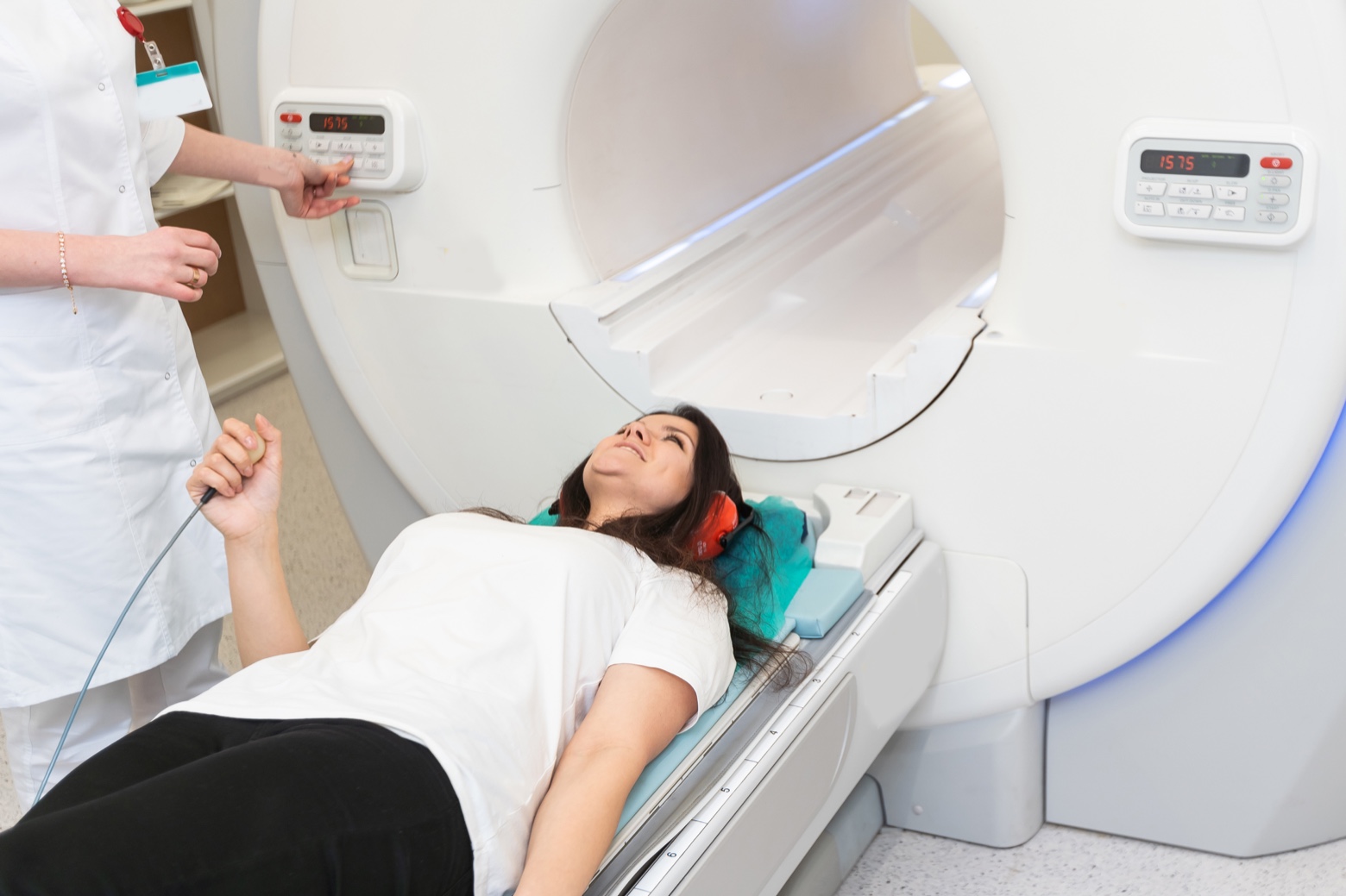
Magnetic Resonance Imaging (MRI): it uses magnetic fields and radio waves to create detailed images of the internal organs. It provides more accurate information than CT about the location and size of the tumor, and can help distinguish between benign and malignant tumors.
Biopsy: it is the only definitive way to diagnose ovarian cancer. It involves the removal of a small tissue sample from the ovary for microscopic analysis. The biopsy can be performed by laparoscopy, a minimally invasive surgery, or by laparotomy, an open surgery.
At HM Hospitales, we have advanced technology for diagnostic imaging, such as transvaginal ultrasound and MRI, which allow for precise evaluation of the ovaries and the early detection of abnormalities. In addition, our team of expert gynecologists performs biopsies to confirm the diagnosis and determine the type and stage of the cancer.
Ovarian cancer treatment
Ovarian cancer treatment is individualized based on the stage of the cancer, the tumor type, the patient’s age and overall health, and their personal preferences. The goal of treatment is to eliminate the cancer or control its growth and relieve symptoms. Most women with ovarian cancer receive a combination of surgery and chemotherapy.
Surgery: it is often the first step in the treatment of ovarian cancer. The type of surgery depends on the stage of the cancer and may include the removal of one or both ovaries (oophorectomy), the fallopian tubes (salpingectomy), and the uterus (hysterectomy). In some cases, nearby lymph nodes are also removed to determine whether the cancer has spread. At HM Hospitales, we offer robotic surgery with the Da Vinci system, which provides greater precision, smaller incisions, and faster recovery.
Chemotherapy: it uses medications to destroy cancer cells. It can be administered intravenously or orally, and is often given after surgery to eliminate any remaining cancer cells. Chemotherapy can also be used before surgery to reduce the size of the tumor and make it easier to remove.
Radiotherapy: it uses high-energy X-rays to destroy cancer cells. It is used less frequently in the treatment of ovarian cancer than surgery and chemotherapy, but it can be helpful in some cases, such as to treat cancer that has spread to other parts of the body.
Targeted therapy: it uses drugs that target specific features of cancer cells, such as proteins or genes that promote cancer growth. These medications can be more effective and have fewer side effects than traditional chemotherapy.
Immunotherapy: it helps the body’s immune system fight cancer. Some types of immunotherapy, such as immune checkpoint inhibitors, can be effective in the treatment of advanced ovarian cancer.
Hormone therapy: in some cases of ovarian cancer, hormones can influence tumor growth. Hormone therapy is used to block the effects of these hormones and stop or slow the growth of the cancer. This type of therapy can be especially useful in women with advanced or recurrent ovarian cancer.
Hyperthermic intraperitoneal chemotherapy (HIPEC): it is a surgical procedure that delivers chemotherapy directly into the abdominal cavity after surgery to remove the tumor. The chemotherapy is heated to a high temperature to increase its effectiveness. HIPEC may be an option for women with advanced ovarian cancer that has spread to the peritoneum (the lining of the abdominal cavity).
At HM Hospitales, we have oncologists specializing in the treatment of ovarian cancer who develop personalized treatment plans for each patient, including the possibility of hormone therapy and HIPEC when appropriate.
Remember that this article is for informational purposes only and does not replace professional medical advice. If you suspect you have ovarian cancer, consult a specialist to obtain an accurate diagnosis and a treatment plan tailored to your needs.
Our doctors
Contact and make an appointment with the professionals in this area