A headache, also known as cephalea, is a sensory experience of pain or discomfort in the head. This pain can manifest as pressure, tightness, stabbing, or throbbing, and can be located in different areas of the head, such as the forehead, temples, back of the head, or even radiate to the neck and shoulders.
Headaches can be episodic, occurring occasionally, or chronic, persisting for long periods. Its impact on quality of life can be significant, ranging from mild discomfort to severe disability, limiting daily activities and affecting sleep, mood, and overall well-being.
Headaches can be primary, when the headache is the main condition, or secondary, when they are a symptom of another underlying medical condition.
Headache symptoms
Headache symptoms can vary widely depending on the type and cause. The intensity of the pain can also vary from mild to severe. It is crucial to remember that each person’s experience with headache is unique. The most common symptoms include:
Headache:
the main symptom of headache is pain in the head, which can be described as throbbing, pressing, sharp, dull, or a combination of these. The location of the pain can also vary, affecting the forehead, temples, back of the head, neck, or the entire head.
Pressure or tension in the head:
some people experience a feeling of pressure or tension in the head rather than sharp pain. This sensation can be mild or intense.
Sensitivity to light, sound, or smells (photophobia, phonophobia, osmophobia):
many people with headache experience increased sensitivity to light, sound, or smells. These stimuli can worsen headache.
Nausea and vomiting:
these are common symptoms of migraine, but they can also occur with other types of headache, especially if the pain is intense.
Blurred vision:
it can be a symptom of migraine with aura.
Aura:
it is a set of neurological symptoms that may precede or accompany a migraine. Visual aura is the most common type and includes flashes of light, blind spots, or zigzag lines. There may also be sensory aura, which includes numbness or tingling in the face or limbs.
Classification of headaches
The International Classification of Headache Disorders (ICHD-3) is the most widely used system for classifying headaches. It divides headaches into three main categories:
Primary headaches: these are those in which the headache itself is the main illness, not a symptom of another condition. These include migraine, tension headache, cluster headache, paroxysmal hemicrania, and other primary headaches.
Secondary headaches: these are headaches caused by another underlying medical condition. Some examples include headache attributed to head or neck trauma, headache attributed to cranial or cervical vascular disorder, headache attributed to non-vascular intracranial disorder, headache attributed to a substance or its withdrawal, headache attributed to infection, headache attributed to homeostatic disorder, headache or facial pain attributed to disorder of the skull, neck, eyes, ears, nose, paranasal sinuses, teeth, mouth, or other facial or cranial structures, and headache attributed to psychiatric disorder.
Cranial neuralgias and central and primary facial pains: they affect the cranial nerves, which are the nerves that come directly out of the brain. Some examples include trigeminal neuralgia, glossopharyngeal neuralgia, and other cranial neuralgias.
Causes of headache
The causes of headache can be diverse and vary according to the type. It is important to differentiate between primary headaches, where the headache is the main condition, and secondary headaches, where the headache is a symptom of another underlying disease. The causes of the main primary headaches are detailed below:
Migraine: migraine is believed to be caused by a combination of genetic and environmental factors. Abnormal electrical activity in the brain and the release of inflammatory chemicals are thought to play an important role. Changes in the blood vessels of the brain can also contribute to pain.
Tension headache: the exact cause of tension headache is not fully known, but it is believed to be related to muscle tension in the head, neck, and shoulders. Stress, poor posture, and anxiety can contribute to this muscle tension.
Trigeminal autonomic cephalalgias: these types of headaches are associated with the activation of the trigeminal nerve, which is a cranial nerve that transmits sensation from the face to the head and from the hypothalamus. Activation of the autonomic nervous system also plays a role in this. The most frequent one in this group is cluster headache.
Secondary headaches, on the other hand, are caused by a variety of underlying medical conditions, such as infections, head injuries, brain tumors, blood vessel problems, substance use or withdrawal, and even dental problems.
Several factors can increase the risk of developing headaches. Some of these factors are modifiable, meaning they can be changed, while others are not.
Non-modifiable risk factors:
Genetics: people with a family history of headaches, especially migraines, are at higher risk. Some specific genes have been associated with an increased risk of migraine.
Sex: women are three times more likely to suffer from migraines than men, probably due to hormonal fluctuations.
Age: some headaches are more common in certain age groups. For example, migraine usually begins in adolescence or early adulthood, while tension headaches are more common in adulthood.
Modifiable risk factors:
Stress: stress is a common trigger for tension headaches and migraines. Learning to manage stress through relaxation techniques, such as yoga or meditation, can help reduce the frequency of headaches.
Lack of sleep: lack of sleep or changes in sleep patterns can trigger headaches. Maintaining a regular sleep schedule and getting enough sleep can be beneficial.
Diet: certain foods and drinks, such as chocolate, aged cheese, red wine, processed foods, and food additives, can trigger migraines in some people.
Dehydration: dehydration can trigger headaches. Drinking enough water throughout the day is important to stay hydrated and prevent headaches.
Smoking: smoking can trigger cluster headaches and worsen other types of headaches. Quitting smoking can be beneficial in reducing the frequency and severity of headaches.
Excessive alcohol or caffeine consumption: excessive alcohol consumption can trigger cluster headaches. Excessive caffeine consumption can cause withdrawal headaches when consumption is reduced or stopped. Moderating alcohol and caffeine consumption can help prevent headaches.
Medications: some medications, such as oral contraceptives and hormone therapy, can increase the risk of migraine. Talking to your doctor about the possible side effects of your medications is important.
Complications of headaches
Most headaches do not cause serious complications. However, some headaches can be a sign of a serious underlying medical condition, such as a stroke, meningitis, or a brain tumor.
Chronic headaches, such as chronic migraine or chronic tension headache, can significantly affect quality of life, causing disability, depression, and anxiety.
Overuse of painkillers to treat headaches can lead to medication overuse headache, a type of secondary headache that worsens with continued use of painkillers.
It is essential to seek medical attention if you experience sudden, severe, or unusual headaches, changes in the pattern of your headaches, headaches accompanied by fever, stiff neck, seizures, changes in vision, weakness, or numbness.
Diagnosis of headaches
Accurate diagnosis of headaches is crucial to determine the type of headache, identify any underlying cause, and establish the appropriate treatment plan. The process of diagnosing headaches generally involves:
Detailed medical history: the doctor will ask you about your symptoms, the frequency, intensity, duration, and triggers of your headaches. You will also be asked about your medical and family history.
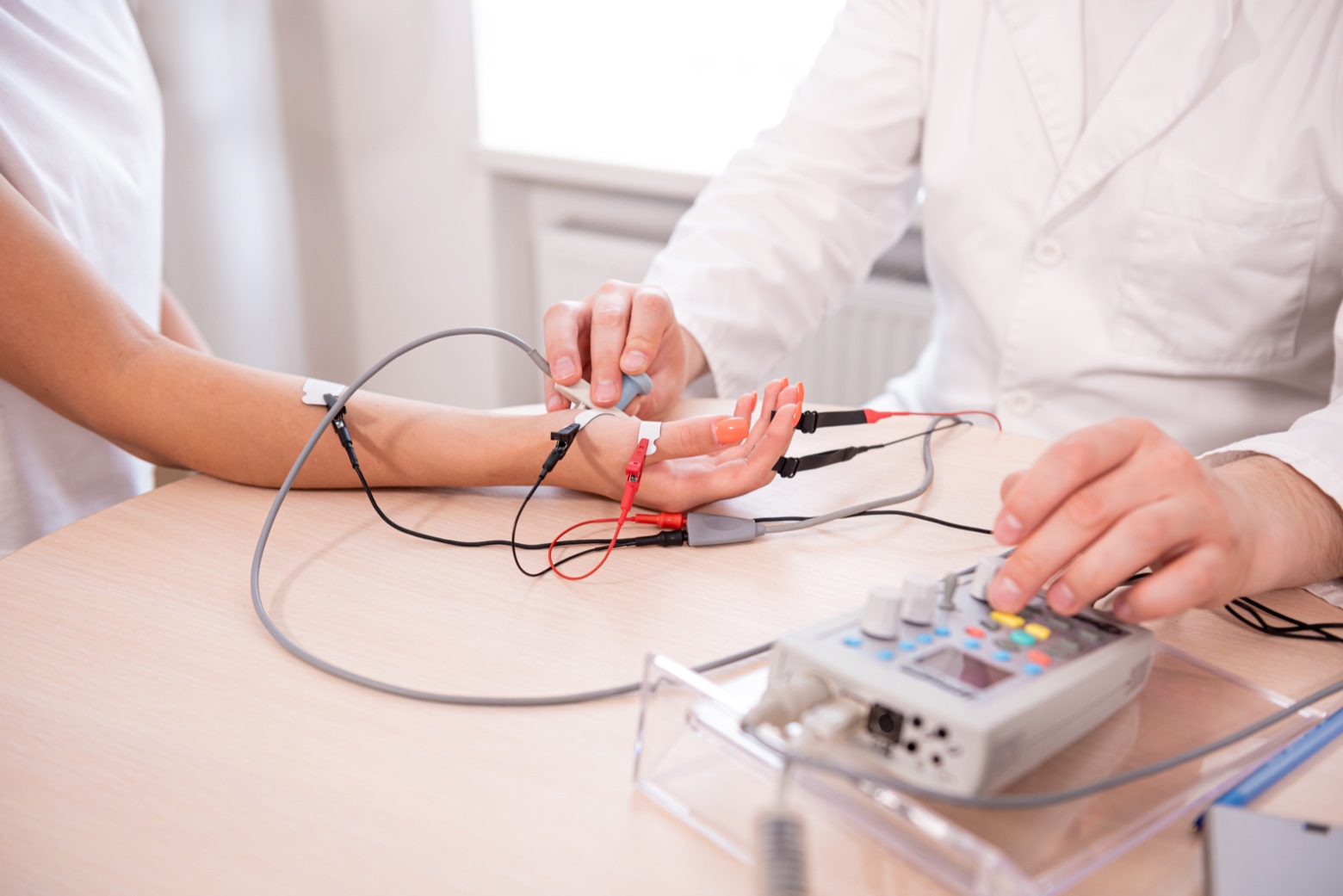
Physical and neurological examination: the doctor will perform a complete physical examination, including measuring blood pressure, listening to the heart and lungs, and palpating the neck and head. The doctor will also perform a neurological examination to assess cranial nerve function, muscle strength, coordination, reflexes, and sensation.
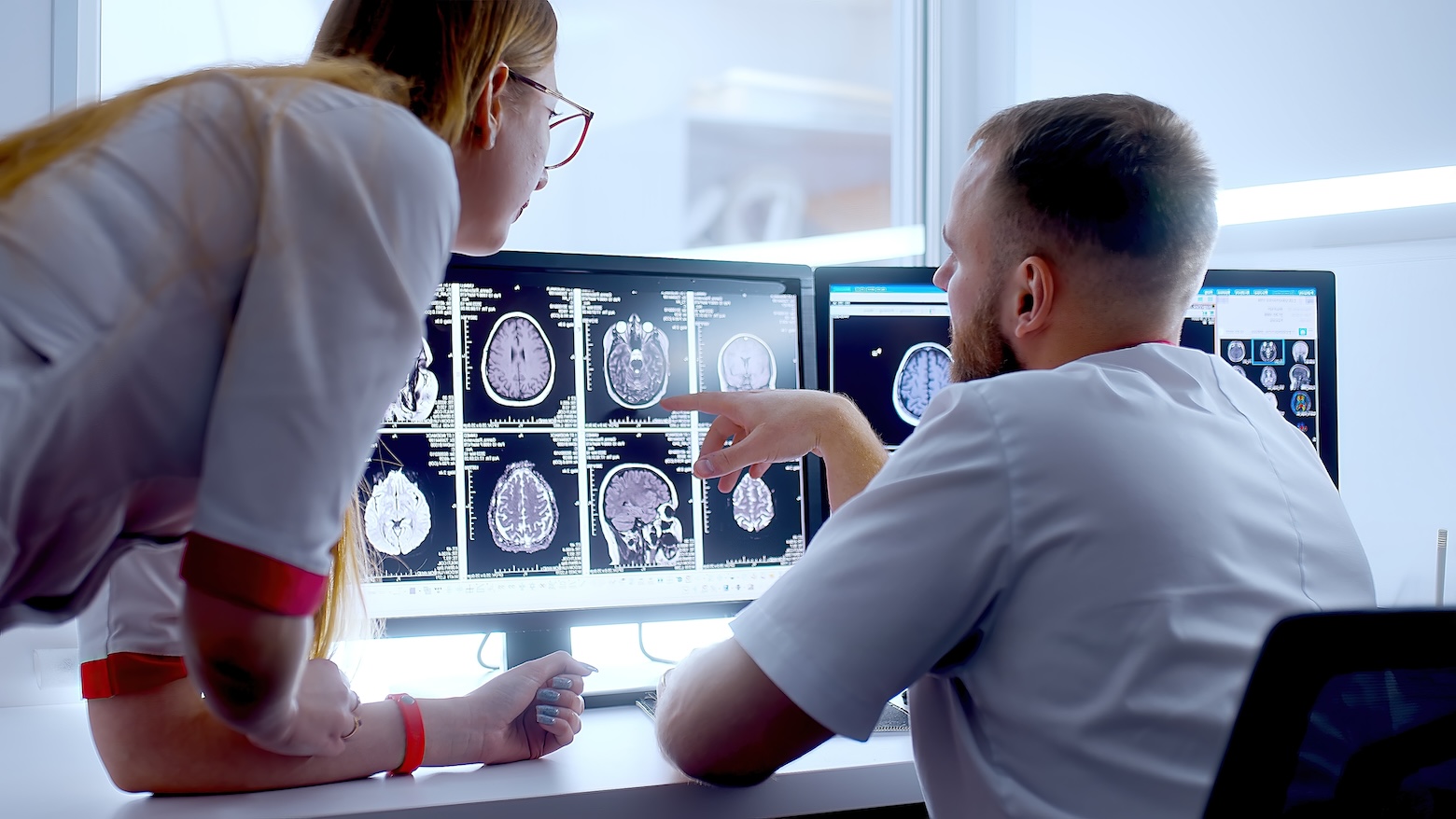
Diagnostic imaging tests: in some cases, diagnostic imaging tests, such as a magnetic resonance imaging (MRI) scan or a computed tomography (CT) scan, may be necessary to rule out other conditions that may be causing your headaches. These tests can help visualize brain structures and detect abnormalities. A magnetic resonance angiography (MRA) can also be performed, a special type of MRI that focuses on the blood vessels in the brain. It is useful for detecting aneurysms, arteriovenous malformations, and other vascular problems.
Blood tests: they can help rule out infections or other medical conditions that may be contributing to your headaches.
Lumbar puncture: in rare cases, a lumbar puncture may be performed to analyze the cerebrospinal fluid and rule out infections or bleeding.
Headache treatment
Treatment for headaches is based on the diagnosis, frequency, severity, and impact of the headaches on your daily life. The goal of treatment is to relieve pain, reduce the frequency and duration of headaches, and improve your quality of life. Treatment options include:
Non-pharmacological treatments: they are an important part of headache management, especially for prevention and long-term management. These approaches focus on lifestyle changes, physical and psychological therapies, and alternative techniques. Identifying and avoiding headache triggers, such as stress, lack of sleep, dehydration, alcohol, caffeine, and certain foods, is essential. Maintaining a regular meal and sleep schedule, exercising regularly, and improving posture can also contribute to reducing the frequency and intensity of headaches. Furthermore, physical therapy, which includes stretching and strengthening exercises for the neck and shoulder muscles, manual therapy, mobilization techniques, massage, ultrasound, TENS (transcutaneous electrical nerve stimulation), and postural education, can be especially helpful for tension-type and cervicogenic headaches. Similarly, psychological therapies, such as cognitive behavioral therapy (CBT), biofeedback, relaxation therapy, and stress management, can help control the psychological factors that contribute to headaches. Acupuncture, the insertion of fine needles into specific points on the body, has also been used with some success in the treatment of some types of headaches, such as migraine and tension-type headache.
Drugs: drug treatments are used to relieve acute headache pain and to prevent future headaches. For mild to moderate headaches, over-the-counter pain relievers such as acetaminophen, ibuprofen, naproxen, and aspirin can be effective. It is crucial to follow the dosage instructions and not exceed the recommended dose. NSAIDs (nonsteroidal anti-inflammatory drugs), such as ibuprofen, naproxen, diclofenac, and ketoprofen, may be more effective than simple painkillers for headaches involving inflammation, such as migraines. They can also be used in combination with other medications. For migraines, triptans (sumatriptan, rizatriptan, eletriptan, zolmitriptan, almotriptan, frovatriptan, naratriptan) are specific medications that work by constricting blood vessels and blocking pain pathways in the brain. They are available in different formulations. Ergotamines are another class of migraine medications, but they tend to be less effective than triptans and have more side effects. Antiemetics, such as metoclopramide and domperidone, can help relieve nausea and vomiting associated with migraines.
For the prevention of frequent or severe headaches, preventive medications such as the following are used: beta-blockers (propranolol, metoprolol), antidepressants (amitriptyline, nortriptyline), anticonvulsants (topiramate, valproate), and CGRP antagonists (erenumab, fremanezumab, galcanezumab).
Other treatments: in addition to the treatments mentioned above, there are other therapeutic options for headaches, especially for chronic cases or those resistant to other treatments. Botulinum toxin injections (Botox) have been shown to be effective in the treatment of chronic migraine, reducing the frequency and intensity of attacks. Occipital nerve stimulation, which involves implanting a small device that sends electrical impulses to the occipital nerve at the base of the skull, may be an option for some patients with chronic headaches. Repetitive transcranial magnetic stimulation (rTMS), which uses magnetic pulses to stimulate certain areas of the brain, is also being investigated as a possible treatment for headaches.
Surgery: in very rare cases, surgery may be necessary to treat headaches caused by an underlying medical condition. These conditions may include brain tumors, aneurysms, arteriovenous malformations, or hydrocephalus. Surgical procedures may vary depending on the underlying cause of the headaches, but generally involve tumor removal, aneurysm repair, or placement of a shunt to drain excess cerebrospinal fluid. Surgery for headaches is rare and is only considered when other treatments have failed and the underlying cause is surgically treatable.
Remember that this article is for informational purposes only and does not replace professional medical advice. If you suspect that you have a headache disorder, consult a specialist to obtain an accurate diagnosis and a treatment plan tailored to your needs.
Our doctors
Contact and make an appointment with the professionals in this area