The esophagus, an essential component of the digestive system, facilitates the passage of food from the mouth to the stomach. Esophageal cancer develops when cells in the esophagus, the tube that carries food from the throat to the stomach, grow uncontrollably. This abnormal growth can form a tumor that can invade surrounding tissues and eventually spread to other parts of the body (metastasis). Esophageal cancer can develop in any section of the esophagus, compromising vital functions such as swallowing and digestion, which significantly impacts the patient’s quality of life.
Symptoms of esophagus cancer
Early detection of esophageal cancer is crucial for effective treatment. However, the initial symptoms are often nonspecific and can be confused with other ailments. As the disease progresses, the symptoms become more evident and alarming. It is essential to pay attention to any changes in esophageal function and seek medical attention if the symptoms persist or worsen. Some of the most common symptoms, classified by stages, include:
Early symptoms:
The initial phase of esophageal cancer is often characterized by mild symptoms that may go unnoticed or be attributed to other conditions. These symptoms include:
Difficulty swallowing (dysphagia), initially with solid foods and then, progressively, with liquids.
A feeling of obstruction or pressure in the chest, as if food were stuck in the esophagus.
Unexplained weight loss, often accompanied by fatigue and weakness.
Chest pain or burning, similar to heartburn, but more persistent and intense.
Frequent indigestion or heartburn that does not respond to conventional antacids.
Persistent cough or hoarseness, which may indicate irritation or compression of the airways.
Late symptoms:
As esophageal cancer progresses, the symptoms intensify and become more debilitating. These symptoms include:
Vomiting, often with blood or resembling coffee grounds (hematemesis).
Sharp pain when swallowing (odynophagia), which makes it difficult to eat and drink.
Bleeding in the esophagus (hematemesis), which may manifest as vomiting blood or dark, tarry stools (melena).
Black or bloody stools (melena), a sign of bleeding in the upper digestive tract.
Bone pain, which may indicate the presence of bone metastases.
Difficulty breathing (dyspnea), which may be caused by compression of the trachea or the presence of lung metastases.
Classification of esophageal cancer
Esophageal cancer is classified into different types according to the cellular origin of the tumor. This classification is fundamental for determining the most appropriate treatment and the prognosis of the disease. The two main types are:
Squamous cell carcinoma: this type originates in the flat cells that line the inner surface of the esophagus. Although it was formerly the most common type, its incidence has decreased in recent decades.
Adenocarcinoma: this type develops from glandular cells present in the esophagus, which are responsible for the production of mucus. Its incidence has increased considerably in Western countries and is frequently associated with Barrett’s esophagus, a precancerous condition.
Causes of esophageal cancer
Despite advances in research, the exact causes of esophageal cancer are still not fully understood. It is believed that the complex interaction between genetic and environmental factors plays a crucial role in the development of the disease. Repeated and chronic damage to the lining of the esophagus, such as that caused by acid reflux, excessive alcohol and tobacco use, and exposure to certain chemicals, can lead to genetic alterations that predispose to cancer. cas, puede provocar alteraciones genéticas que predisponen al cáncer.
There are several factors that can increase the likelihood of developing esophageal cancer. Understanding these risk factors is essential for prevention and early detection. Some of the most significant risk factors are:
Smoking: tobacco use, whether smoked or chewed, is one of the main risk factors for esophageal cancer.
Excessive alcohol consumption: regular and excessive alcohol consumption significantly increases the risk of esophageal cancer.
Chronic gastroesophageal reflux disease (GERD): GERD, a condition in which stomach acid flows back into the esophagus, can damage the lining of the esophagus and increase the risk of Barrett’s esophagus and adenocarcinoma.
Barrett’s esophagus: Barrett’s esophagus is a precancerous condition in which the lining of the esophagus transforms into tissue similar to that of the intestine. It significantly increases the risk of adenocarcinoma.
Complications of esophageal cancer
Esophageal cancer, if not detected and treated in time, can lead to various complications that affect the patient’s health and quality of life. These complications can result from tumor growth, invasion of surrounding tissues, or spread of the cancer to other parts of the body. It is essential to be attentive to the symptoms and seek medical attention if the presence of the disease is suspected. Some of the most common complications of esophageal cancer include:
Dysphagia (difficulty swallowing): the growth of the tumor in the esophagus can obstruct the passage of food, causing difficulty swallowing. This dysphagia can progress from difficulty swallowing solid foods to the inability to swallow liquids.
Weight loss: dysphagia and decreased appetite can lead to significant weight loss, which weakens the patient and hinders their recovery.
Pain: esophageal cancer can cause pain in the chest, back, or abdomen. The pain can be constant or intermittent, and its intensity can vary.
Bleeding: the tumor can erode the blood vessels of the esophagus, causing bleeding. The bleeding can be mild or massive and may present as vomiting blood (hematemesis) or dark, tarry stools (melena).
Esophageal obstruction: in advanced cases, the tumor can completely obstruct the esophagus, preventing the passage of food and liquids. This obstruction requires urgent medical intervention.
Tracheoesophageal fistula: cancer can create an abnormal connection between the esophagus and the trachea (fistula), allowing food and liquids to pass into the airways, causing aspiration pneumonia.
Metastasis: metastasis, the spread of cancer to other organs, is a serious complication of esophageal cancer. The most common sites of metastasis are the lungs, liver, and bones.
Diagnosis of esophageal cancer
Accurate and timely diagnosis of esophageal cancer is essential to determine the stage of the disease and plan the most appropriate treatment. The diagnostic process generally begins with a complete clinical evaluation, which includes a detailed review of the patient’s medical history and a physical examination. Subsequently, various diagnostic tests are performed to confirm the presence of cancer and assess its extent. These tests include:
Upper digestive endoscopy (esophagogastroduodenoscopy): this test involves inserting a thin, flexible tube, equipped with a camera, through the mouth into the esophagus, stomach, and duodenum. It allows direct visualization of the lining of the esophagus and the collection of tissue samples (biopsies) for analysis.
Biopsy: it consists of extracting a small sample of tissue from the esophagus for examination under a microscope. The analysis of the biopsy by a pathologist confirms the diagnosis of cancer, determines the type of cancer (squamous cell carcinoma or adenocarcinoma), and its grade of differentiation.
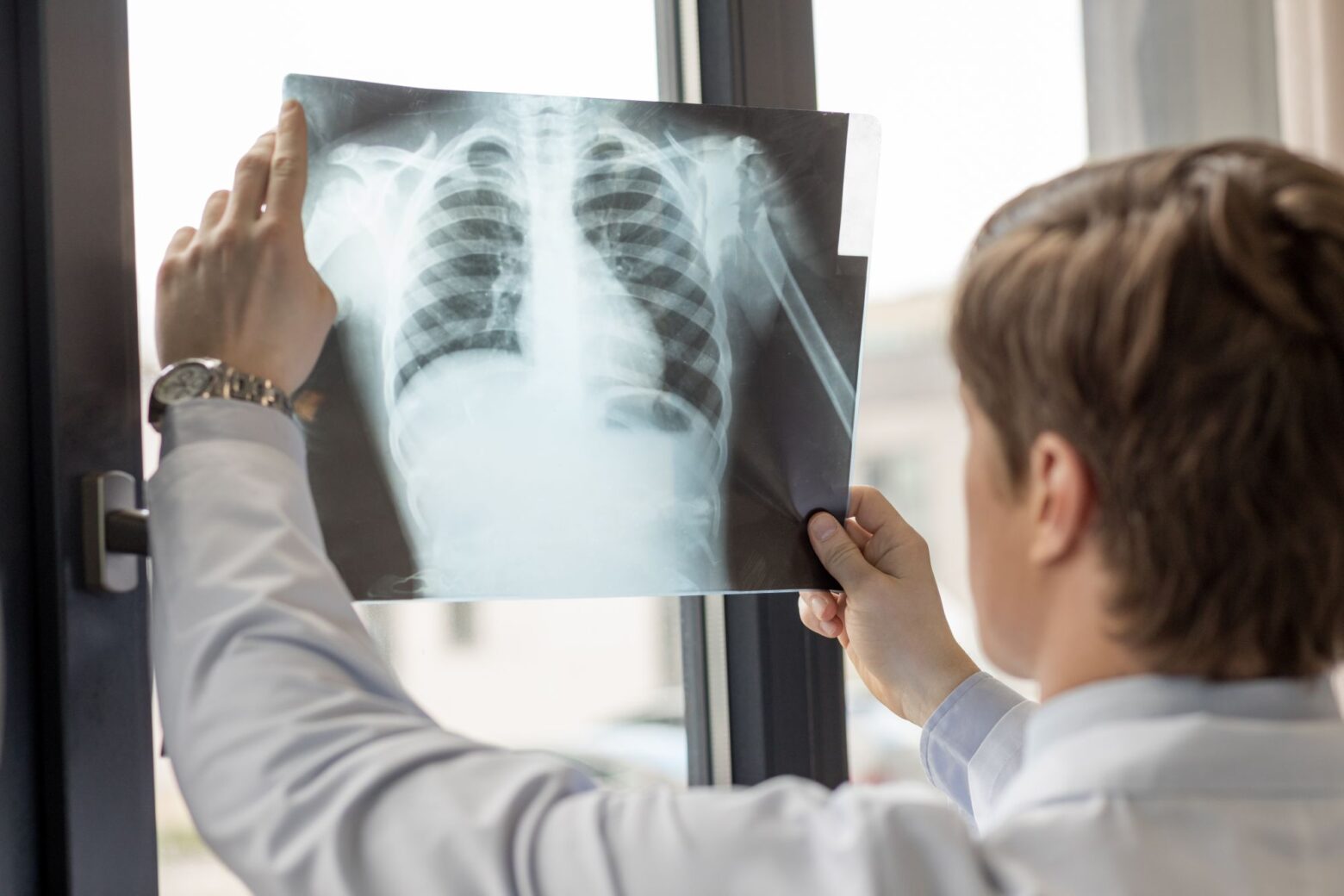
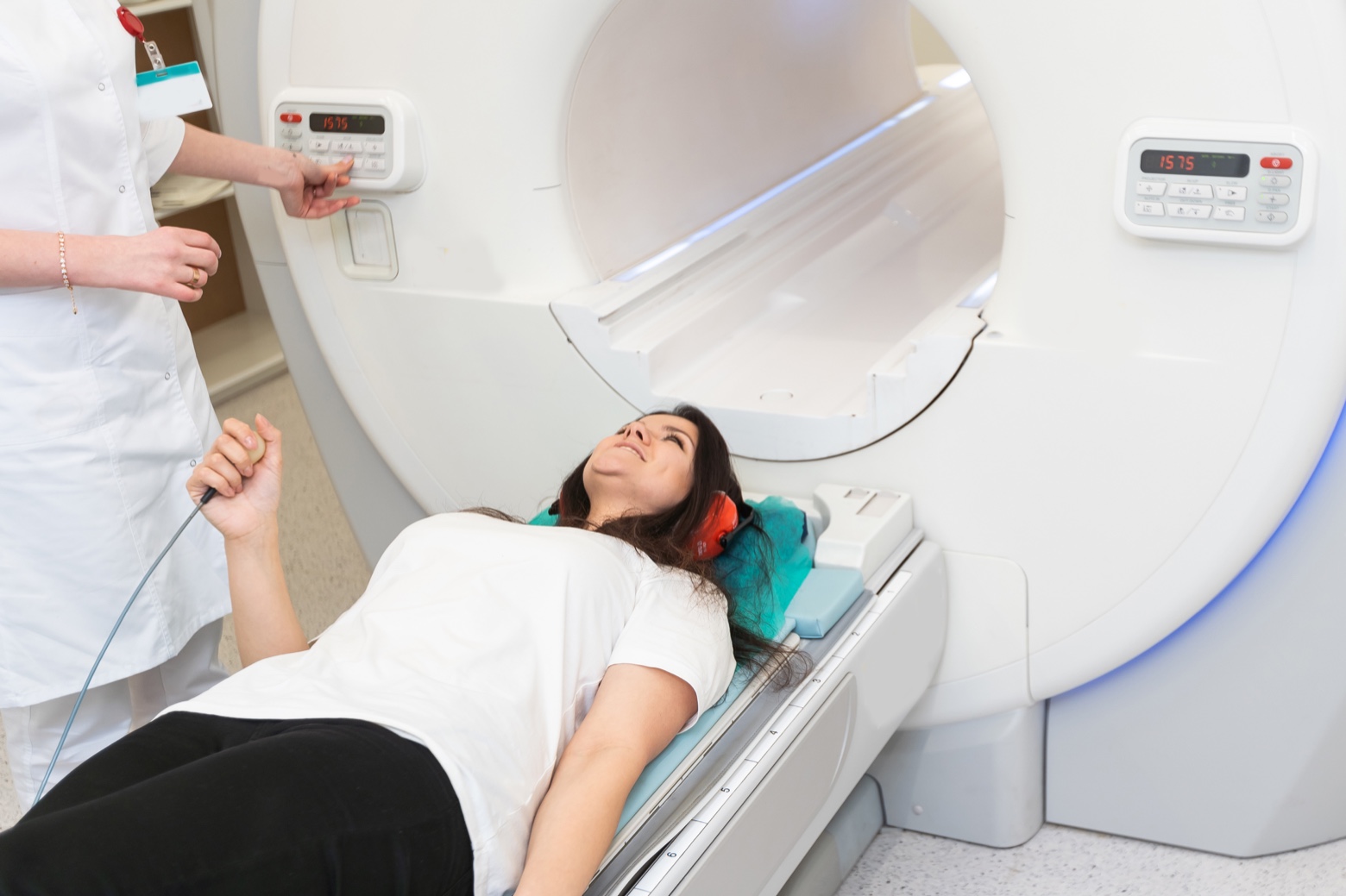
Computerized Tomography (CT scan): it uses X-rays to create detailed images of the esophagus, lungs, liver, and other abdominal organs. It helps determine the extent of the cancer, the presence of affected lymph nodes, and possible spread to other organs (metastasis).
Positron Emission Tomography (PET): it uses a small amount of radioactive material to detect areas of high metabolic activity in the body. It is useful for identifying the presence of cancer and assessing its extent, especially in cases of metastasis.
Endoscopic ultrasound (EUS): it combines endoscopy with ultrasound to obtain detailed images of the esophageal wall and surrounding tissues. It allows assessment of the depth of tumor invasion and the involvement of nearby lymph nodes.
Barium swallow studies (esophagogram): in this test, the patient swallows a contrast substance (barium) that coats the esophagus. X-rays are taken to visualize the passage of barium through the esophagus, which helps to detect blockages or narrowing caused by the tumor.
Esophageal cancer treatment
Esophageal cancer treatment is tailored to each patient, taking into account the type and stage of the cancer, overall health, and individual preferences. The main goal is cure, especially in early stages, but in advanced stages, the focus is on alleviating symptoms and improving quality of life. Treatment options include:
Surgery (esophagectomy): it is often the main treatment for esophageal cancer in early stages and, in some cases, in more advanced stages. Esophagectomy involves the removal of part or all of the esophagus. Surgical techniques vary, including transhiatal esophagectomy (through the diaphragm) and transthoracic esophagectomy (through the chest). At HM Hospitales, pioneering techniques are applied for the resection of early esophageal tumors. After the esophagus is removed, the digestive tract is reconstructed using a part of the stomach or large intestine to allow the patient to swallow.
Radiotherapy: it uses radiation to destroy tumor cells. It can be used alone or in combination with chemotherapy, either before surgery to reduce the size of the tumor (neoadjuvant radiotherapy) or after surgery to eliminate any remaining cancer cells (adjuvant radiotherapy). Radiotherapy can also be used to relieve symptoms in cases of advanced or unresectable cancer. At HM CIOCC, advanced radiotherapy techniques are used for esophageal cancer, including intensity-modulated radiotherapy (IMRT), image-guided radiotherapy (IGRT), and stereotactic body radiotherapy (SBRT), which allow for greater precision in the delivery of radiation, minimizing damage to surrounding healthy tissues.
Chemotherapy: it uses medications to destroy cancer cells or stop their growth. Like radiotherapy, chemotherapy can be used alone or in combination with other treatments, such as surgery or radiotherapy. Neoadjuvant chemotherapy is administered before surgery to reduce tumor size and facilitate its removal, while adjuvant chemotherapy is given after surgery to destroy any remaining cancer cells and reduce the risk of recurrence. In cases of advanced cancer, chemotherapy can be used to control tumor growth and relieve symptoms.
Targeted therapy: it uses drugs that target specific proteins in cancer cells, blocking their growth and spread while minimizing damage to healthy cells. Targeted therapy is often used in combination with chemotherapy and may be an option for patients with advanced or recurrent cancer.
Immunotherapy: it helps the body’s immune system recognize and destroy cancer cells. There are different types of immunotherapy, such as immune checkpoint inhibitors, which block proteins that normally prevent the immune system from attacking cancer cells. It can be used alone or in combination with other treatments and may be an option for patients with advanced or recurrent cancer.
Palliative treatment: palliative treatment focuses on relieving symptoms and improving the quality of life in patients with advanced or metastatic cancer. It may include radiotherapy, chemotherapy, targeted therapy, immunotherapy, or procedures to relieve esophageal obstruction.
The treatment of esophageal cancer often requires a multidisciplinary approach, with the involvement of various health professionals to provide comprehensive care.
Remember that this article is for informational purposes only and does not replace professional medical advice. If you suspect you have esophageal cancer, consult a specialist to obtain an accurate diagnosis and a treatment plan tailored to your needs.
Our doctors
Contact and make an appointment with the professionals in this area