Colon cancer originates in the cells that line the inside of the colon. It often begins as small, benign growths called polyps. Over time, some of these polyps can turn into cancer, a process that can take several years. This is why early detection is essential.
Symptoms of colon cancer
The symptoms of colon cancer can vary from person to person, and in the early stages, there may be no symptoms at all. Therefore, regular screening tests are crucial. Some of the most common symptoms include:
Blood in feces:
it can be a bright red or dark color.
Persistent changes in bowel habits:
such as diarrhea or constipation.
Persistent abdominal pain or discomfort.
A feeling of the bowel not being empty completely.
Unexplained weight loss.
Weakness or fatigue.
It is important to note that these symptoms can be caused by other conditions, so it is essential to consult a doctor if you experience any of them.
Classification of colon cancer
Colon cancer is classified into stages (from I to IV) according to the extent of the tumor in the colon wall, whether it has reached the lymph nodes and whether it has spread to other organs (metastasis). Staging is crucial for determining the most appropriate treatment plan.
Causes of colon cancer
While the exact cause of colon cancer is unknown, it is known that a combination of genetic and environmental factors plays a significant role in its development.
There are various factors that increase the risk of developing colon cancer:
Age: the risk increases significantly after age 50.
Family history: having close relatives with colon cancer can increase the risk.
Polyps in the colon: some types of polyps, such as adenomas, are more likely to become cancerous.
Inflammatory bowel diseases: ulcerative colitis and Crohn’s disease may increase the risk.
Diet: a diet high in fat and low in fiber is associated with a higher risk.
Obesity: overweight and obesity are risk factors.
Smoking: smoking increases the risk of several types of cancer, including colon cancer.
Excessive alcohol consumption: regular and excessive alcohol consumption increases the risk.
Complications of colon cancer
Colon cancer, if left untreated, can cause various complications, such as:
Intestinal obstruction.
Perforation of the colon (a hole in the wall of the colon).
Bleeding.
Metastasis: spread of cancer to other organs, such as the liver, lungs, or bones, among others.
Diagnosis of colon cancer
Accurate and early diagnosis of colon cancer is essential for successful treatment. There are various tests and procedures used to detect the disease:
Colonoscopy: this is the most comprehensive and accurate test for detecting colon cancer. It allows the doctor to see the entire colon and rectum using a colonoscope, a thin, flexible tube with a camera at the end. Preparing for a colonoscopy involves following a liquid diet for one or two days before the test and taking a laxative to cleanse the colon. During a colonoscopy, which is usually performed under sedation, the doctor inserts the colonoscope through the rectum and advances it through the colon. If polyps are found, they are removed (polypectomy) and sent to a laboratory for analysis. Finally, the pathologist examines the removed polyps to determine whether they are benign, precancerous, or cancerous.
Fecal occult blood test: this test detects small amounts of blood in the stool that are not visible to the naked eye. It is an initial screening test and, if positive, a colonoscopy is required to confirm the diagnosis. It generally does not require special preparation, although specific instructions regarding diet and medications may be given. A positive result indicates the presence of blood in the stool, which can be a sign of colon cancer or other conditions.
Barium enema: in this procedure, barium, a contrast agent, is introduced into the rectum and colon. Then X-rays are taken to visualize the inside of the colon. A barium enema can detect polyps, tumors, and other abnormalities. Preparation for this procedure is similar to a colonoscopy and requires a liquid diet and colon cleansing. The barium is administered through an enema, and then X-rays are taken in different positions and, finally, the radiologist examines the X-rays to detect abnormalities in the colon.
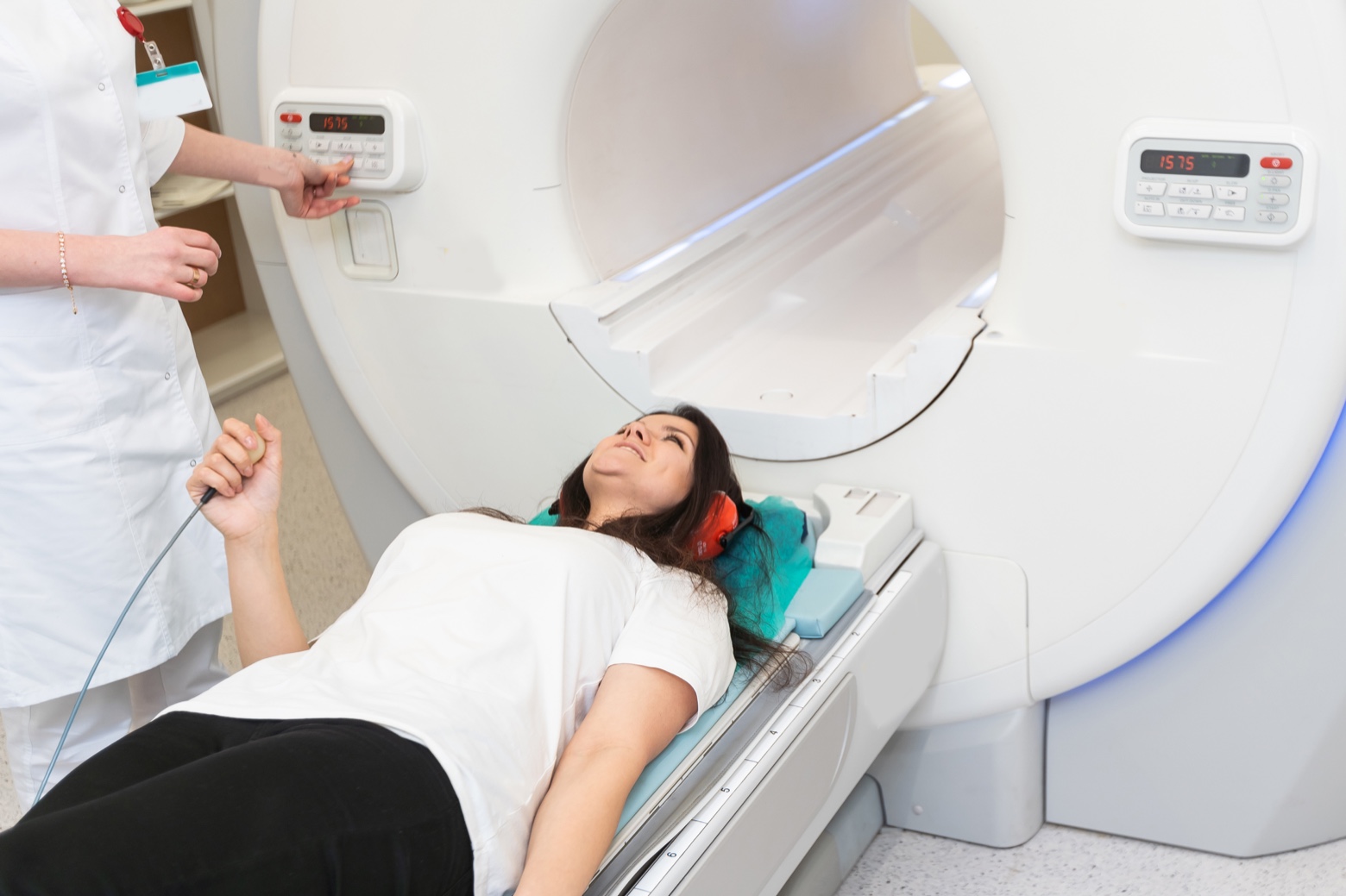
Computerized Tomography (CT scan): a CT scan uses X-rays to create detailed images of the inside of the body. It can be used to determine the stage of colon cancer and whether it has spread to other organs. It may require fasting and the administration of an oral or intravenous contrast agent. During the test, the patient lies down on a table that slides into the CT scanner. Subsequently, the radiologist examines the CT images to detect tumors, affected lymph nodes, and metastases.
The treatment of colon cancer is individualized according to the stage of the disease, the patient’s overall health, and other factors. Treatment options include:
Polypectomy: if the cancer is detected at an early stage and is limited to a polyp, it can be removed during a colonoscopy.
Chemotherapy: it uses medications to destroy cancer cells. It can be administered before surgery (neoadjuvant) to reduce the size of the tumor, as in rectal cancer, or after surgery (adjuvant) to destroy any remaining cancer cells or to treat metastatic cancer. There are different types of chemotherapy, and the choice of regimen depends on the stage of the cancer and other factors. The side effects of chemotherapy can include nausea, vomiting, fatigue, hair loss and bone marrow suppression.
Targeted therapy: it focuses on attacking specific characteristics of cancer cells. There are different types of targeted therapy, and the choice of medication depends on the type of cancer and other factors. Side effects of targeted therapy vary according to the drug.
Radiotherapy: it uses radiation to destroy cancer cells. It can be used in combination with surgery or chemotherapy. Side effects of radiotherapy may include skin irritation, fatigue, and diarrhea.
Surgery: it is the main treatment for most colon cancers and its aim is to remove the tumor and some of the surrounding healthy tissue to ensure that all cancer cells are eliminated. There are different types of surgery for colon cancer, including partial colectomy, in which the section of the colon containing the tumor is removed along with nearby lymph nodes; total colectomy, which involves the removal of the entire colon and rectum, and is performed in cases of extensive cancers or those that affect the entire colon; proctocolectomywith ileostomy, a procedure in which the colon, rectum and anus are removed, and an opening (ileostomy) is created in the abdominal wall so that stool is disposed of into an external bag, usually necessary when cancer affects the rectum or anus; and laparoscopic surgery, a minimally invasive technique that uses small incisions and a camera to guide the surgery, resulting in less pain, smaller scars, and a faster recovery. In addition, HM Hospitales offers robotic surgery for colon cancer, using the da Vinci system. https://www.hmhospitales.com/cirugia-robotica/da-vinci-xi/This technology allows for greater precision, an expanded three-dimensional view of the surgical field, greater dexterity and range of motion for the surgeon, and less invasiveness, resulting in smaller incisions, less postoperative pain, a lower risk of complications, and a faster recovery for the patient.
National colon cancer screening program
Colon cancer screening is a set of tests and procedures performed to detect the disease in people without symptoms. Its main objective is to detect cancer in its early stages, when it is more treatable, or even prevent its development by detecting and removing precancerous polyps.
Screening program in Spain:
In Spain, the Ministry of Health, Consumer Affairs and Social Welfare has implemented a population screening program for colon cancer. This program is aimed at men and women aged between 50 and 69 and is based on the fecal occult blood test (FOBT).
Target population: men and women aged 50 to 69.
Test used: immunochemical fecal occult blood test (iFOBT).
Frequency: every two years.
The program works as follows: an invitation letter is sent to the people included in the target population. If they agree to participate, they are provided with a kit to collect a stool sample at home. This sample is sent to a laboratory for analysis. If the iFOBT test result is positive, the person is contacted to perform a colonoscopy, which will confirm the diagnosis and, if necessary, remove the polyps or tumor.
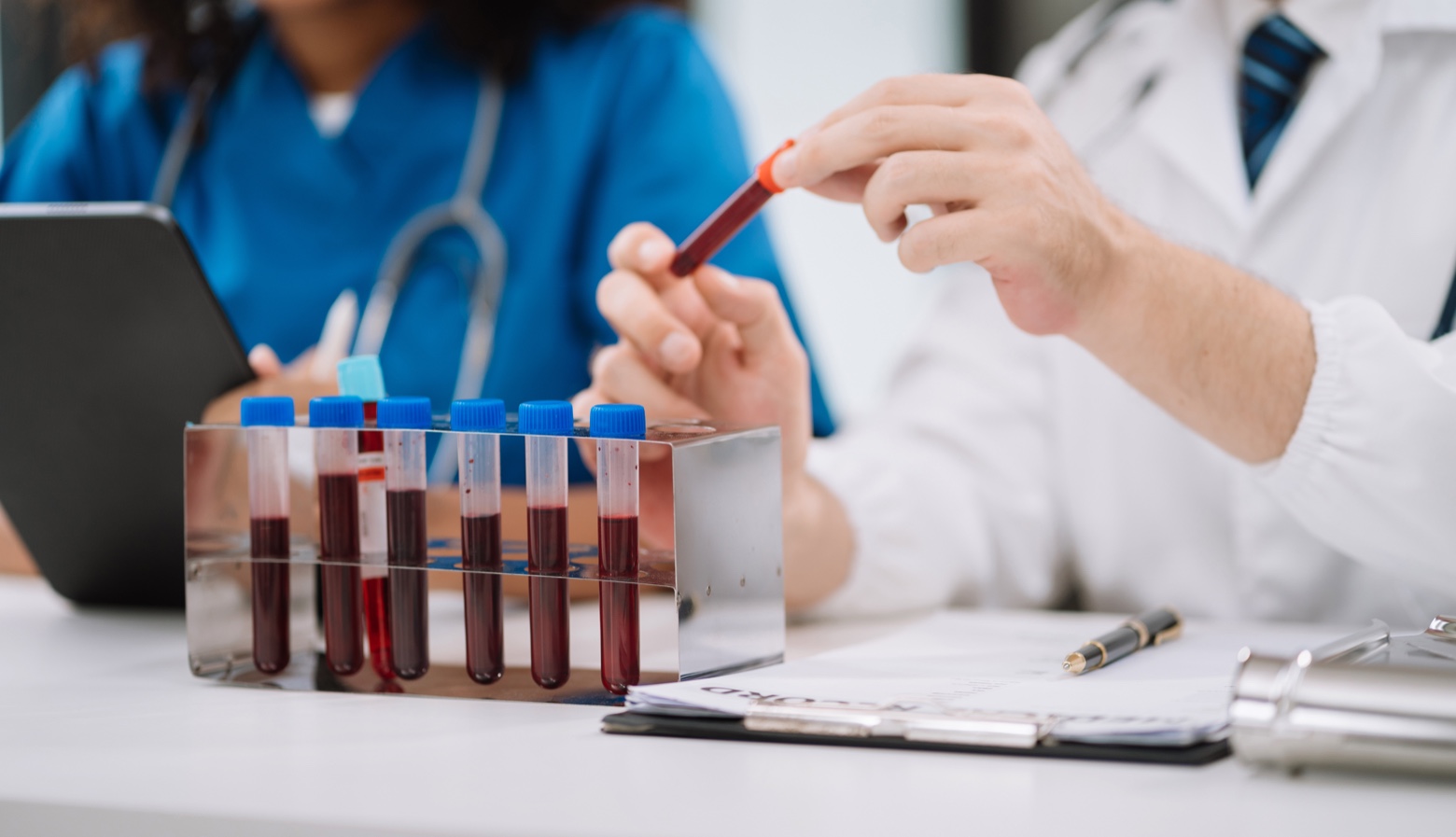
At HM Hospitales we have top-level specialists for the detection and treatment of colon cancer. In addition, we have a Hyper-Early Diagnosis Unit where we use innovative techniques such as liquid biopsy in which, with a blood test, we can detect various types of cancer in their earliest stage.
In that consultation, we also provide comprehensive and personalized follow-up for each patient, paying close attention to their needs with the aim of diagnosing earlier in order to cure more effectively.
Remember that this article is for informational purposes only and does not replace professional medical advice. If you suspect you have colon cancer, consult a specialist to obtain an accurate diagnosis and a treatment plan tailored to your needs.
Our doctors
Contact and make an appointment with the professionals in this area