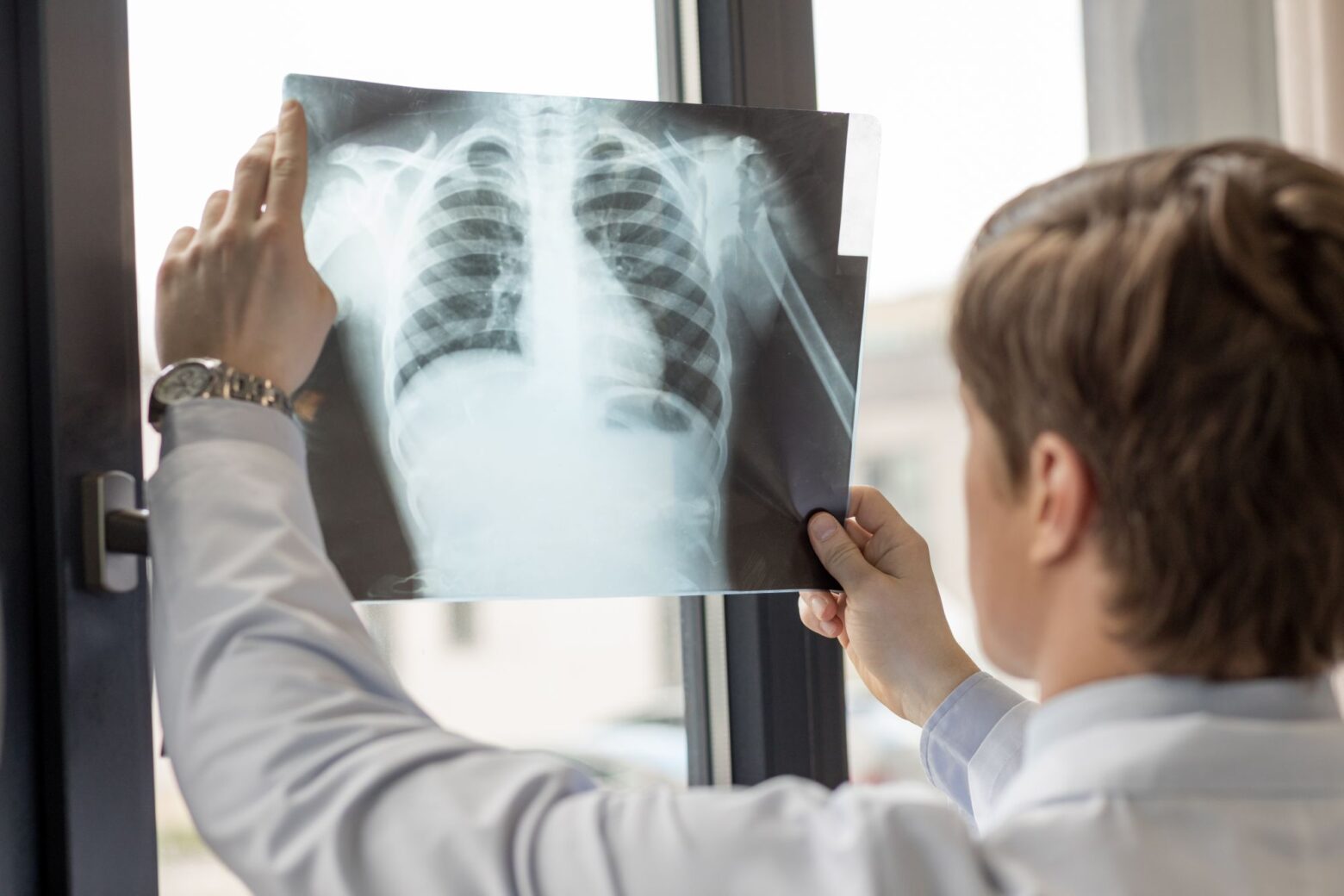
Identify the early symptoms of stomach cancer
Stomach cancer is a disease that, if detected early, can have a much more favourable prognosis. However, its initial sym…
Breast cancer begins when cells in breast tissue start to grow uncontrollably. These cells can form a tumor that can often be felt as a mass or lump. Not all lumps are cancerous, but it is essential that any change in the breast be evaluated by a medical professional.
Breast cancer can affect the physical and emotional health of patients, so support and information are essential.

Breast cancer symptoms can vary; some women experience no symptoms in the early stages. It is important to be attentive to any changes and consult your doctor if you notice anything unusual. Some common symptoms include:
It is important to remember that these symptoms can be caused by other benign conditions. If you notice any changes, consult your doctor for an assessment.
Breast cancer can develop in different parts of the breast. Most breast cancers begin in the ducts that carry milk to the nipple (ductal cancers) or in the glands that produce milk (lobular cancers). It can also originate in other breast tissues, although this is less common. The location of the tumor can influence symptoms and treatment options.
Breast cancer is classified based on several factors, which helps determine the best course of treatment. These factors include:
Although the exact cause of breast cancer is unknown, it is known to be caused by mutations in the DNA of breast cells. These mutations can be inherited or acquired throughout life. noce, se sabe que se produce por mutaciones en el ADN de las células mamarias. Estas mutaciones pueden ser heredadas o adquiridas a lo largo de la vida.

Some factors that may increase the risk of breast cancer
Diagnosis of breast cancer
Diagnosing breast cancer involves a combination of tests and procedures, including:
At HM Hospitales, we have specialized units for the diagnosis of breast cancer, with teams of highly qualified professionals and state-of-the-art technology. In addition, we have the PINK PHONE: if you have noticed anything in your breast or suspect you may have something, we will see you within 24 hours. Call 900 10 20 33.
Breast cancer treatment depends on the stage of the cancer, the type of cancer, and the patient’s preferences. There are various options, both pharmacological and non-pharmacological, that are used individually or in combination to achieve the best possible result. Below, we briefly explain the main therapeutic strategies.
Surgery is a fundamental component in the treatment of breast cancer, and there are different types, each with specific indications and benefits.
Breast-conserving surgery, also known as a tumorectomy or lumpectomy, involves the removal of the tumor along with a small margin of surrounding healthy tissue, with the aim of completely eliminating the cancer while preserving as much breast tissue as possible. This procedure is often combined with radiotherapy to reduce the risk of recurrence.
On the other hand, mastectomy involves the surgical removal of the entire breast and can be classified into several modalities: simple or total mastectomy, which removes all breast tissue, including the nipple and areola; modified radical mastectomy, which also includes the removal of some axillary lymph nodes; radical mastectomy, less common nowadays, which removes the entire breast, the underlying pectoral muscles, and all axillary lymph nodes; skin-sparing mastectomy, which preserves the breast skin to facilitate later reconstruction; and nipple- and areola-sparing mastectomy, similar to the previous one but also preserving these structures if they are not affected by cancer.
Reconstructive surgery is another important option after a mastectomy, as it allows the restoration of the shape and appearance of the breast. Among the available options are reconstruction with implants, which uses breast prostheses; autologous tissue reconstruction, which uses tissue from other parts of the body, such as the abdomen or back, to achieve a more natural and lasting result, although it involves more complex surgery; and reconstruction with tissue expanders, where an expander is placed under the skin and chest muscle, which is gradually filled with saline solution to create space for a permanent implant.
Regarding the management of lymph nodes, sentinel lymph node biopsy is a key procedure to determine if the cancer has spread. In this case, a dye or radioactive substance is injected near the tumor to identify and remove the first lymph node to which it drains, known as the sentinel lymph node. If this lymph node does not contain cancerous cells, it is likely that the other lymph nodes are also unaffected, thus avoiding a complete axillary dissection. However, if the sentinel lymph node or the axillary lymph nodes contain cancer cells, an axillary lymph node dissection can be performed to remove more lymph nodes, which helps determine the stage of the cancer and reduce the risk of recurrence.
Radiotherapy is a treatment that uses high-energy X-rays to destroy cancer cells and plays an important role in the management of breast cancer. There are different types of radiotherapy, each with specific characteristics depending on the patient’s needs.
External beam radiotherapy is the most common modality and is administered from a machine located outside the body, which directs the X-rays towards the affected area. Internal radiotherapy, also known as brachytherapy, involves placing a radioactive source inside the body, near the tumor, although its use in breast cancer is less common. Another option is intraoperative radiotherapy, which consists of administering a single dose of radiation directly to the area where the tumor was located during surgery.
In addition, there are advanced techniques that seek to maximize the effectiveness of the treatment while minimizing damage to the surrounding healthy tissue. Conformal external beam radiation therapy (3D-CRT) uses three-dimensional imaging to shape the radiation beams to the exact shape of the tumor, thus reducing unnecessary exposure of adjacent tissues. An even more precise variant is intensity-modulated radiation therapy (IMRT), which allows the intensity of the radiation beams to be adjusted, achieving greater precision in the treatment and further reducing the dose received by healthy tissues. These advanced options offer a personalized and effective approach to breast cancer treatment.
It uses medications to destroy cancer cells. Different groups of chemotherapeutic agents can be used, such as taxanes, anthracyclines, platinum agents and/or alkylating agents.
It blocks the effects of hormones that can stimulate the growth of breast cancer. Some therapeutic groups include aromatase inhibitors and selective estrogen receptor modulators (SERMs).
It focuses on specific vulnerabilities of cancer cells. Some examples of therapeutic groups are HER2, CDK 4/6 and PARP inhibitors.
It helps the immune system fight cancer.
It is important to note that the choice of treatment depends on the type and stage of breast cancer, as well as the individual characteristics of each patient. A multidisciplinary team of healthcare professionals will work with you to develop a personalized treatment plan.
If left untreated, breast cancer can spread to other parts of the body, such as the bones, lungs, or liver. Early diagnosis and treatment of breast cancer are essential to improve prognosis and survival. Regular mammograms and breast self-examination are important for early detection. If you experience any symptoms, consult your doctor as soon as possible.
Remember that this article is for informational purposes only and does not replace professional medical advice. If you suspect you have breast cancer, consult a specialist to obtain an accurate diagnosis and a treatment plan tailored to your needs. agnóstico preciso y un plan de tratamiento adecuado a tus necesidades.